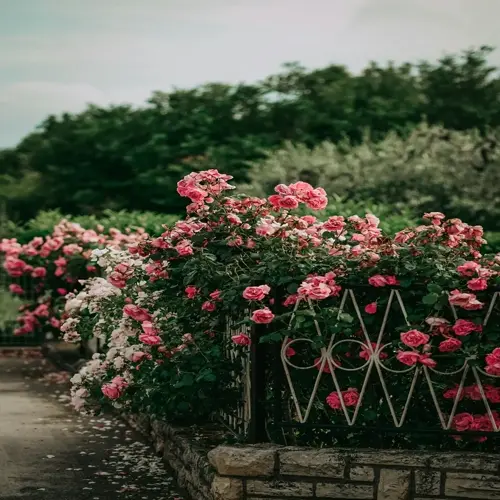

What makes David Austin Roses special is their blend of old-world bloom shape, strong fragrance, and modern repeat-flowering. No other rose class gives you all three at once. That triple combo sets these English roses apart from every other type you can grow in your yard.
I walked through a David Austin collection at a garden show last spring, and the experience hit me on every level. The Myrrh-scented types had a warm, spicy aroma I could smell from six feet away. The Old Rose types filled the air with a deep, sweet fragrance that took me right back to my grandmother's garden. Each bush held dozens of blooms with petals stacked into rich, cupped shapes that no hybrid tea can match. That visit sold me on growing them in my own yard, and I haven't looked back since.
Once you learn the backstory, you'll see why David Austin roses popular status makes total sense. He spent decades crossing old garden roses like Gallicas and Damasks with modern hybrid teas. Old roses had the look and the scent, but they only bloomed once per year. Modern roses repeated all season but lost the classic shape. Austin's crossing gave you a rose that blooms from late spring through fall. It still looks like it belongs in a painting but flowers over and over for you all season long. That was the breakthrough moment that changed the rose world for good.
These roses also fight off disease better than many older types. You won't spend your weekends spraying for black spot and mildew the way you would with some hybrid teas. Your garden stays cleaner, and your plants stay healthier with much less effort and fuss from you.
The breeding program has produced over 200 named varieties since the 1960s. Some of those plants have earned serious honors in the rose world. Here are the David Austin rose features that set the top varieties apart from your average garden rose.
You'll pay more for a David Austin rose than a budget hybrid from your local garden center. A bare-root plant runs about $30 to $40 compared to $10 to $15 for a standard hybrid tea. But you're paying for decades of breeding work that went into every plant. The fragrance, the bloom form, and the repeat-flowering make that extra cost worth every dollar for your garden.
Buy your plants as bare-root stock in late winter or early spring for the best start. Pick varieties rated for your USDA zone so they survive your winters without trouble. Give them full sun, rich soil, and good drainage in your beds. Water deep once a week rather than a little bit every day. Feed them a balanced rose fertilizer in spring and after the first flush of blooms. Your Austin roses will reward you with wave after wave of flowers that smell as good as they look in your beds.
In my experience, adding even two or three of these bushes changes the whole feel of your outdoor space. The scent draws you outside on summer evenings. The blooms give you fresh cut flowers for your table all season long. That's what makes David Austin Roses special for you. They turn a good garden into a great one every time. Give them a spot in your yard and you'll see the difference for yourself within one growing season.
Read the full article: Rose Flower: Types, Meanings and Care