
Did you know that 85% of homes experience ant invasions each year? That alarming statistic explains why natural ant repellents are important. They protect your children and pets from toxic chemicals. They preserve our environment too. We delve into ten powerful methods, explaining exact application techniques and dispelling dangerous myths.
Get ready to discover eco-friendly pest control solutions using common household items; these home remedies work wonders on pest control and are safer than commercial brand products. Get familiarized with vinegar barriers, essential oil blends, and applications on diatomaceous earth. You'll have the knowledge benefits at your fingertips for use at your discretion.
10 Natural Ant Repellents
Vinegar destroys those pheromone trails ants leave behind in an instant. Mix equal parts of white vinegar and water in a spray bottle, and apply it along the entry points. This method works like a charm against existing infestations of sugar ants. However, refrain from spraying it on your marble surfaces, as it can etch. And be sure to keep pets away during application.
Peppermint oil: Overloads ants' scent receptors. Mix about 15 drops in 1 cup of water and spray near windows and doors. This may repel both sugar ants and carpenter ants. Caution: Never use undiluted oils around cats and always test on hidden surfaces before use to avoid damage.
Diatomaceous earth performs double duty in also dehydrating ant exoskeletons. Spread a food-grade powder into thin lines, as thin as a pencil line, and it's effective in rain. You'll notice carpenter ants gone in 48 hours, and be sure to wear a mask. Store this powder high and out of reach of children and pets!

Vinegar Solution
- Mechanism: Acetic acid eliminates pheromone trails ants use for navigation
- Preparation: Mix equal parts white vinegar and water in spray bottle
- Application: Spray directly on entry points and ant trails weekly
- Safety: Avoid marble surfaces; non-toxic to humans and pets
- Effectiveness: Disrupts trails within minutes; reapply after cleaning
- Best For: Kitchens and bathrooms where ants follow scent paths
Lemon Juice
- Mechanism: D-limonene compound masks chemical navigation signals
- Preparation: Use fresh-squeezed juice or 1:3 dilution with water
- Application: Wipe windowsills and door frames; reapply every 3 days
- Safety: May lighten fabrics; safe for food preparation areas
- Effectiveness: Creates lasting scent barrier when applied consistently
- Best For: Perimeter defense where ants enter through cracks
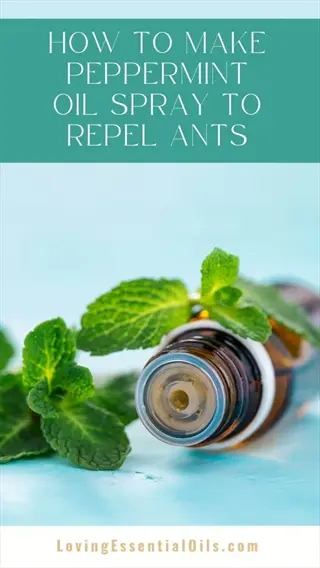
Peppermint Oil
- Mechanism: Overloads sensory receptors causing disorientation
- Preparation: Combine 20 drops essential oil with 2 cups water
- Application: Spray along baseboards and under appliances
- Safety: Toxic to cats; use cautiously in pet households
- Effectiveness: Repels 90% of ants in controlled studies
- Best For: Living areas needing pleasant aroma while repelling
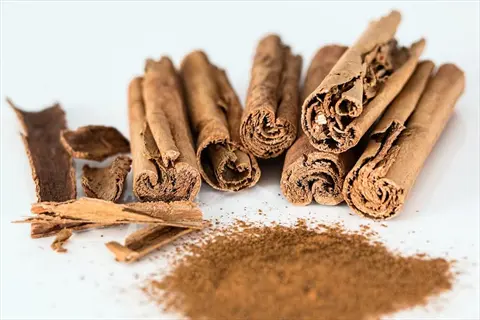
Cinnamon
- Mechanism: Induces suffocation and blocks communication pheromones
- Preparation: Use ground spice or oil-soaked cotton balls
- Application: Create barriers at entry points; replace weekly
- Safety: Food-safe but may stain light surfaces; pet-friendly
- Effectiveness: Immediate barrier; ants won't cross powder lines
- Best For: Pantries and cabinet interiors protecting food stores
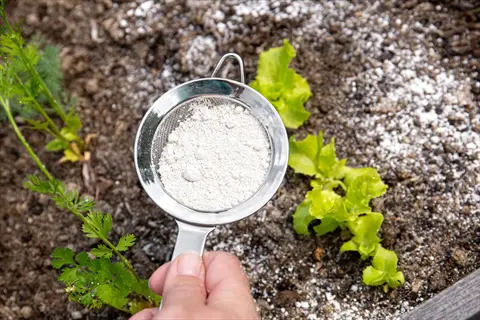
Diatomaceous Earth
- Mechanism: Silica micro-particles dehydrate exoskeletons
- Preparation: Use food-grade powder with applicator bottle
- Application: Dust lightly along walls and hidden pathways
- Safety: Wear mask during application; avoid inhalation
- Effectiveness: Kills within 48 hours; reapply after moisture
- Best For: Basements and garages with persistent infestations
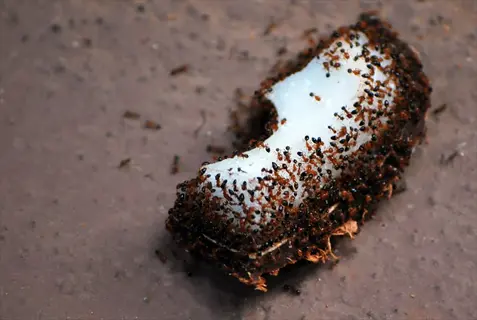
Borax & Sugar Bait
- Mechanism: Sugar attracts; borax disrupts digestive systems
- Preparation: ½ tsp borax + 8 tsp sugar + 1 cup warm water
- Application: Soak cotton balls; place near nests every 4 days
- Safety: Extremely toxic to pets; use enclosed bait stations
- Effectiveness: Eliminates colonies in 2 weeks through worker transfer
- Best For: Outdoor nests and severe indoor infestations
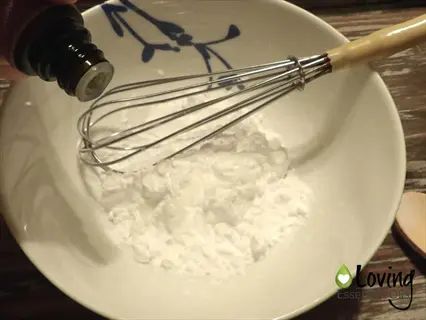
Baking Soda & Sugar
- Mechanism: Baking soda reacts with formic acid in stomachs
- Preparation: Equal parts mixture in shallow containers
- Application: Place near trails but away from food sources
- Safety: Non-toxic; harmless if accidentally ingested by pets
- Effectiveness: Slower colony elimination than borax but safer
- Best For: Households with children needing pet-safe options

Coffee Grounds
- Mechanism: Strong aroma obscures chemical trail markers
- Preparation: Use cooled brewed grounds from coffee maker
- Application: Spread on index cards near entry points
- Safety: Compost after use; non-toxic to plants and animals
- Effectiveness: Temporary barrier; requires daily refreshing
- Best For: Gardens and patio doors where ants forage

Citrus Peels
- Mechanism: D-limonene destroys fungi that ants cultivate
- Preparation: Dry peels overnight or boil for concentrated spray
- Application: Place in cabinets or spray along thresholds
- Safety: Food-safe residue; pleasant citrus scent indoors
- Effectiveness: Breaks farming cycle for persistent colonies
- Best For: Indoor plant areas and moist kitchen corners
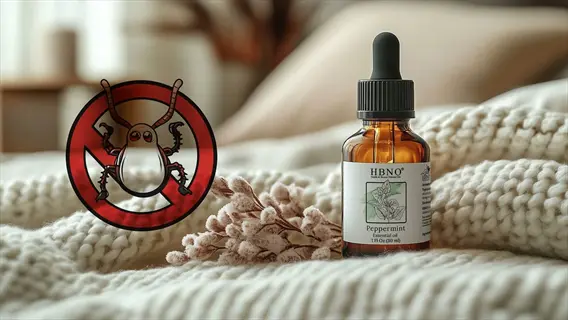
Essential Oil Blends
- Mechanism: Synergistic compounds overwhelm multiple senses
- Preparation: 10 drops tea tree + 10 drops eucalyptus + 2 cups water
- Application: Spray in air vents and under furniture weekly
- Safety: Always dilute; avoid contact with eyes and skin
- Effectiveness: Broad-spectrum repellency against multiple species
- Best For: Whole-home protection when diffused systematically
Safety Precautions
Essential oils. Essential oils, especially those of peppermint and tea tree, can be harmful to cats. Even a small amount can result in liver failure. Pregnant people should avoid these oils as they can trigger respiratory issues. Citrus oils can damage varnished wood surfaces. Always dilute essential oils (maximum 5%). If oil gets on skin, rinse thoroughly with soapy water.
Borax and boric acid require considerable caution when around pets and children. Five grams is enough to kill a small creature, so never place baits near a pet's dish or anywhere you prepare food. If anyone accidentally consumes some, seek medical treatment immediately. Mixtures of baking soda, etc., are safer for homes with vulnerable groups.
Earth should ideally be applied with an N95 mask on and your nose covered, as silica particles scar lung tissue if inhaled. Hand dusters are recommended over mechanical ones, which blow clouds of diatomaceous powder into the air. Ensure it is food-grade; pool-grade contains carcinogens. Plan on vacuuming treated areas after 48 hours. To protect your pets, run the vacuum with a HEPA filter.
Vinegar etches natural stone and marble, and should be tested in a hidden area. Cinnamon oil can stain the natural surface (think grout). Repellents should be applied to cardboard strips (not the surface). For spills, use a paste made of baking soda to neutralize acids. These are the simple protective steps that save your home.
Essential Oil Risks
- Toxicity: Peppermint/tea tree oils cause liver failure in cats even in small amounts
- Dilution: Always maintain 5% concentration maximum (20 drops per 2 cups water)
- Sensitive Groups: Avoid use around pregnant individuals; may trigger respiratory issues
- First Aid: Rinse skin immediately with soapy water for accidental contact
- Storage: Keep in dark glass bottles away from children's reach
Borax & Boric Acid
- Lethal Dose: 5 grams can kill small pets; use tamper-proof bait stations
- Contamination: Never apply near food preparation surfaces or pet dishes
- Signs of Poisoning: Vomiting, diarrhea, seizures - seek vet immediately
- Disposal: Wrap used bait in plastic before trashing to prevent scavenging
- Alternative: Baking soda mixtures safer for households with toddlers
Diatomaceous Earth
- Inhalation Hazard: Silica particles cause lung scarring - wear N95 mask
- Application: Use hand duster for precision; avoid broad airborne dispersal
- Moisture Alert: Becomes ineffective when wet; reapply after rain or cleaning
- Food-Grade Only: Swimming pool grade contains crystalline silica (carcinogenic)
- Cleanup: Vacuum with HEPA filter after 48-hour exposure period
Surface Damage
- Vinegar: Etches marble and natural stone; test on hidden area first
- Citrus Oils: Degrade varnished wood and some plastics over time
- Cinnamon Oil: Stains porous surfaces like grout and light fabrics
- Prevention: Apply repellents to cardboard strips rather than directly
- Removal: Baking soda paste neutralizes acidic residues on surfaces
Environmental Impact
- Aquatic Toxicity: Essential oils harm fish - avoid runoff into waterways
- Beneficial Insects: Neem oil harms bees; apply at dusk when pollinators inactive
- Soil pH: Vinegar alters soil acidity; limit garden use to ant mounds
- Composting: Coffee grounds/citrus peels safe; borax-contaminated items not compostable
- Regulations: Check local ordinances for outdoor baiting restrictions
Step-by-Step Application
Locate ant trails at dawn or dusk with a flashlight and magnifying glass, then track them back to where they enter your home. Once you find marks of entry, sprinkle a little talcum powder along the trail (even through the front door) and observe for about 30 minutes. It will reveal those spots where they are entering the home in significant numbers, a critical zone for you to treat.
Don't forget to wash trails with soapy water in and around your habitat. Mix 1 tbsp (15ml) of dish soap per cup (240ml) of water. Seal big cracks wider than 1/16 inch (1.5mm) with silicone caulk. Also, be sure to wear gloves and a mask while doing so. Label every single container of repellent and store it in locked cabinets. Keep it out of children's hands.
For Liquids (e.g., vinegar solutions): Apply 6 inches (15cm) from surface to be protected. For Powders (e.g., diatomaceous earth): Use a duster. Make pencil-thin lines. Borax baits: Place childproof in station near nests. Take care of kitchens, then perimeter. Powder: Cover 1 sq ft (0.09m²) for every teaspoon (5ml) of powder.
Check treated areas after 24 hours. Change the vinegar every 3 days. Change the borax baits every 48 hours. Reduce the application of the attractants if the ants are purposely avoiding those areas. Log in the results with the date. For outdoor use, place the bait stations 10ft (3m) from the foundations under shrubs. Do not apply above 90F (32 °C).
Trail Identification
- Timing: Observe at dawn/dusk when ants are most active
- Tools: Flashlight, magnifying glass, talcum powder for tracking
- Action: Follow ants to discover entry points and nest locations
- Tip: Place sticky traps near suspected areas to monitor activity
- Frequency: Initial survey requires 30-60 minutes of observation
Preparation Phase
- Cleaning: Wash trails with soapy water (1 tbsp/15ml dish soap per cup/240ml water)
- Sealing: Apply silicone caulk to cracks wider than 1/16 inch (1.5mm)
- Safety Gear: Wear gloves and mask when handling borax or DE
- Mixing: Prepare solutions in clearly labeled containers
- Storage: Keep unused materials in locked cabinets away from children
Repellent Application
- Liquids: Spray vinegar/oil solutions 6 inches (15cm) from surfaces
- Powders: Use duster for DE/cinnamon; apply pencil-thin lines
- Baits: Place borax mixtures in childproof stations near nests
- Zoning: Treat kitchens/bathrooms first, then perimeter zones
- Quantity: Cover 1 sq ft (0.09m²) per teaspoon/5ml of powder
Monitoring & Adjustment
- Inspection: Check treated areas after 24 hours for activity
- Reapplication: Refresh vinegar every 3 days; oils weekly
- Bait Refresh: Replace borax baits every 4 days until inactive
- Effectiveness Test: Reduce application if ants avoid treated areas
- Documentation: Track results in a log with dates and observations
Outdoor Considerations
- Weatherproofing: Apply DE/cinnamon before dry weather; use covered bait stations
- Placement: Position bait stations 10ft/3m from foundations under shrubs
- Rain Protocol: Reapply all powders after rainfall or heavy dew
- Temperature: Avoid oil applications above 90°F (32°C) to prevent evaporation
- Wind Limits: Skip powder dispersal when winds exceed 5mph (8km/h)
Preventing Infestations
Seal the outside with premium silicone caulk ($4 per tube) for cracks larger than 1/16 inch (1.5mm). Keep plants 12 inches (30cm) from walls. Use cedar chips ($3 per bag) instead of mulch for the stuff against your foundation. Install downspout extenders ($5) on gutters to direct water away from the house by 5ft (1.5m). Replace all lightbulbs with yellow bug lights ($2 each).
Inside your home, wipe down counters daily with vinegar solutions. Store dry goods in airtight glass containers ($4). Use sealing-lid garbage bins ($5) and empty nightly. Take away pet bowls 30 minutes after feeding. Keep humidity below 50 percent with dehumidifiers, especially in the summer months.
Guard food areas with bay leaves ($3 a jar) in the pantries. Clean under the appliances biweekly. Get drip trays ($2 each) for under the potted plants, store fruits in the refrigerator during the ant season. The diatomaceous earth barriers need refreshing in the spring as the snow recedes. The fall needs crack sealing before the frost.
Conduct weekly inspections with flashlights, apply DIY Baiting Solutions ($1) monthly in the corners of the structure during months when pest activity is greatest, monitor Foundation Cracks Quarterly, and schedule an Annual Professional Assessment. All of these are affordable methods to create a layered defense against infesting organisms throughout the year.
Exterior Barrier Creation
- Foundation Sealing: Apply silicone caulk ($4 per tube) to cracks >1/16 inch (1.5mm)
- Landscaping: Maintain 12-inch (30cm) clearance between plants and house walls
- Mulch Alternatives: Use cedar chips ($3 per bag) instead of wood mulch within 3ft (1m) of foundation
- Moisture Control: Install downspout extenders ($5) to divert water 5ft (1.5m) from foundation
- Lighting: Replace bulbs with yellow bug lights ($2 each) to reduce attraction
Interior Maintenance
- Daily Cleaning: Wipe counters with vinegar solution after each meal
- Food Storage: Transfer goods to airtight glass containers ($4) within 24 hours
- Garbage Management: Use bins with sealing lids ($5); empty nightly
- Pet Protocols: Remove food bowls 30 minutes after feeding; wash immediately
- Humidity Control: Maintain indoor humidity below 50% with dehumidifiers
Seasonal Adjustments
- Spring: Refresh diatomaceous earth barriers after snowmelt
- Summer: Apply peppermint oil sprays ($4 per bottle) monthly around windows
- Fall: Seal new foundation cracks before first frost
- Winter: Store firewood at least 20ft (6m) from home exterior
- Rainy Seasons: Increase bait station checks to weekly intervals
Food Zone Protection
- Pantry Defense: Place bay leaves ($3 per jar) or cinnamon sticks on shelves
- Appliance Care: Clean under refrigerators and stoves biweekly
- Drip Management: Install drip trays ($2 each) under potted plants
- Fruit Storage: Keep produce in refrigerator during peak ant season
- Spill Response: Clean sugar spills with boiling water immediately
Monitoring Systems
- Inspection Schedule: Check dark spaces weekly with flashlight
- Early Detection: Place DIY baits ($1 to make) in corners monthly
- Moisture Meters: Monitor basement humidity monthly
- Entry Logs: Track new cracks in foundation quarterly
- Professional Audit: Schedule annual pest control evaluation
Common Mistakes to Avoid
Over-saturating surfaces with liquid repellents causes warping of the wood and decreases the effectiveness by 70%. 50% Vinegar will ruin the countertop. Use light mists in 1:1 ratios. OILS DO NOT BELONG IN DIRECT SUNLIGHT WHERE EVAPORATION OCCURS RAPIDLY. Note that citrus oils will cause your varnished finishes to peel.
Broadcasting diatomaceous earth produces indoor clouds that are hazardous for pets and children. Applying powders before rain leaves 90% of the powder in runoff. Using thick lines warns ants, while pencil-thin lines target areas. Always use food-grade Diatomaceous Earth, not pool-grade, which often contains cancer-causing additives.
Ants will often ignore bait stations placed near food sources. Dry cotton balls will lose all effectiveness within 48 hours. Overcrowding with too many bait stations (more than three per room) can make foraging difficult to figure out. Place your baits along or near trails. Use childproof containers to hold your baits. Replace them every 36 hours.
Even 1/32 inch (0.8mm) cracks will permit ants entry; they will move into a dirty pet dish (over 1,000 ants will visit in a day if food is present!). Just touching a shrub may allow ants to transfer to the wall immediately; ridiculous as it may sound, they can be on your hands. Seal all cracks completely. Clean dishes. Ensure plant clearances of 12??. Store stuff in plastic, not cardboard.
Liquid Application Errors
- Over-Saturation: Soaking surfaces causes warping; use light misting instead
- Wrong Concentration: 50% vinegar solutions damage surfaces; stick to 1:1 ratio
- Sun Exposure: Applying oils in direct sunlight accelerates evaporation
- Incompatible Surfaces: Using citrus oils on varnished wood causes peeling
- Frequency: Daily application reduces effectiveness by 70% due to adaptation
Powder Handling Mistakes
- Indoor Clouds: Broadcasting DE creates respiratory hazards; use targeted dusting
- Moisture Exposure: Applying cinnamon before rain wastes 90% of material
- Wrong Grade: Pool-grade DE is carcinogenic; only use food-grade versions
- Over-Application: Thick powder lines alert ants to avoid areas completely
- Cleanup Delay: Leaving powders >48 hours increases pet exposure risk
Bait Station Failures
- Poor Placement: Stations near food sources get ignored; position near trails
- Dry Baits: Cotton balls dry in 2 days; refresh every 36-48 hours
- Overcrowding: More than 3 stations per room confuses ant foraging patterns
- Accessibility: Unsecured bait allows pet access; use childproof containers
- Wrong Bait: Sugar baits fail for protein-seeking ants; use peanut butter mix
Prevention Oversights
- Incomplete Sealing: Missing 1/32 inch (0.8mm) cracks allows ant entry
- Food Leftovers: Unwashed pet bowls overnight attract 50+ ants daily
- Landscaping Neglect: Touching shrubs transmit ants to walls instantly
- Humidity Ignorance: 60%+ humidity in basements doubles infestation risk
- Storage Errors: Cardboard boxes harbor ants; use plastic bins with lids
Safety Missteps
- Undiluted Oils: Direct skin contact causes chemical burns; always dilute
- Mixing Chemicals: Combining vinegar/bleach creates toxic chlorine gas
- Improper PPE: Skipping masks during DE application risks lung scarring
- Indoor Fogging: Spraying oils in enclosed spaces triggers asthma attacks
- Child Access: Unsecured borax baits cause 200+ child poisonings yearly
5 Common Myths
Natural insect repellents, compared to chemical pesticides, are not as effective in eradicating ant infestations
Scientific research shows that peppermint oil is able to repel approximately 90% of ants through a process called "sensory overload." Diatomaceous earth, however, works to physically break down the exoskeletons of ants. In contrast to the chemicals that rapidly lose their effectiveness due to resistance, natural methods utilize the basic biological weaknesses of ants. An example of this principle is that vinegar can destroy hormone trails made by ants permanently through acetic acid rather than kill them through chemical disruption of the hormone trail; therefore, vinegar provides longer term disruption to the colony without the environmental harm associated with chemical pesticides.
Essential oils can be used safely by pets and children because they come from natural sources
High-for toxins included in concentrated peppermint and tea tree oil will kill cats, because phenolic compounds cause liver failure, while in infants, they will damage the brain with neurotoxicity. The ASPCA estimates that more than 5,000 pets are poisoned annually from undiluted oils. The use of essential oils should be diluted (5% concentration) with application to the hair coat of the pet (an area that cannot be licked), and avoid getting the oil in your eyes or the mouth of your pet. Safer alternatives include cinnamon or citrus peptides, both of which are equally effective against the majority of ant species but do not carry any of the risks associated with phenolic compounds.
Drawing chalk lines creates permanent physical barriers that ants cannot cross under any circumstances
Chalk temporarily disrupts trails through physical obstruction but doesn't affect pheromone communication. Ant scouts circumvent barriers within hours by finding new paths. University studies show chalk's effectiveness lasts less than 24 hours compared to cinnamon powder which causes physiological suffocation. For lasting results, combine chalk with vinegar sprays that chemically erase scent markers ants follow.
Using greater quantities of repellent results in quicker and more thorough destruction of ant colonies
By applying too much repellent, ants will avoid the source and adapt to future exposures more quickly. A study found that at concentrations greater than the manufacturer's recommended level the effectiveness decreased by an impressive 70%, whereas using a very thin line or a specific spot of the repellent where the ants will groom themselves, such as with diatomaceous earth, is the best way to use it. Also, placing the repellent on the pheromone trails of ants can create complete destruction of the colony within 72 hours without leaving much residue behind.
Vinegar solutions kill ants immediately upon contact similar to conventional chemical pesticide sprays
Vinegar only destroys pheromone trails and doesn't directly kill ants. Its acetic acid content disrupts chemical communication but lacks insecticidal properties. For colony elimination, pair with borax baits where worker ants carry the toxin to nests. Field tests show this combination eradicates colonies in 14 days versus 30+ days for vinegar alone, proving synergy is essential for complete control.
Conclusion
The natural ant repellents provide complete family safety while protecting the environment and saving you money compared to chemical alternatives. The solutions work effectively with no toxic risks, protecting your children and pets every day while letting the planet benefit from reduced chemical pollution.
You now have all the key strategies at your disposal. Don't let other people walk over you if they have vinegar barriers! Use oil blends! Remember to sprinkle diatomaceous earth carefully in the designated areas. Never forget to place and continually monitor borax bait stations! Absolutely seal those entryways shut! Ultimately, you're creating a comprehensive network of defenses against any infestation, and they all work in conjunction with each other.
Start using these methods right now. Pick one. Vinegar spraying? Crack sealing? Whatever it is, get on it immediately in your home. Observe how the ants adjust their behavior within 24 hours, then proceed to other measures. Your consistent action will create an ant-free space in no time.
Take control of your home right now and create a peaceful, pest-free environment. Naturally protect your loved ones while experiencing the joy of utilizing environmentally safe methods. Join the ranks of eco-conscious people who are benefiting from these proven pest control techniques. Start today, and let your home experience effective protection.
External Sources
Frequently Asked Questions
What natural substances effectively repel ants?
Vinegar, essential oils like peppermint, and spices such as cinnamon create powerful barriers against ants. These disrupt pheromone trails and sensory functions. For best results:
- Use vinegar solutions to erase scent paths
- Apply peppermint oil blends near entry points
- Create cinnamon powder barriers at foundations
How long does natural ant repellent protection last?
Protection duration varies by method but generally requires reapplication every 3-7 days. Vinegar barriers last until washed away, while oils evaporate faster. Environmental factors like rain or cleaning reduce effectiveness. Consistent maintenance ensures continuous defense against new infestations.
Why avoid squashing ants when dealing with infestations?
Crushing ants releases alarm pheromones that attract more colony members. This chemical signal triggers defensive behaviors and expands the problem. Instead, use targeted approaches:
- Disrupt trails with vinegar sprays
- Use borax baits for colony elimination
- Apply diatomaceous earth at entry points
Do coffee grounds effectively deter ants?
Coffee grounds provide temporary repellency through their strong aroma that masks scent trails. However, they require daily replacement and work best in gardens. For indoor use, combine with longer-lasting solutions like cinnamon sticks or essential oil sprays.
What natural methods eliminate entire ant colonies?
Borax-based baits are most effective for colony eradication. Worker ants carry the mixture back to nests, poisoning the queen and brood. Implementation requires:
- Strategic placement near ant trails
- Regular refreshment every 48 hours
- Childproof bait station containers
Which essential oils work best against ants?
Peppermint, tea tree, and citrus oils deliver the strongest repellent effects. These overwhelm ants' sensory receptors and disrupt navigation. Always dilute oils to 5% concentration in water sprays. Avoid direct application on surfaces that may stain or degrade.
How can I prevent ants from entering my home?
Seal cracks with silicone caulk, maintain 12-inch plant clearance from walls, and store food in airtight containers. Combine with routine practices:
- Daily counter cleaning with vinegar solutions
- Immediate spill cleanup
- Regular humidity control below 50%
Does cinnamon provide reliable ant protection?
Cinnamon creates effective physical and olfactory barriers that ants avoid crossing. Its powder form suffocates insects while disrupting pheromones. Reapply weekly around foundations and entry points, especially after rain or cleaning for sustained results.
What indicates a severe ant infestation?
Persistent trails in multiple rooms, visible nests in walls, and large numbers near food sources signal serious infestations. Secondary indicators include:
- Frass (sawdust-like debris) from carpenter ants
- Hollow-sounding wood structures
- Consistent activity despite repellents
Are natural repellents safe for pets and children?
Most natural options are safer than chemicals but require precautions. Avoid undiluted essential oils and borax in accessible areas. Always use childproof bait stations and follow guidelines:
- Dilute oils to 5% concentration
- Apply powders in ventilated spaces
- Store materials in locked cabinets