
Want to learn how to grow squash? If you're looking to enjoy fresh-picked fruits from your own home garden, learning how to grow squash is a great first step! You'll be amazed at what a difference these little beauties make to your meals when they're on your table fresh from the garden.
Summer squash, like zucchini, grows quickly and has tender skin, great for one-dish meals! Both winter varieties, such as acorn, develop much thicker rinds, which are ideal for long-term storage. You can grow squash in small spaces using containers or even tiny raised beds. You don't need tons of land to have a garden, and a novice grower can reap the harvest quickly!
Follow our practical steps below and enjoy a bountiful harvest. All of our methods get right down to reality, things that work. You'll be given information on how to plant squash of all kinds and how to care for it. We'll save you a significant amount of time by helping you avoid common mistakes that common sense would prevent anyway.
Choosing the Right Squash Varieties
Summer squash varieties, such as zucchini and pattypan, are quick-growing and bear lovely, tender fruits that must be picked before they become too large. Winter squash varieties, such as butternut and acorn, have tough skins for storage. Summer squash must be picked daily; winter squash matures slowly on the vine. Which to grow? It depends on how you prefer to eat and the amount of storage space you have.
If you have limited real estate, consider selecting bush varieties that are excellent for containers, such as 'Bush Delicata', which requires just 18 inches of space in your garden bed or patio. For disease resistance, look for varieties such as 'Defender' zucchini, which can fight off powdery mildew, or select a vining type that needs 6 feet of space, like 'Waltham Butternut'. Just choose a squash that matches your limitations!
Think about the climate you're growing in when you choose. Heat-tolerant 'Cocozelle' zucchinis are well-suited for southern summers. 'Table King' acorn squash does fine in a cool growing area. I always pick out at least one disease-resistant type since I've lost entire crops early in my gardening career, thanks to being too foolish to learn about wilts. This decision alone can save you entire harvests!
Start with your cooking needs and space limitations; bushy types will yield well in pots on patios, while vigorous vines produce copious amounts and cover large garden areas. Notes on spacing and diseases are on seed packets. Somewhere among those great possibilities is the perfect squash for you.
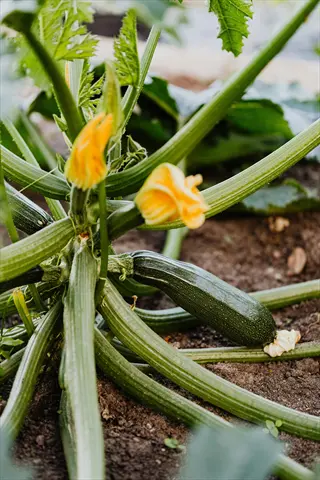
Zucchini (Summer)
- Fact: Green zucchini produces abundant fruits in 45-55 days with dark green skin and creamy flesh that's ideal for grilling or spiralizing into noodles.
- Space: Bush habit spreads 3-4 feet (0.9-1.2 m) wide, suitable for large containers or garden beds requiring 1-2 square feet (0.1-0.2 m²) per plant.
- Yield: 6-10 fruits per plant when harvested young at 6-8 inches (15-20 cm) long for best flavor and tenderness during peak season.
- Care: Requires consistent moisture and full sun exposure for optimal growth and resistance to common fungal diseases in well-ventilated conditions.
- Disease Resistance: Moderately resistant to powdery mildew when provided with adequate spacing and proper air circulation between plants.
- Container Suitability: Excellent for 5-gallon (19-L) containers with proper drainage, needing daily watering in hot weather conditions.
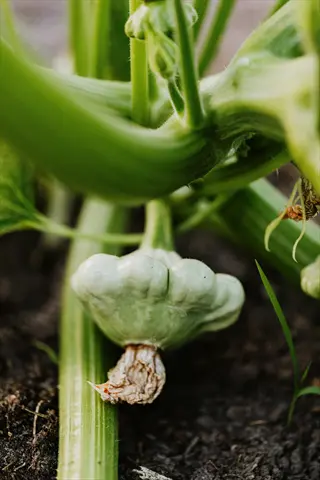
Pattypan (Summer)
- Fact: Scallop-shaped flying saucer fruits with tender skin mature in 50-60 days, available in yellow, green, and white varieties for diverse culinary uses.
- Space: Compact plants need 2-3 square feet (0.2-0.3 m²) growing space, perfect for container gardening in 18-inch (45-cm) diameter pots with drainage.
- Yield: 8-12 small fruits per plant when picked at 2-4 inches (5-10 cm) diameter for optimal crunch and mild flavor in summer dishes.
- Care: Thrives in rich soil amended with compost and requires regular harvesting to encourage continuous fruit production throughout the season.
- Disease Resistance: Susceptible to cucumber beetles but shows good tolerance to mosaic virus when grown with proper crop rotation practices.
- Container Suitability: Ideal for small-space gardens with bush varieties performing well in containers placed in full sun locations.
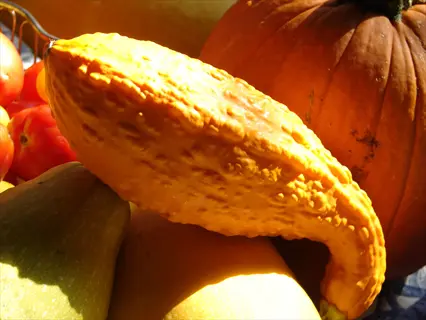
Crookneck (Summer)
- Fact: Curved-neck yellow squash with buttery flavor matures in 45-55 days, featuring bumpy skin and pale flesh excellent for sautéing or roasting.
- Space: Sprawling habit requires 4 square feet (0.4 m²) per plant, not recommended for small containers due to vigorous growth patterns.
- Yield: 5-8 fruits per plant best harvested at 4-6 inches (10-15 cm) before seeds harden for superior texture and culinary versatility.
- Care: Heat-tolerant but needs wind protection and mulch at the base to prevent soil splash on developing fruits during rainy periods.
- Disease Resistance: Vulnerable to squash vine borers; plant resistant varieties like 'Early Golden' for improved pest management.
- Container Suitability: Limited to large half-barrel containers at least 24 inches (60 cm) wide with sturdy support for heavy fruiting.
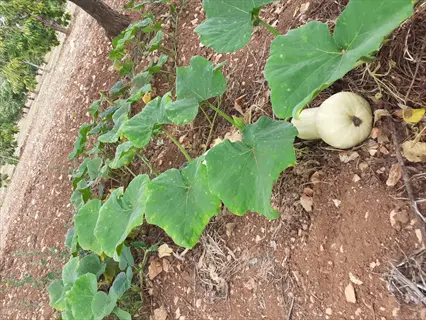
Butternut (Winter)
- Fact: Tan-skinned with sweet orange flesh, maturing in 100-110 days and storing exceptionally well for 4-6 months in proper conditions.
- Space: Vigorous vines spread 10-15 feet (3-4.5 m) needing trellising or open ground, unsuitable for standard container gardening applications.
- Yield: 3-5 large fruits per plant harvested when skin resists fingernail scratches and stems turn brown for winter storage.
- Care: Requires full sun and deep watering once weekly, plus protection from squash bugs using row covers during early growth stages.
- Disease Resistance: Shows moderate resistance to powdery mildew but susceptible to vine borers requiring organic pest control methods.
- Container Suitability: Only possible with extra-large containers (30+ gallon/114-L) and strong vertical support for vine management.
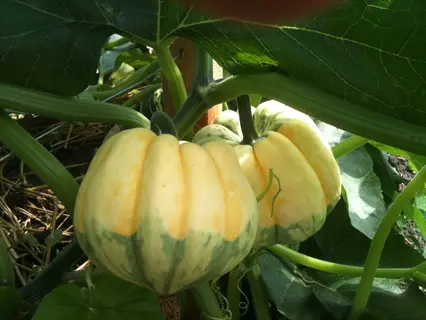
Acorn (Winter)
- Fact: Dark green ribbed fruits with nutty flavor mature in 80-100 days, excellent for roasting or stuffing after curing process completes.
- Space: Semi-bush habit spreads 4-6 feet (1.2-1.8 m), can grow in extra-large containers (24-inch/60-cm diameter minimum) with support.
- Yield: 4-6 fruits per plant cured in sun 7-10 days post-harvest to harden skin for long-term storage through winter months.
- Care: Prefers fertile soil with pH 6.0-6.8 and is drought-sensitive during fruit development phase needing consistent moisture.
- Disease Resistance: Resistant to some mosaic viruses but prone to powdery mildew in humid conditions without proper air flow.
- Container Suitability: Suitable for spacious containers with regular feeding and attention to soil moisture retention needs.
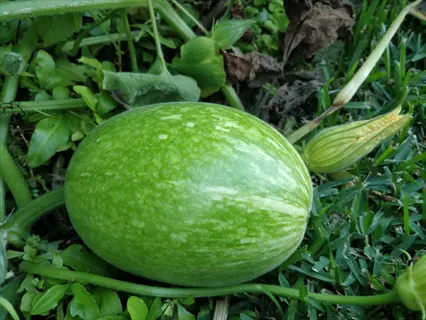
Spaghetti (Winter)
- Fact: Yellow oval fruits with stringy flesh resembling pasta mature in 90-100 days, storing 2-3 months when properly cured after harvest.
- Space: Vining habit spreads 8-12 feet (2.4-3.7 m) requiring substantial ground space or vertical trellising for optimal growth.
- Yield: 4-6 medium fruits per plant harvested when skin turns deep golden yellow and resists gentle pressure from fingers.
- Care: Thrives in well-drained soil with consistent moisture, needing full sun exposure and protection from early fall frosts.
- Disease Resistance: Good tolerance to powdery mildew but vulnerable to cucumber beetles requiring regular monitoring in gardens.
- Container Suitability: Challenging due to vine length; only feasible in very large containers with intensive management techniques.
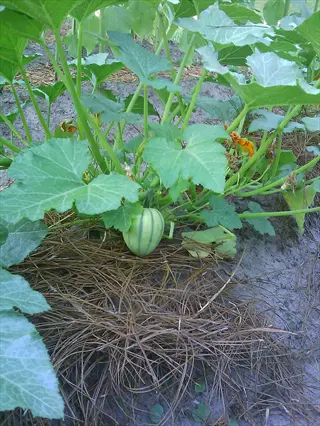
Delicata (Winter)
- Fact: Cream-colored with green stripes and sweet flesh maturing in 80-100 days, known for edible skin and shorter storage life.
- Space: Compact vines spread 4-6 feet (1.2-1.8 m), making them suitable for medium-sized gardens with limited ground space.
- Yield: 5-8 small fruits per plant best harvested before frost when stripes deepen in color for immediate culinary use.
- Care: Prefers rich soil with regular compost additions and benefits from mulch to maintain consistent root zone moisture.
- Disease Resistance: Susceptible to squash bugs but shows good resistance to powdery mildew compared to other winter varieties.
- Container Suitability: Works well in 15-gallon (57-L) containers with vertical support for vine training in sunny locations.
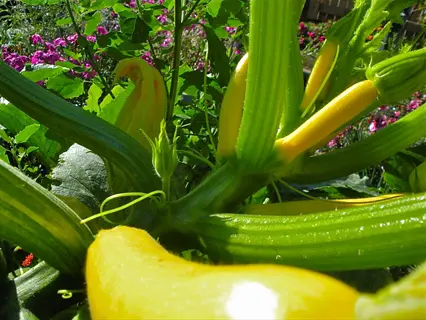
Yellow Straightneck (Summer)
- Fact: Classic yellow squash with smooth skin matures in 45-50 days, featuring tender flesh perfect for grilling or stir-frying.
- Space: Bush habit spreads 2-3 feet (0.6-0.9 m) wide, excellent for small gardens and container growing in warm climates.
- Yield: 8-12 fruits per plant when picked small at 4-6 inches (10-15 cm) length to maintain delicate texture.
- Care: Needs regular harvesting to prevent oversized fruits and requires consistent moisture without wetting leaves directly.
- Disease Resistance: Moderate resistance to mosaic viruses but prone to blossom end rot in calcium-deficient soils.
- Container Suitability: Excellent performer in 5-gallon (19-L) buckets or grow bags with daily watering during hot weather.
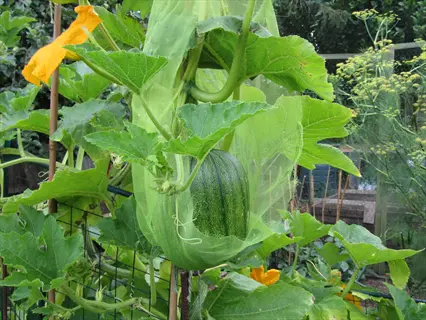
Buttercup (Winter)
- Fact: Turban-shaped with dark green skin and orange sweet flesh maturing in 95-100 days, storing exceptionally well long-term.
- Space: Vining habit spreads 10-12 feet (3-3.7 m) needing substantial garden space or strong trellis support systems.
- Yield: 3-4 large fruits per plant harvested when skin becomes hard and develops deep uniform color after frost.
- Care: Requires fertile soil amended with compost and consistent deep watering during fruit development stages.
- Disease Resistance: Resistant to some powdery mildew strains but vulnerable to squash vine borers requiring prevention.
- Container Suitability: Not recommended except for experimental growing in very large half-barrel containers.
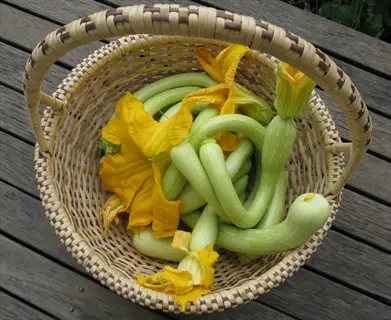
Tromboncino (Summer/Winter)
- Fact: Unique trumpet-shaped fruits harvested young as summer squash or mature as winter storage type in 60-110 days.
- Space: Vigorous vines spread 10-15 feet (3-4.5 m) needing vertical support like arbors or sturdy trellises for growth.
- Yield: 6-8 fruits per plant harvested either young at 8 inches (20 cm) or mature when skin hardens fully.
- Care: Prefers warm conditions with well-drained soil and benefits from regular applications of compost tea fertilizer.
- Disease Resistance: Excellent natural resistance to squash vine borers and moderate tolerance to powdery mildew issues.
- Container Suitability: Possible with large containers (25+ gallon/95-L) and strong vertical support structures for vines.
Planting and Growing Essentials
Amend your soil to a mix of 3 parts native earth to 1 part compost. Apply ½ cup (120 ml) of balanced fertilizer, such as 16-16-8, around each plant. For no-dig beds, also cover the soil with 4 inches (10 cm) of compost. Test drainage by soaking the soil. Water should disappear from the surface in an hour.
Start seeds indoors, 3-4 weeks before the last frost, in biodegradable pots. Maintain soil temperature at 70-90°F (21-32°C) using heating mats. Wait until the soil temperature is 65°F (18°C) or higher outdoors. Leave space between mounds 3-6 feet apart. Cover seedlings with row cloth until flowering.
Critical temperature limits. The plant must not be subjected to temperatures lower than 60°F. (15°C.) For susceptible seeds to germinate, growth will be inhibited if the temperature is below 50°F. (10°C.)And they will naturally drop their flowers if the temperature rises above 90°F. (32°C.), So, a sunshade cloth is required in hot weather. The maximum and minimum soil temperatures should be recorded daily using a thermometer.
Use drip irrigation to apply 1 to 1.5 inches (2.5 to 3.8 cm) of water every week directly to the roots, ensuring the leaves remain dry and preventing the spread of powdery mildew. Position the emitters at least 6 inches (15 cm) from the stems. This saves half of the water and protects the plants.
Soil Preparation
- Depth: Dig 12-inch (30-cm) deep holes spaced 3-6 feet (0.9-1.8 m) apart based on variety
- Amendments: Mix 3 parts native soil with 1 part compost and ½ cup balanced fertilizer (16-16-8) per plant
- No-Dig Method: Layer 4 inches (10 cm) of compost over planting area for direct sowing
- pH Level: Maintain 6.0-6.8 using lime to raise or sulfur to lower as needed
- Drainage Test: Saturate soil - water should absorb within 1 hour to prevent root rot
Indoor Seed Starting
- Timing: Begin 3-4 weeks before last frost date in biodegradable pots
- Planting Depth: Sow seeds ½ inch (1.3 cm) deep in seed-starting mix
- Temperature: Maintain 70-90°F (21-32°C) using heat mats for optimal germination
- Light: Provide 14-16 hours daily under grow lights 6 inches (15 cm) above seedlings
- Hardening Off: Acclimate outdoors 7 days before transplanting
Direct Sowing Outdoors
- Timing: Plant after soil reaches 65°F (18°C) and all frost danger passes
- Mound Method: Create 12-inch (30-cm) high hills spaced 3-6 feet (0.9-1.8 m) apart
- Seeding: Place 3 seeds per hill 1 inch (2.5 cm) deep; thin to strongest seedling
- Row Covers: Use until flowering begins for frost and pest protection
- Watering: Keep soil moist until germination occurs in 5-10 days
Transplanting Seedlings
- Timing: When seedlings develop 3-4 true leaves after hardening off
- Spacing: Bush types 2-3 feet (60-90 cm); vining types 4-6 feet (1.2-1.8 m) apart
- Planting Depth: Set level with soil surface; avoid burying stems
- Watering: Soak root ball thoroughly; apply 1 gallon (3.8 L) water per plant initially
- Protection: Shield from wind for 3 days using cloches or shade cloth
Early Growth Care
- Water Schedule: 1-1.5 inches (2.5-3.8 cm) weekly via drip irrigation at soil level
- Fertilizing: Apply fish emulsion (5-1-1) weekly until flowering begins
- Mulching: Spread 2-inch (5-cm) straw layer after soil reaches 75°F (24°C)
- Pest Monitoring: Check undersides of leaves daily for eggs or insects
- Support: Install tomato cages for bush types; trellises for vertical growth

Soil Thermometer
- Function: Measures exact soil temperature to ensure optimal 65-95°F (18-35°C) range for germination
- Usage: Insert probe 4 inches (10 cm) deep at planting sites each morning
- Benefit: Prevents planting in cold soil that causes seed rot and poor sprouting
- Selection Tip: Choose waterproof models with 2-inch (5-cm) easy-read dials
- Maintenance: Wipe clean after each use; store in dry location to prevent rust
- Metric Equivalent: 10 cm depth measurement for accurate temperature reading
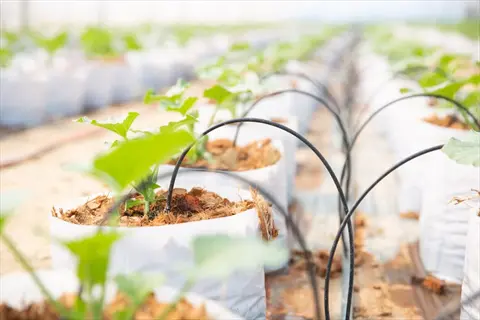
Drip Irrigation Kit
- Function: Delivers 1-1.5 inches (2.5-3.8 cm) water weekly directly to roots
- Usage: Position emitters 6 inches (15 cm) from plant stems; run early morning
- Benefit: Reduces leaf wetness that causes powdery mildew by 70%
- Selection Tip: Select kits with pressure regulators for consistent flow
- Maintenance: Flush lines monthly; replace emitters every 2 seasons
- Water Savings: Cuts water usage by 50% compared to overhead sprinklers
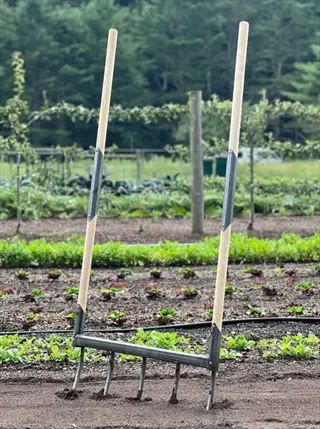
Broadfork
- Function: Aerates soil 12 inches (30 cm) deep without disturbing layers
- Usage: Insert tines; step on crossbar to lift soil before planting
- Benefit: Improves root penetration and oxygen flow in compacted earth
- Selection Tip: Choose 30-inch (76-cm) wide models with dual handles
- Maintenance: Clean soil off after use; oil joints twice per season
- Depth Requirement: Reaches 12 inches (30 cm) for proper squash root development
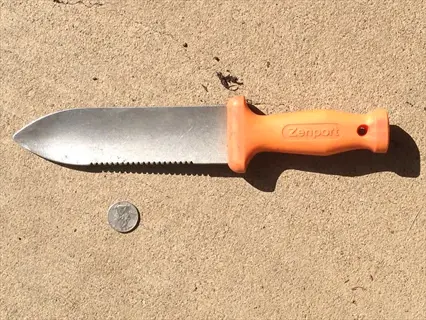
Hori-Hori Knife
- Function: Multi-purpose tool for planting, weeding, and harvesting
- Usage: Dig 1-inch (2.5-cm) deep seed holes; cut stems cleanly at harvest
- Benefit: Serrated edge slices through tough squash stems effortlessly
- Selection Tip: Stainless steel blade with measurement markings ideal
- Maintenance: Sharpen monthly; disinfect with alcohol after pruning
- Harvest Use: Makes clean cuts 1 inch (2.5 cm) above squash fruits

Compost Thermometer
- Function: Monitors compost temperatures during decomposition
- Usage: Insert 18 inches (45 cm) into pile center; check daily
- Benefit: Ensures 130-150°F (54-65°C) for pathogen elimination
- Selection Tip: 20-inch (50-cm) stem with large dial for easy reading
- Maintenance: Rinse after each use; calibrate in ice water annually
- Safety Range: Maintains temperatures that kill weed seeds and diseases
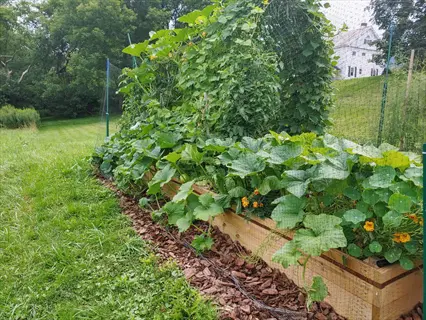
Trellis System
- Function: Supports vining squash varieties for vertical growth
- Usage: Install 6-foot (1.8-m) tall structures before planting
- Benefit: Increases yield per square foot by 300% in small spaces
- Selection Tip: Heavy-duty steel or cedar with 6-inch (15-cm) grid openings
- Maintenance: Inspect for rust; reinforce anchors before fruiting season
- Load Capacity: Must support 15 lbs (6.8 kg) per vine when fruiting
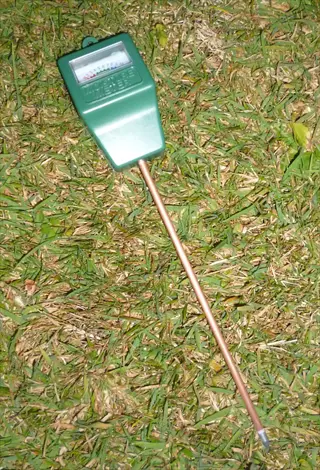
Soil Moisture Meter
- Function: Measures exact moisture at root level without guessing
- Usage: Insert probe 6 inches (15 cm) deep near plant base
- Benefit: Prevents over-watering that causes root rot in squash
- Selection Tip: Analog models don't require batteries for reliability
- Maintenance: Wipe probe clean; store in dry place between uses
- Ideal Range: Maintains 40-60% moisture during fruit development
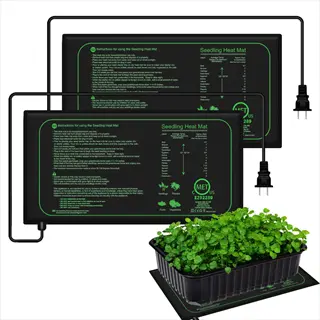
Seedling Heat Mat
- Function: Provides consistent bottom heat for indoor germination
- Usage: Place under seed trays; set to 85°F (29°C) for squash
- Benefit: Reduces germination time from 14 to 7 days on average
- Selection Tip: Waterproof mats with thermostats prevent overheating
- Maintenance: Wipe surface dry; roll for storage during off-season
- Energy Use: Consumes 20 watts per 10x20 inch (25x50 cm) tray

Garden Journal
- Function: Records planting dates, varieties, and harvest results
- Usage: Note daily observations and weather impacts on squash
- Benefit: Tracks success rates for future planting improvements
- Selection Tip: Waterproof paper with pre-printed data sections
- Maintenance: Store indoors; use waterproof ink for longevity
- Key Metrics: Log germination rates, pest issues, and yield per plant
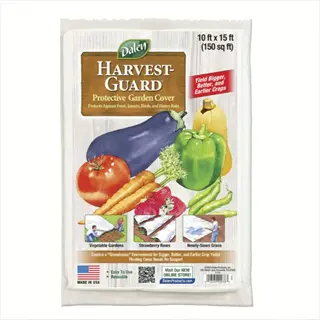
Floating Row Cover
- Function: Protects young plants from pests and light frost
- Usage: Drape over hoops; secure edges with soil or weights
- Benefit: Increases soil temperature by 10-15°F (5.5-8°C)
- Selection Tip: 0.5 oz (14 g) weight allows 85% light transmission
- Maintenance: Hand wash mild soap; air dry before storage
- Removal: Lift during flowering for pollination access by bees
Pollination and Plant Management
Male flowers have slender stems and pollen-stained flower centers, while female blossoms have mini-sized fruit. Males appear first in small clusters, and females follow with single flowers. You must identify and recognize both to achieve successful pollination. Visit your plants daily during the open blossom period.
Pollinate early in the morning when the pæonia flowers are fully expanded, before 10 o'clock, with a feather or small soft brush, transferring the pollen from the male flower to the stigma of the female. If this is not done before that time, the flowers close up, becoming non-productive; the pollen will not remain viable for long in hot weather.
Prune weekly to remove leaves touching the soil. This helps to prevent squash bugs and their eggs. Cut hollow stems where the borers enter. Do not forget to sterilize your tools with rubbing alcohol between cuts. Good airflow from pruning prevents powdery mildew. Remove infected foliage.
Train vines in circles on the ground from landscape pins, allowing 8 feet in diameter for each plant. Make trellises 6ft high for upright growth before planting, and weave the young tendrils skyward, using stretchy nets in which to support heavy fruits, if you wish to create a proper mechanism for a limited space.
Male Flowers
- Appearance: Bright yellow blossoms with long slender stems and visible pollen-covered anthers
- Timing: Emerge first on plants 35-45 days after planting, often in clusters
- Function: Produce pollen for fertilizing female flowers but do not develop fruit
- Lifespan: Open for one day before wilting, typically in early morning hours
- Harvest Note: Safe to pick for culinary use without reducing yield
Female Flowers
- Appearance: Similar yellow petals but with swollen base resembling miniature fruit
- Timing: Appear 7-10 days after male flowers, often singly on stems
- Function: Develop into squash fruits when pollinated within 24 hours
- Indicator: Base enlarges rapidly after successful pollination
- Vulnerability: Require protection from heavy rain during pollination window
Flower Bud Development
- Stage 1: Small green buds form at leaf axils 30 days after planting
- Stage 2: Buds swell and show yellow pigment 24-48 hours before opening
- Stage 3: Fully open flowers at dawn with maximum pollen viability
- Indicator: Healthy buds have firm texture and vibrant color
- Problem Sign: Soft/drooping buds indicate water stress or nutrient deficiency
Pollination Window
- Optimal Time: 6-10 AM when humidity is high and flowers fully open
- Temperature Range: 70-85°F (21-29°C) for peak pollen viability
- Duration: Pollen remains viable for 4-6 hours after flower opening
- Weather Impact: Rain washes away pollen; heat above 90°F (32°C) reduces fertility
- Extension Tip: Shade plants during heatwaves to prolong pollination window
Post-Pollination Fruit Set
- Success Signs: Female flower base swells within 24 hours of pollination
- Growth Rate: Fruits gain 1-2 inches (2.5-5 cm) length daily in ideal conditions
- Abortion Causes: Temperature fluctuations or water stress in first 72 hours
- Protection: Cover newly pollinated fruits with breathable fabric for 3 days
- Monitoring: Check daily for uniform shape and color development
Weekly Pruning Protocol
- Objective: Remove non-fruiting stems to concentrate plant energy
- Tools: Sterilized pruners dipped in rubbing alcohol solution
- Targets: Cut hollow stems touching soil and older yellowing leaves
- Frequency: Every 7 days starting when first flowers appear
- Safety: Wear gloves to avoid skin irritation from plant bristles
Ground Sprawling Method
- Application: For vining squash varieties in open garden spaces
- Technique: Train vines in circular pattern using landscape pins
- Spacing: Allow 8-10 feet (2.4-3 m) diameter per plant
- Benefit: Prevents stem breakage and improves air circulation
- Maintenance: Lift developing fruits onto wooden boards
Vertical Training System
- Structure: Install 6-8 ft (1.8-2.4 m) A-frame trellis before planting
- Training: Weave young vines upward; secure with soft plant ties
- Fruit Support: Use stretchy netting for fruits heavier than 3 lbs (1.4 kg)
- Variety Suitability: Best for smaller winter squash like Delicata
- Density: Space plants 3 feet (0.9 m) apart at trellis base
Container Management
- Pruning Focus: Remove all lateral stems below 12 inches (30 cm)
- Support: Use tomato cages for bush varieties in large pots
- Rotation: Turn containers weekly for even sun exposure
- Yield Control: Limit to 4-5 fruits per plant for quality
- Watering Adjustment: Increase to daily in temperatures above 85°F (29°C)
Pest-Focused Pruning
- Prevention: Remove leaves showing early signs of powdery mildew
- Egg Removal: Cut stems with clustered squash bug eggs immediately
- Vine Borer Defense: Prune lower 18 inches (45 cm) of stems completely
- Sanitation: Dispose of cuttings in sealed bags, not compost
- Timing: Conduct pest inspections during cool morning hours
Harvesting and Storage Techniques
Harvest summer squash, such as zucchini, when it is 4 to 8 inches long, and the skin gives slightly to fingertip pressure. Winter types typically have hard rinds that resist being scratched with a fingernail and are often dull in color. Pick the summer types every couple of days until frost. Don't pick the winter types until the vine looks full and mature, before the first frost.
Cure winter squash at 80-85°F (27-29°C) and 80% humidity for 10-14 days, separating the fruits on racks and rotating them daily to prevent contact. The stems shrivel, and the skins harden in this way. Starch is transformed into sugar during the process, resulting in a more flavorful fruit. Do not wash before curing.
Store summer squash in perforated bags at 40-45°F (4-7°C). Winter types require storage in a basement or root cellar at 50-55°F (10-13°C). In warm climates, wrap each separately in newspaper and store in a dark cupboard. Always inspect for soft spots monthly.
Do not stack squash or store them in sealed containers; this causes moisture to accumulate, trapping the squash and causing rot. Never store damaged fruits; not only will the 'bad' fruit spoil the stack, but it will also spoil whatever is touching it. Never put winter squash into storage without curing; I learnt this the hard way when mould destroyed a proportion of the crop. Keep varieties stored separately.
Optimal Harvest Timing
- Size: Pick when fruits reach 4-8 inches (10-20 cm) long for ideal tenderness
- Skin Test: Skin should yield slightly to thumbnail pressure but not dent
- Frequency: Harvest every 2-3 days to prevent over-maturity and boost production
- Morning Advantage: Cut stems during cool morning hours for maximum crispness
- Warning Sign: Hard seeds indicate delayed harvest; discard oversized fruits
Proper Harvesting Technique
- Tool Use: Clean pruning shears or sharp knife sterilized with rubbing alcohol
- Stem Length: Leave 1 inch (2.5 cm) stem attached to prevent fruit end rot
- Handling Tip: Support fruit with free hand while cutting to avoid bruising
- Field Cleaning: Wipe dirt with dry cloth; never wash before short-term storage
- Immediate Use: Consume within 1-2 days for peak flavor and nutrient retention
Short-Term Storage Methods
- Refrigeration: Store in perforated bags at 40-45°F (4-7°C) for 7-10 days
- Humidity Control: Maintain 85-90% humidity with damp paper towels in containers
- Avoid Stacking: Place single layer in crisper drawer to prevent bruising
- Ethylene Alert: Keep away from apples/bananas to delay softening
- Check Daily: Remove any fruits showing soft spots or mold immediately
Freezing Preservation
- Blanching: Boil sliced squash 3 minutes, then ice bath for texture preservation
- Drying: Pat dry thoroughly before freezing to prevent ice crystal damage
- Packaging: Use vacuum-sealed bags or airtight containers removing all air
- Portioning: Freeze in 1-cup (240 ml) batches for recipe-ready portions
- Shelf Life: Maintains quality for 10-12 months at 0°F (-18°C)
Dehydrating Techniques
- Preparation: Slice ¼ inch (0.6 cm) thick; blanch for color retention
- Temperature: Dry at 125°F (52°C) for 8-12 hours until brittle
- Storage: Keep in glass jars with oxygen absorbers in dark pantry
- Rehydration: Soak in water 20 minutes before use in soups/stews
- Shelf Life: 12-18 months when moisture content below 10%
Maturity Indicators
- Rind Test: Skin resists fingernail scratching; appears dull not glossy
- Stem Change: Stems turn hard and brown with corky texture
- Vine Status: Nearby vines start yellowing and drying naturally
- Color Depth: Varietal colors intensify (e.g., butternut tan deepens)
- Timing: Harvest before first frost; 90-120 days after planting
Field Harvest Protocol
- Cutting Method: Use loppers to sever stem 2-4 inches (5-10 cm) from fruit
- Handling Tip: Carry from bottom, never by stem to avoid detachment
- Field Curing: Leave in sun 3-7 days if weather permits no frost/rain
- Cleaning: Dry-brush soil; never wash before curing process
- Damage Check: Discard fruits with cuts or soft spots immediately
Curing Process
- Location: Well-ventilated area at 80-85°F (27-29°C) with 80-85% humidity
- Arrangement: Space fruits apart on racks without touching
- Duration: Cure 10-14 days until stems shrivel and skin hardens
- Turning: Rotate fruits daily for even curing
- Completion Test: Skin cannot be pierced with thumbnail
Long-Term Storage Setup
- Ideal Conditions: 50-55°F (10-13°C) with 50-70% humidity
- Storage Options: Unheated basements, root cellars, or cool closets
- Arrangement: Single layer on shelves; never stack or use plastic bags
- Monitoring: Check monthly for soft spots; remove affected fruits
- Maximize Airflow: Use slatted wood shelves over solid surfaces
Alternative Storage Solutions
- Warm Climates: Wrap individually in newspaper in darkest cupboard
- Freezing: Cook, puree, and freeze in 2-cup (480 ml) portions
- Canning: Pressure-can cubed squash at 11 PSI for 90 minutes
- Cellaring: Bury in dry sand in insulated boxes for frost protection
- Record Keeping: Label varieties with harvest dates for usage rotation
Improper Curing
- Mistake: Skipping curing process for winter squash
- Consequence: Rapid mold development and internal rot
- Solution: Always cure 10-14 days at 80-85°F (27-29°C)
- Prevention: Verify skin hardness with thumbnail test
- Risk Level: High for all uncured winter squash
Inadequate Ventilation
- Mistake: Stacking squash or using sealed containers
- Consequence: Trapped moisture accelerates decay
- Solution: Store in single layer with 2-inch (5-cm) spacing
- Prevention: Use slatted shelves for optimal airflow
- Monitoring: Check for condensation weekly
Temperature Fluctuations
- Mistake: Storing in garages or uninsulated spaces
- Consequence: Chilling injury below 50°F (10°C) or premature sprouting
- Solution: Maintain consistent 50-55°F (10-13°C)
- Prevention: Use wireless temperature monitors
- Critical Range: Avoid storage below 40°F (4°C)
Ignoring Damage
- Mistake: Storing bruised or cut fruits
- Consequence: One damaged squash spoils entire batch
- Solution: Process damaged fruits immediately
- Prevention: Inspect with flashlight before storage
- Handling Tip: Never drop fruits during harvest
Mixing Varieties
- Mistake: Storing different types together
- Consequence: Ethylene from some varieties speeds decay
- Solution: Separate varieties in labeled containers
- Prevention: Use dividers between squash types
- High Ethylene: Acorn and spaghetti squash
Troubleshooting Quick Fixes
Treat high-priority issues promptly if your plants wilt suddenly. The vine borer, which kills plants seemingly overnight, enters the stem. Cut it open and remove the larvae with tweezers to resolve this issue naturally. Spinosad can also be applied at a rate of 4 oz/gal (120 ml/4 L) for chemical treatment. Wrap stems with foil.
For medium-severity problems, such as powdery mildew, use a baking soda spray. Mix 1 teaspoon (5 mL/L) per quart of water and apply once a week. As for chemical options, look for sulfur dust. Improve air circulation by pruning the plants. Remove infected leaves as soon as the disease is first sighted. This will prevent the disease from spreading.
For yellowing leaves, apply fish emulsion at the rate of 2 tablespoons per gallon (30 ml per 4 L) of water. That's a sign of a nitrogen deficiency. Regular growers also use a balanced 10-10-10 fertilizer. Check the soil pH level once a year. Fix your plants before problems happen; I did.
Stop squash bugs with dollops of "Dawn," by careful handpicking or cardboard traps. Spray with pyrethrin at 4 oz/gal (120 ml/4 L) for heavy infestations. Plant resistant varieties such as "Buttercup." Clear away debris so that they have no places to hide. Remember: prevention is better than cure!
Squash Bugs
- Identification: Flat gray insects with orange stripes; cluster under leaves
- Organic Control: Handpick daily; trap with cardboard placed overnight
- Chemical Option: Spray pyrethrin at dawn covering leaf undersides
- Prevention: Plant resistant varieties like 'Buttercup'
- Application Rate: 4 oz/gal (120 ml/4 L) every 5 days during infestation
Vine Borers
- Identification: Frass at plant base; wilting despite watering
- Organic Control: Slit stem with razor; remove larvae; bury stem section
- Chemical Option: Apply spinosad to base stems at planting
- Prevention: Wrap lower stems with aluminum foil
- Treatment Window: Early morning when larvae are active
Cucumber Beetles
- Identification: Yellow-green beetles with black spots/spines
- Organic Control: Use row covers until flowering; sticky traps
- Chemical Option: Apply kaolin clay spray weekly
- Prevention: Interplant with radishes/tansy
- Spray Coverage: Coat stems and both leaf surfaces
Aphid Colonies
- Identification: Clusters of green/black insects on new growth
- Organic Control: Blast with water; release ladybugs
- Chemical Option: Insecticidal soap every 3 days
- Prevention: Avoid high-nitrogen fertilizers
- Mix Ratio: 2 tbsp soap/quart (30 ml/L) water
Slugs/Snails
- Identification: Silvery trails; irregular holes in leaves
- Organic Control: Beer traps; diatomaceous earth rings
- Chemical Option: Iron phosphate bait pellets
- Prevention: Remove debris; water mornings only
- Bait Placement: 1 tsp bait/ft² (10 g/m²) around plants
Nitrogen (N)
- Symptoms: Pale leaves; stunted growth
- Quick Fix: Side-dress with blood meal ½ cup/ft² (240 ml/m²)
- Long-Term: Plant legume cover crops in off-season
- Caution: Avoid over-application causing lush growth attracting pests
- Timing: Apply at first true leaf stage
Calcium (Ca)
- Symptoms: Blossom end rot; distorted new leaves
- Quick Fix: Foliar spray calcium nitrate 1 tbsp/gal (15 ml/4 L)
- Long-Term: Add gypsum 1 lb/10 ft² (0.5 kg/m²) pre-planting
- Caution: Maintain soil pH 6.0-6.8 for availability
- Application: Spray evenings every 10 days
Magnesium (Mg)
- Symptoms: Yellowing between leaf veins
- Quick Fix: Epsom salt spray 2 tbsp/gal (30 ml/4 L)
- Long-Term: Incorporate dolomitic lime in acidic soils
- Caution: Excess magnesium locks out calcium
- Frequency: Every 14 days until corrected
Phosphorus (P)
- Symptoms: Purple stems; delayed fruiting
- Quick Fix: Root drench bone meal tea ¼ cup/gal (60 ml/4 L)
- Long-Term: Add rock phosphate during soil prep
- Caution: Cold soil reduces uptake; use warm water for solutions
- Soil Temp: Requires >60°F (15°C) for effectiveness
Potassium (K)
- Symptoms: Brown leaf edges; weak stems
- Quick Fix: Wood ash side-dressing 1 cup/ft² (480 ml/m²)
- Long-Term: Bury banana peels near roots
- Caution: Do not apply during drought stress
- Application: Water deeply after application
5 Common Myths
Squash plants require large open fields and cannot grow successfully in small spaces like containers or raised beds.
Bush squash varieties thrive in containers as small as 18 inches (45 cm) wide, producing full yields when provided with nutrient-rich soil and daily watering. Compact cultivars like 'Patio Star' zucchini are specifically bred for small-space gardening, demonstrating that square-foot gardening techniques can yield 6-10 fruits per plant without traditional farmland.
Daily shallow watering is necessary for optimal squash growth and fruit production throughout the season.
Deep, infrequent watering of 1-1.5 inches (2.5-3.8 cm) weekly promotes robust root systems that prevent rot and drought stress. Shallow daily watering encourages surface roots vulnerable to heat damage and increases powdery mildew risk by keeping foliage damp, whereas deep irrigation at soil level maintains consistent moisture 6 inches (15 cm) down where roots absorb nutrients most efficiently.
Every squash flower will naturally develop into a mature fruit if left undisturbed in the garden.
Male flowers dominate early growth stages and naturally drop after pollination duties, with only pollinated female flowers developing fruit. Environmental factors like temperatures above 90°F (32C) cause flower abortion, while insufficient pollination leads to malformed fruits that yellow and fall off within days regardless of flower type or plant health.
Frost will destroy all species of squash plants, from seedlings through mature plants, regardless of variety.
Frost protection from a 4 to 6 degree Fahrenheit (2-3 degree Celsius) frost cover can enable final varieties, such as 'Sweet Meat' to survive a frost at 32 degrees Fahrenheit (0 degrees Celsius). Mature plants, with hardened stems, can withstand light frost better than seedlings, as the harvested fruit will tolerate colder temperatures than the plants in the field can.
Larger squash fruits always offer superior flavor and texture compared to younger, smaller harvested specimens.
Summer squash develops tough skins and seedy interiors when overgrown, with optimal flavor occurring at 4-8 inches (10-20 cm) length. Winter squash requires full maturity for sweetness, but oversized fruits often have watery flesh and diminished storage life, whereas properly harvested specimens at varietal size peaks deliver concentrated sugars and dense textures.
Conclusion
Urban gardeners who are limited to balconies and other small yards can garden successfully through space-efficient techniques, such as planting bush varieties in containers and growing trellised vines. You'll be able to harvest a significant crop without needing a large plot of land. Choose an 18-inch pot for planting pattypan squash. Train your vertical growers up on your balcony railings. When space is at a premium, you can garden anywhere.
Critical windows for protecting healthy plants: Use row covers before blooming to deter borers. Spray neem oil spray early in the fruit development. Trim away any leaves touching the ground in late summer. Clear debris after harvest.
Keep a journal of when things were planted and when pests were sighted, of how the weather affected pollination, and what your yield was from each variety. Read your journal every winter. I increased my harvests by forty percent the first year I kept track of how plants responded to fertilization. Using your notes to help you will be the key to a successful tremor garden next year!
If you are new to gardening, start small with a container zucchini. Next season, try out hand pollination, and perhaps later experiment with vertical growing. Walk at your own pace because the road ahead begins with just one seed. Get it in the ground today.
External Sources
Frequently Asked Questions
How do you grow squash for beginners?
Start with disease-resistant bush varieties in containers using nutrient-rich soil. Provide full sun exposure and consistent deep watering while monitoring for common pests. Hand-pollinate flowers during morning hours for reliable fruit production.
What is the secret to growing abundant squash?
Successful cultivation requires proper spacing for air circulation, timely hand-pollination, and vigilant pest management. Maintain consistent soil moisture through drip irrigation and apply balanced organic fertilizer during key growth stages.
Are squash plants difficult to maintain?
Squash are moderately easy to grow but require specific care:
- Daily monitoring for pests like vine borers and squash bugs
- Consistent watering schedule preventing drought stress
- Regular harvesting to encourage continuous production
- Proper spacing for disease prevention
When should squash be planted for optimal growth?
Plant after all frost danger passes when soil temperatures reach suitable levels. Succession planting extends harvests through multiple growing cycles during the warm season.
How should squash be watered for maximum yield?
Provide deep irrigation at soil level approximately weekly, delivering adequate moisture without wetting foliage. Adjust frequency during extreme heat while maintaining consistent root-zone hydration.
What companion plants benefit squash growth?
Strategic companion planting improves squash health:
- Corn provides natural trellising for vining varieties
- Beans fix nitrogen in surrounding soil
- Radishes deter cucumber beetles
- Nasturtiums repel squash bugs
Should damaged squash leaves be removed?
Prune diseased or pest-infested foliage using sterilized tools to improve air circulation. Retain healthy leaves for photosynthesis and avoid over-pruning which stresses plants.
Do squash plants require full sunlight?
Squash demands direct sunlight for vigorous growth and fruit production. Insufficient light causes poor flowering and reduced yields, making shaded locations unsuitable.
What causes sudden squash plant collapse?
Common causes include vine borer infestations, fungal diseases from overcrowding, or irrigation issues. Prevent through crop rotation, proper spacing, and vigilant pest monitoring.
Can squash be grown in containers successfully?
Bush varieties thrive in appropriately sized containers with proper drainage. Ensure adequate soil volume, consistent watering, and monthly fertilization for productive container harvests.