
Forging the skill how to grow raspberries always pays off in pure fruits. Home-grown berries will always have far more flavour than the sodbury ones displayed for sale in supermarkets. Homespun produce, other things being equal, will always be more satisfactory than that from commercial sources; even if anything were to go wrong, we can always make it up in the end at little loss.
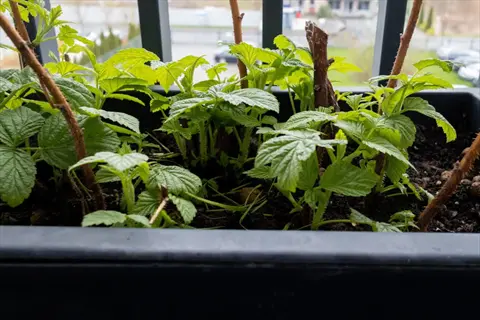
Starting with raspberries is easy, even for gardening novices. Raspberries will grow happily in a small space. In fact, they'll happily grow in containers on your patio. Or make the best use of garden corners. They require very little space, just plenty of sun and decent soil.
Raspberries are an easy crop to produce, but it takes education to succeed. Choose varieties suitable for your climate first, and then concentrate on planting techniques. With proper, consistent care, your plants will thrive and produce a bountiful yield. Wait for the berries to ripen before harvesting fully. Do that, and you will have juicy organic raspberries for your tailor.
Container Growing Tips
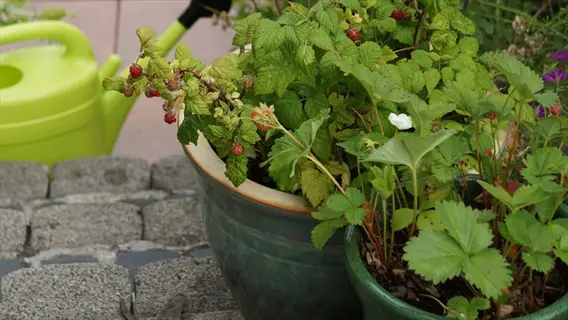
Growing raspberries in pots You can grow raspberries in pots. This is a space-saving method for increasing your berries. Ideal if you have a patio. Avoids the soil issues you cannot always control in a garden. However, you need to pay more attention to them, as pots dry out more quickly than ground soil, and you will need to water them regularly.
Choose pots that are a minimum of 16" wide (40cm) by 18" (45cm) deep; pots that are too small constrict the roots, while those that are too large can go thirsty. Plus, there's always the risk of poor drainage.
Opt for compact dwarf varieties for optimal results. Raspberry Shortcake only grows to less than 3 feet tall and produces sweet berries without thorns. Joan J has thornless canes, as well as larger-sized fruit, and Ruby Beauty is designed for small balconies. Each has a different flavor.
Watering requirements differ in pots: the soil needs to be touched daily in summer; and water should be given as soon as the topsoil is found dry, this will be about 1 inch (2.5cm) down. Some means of mulching, such as fresh peat, will help in preventing evaporation. Always place pots on the ground, and never leave them standing in a water trey.

Container Selection
- Minimum dimensions: 16 inches wide (40 cm) x 12 inches deep (30 cm) provides adequate space for root expansion and prevents constriction issues
- Drainage importance: Minimum 5 drainage holes prevents water accumulation that causes root rot in container-grown raspberries
- Material options: Lightweight plastic offers portability, terracotta provides breathability, fabric encourages root air-pruning for healthier development
- Winter protection: Wrap containers with bubble wrap when temperatures drop below 20°F (-6°C) to prevent root freezing damage
- Re-potting schedule: Replace soil and increase container size every 2-3 years to accommodate maturing root systems
- Elevation technique: Use pot feet to enhance drainage and avoid surface water damage on patios or decks
Soil and Watering
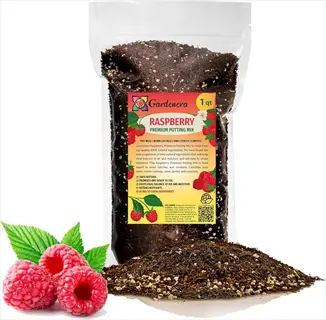
- Soil composition: Blend 2 parts potting soil, 1 part compost, 1 part perlite for optimal drainage and nutrient retention
- Moisture check: Insert finger 1 inch (2.5 cm) deep daily; water when soil feels dry to maintain consistent hydration
- Summer regimen: Water daily during fruiting; twice daily when temperatures exceed 85°F (29°C) to prevent drought stress
- Automated systems: Install self-watering reservoirs for consistent moisture during travel or heat waves
- Mulching benefits: Apply 1 inch (2.5 cm) pine bark mulch to reduce evaporation and maintain cool root temperatures
- pH management: Test monthly with meter; maintain 5.6-6.2 using coffee grounds for acidity or lime for alkalinity

Feeding and Location
- Balanced fertilizer: 10-10-10 NPK monthly during growing season (April through September)
- Organic alternatives: Fish emulsion every 2 weeks or monthly compost tea applications
- Sun requirements: Minimum 6 hours direct sunlight; rotate weekly for even growth patterns
- Wind protection: Position against walls or use trellis as windbreak in exposed areas
- Winter positioning: Move to south-facing walls for maximum light during shorter days
- Fruiting support: Install bamboo stakes for heavy-laden canes to prevent breakage
Variety Choices
- Ruby Beauty: Compact variety reaching 2-3 feet (60-90 cm) with bright red berries
- Raspberry Shortcake: Thornless type ideal for families with children and pets
- Yummy: Early producer with large sweet berries in small 3-foot (90 cm) plants
- Glencoe: Purple variety offering unique flavor and compact growth habit
- Valentina: Yellow raspberry with exceptional sweetness in container-friendly size
- Twotimer: Everbearing type producing summer and fall crops in limited space
Pruning Techniques
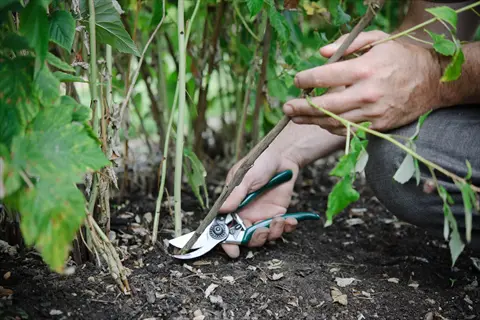
- Annual pruning: Remove all canes that fruited the previous season at ground level
- Thinning method: Keep 4-5 strongest new canes per container for optimal production
- Height control: Trim canes to 3-4 feet (90-120 cm) to prevent wind damage
- Dormant pruning: Best performed in late winter before new growth emerges
- Tool selection: Use sharp bypass pruners sterilized with rubbing alcohol
- Tip pruning: Encourage bushier growth by pinching new canes at 24 inches (60 cm)
Feeding and Placement
- Nutrient schedule: Apply 10-10-10 NPK fertilizer monthly during active growth period from April through September
- Organic options: Use fish emulsion biweekly or monthly compost tea applications for chemical-free nutrition
- Sun exposure: Position for minimum 6 hours direct sunlight; rotate weekly for uniform plant development
- Wind mitigation: Place containers against walls or install trellises to shield canes from damaging gusts
- Winter positioning: Move to south-facing locations during cold months to maximize light absorption
- Support structures: Install bamboo stakes to prevent fruit-laden canes from breaking under weight
Dwarf Varieties
- Ruby Beauty: Compact 2-3 foot (60-90 cm) plants yielding bright red berries ideal for small spaces
- Raspberry Shortcake: Thornless cultivar perfect for families with children and pet-friendly gardens
- Yummy: Early producer with large sweet berries on manageable 3-foot (90 cm) canes
- Glencoe: Purple-fruited variety offering unique flavor in space-efficient growth form
- Valentina: Yellow raspberry with exceptional sweetness in container-adapted size
- Twotimer: Everbearing type producing dual crops on compact 4-foot (120 cm) canes
Pruning Methods
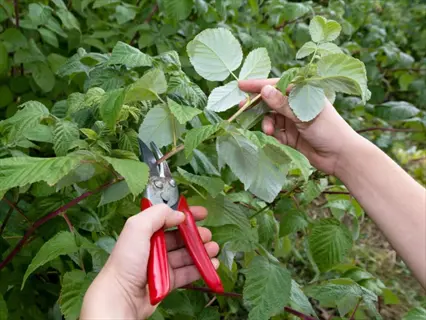
- Annual removal: Cut spent floricanes to ground level after harvest to redirect plant energy
- Cane selection: Maintain 4-5 strongest primocanes per container to optimize air circulation
- Height management: Trim canes to 3-4 feet (90-120 cm) to prevent wind damage in exposed areas
- Dormant timing: Prune in late winter before bud break using sterilized bypass pruners
- Tool hygiene: Disinfect blades with rubbing alcohol between plants to prevent disease spread
- Tip control: Pinch new growth at 24 inches (60 cm) to encourage lateral branching
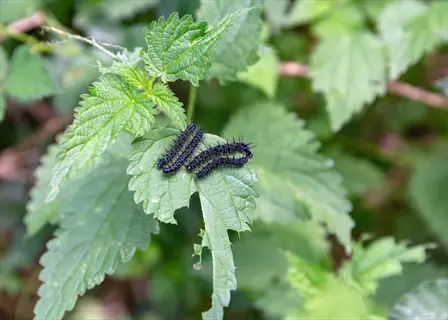
Pest Solutions
- Japanese beetle control: Hand-pick beetles early morning into soapy water solution daily
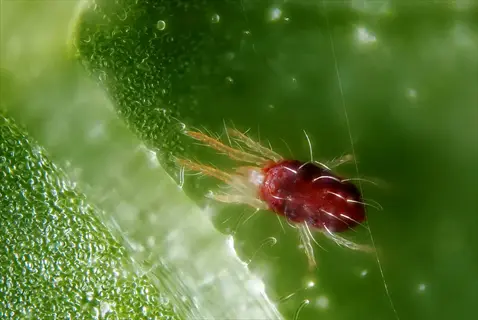
- Spider mite management: Spray foliage with strong water jets weekly to disrupt infestations
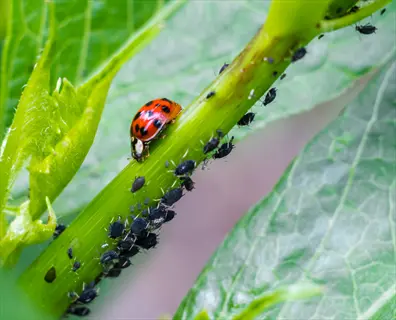
- Aphid prevention: Introduce ladybugs or apply neem oil every 10 days during growth season
- Sanitation practices: Remove fallen debris regularly to eliminate pest breeding grounds
- Companion planting: Grow chives or garlic nearby to deter insects with natural repellents
- Organic treatment: Use insecticidal soap for severe infestations while protecting pollinators
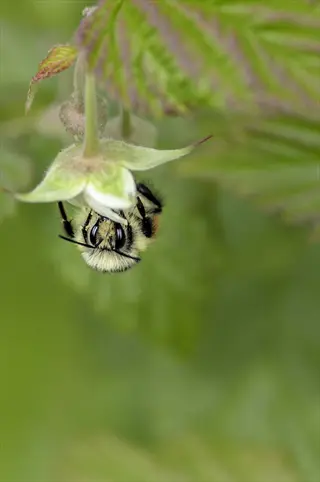
Pollination Enhancement
- Self-fertile nature: Most varieties fruit without pollinators but benefit from bee activity
- Attractant plants: Position lavender or borage near containers to draw beneficial insects
- Manual assistance: Gently transfer pollen with soft brush if growing in sheltered locations
- Pesticide caution: Avoid sprays during flowering period to protect visiting pollinators
- Wind utilization: Place containers where breezes facilitate natural pollen distribution
- Spacing importance: Allow air movement between pots to improve pollination efficiency
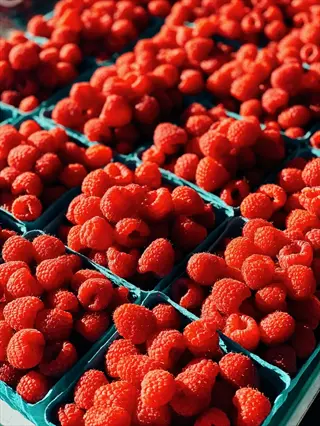
Harvest Periods
- Initial yield: Expect light production in late summer when planting early-season varieties
- Peak seasons: Maximum harvest occurs years 2-5 from midsummer through autumn months
- Ripeness indicators: Berries detach easily when fully colored with gentle pressure
- Collection frequency: Pick every 2-3 days during peak season to prevent overripening
- Optimal timing: Harvest during cool morning hours to extend berry shelf life
- Post-harvest care: Water deeply after picking to support subsequent fruit development
Seasonal Management
- Spring initiation: Apply fertilizer at first bud break and gradually increase watering frequency
- Summer protection: Provide afternoon shade when temperatures exceed 90°F (32°C)
- Fall preparation: Reduce fertilization in September to harden canes for winter dormancy
- Winter storage: Move pots to sheltered locations in zones below USDA hardiness 5
- Frost response: Cover plants with protective cloth during unexpected late-spring frosts
- Light optimization: Rotate containers quarterly to ensure balanced sun exposure
Problem Resolution
- Yellow foliage: Signals overwatering or nitrogen deficiency; adjust irrigation and fertilize
- Low yield: Results from insufficient sunlight or improper pruning; relocate or thin canes
- Root-bound symptoms: Repot into larger containers with fresh soil when growth stalls
- Winter damage: Apply extra mulch and wind protection if significant cane dieback occurs
- Pest recurrence: Introduce beneficial insects like lacewings for natural pest control
- Nutrient depletion: Replace top 3 inches (7.5 cm) of soil annually to replenish minerals
Pest and Bird Management
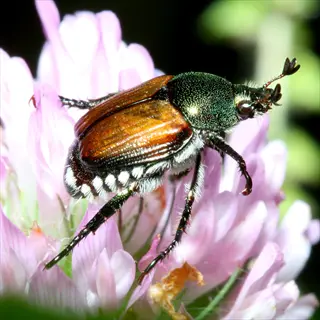
Protect raspberries and blackberries, especially, from ravenous Japanese beetles; pick them off by hand in the early morning and drop them into a soap solution. Spray the bushes once a week with a solution of a neat, though strong, oil from the neem family; this will tend to break up their feeding and breeding cycles. Attract ladybugs and other beneficial insects to the planting to keep their numbers down and reduce the aphid population.
Install physical barriers correctly. Drape 3/4-inch (19 mm) mesh nets over frames, leaving 12 inches (30 cm) of clear space above canes. Use floating row covers weighted with soil. Make copper tape barriers 4 inches (10 cm) wide around pots. These deter birds and crawling pests.
Use previous deterrents as behavioral ones. Hang old CDs every 6 feet (1.8 m) in a row. Place owl decoys with rotating heads to scare them, and set up alternative feeders 30 feet (9 m) away. They are confused by objects that reflect light when they are most active.
Timing your defenses and the fruiting seasons. When covering your plants, bolt shut and fortify the enclosure at least two weeks before berry ripening in early summer to maximize your yield. And again, every 7 days for neem application during the July beetles. Pull the netting long enough to allow for harvesting. Then renew your defenses.
Japanese Beetles
- Hand removal: Collect beetles early morning when sluggish into soapy water daily during July-August peak season when temperatures are below 60°F (15°C)
- Neem oil spray: Apply 2% solution every 7 days coating both leaf surfaces to disrupt feeding cycles and prevent larvae development
- Trap placement: Position pheromone traps 30 feet (9 meters) away from plants using poles 5 feet (1.5 meters) high to avoid attracting more beetles
- Beneficial nematodes: Water soil with Heterorhabditis bacteriophora species to target grubs in larval stage during early spring soil temperatures above 55°F (13°C)
- Companion plants: Grow catnip or chives 18 inches (45 cm) from raspberry rows to repel beetles with natural aromatic compounds
- Row covers: Install floating fabric barriers during June-August allowing light penetration while blocking pests using hoops 3 feet (90 cm) high
Spider Mites
- Water spray: Blast undersides of leaves with strong water jet every 3 days during dry spells using pressure settings of 40-60 psi
- Predatory mites: Introduce Phytoseiulus persimilis at first sign of webbing releasing 1 predator per 10 infected leaves weekly
- Neem treatment: Apply 1.5 ounces (44 milliliters) neem oil per gallon weekly with thorough coverage of leaf undersides
- Humidity control: Maintain 40-50% humidity around plants using pebble trays filled with 1 inch (2.5 cm) water depth
- Weed management: Eliminate weeds within 3 feet (90 centimeters) of plants using hand-pulling or organic mulch barriers
- Dormant oil: Spray horticultural oil before bud break at temperatures between 40-70°F (4-21°C) to suffocate overwintering eggs
Aphids
- Ladybug release: Apply 1,500 ladybugs per 1,000 square feet (93 square meters) at first aphid sighting during cool evenings
- Soap spray: Mix 5 tablespoons (74 milliliters) Castile soap per gallon applying every 5 days for 3 consecutive weeks
- Reflective mulch: Lay aluminum strips 24 inches (60 cm) wide between rows to disorient winged aphids during spring migration
- Ant barriers: Apply sticky tape 4 inches (10 cm) wide around cane bases to prevent ants from farming colonies
- Beneficial plants: Interplant with nasturtiums 12 inches (30 cm) from raspberries to attract aphids away from canes
- Winter sanitation: Remove all leaf litter within 4 feet (1.2 meters) of plant bases where aphid eggs overwinter

Birds
- Netting installation: Drape 3/4-inch (19 millimeter) mesh nets over PVC frames 12 inches (30 centimeters) above canes
- Temporal coverage: Install nets 2 weeks before ripening and maintain until final harvest removing daily for picking
- Reflective deterrents: Hang old CDs or flashing tape every 6 feet (1.8 meters) along rows at 5-foot (1.5-meter) height
- Decoy predators: Place owl statues with rotating heads every 20 feet (6 meters) changing positions weekly
- Alternative feeding: Set up bird feeders 30 feet (9 meters) away stocked with sunflower seeds during fruiting season
- Harvest timing: Pick berries before 9 AM when birds are less active using shallow containers to prevent crushing
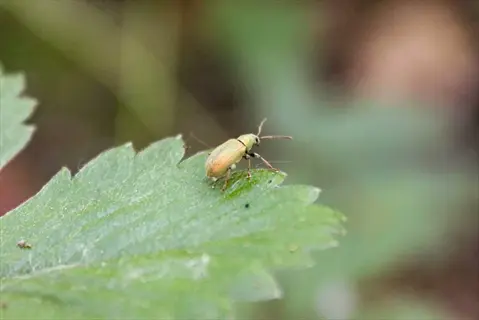
Raspberry Fruitworms
- Spring cultivation: Till soil 4 inches (10 centimeters) deep around plants in March to expose overwintering larvae
- Kaolin clay: Spray 1 pound (454 grams) per gallon forming protective barrier on developing fruit every 10 days
- Pheromone traps: Use 1 trap per 50 feet (15 meters) of row at 4-foot (1.2-meter) height to monitor adults
- Early harvest: Pick berries when pink before full softness develops to avoid worm-infested fruit
- Sanitation: Remove and solarize fallen berries in clear plastic bags for 6 weeks to break life cycle
- Biological control: Apply spinosad during bloom at 4 ounces (118 milliliters) per gallon water temperature 60-80°F (16-27°C)
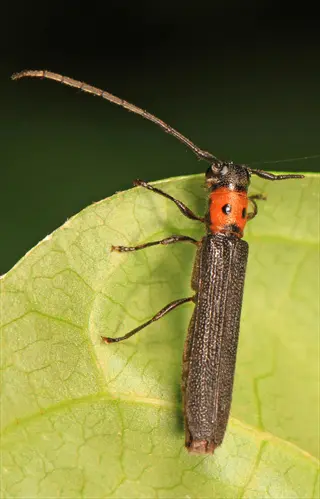
Cane Borers
- Pruning inspection: Remove wilted tips 6 inches (15 centimeters) below visible girdling damage using sterilized shears
- Beneficial nematodes: Apply Steinernema carpocapsae to soil in early spring at soil temperatures above 55°F (13°C)
- Physical barriers: Wrap cane bases with paper tape during egg-laying period (May-June) removing after 6 weeks
- Pesticide alternative: Use pyrethrin spray at first adult sighting before egg deposition during calm mornings
- Companion deterrents: Plant tansy 18 inches (45 cm) from raspberries to repel female beetles seeking egg sites
- Winter sanitation: Burn all pruned canes in metal containers to eliminate overwintering larvae completely
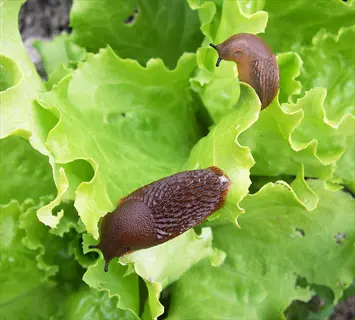
Slugs and Snails
- Beer traps: Sink containers filled with yeast water at soil level near plants refreshing every 48 hours
- Copper barriers: Apply 4-inch (10 centimeter) wide copper tape around container rims creating continuous circuit
- Diatomaceous earth: Dust 1/4-inch (6 millimeter) wide perimeter reapplying after rain or irrigation
- Night patrol: Hand-pick with flashlight 2 hours after dusk wearing gloves and dropping into soapy water
- Habitat reduction: Remove boards and debris within 10 feet (3 meters) of plants weekly
- Predator encouragement: Create toad shelters using overturned clay pots with 3-inch (7.5 cm) entrance holes
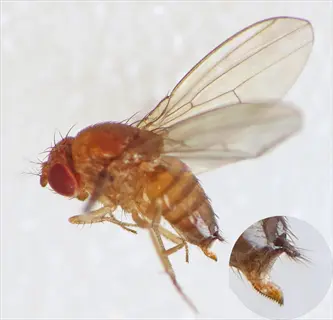
Spotted Wing Drosophila
- Vinegar traps: Hang red-capped bottles with apple cider vinegar changing solution weekly during fruiting
- Early harvest: Pick berries daily when first blush appears before full softening occurs
- Refrigeration: Chill berries immediately at 34°F (1°C) for 48 hours in sealed containers
- Netting density: Use 0.98 mm (0.04 inch) mesh nets sealed at ground level with soil weights
- Sanitation: Freeze fallen fruit for 48 hours or solarize in clear bags for 6 weeks
- Natural sprays: Apply 1% garlic oil solution during ripening phase using pump sprayers every 5 days
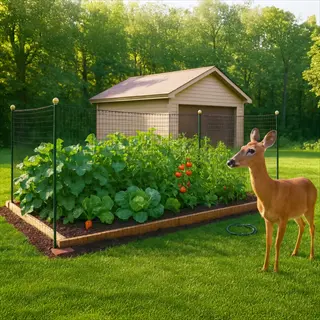
Deer Protection
- Fencing height: Install 8-foot (2.4 meter) woven wire barriers with 6-inch (15 cm) buried edges
- Repellent rotation: Alternate egg-based and predator urine sprays every 3 weeks during growing season
- Motion sprinklers: Position infrared-activated devices 3 feet (90 cm) high facing deer approaches
- Companion deterrents: Plant deer-resistant lavender perimeter 3 feet (90 cm) from berry patches
- Night lighting: Install solar-powered strobe lights near vulnerable edges activating at dusk
- Electric fencing: Use 2 strands at 18 inches (45 cm) and 36 inches (90 cm) heights with 5000-volt chargers
Integrated Prevention Plan
- Monitoring schedule: Inspect plants every Tuesday and Friday mornings during May-September growing months
- Trap rotation: Change pheromone lures every 4 weeks maintaining detailed records of catches
- Soil health: Apply 2 inches (5 centimeters) compost annually in early spring to boost plant immunity
- Companion matrix: Plant garlic, marigolds, and basil in alternating rows 12 inches (30 cm) from canes
- Water management: Use drip irrigation maintaining 1 inch (2.5 cm) weekly water depth at soil level
- Record keeping: Maintain pest journal documenting outbreaks and successful countermeasures weekly
Harvesting and Storage
How to tell if raspberries are ripe: 1. Deep and uniform color only, no green tips lingering. 2. They should come off easily with a gentle tug. 3. They should be slightly squishy in texture when you squeeze them. 4. A test or two by the tongue yields berry-kissed confirmation that the grape is as sweet as it is tart, i.e., delicious!
Cool fresh berries at 32-34°F (0-1°C) in ventilated containers, separated by layers of paper towelling. Store in a store with high humidity (90-95%). Wash just before using. Do not place close to apples or other ethylene-producing fruits. This will retain their quality for 3-5 days.
Preserve excess harvest by freezing or canning the berries. Freeze in a single layer and then place in a bag. Add sugar for flavor and to prevent textural damage during thawing. Can them as you would apples; use a 1:1 ratio of berries to sugar. Dehydrate at 135° F (57° C) for chewy fruit bites. Each preserving method is suited for specific uses.
Solve common storage challenges. Prevent mold spores and ensure berries stay dry by keeping them away from moisture. Avoid freezer burn by storing in airtight containers. Never thaw frozen berries at room temperature; let them thaw slowly in the fridge. Add ascorbic acid to unpacked frozen berries to stop discoloration, or sprinkle it over other fruits. Fix crystallization in sugar packs by dissolving them in corn syrup.
Ripeness Indicators
- Color development: Fully developed hue with no green tinges (red varieties turn deep ruby, yellow varieties golden)
- Texture test: Berries detach easily with gentle tug leaving receptacle on plant
- Plumpness: Firm but slightly yielding texture when lightly squeezed between fingers
- Flavor check: Sweet aroma with balanced tartness when sampled before full harvest
- Size consistency: Uniform berry size within clusters indicating even ripening
- Stem attachment: Clean separation without tearing when berries are ready
Harvesting Methods
- Timing: Harvest during cool morning hours between 6-9 AM to preserve firmness
- Frequency: Pick every 2 days during peak season to prevent overripening on canes
- Technique: Use thumb and forefinger to roll berries off stems gently
- Container choice: Use shallow 2-inch (5 cm) deep baskets to avoid berry crushing
- Field handling: Avoid stacking containers more than two layers deep
- Sanitation: Clean harvesting containers daily with vinegar solution
Immediate Post-Harvest
- Field cooling: Move berries to shade immediately after picking to slow respiration
- Sorting: Remove damaged or moldy berries within 30 minutes of harvest
- Cleaning protocol: Rinse briefly under cold running water only before consumption
- Moisture control: Pat dry with paper towels if washing before refrigeration
- Quality sorting: Grade berries by size for different preservation methods
- Temperature stabilization: Keep in cool area below 50°F (10°C) before storage
Short-Term Storage
- Refrigeration: Store unwashed at 32-34°F (0-1°C) with 90-95% humidity
- Container type: Use ventilated plastic clamshells with paper towel lining
- Shelf life: Consume within 3-5 days for optimal flavor and texture
- Ethylene management: Keep separate from apples or bananas to prevent premature spoilage
- Humidity packs: Include silica gel packets to absorb excess moisture
- Positioning: Store in refrigerator crisper drawer away from airflow vents
Long-Term Preservation
- Freezing method: Spread berries in single layer on baking sheet before bagging
- Sugar pack: Toss with 3/4 cup sugar per quart before freezing for better texture
- Syrup pack: Submerge in 40% sugar solution (4 cups water : 3 cups sugar : 1/4 tsp citric acid)
- Vacuum sealing: Remove air completely before freezing at 0°F (-18°C)
- IQF technique: Individual quick freeze at -40°F (-40°C) for commercial quality
- Acid balance: Maintain pH below 4.2 in preserves with lemon juice or citric acid
Processing Techniques
- Jam preparation: Use 1:1 berry-to-sugar ratio with pectin for proper gel set
- Dehydration: Dry at 135°F (57°C) for 8-10 hours until leathery but pliable
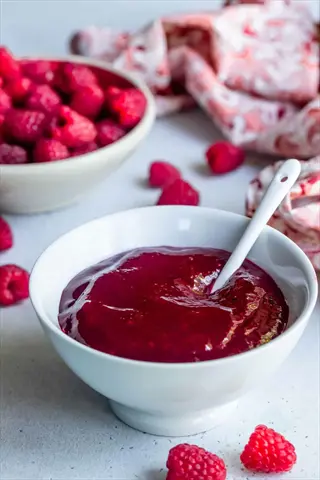
- Pureeing: Blend and strain for seedless sauces or coulis
- Juice extraction: Steam juice at 165°F (74°C) for 15 minutes before canning
- Fruit leather: Spread puree 1/4 inch (6 mm) thick on dehydrator trays
- Canning ratios: Use 1:1 sugar ratio for syrups with pH tested below 4.0
Quality Troubleshooting
- Mold prevention: Ensure berries are completely dry before refrigeration
- Freezer burn: Use moisture-proof containers with minimal headspace
- Texture loss: Avoid thawing at room temperature - use refrigerator method
- Flavor fade: Consume frozen berries within 10-12 months for best quality
- Crystallization: Add 1 tbsp corn syrup per quart in frozen sugar packs
- Discoloration: Treat with ascorbic acid solution before freezing
Planting and Initial Care
Raspberries: Plant bare-root raspberries while dormant in the spring as early as practical or transplant container plants year round except when it is extremely hot. Dip roots in a bucket of moisture for 2 to 4 hours prior to planting. Bare-rooted plants establish slower, but they cost less. Container plants will adapt faster if tips of roots are treated carefully. Prepare the holes for both.
Amend the soil with specific measurements in mind: 4 inches (10 cm) compost per square yard. 1 lb (0.45 kg) sulfur per 100 sq ft for alkaline soil. Mix 1 part perlite to 3 parts clay soil. These ratios give you ideal drainage and acidity.
Location of plantings should depend on your climate zone. Northern zones (3-5) plant on a south-facing slope. Southern zones (8-9) plant where they get afternoon shade. Areas next to the coast need windbreaks. Dry weather areas need to observe deep mulch rules. Humid areas require planting 4 feet (1.2 m) apart to allow for air circulation.
Within the first 3 weeks, monitor for "root establishment." If you see new growth, it indicates your plants are successful. Gently pull on your plants to test for resistance. White root tips at your drainage holes indicate a healthy plant. Do not apply fertilizer until you see one of the above signs of establishment. After transplanting, water your new plants well.
Site Selection
- Sun exposure: Minimum 6 hours direct sunlight daily; afternoon shade beneficial in zones above USDA 8
- Air circulation: Position plants 3 feet (90 cm) from walls or fences to prevent fungal diseases
- Slope considerations: Choose north-facing slopes in hot climates and south-facing in cool climates
- Drainage test: Dig 12-inch (30 cm) hole, fill with water; should drain within 2 hours
- Historical avoidance: Never plant where tomatoes, peppers or eggplants grew in past 3 years
- Space allocation: Allow 3 feet (90 cm) between plants and 8 feet (2.4 m) between rows
Soil Preparation
- pH adjustment: Test soil and amend to 5.6-6.2 using 1 lb (0.45 kg) sulfur per 100 sq ft (9 sq m) for alkaline soils
- Organic matter: Incorporate 4 inches (10 cm) of compost mixed with 2 inches (5 cm) aged manure
- Drainage improvement: Add 1 part perlite to 3 parts clay soil in planting holes
- Nutrient balancing: Apply rock phosphate at 5 lbs (2.3 kg) per 100 sq ft (9 sq m) before planting
- Tilling depth: Work soil to 18 inches (45 cm) depth using broadfork or rototiller
- Bed formation: Create raised mounds 6 inches (15 cm) high for wet climates
Planting Techniques
- Bare-root preparation: Soak roots in water 2-4 hours before planting; trim damaged roots
- Hole dimensions: Dig 18 inches (45 cm) wide and 12 inches (30 cm) deep for each plant
- Depth calibration: Position crown 2 inches (5 cm) below soil surface in cold zones, level in warm zones
- Backfill mixture: Combine native soil with compost in 1:1 ratio; avoid fertilizer contact
- Watering in: Apply 2 gallons (7.5 liters) per plant immediately after planting
- Planting calendar: Early spring after last frost or late fall 6 weeks before first frost
Water Management
- Establishment phase: Water 1 inch (2.5 cm) every 3 days for first month
- Deep watering method: Use soaker hoses for 2 hours twice weekly to reach 12-inch (30 cm) depth
- Drought response: Increase to 1.5 inches (4 cm) weekly during temperatures above 85°F (29°C)
- Container adjustment: Water daily until drainage flows from bottom holes
- Rain gauge use: Monitor natural precipitation to supplement only when below 1 inch (2.5 cm) weekly
- Mulch retention: Maintain 3-inch (7.5 cm) straw layer to reduce evaporation by 30%
Initial Nutrition
- First feeding: Apply balanced 10-10-10 fertilizer 4 weeks after planting at 1 oz (28 g) per plant
- Organic alternative: Side-dress with 1 cup (240 ml) worm castings per plant monthly
- Foliar supplements: Spray seaweed extract every 14 days at 1 tbsp (15 ml) per gallon (3.8 L)
- pH maintenance: Test soil monthly; apply coffee grounds if pH rises above 6.5
- Deficiency signs: Yellow leaves indicate nitrogen need; purple tinges suggest phosphorus lack
- Root zone protection: Keep fertilizers 6 inches (15 cm) from stem base
Support Systems
- T-post installation: Drive 6-foot (1.8 m) posts 2 feet (60 cm) deep at 12-foot (3.6 m) intervals
- Wire configuration: String 12-gauge wire at 2.5 feet (75 cm) and 5 feet (1.5 m) heights
- Training method: Tie canes in fan pattern using soft twine; avoid constricting growth
- Container supports: Insert 4-foot (1.2 m) bamboo stakes at planting for immediate support
- Wind protection: Install burlap screens on windward side for first-year plants
- Adjustment schedule: Check ties monthly and loosen as stems expand
First-Year Pruning
- Initial trim: Cut back to 12 inches (30 cm) at planting except for long-cane varieties
- Sucker management: Remove all suckers beyond 12 inches (30 cm) from plant base
- Flower removal: Pinch off blossoms for first 8 weeks to prioritize root development
- Summer tipping: Prune tops at 3 feet (90 cm) to encourage lateral branching
- Disease control: Sterilize shears with 70% alcohol between plants
- Dormant pruning: Remove weak canes in late winter; leave 4-6 strong stems per plant
Variety Selection and Soil Prep
Summer-bearing raspberries will give you one good big crop over a period of 4 to 6 weeks in mid summer. Everbearing varieties will give you a brace of crops: summer and fall. These I call extending your season. Select summer types for preserving and bulk use. Select the everbearers for a continuous supply of fresh eating from July on to frost.
Prepare soil exactly as amended above. Add compost; approximately 3-4 inches (7.5-10 cm) per square yard, or about 2 cubic feet (57 liters) per 100 sq ft, is a fair average application. For heavy clay, include 1 part perlite to 4 parts of the soil. Add 5 pounds (2.3kg) of rock phosphate per 100 square feet.
Always select varieties suited to your area. Zones north (3 to 5) need hardy kinds like Boyne or Nova. Southern (8 to 9) varieties should be heat-tolerant, like Dorman Red. Willamette grows well along the coast, while Latham performs best in a humid environment. Always match the plant to the conditions.
Test your soil before planting. Collect a sample at a depth of 6-12 inches (15-30 cm) at various locations and send them out to the lab 4-6 weeks in advance. Aim for a pH range of 5.6-6.2 and adjust with lime or sulfur as needed. Get a reading on NPK levels. You want a balanced range of nutrients and 5-8% organic matter.
Summer-Bearing Varieties
- Boyne: Cold-hardy early producer with deep red berries; harvest early July in zones 3-7
- Tulameen: Large firm berries with excellent flavor; requires trellising in zones 6-9
- Killarney: Sweet aromatic berries; ideal for fresh eating in zones 4-8
- Malahat: Vigorous grower with disease resistance; suitable for humid regions zones 5-9
- Reveille: Early producer with high yield; performs well in heavy soils zones 4-7
- Glen Ample: Heavy cropper with large berries; requires ample space in zones 5-8
Everbearing Varieties
- Heritage: Classic red with two crops; summer and fall harvest in zones 4-8
- Anne: Golden yellow berries with tropical flavor; sun-sensitive in zones 5-8
- Caroline: Intense flavor with high disease resistance; vigorous grower zones 4-8
- Polka: Firm large berries with excellent shelf life; high-yield in zones 5-9
- Joan J: Thornless variety with compact growth; ideal containers zones 6-9
- Fallgold: Yellow-gold berries with sweet flavor; shade-tolerant in zones 4-7
Specialty Varieties
- Jewel: Black raspberry with rich flavor; requires careful pruning in zones 5-8
- Royalty: Purple hybrid with large fruit; resistant to mosaic virus zones 4-8
- Golden Summit: Yellow everbearing with high sugar content; partial shade in zones 5-9
- Cumberland: Heirloom black variety; excellent for preserves zones 4-7
- Valentina: Pink blush berries with balanced sweetness; new introduction zones 5-8
- Kiwigold: Yellow mutation of Heritage; larger fruit size zones 4-8
Soil Testing Protocols
- Sampling depth: Collect soil from 6-12 inch (15-30 cm) depth at multiple locations
- Timing: Test soil 4-6 weeks before planting to allow amendment adjustment
- Kit selection: Use university extension services for complete nutrient analysis
- pH interpretation: Target 5.6-6.2; add lime if below 5.5, sulfur if above 6.5
- Nutrient analysis: Check NPK levels; ideal ratio 1:1:1 for new plantings
- Organic matter: Aim for 5-8% organic content; add compost if below 4%
Soil Amendment Guide
- Compost application: 3-4 inches (7.5-10 cm) incorporated into top 12 inches (30 cm)
- Peat moss: 2 cubic feet (57 liters) per 100 sq ft (9 sq m) for sandy soils
- Perlite: 1 part per 4 parts heavy clay soil to improve drainage
- Green manure: Plant and till rye or clover 6 weeks before planting
- Rock phosphate: 5 lbs (2.3 kg) per 100 sq ft (9 sq m) for root development
- Mycorrhizal fungi: Apply 1 oz (28 g) per plant to root zone at planting
Regional Adaptations
- Northern zones (3-5): Boyne, Nova, Killarney; plant in south-facing slopes
- Mid-range (6-7): Heritage, Caroline, Jewel; provide afternoon shade in summer
- Southern zones (8-9): Dorman Red, Bababerry, Southland; mulch heavily for root cooling
- Coastal regions: Willamette, Meeker, Cascade Delight; wind protection essential
- Arid climates: Glen Clova, Canby, Chilcotin; install drip irrigation systems
- High humidity: Latham, Titan, Prelude; space plants 4 ft (1.2 m) for air flow
Disease-Resistant Options
- Phytophthora root rot: Choose varieties like Nova, Titan, or Reveille
- Verticillium wilt: Opt for resistant types including Canby, Glen Prosen
- Mosaic virus: Select Royalty, Fallgold, or Jaclyn cultivars
- Cane blight: Plant resistant varieties like Killarney or Latham
- Spur blight: Choose Heritage, Autumn Bliss, or Boyne varieties
- Botrytis: Select firm-berried types like Tulameen or Glen Ample
5 Common Myths
Raspberry plants require constant full sunlight throughout the entire day to produce sweet berries
While raspberries require 6 hours of direct sunlight for optimal fruiting, they actually benefit from afternoon shade in hot climates above USDA zone 7. Excessive sun exposure leads to sunscald on berries and moisture stress, reducing overall yield. Partial shade during peak afternoon heat helps maintain soil moisture and prevents berry dehydration. Many everbearing varieties like Fallgold even prefer dappled light conditions for consistent production.
When you heavily prune your raspberry handles, this will cause your harvest potential next year to greatly diminish
. The primary purpose of pruning properly is to promote higher yields of raspberries by eliminating any infected handles and allowing new to grow. If no pruning was done, your plants would become overcrowded reducing air movement around the plants creating greater chances of fungal diseases. With summer-bearing varieties, cut-out old handles after fruiting so that all energy is placed into new primocanes. With everbearing varieties, you need to remove all of the handles each year; therefore, you will be harvesting only one crop in the fall. Studies conducted by various agricultural extensions indicate that strategic pruning can increase the size of berries from 30% up to 40%.
Different raspberry varieties have essentially identical flavor profiles when grown in home gardens
Raspberry flavors vary dramatically between cultivars due to differences in sugar-acid balance and volatile compounds. Red varieties like Heritage offer classic tartness, while golden Anne berries have tropical notes with higher brix levels. Black raspberries like Jewel contain distinct earthy undertones, and purple hybrids like Royalty develop complex wine-like flavors. Soil composition and sunlight exposure further influence flavor profiles, making each variety uniquely responsive to growing conditions.
Raspberry production from containers has much less fruit than raspberry production from soil-grown plants
When grown in containers with adequate root space and proper maintenance, container-grown raspberry plants can produce plentiful fruit. Examples would be raspberry dwarf varieties (Raspberry Shortcake) yielding up to 2 quarts per 16-inch pot if well-fertilized and receiving adequate water supply. The benefits of growing raspberries in containers include the ability to precisely control the soil type and nutrients, lower risk of diseases being transmitted between plants and greater ability for growers to move their containerized plant(s) to an ideal sun location to maximize production. Considerations when growing raspberries in containers include the choice of compact cultivars, a minimum of 5 gallon sized container and matching watering schedules for the amount of water applied to soil-grown plants.
Chemical pesticides are an effective means to control pests in raspberry patches and are absolutely required to Use chemical pesticides to effectively control common raspberry patch pests
The fundamental concept underpinning organic pest management is that multiple organic pest management techniques incorporate strategies to maintain beneficial insects, making organic pest management approaches superior to chemical treatments. For example, lady bugs use pheromone traps to interrupt Japanese beetles mate cycles without chemicals; meanwhile, neem oil applications (every 7-10 days) disrupt spider mite reproductive cycles through interruption of their lifecycle. Finally, the establishment of 90% effective barriers, such as row covers during the bloom stage, protects against fruitworm damage. The integration of these various methods establishes sustainable ecosystems where natural predators regulate population dynamics without contaminating the environment with chemical residues.
Conclusion
Growing your own Raspberries brings a feeling of Simple Joy to any gardener. Fresh berries are more flavorful than those purchased at a grocery store. Growing and nurturing plants provides a rewarding sense of accomplishment, and it also teaches patience and the enjoyment that comes from the hard work involved. Gardening at home connects you to Nature's cycle.
Three important elements must be present in order to achieve success: selecting the mean variety for your area/climate is very important; soil needs to be fully prepped. Finally, pest control should be implemented through natural means. These three elements will result in a bountiful raspberry crop each year.
Get started modestly with container gardening. Begin with just one pot on your balcony. It minimizes the workload at first and lets you get acclimated before diving deeper. Many of the beginner tips emphasize starting small. Then within no time you will be comfortable.
Practice your gardening technique organically from day one. Use no chemicals and work with nature. Watch your plants closely once per week. Change your practices according to what you see. You will find that the process of growing your own garden will be much more fulfilling than simply having an abundance of berries to eat.
External Sources
Frequently Asked Questions
Are raspberries easy for beginners to grow?
Raspberries are beginner-friendly with proper care. Start with disease-resistant varieties in well-drained soil and full sun. Provide consistent watering, annual pruning, and basic trellising. Avoid common pitfalls like overcrowding plants or neglecting pest monitoring for best results.
How often should I water my raspberry plants?
Water raspberries deeply but infrequently to encourage root growth. During establishment, provide weekly watering. In fruiting season and hot weather, increase frequency while ensuring soil drains well. Always water at the base to prevent fungal diseases on leaves.
- New plants: Daily for first month
- Established plants: 1-2 times weekly
- Fruiting season: Increase during dry spells
- Container plants: Check daily in summer
Do raspberries need special soil preparation?
Yes, soil preparation is critical. Raspberries thrive in well-drained, slightly acidic soil amended with organic matter. Test pH before planting and adjust with sulfur if needed. Incorporate compost and ensure proper drainage to prevent root diseases.
How do I protect raspberries from pests naturally?
Use organic methods like introducing beneficial insects, installing physical barriers, and applying neem oil. Regular monitoring and removing infected canes prevent outbreaks. Companion planting with pest-repelling herbs also reduces chemical-free solutions.
- Row covers for beetles
- Ladybugs for aphids
- Copper tape for slugs
- Reflective mulch for birds
When is the best time to plant raspberries?
Plant bare-root raspberries in early spring after frost danger passes. Container plants can go in during fall for root development before winter. Avoid summer planting during extreme heat to prevent transplant stress.
Should raspberries be pruned annually?
Pruning is essential for productivity. Remove dead canes after fruiting and thin new growth annually. Different varieties require specific approaches: summer-bearers need cane removal, while everbearers benefit from complete fall cutting for better yields.
- Summer-bearing: Remove old canes post-harvest
- Everbearing: Cut all canes in late winter
- Always sterilize tools between plants
Can I grow raspberries in containers?
Containers work well for dwarf varieties. Use large pots with drainage and quality potting mix. Container plants need more frequent watering and feeding but offer advantages like mobility and disease control. Ensure adequate sun exposure.
How do I know when raspberries are ripe?
Ripe berries detach easily with gentle pulling, leaving the receptacle on the plant. They develop full color and plumpness without hardness. Harvest in morning coolness and refrigerate unwashed for best shelf life.
What's the lifespan of a raspberry plant?
Healthy raspberry plants produce well for 10-15 years. Productivity peaks around years 3-8. Replace declining plants earlier in heavy-disease areas. Proper soil renewal and rotation prevent premature decline.
- Peak production: Years 3-8
- Signs for replacement: Sparse fruiting, cane dieback
- Extend lifespan with annual soil amendments
Do raspberry plants need fertilizer?
Feed raspberries annually in early spring with balanced fertilizer. Organic options like compost tea or aged manure work well. Avoid high-nitrogen formulas that promote leafy growth over fruiting. Test soil to tailor nutrient applications.