
Proper preparation of the soil makes or breaks the raspberry, or, for that matter, all fruit growing. It must be a well-drained, slightly acidic soil with an abundance of organic matter. Test the soil reaction before planting, and adjust it if possible, to guard against root diseases. A saving of labour in the future is likely to result from good preparation in the beginning.
Soil test. Two to six weeks before planting, contact your county extension service to determine what information they will need to provide you with the most benefit in growing this crop. You may need to collect and send samples from your garden area to a depth of 15cm (6in) and contact them with this information. Most crops thrive when the soil has a pH of 5.6 to 6.2; frequently, sulphur must be added for alkaline soil.
Compost
- Adds organic matter and nutrients
- Apply 3-4 inches deep
- Improves soil structure
Perlite
- Enhances drainage in clay soils
- Mix 1 part to 4 parts soil
- Prevents waterlogging
Sulfur
- Lowers pH for acidic conditions
- Use 1 lb per 100 sq ft
- Apply before planting
Incorporate amendments into the soil, working compost and other materials into the top 12 to 18 inches of soil. This will enable the roots to access nutrients with minimal effort. Break up compacted layers so water can drain through. Form raised beds in waterlogged areas to avoid root rot.
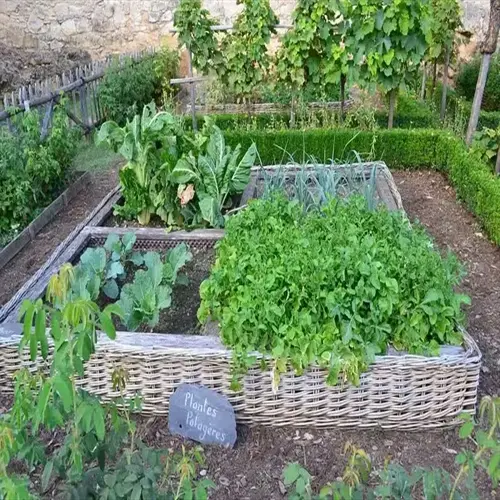
Get ahead of drainage problems. Soil amendments, such as organic matter, help sandy soils retain moisture. Plant in raised beds if water pools in your garden; French drains will keep water moving through your yard if it doesn't. This is your best defense against root rot and fungal diseases.
Maintain healthy soil over the long term. Enhance soil moisture retention by incorporating annual mulching. Test the soil nutrient balance at the 2-3 year mark. Move the location where you plant raspberries once every ten years (rotation). These practices will help maintain the long-term growth of the raspberry patch.
Read the full article: 7 Essential Steps to Grow Raspberries at Home