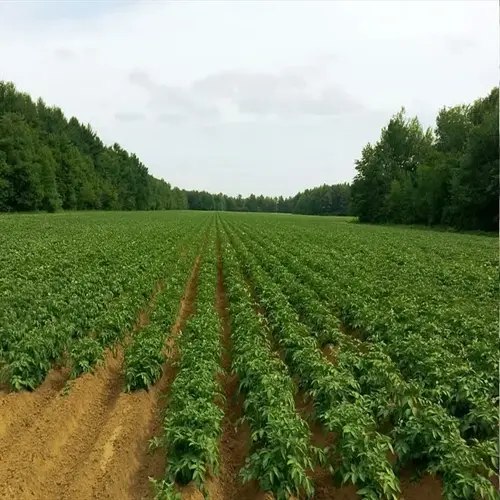

Learning how to grow radishes gives the quickest reward from the garden; in three weeks those speedy vegetables will give crisp roots and you can succeed with your first fumbling efforts, for radishes will forgive you for a lot of mistakes; they do not mind a small space, for a pot in a corner of the garden will do nicely, so get busy with your first crop.
With radishes, you can harvest both the roots and greens from a single plant. The origins are spicy and crunchy, and they can be added to salads; the peppery tops can be used to flavour hot dishes. Twice over the bed you use! Experiment with different kinds to bring colours into your garden.
Why Grow Radishes
Radishes give you fast results faster than any other vegetable you can plant. Tomatoes will take all summer, and most varieties of radish will reach the desired size in 25 to 35 days. You can see growth every day. This is what makes gardening worthwhile, especially for beginners. Sow the seeds today and have some crisp roots crunching in your mouth before summer begins to blister.</p>
Their compact size makes radishes space champions; 16 can be grown per square foot. Tuck them between slower vegetables. Fill containers on your balcony; I have harvested 50 in a window box. No garden? No problem. They will flourish in small spots.
Double the value of every radish plant, I say. Snack on the peppery, crunchy roots in your salad, and then enjoy the greens as nutritious, sautéed greens. I just recently steamed them with garlic for a speedy side dish. Even aboveground, you get your money's worth. One seed, two crops!
Radishes forgive the stupid things you will do... They are not prone to insect attack (unless left too long). You do not have to pay much attention to them... Just keep them watered. When my lettuce failed, radishes rallied where they stood. The very fact that they thrive encourages us to try other things; therefore, they are a safe starting point.
Speed Advantage
- Fastest harvest: Ready in 3-6 weeks versus months for most vegetables
- Quick germination: Sprouts visible within 3-5 days of planting seeds
- Instant gratification: Ideal for teaching children gardening basics
- Succession planting: New crops every 10-14 days for continuous harvests
Space Efficiency
- Container-friendly: Grows in pots as small as 6 in (15 cm) deep
- Gap utilization: Fills spaces between slow-growing plants like tomatoes
- High density: 16 plants per square foot (30x30 cm) possible
- Vertical growth: Compact plants need no trellises or supports
Culinary Versatility
- Root uses: Raw in salads, roasted, or pickled for tangy crunch
- Green uses: Sautéed leaves replace spinach with peppery flavor
- Seed pods: Edible pods add spice to stir-fries (for edible-podded varieties)
- Preservation: Winter radishes store for months in cool conditions
Low Maintenance
- Minimal feeding: Requires only compost, no synthetic fertilizers
- Drought tolerance: Bounces back quickly if watering is missed
- Weed resistance: Fast growth outcompetes most weeds naturally
- No pruning: Forms perfect roots without trimming or training
Pest Resistance
- Natural defenses: Peppery oils deter most common garden pests
- Disease-free: Rarely affected by fungal or bacterial issues
- Easy protection: Row covers prevent flea beetle damage effectively
- Companion benefits: Repels pests from nearby plants like cucumbers
Radish Varieties Explained
Radishes are commonly divided into two classes, known as "summer" and "winter" types, and they are grown according to their class. Summer varieties are quick-growing. Cherry Belle, for example, comes to the table in 22 to 30 days from sowing. They are best suited for a cooler part of the season, unless grown in hot composts. The winter types, such as the Watermelon radish, take about 60 days to mature, and they withstand frost while increasing. Seed of each group is sown during the special season for sowing.
Not all radishes look alike. Cherry Belle is a mild, peppery variety characterized by its bright red skin. Watermelon radish has pink flesh inside. French Breakfast has roots with a red exterior and a white interior. Black Spanish has black skin and a spicy attitude underneath. Select the variety that pleases your palate.
It matters when you harvest radishes. Summer radishes stay at about 1 inch (2.5 cm) in diameter. They don't get bigger than that; winter types are larger, more like Daikon, which can reach up to 18 inches (45 cm) in length. The description of the variety you purchase will indicate the size to expect; if your roots are too large, the inside may be woody.
Each variety has its own specialized needs. Daikon needs to be grown in deep, loose soil; the edible-podded types require protection from the heat; White Icicle will suffer if not planted in part shade; and so on. Match each variety to your growing conditions. I grow my winter radishes in raised beds and summer types in shallow containers.
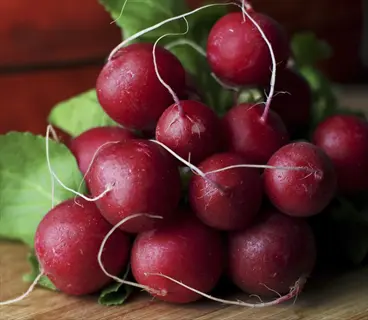
Cherry Belle
- Summer variety: These round red radishes feature crisp white flesh and mature quickly, perfect for beginner gardeners seeking fast results.
- Flavor profile: Mild peppery taste makes them ideal for raw salads and garnishes without overpowering other ingredients.
- Growth specs: Matures in 22-30 days producing 1 in (2.5 cm) diameter roots that resist pithiness in various soils.
- Special notes: Exceptionally tolerant of temperature fluctuations compared to other summer radish varieties available.
- Planting tip: Best sown in early spring or late summer with consistent moisture for optimal root development.
- Harvest window: Check daily after 3 weeks since they become woody if left too long in ground
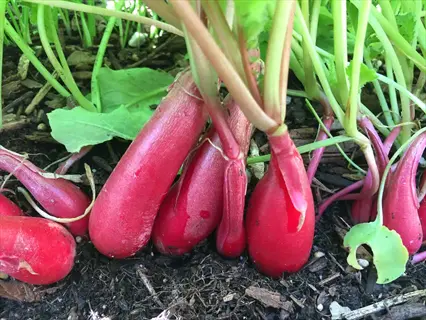
French Breakfast
- Distinctive shape: Cylindrical roots display vibrant red tops fading to white tips with exceptionally crisp texture throughout.
- Flavor development: Juicy white interior offers milder spice than round varieties, maintaining sweetness longer before turning pithy.
- Growth specs: Reaches 2-3 in (5-7.5 cm) length within 23-30 days, thriving in both garden beds and containers.
- Special notes: Slower to develop hollow centers than other types, extending their harvest window significantly.
- Container tip: Requires minimum 6 in (15 cm) soil depth for proper root formation without deformation.
- Culinary use: Perfect for elegant crudité platters due to their uniform shape and attractive color gradient
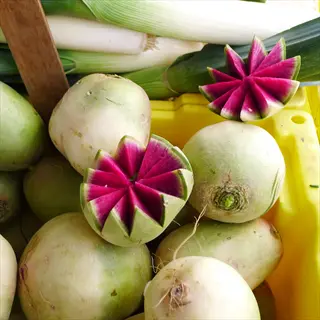
Watermelon Radish
- Winter specialty: Features green-white skin revealing stunning bright pink interior when sliced, resembling watermelon flesh.
- Flavor evolution: Mild sweetness develops subtle peppery finish when raw, transforming into earthy notes when cooked.
- Growth specs: Requires 60 days to reach 3-4 in (7.5-10 cm) diameter, needing consistent moisture for best quality.
- Storage strength: Maintains crispness 2-3 months in cool humid conditions like root cellars or refrigerators.
- Planting timing: Sow in late summer for fall harvest before first frost damages the mature roots.
- Presentation: Dramatic color makes it excellent for gourmet salads and pickling projects
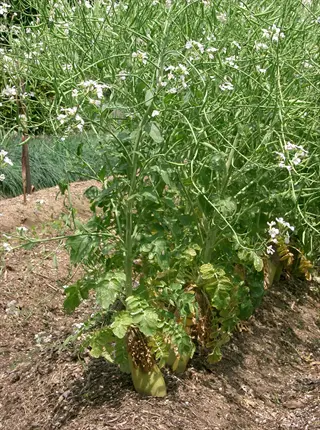
Daikon
- Oriental type: Produces long white cylindrical roots reaching 18 in (45 cm) in deep loose soils when undisturbed.
- Texture profile: Crunchy and mildly spicy when raw, becoming pleasantly sweet and tender when cooked thoroughly.
- Growth needs: Requires 60-70 days maturation period with ample spacing between plants for proper development.
- Culinary versatility: Excellent for pickling, stir-fries, kimchi, and soups due to its low fiber content.
- Soil prep: Essential to till soil to 12 in (30 cm) depth to prevent forked or stunted roots.
- Companion benefit: Deep roots break up compacted soil layers, improving conditions for neighboring plants
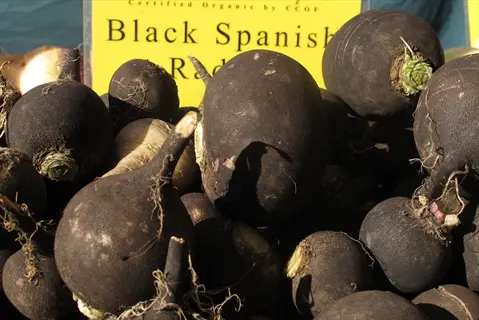
Black Spanish Round
- Winter heirloom: Distinctive black skin contrasts sharply with intensely peppery bright white interior flesh.
- Flavor transformation: Sharp bite mellows significantly when roasted or baked, developing nutty undertones.
- Growth specs: Matures in 55 days producing 3-4 in (7.5-10 cm) diameter globes tolerant of cold temperatures.
- Storage capacity: Keeps exceptionally well 4-5 months in cool cellars or refrigerated conditions.
- Planting window: Sow in midsummer to establish before frost for winter harvests through snow cover.
- Cooking tip: Roasting caramelizes natural sugars, balancing the initial peppery intensity perfectly
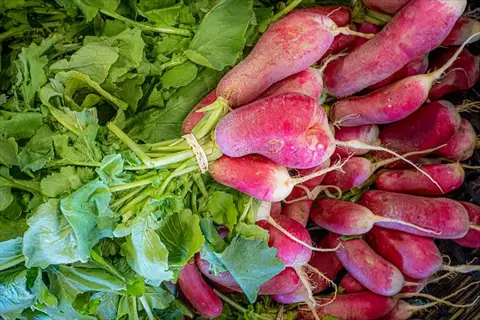
Easter Egg Blend
- Colorful mix: Vibrant assortment includes purple, pink, red, and white round radishes in single planting.
- Flavor range: Offers varying mild to medium spice levels depending on the specific color harvested.
- Growth specs: Ready in 25-30 days at 1-1.5 in (2.5-3.8 cm) size, ideal for continuous succession planting.
- Educational value: Perfect for children's gardens with quick visual rewards and manageable size.
- Harvest strategy: Pull individual roots as they color up rather than waiting for entire patch.
- Presentation: Creates stunning rainbow effects in salads and vegetable platters when mixed together
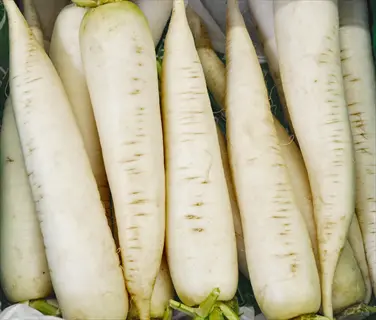
White Icicle
- Summer specialty: Slim tapered roots maintain pure white color throughout with extra-crisp texture.
- Flavor balance: Medium peppery kick complements rather than overpowers salads and relish trays.
- Growth advantage: Matures in 30 days to 4-5 in (10-12.5 cm) length with excellent splitting resistance.
- Shade tolerance: Performs better than most varieties in partial shade during warmer summer months.
- Soil preference: Thrives in sandy loam but adapts to heavier soils if kept consistently moist.
- Harvest note: Gently loosen soil before pulling to prevent breaking the slender roots
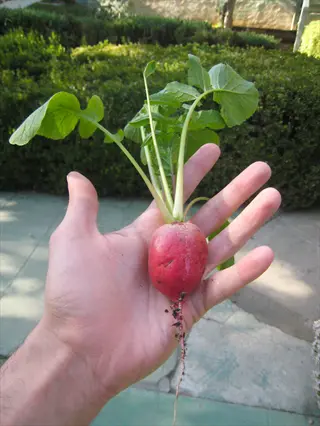
Scarlet Globe
- Classic favorite: Features vibrant red skin with bright white interior and perfectly spherical shape.
- Flavor consistency: Delivers balanced spice when harvested at golf-ball size around 1.5 in (3.8 cm).
- Growth reliability: RHS Award winner maturing in 22-28 days across diverse climate conditions.
- Spacing needs: Requires 2 in (5 cm) between plants for uniform development without competition.
- Disease resistance: Shows exceptional tolerance to common fungal issues in humid environments.
- Garden role: Excellent as row markers for slower-germinating crops like carrots or parsnips
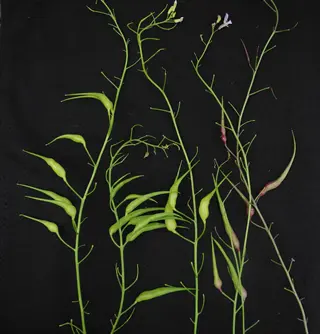
Edible-Podded
- Unique type: Cultivated specifically for spicy seed pods rather than developing substantial roots.
- Flavor experience: Offers peppery crunch similar to snap peas but with distinctive radish zing.
- Heat tolerance: Prolific producer in hot weather when other varieties bolt without forming roots.
- Growth habit: Vine-like plants reach 18 in (45 cm) height needing minimal support for upright growth.
- Harvest method: Pick pods continuously at 3-4 in (7.5-10 cm) length to encourage more production.
- Culinary use: Excellent raw in salads, stir-fried, or pickled for unusual texture and flavor
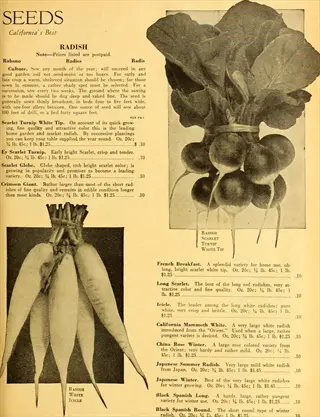
China Rose
- Winter beauty: Rose-pink skin covers sweet white flesh with exceptional cold tolerance for northern climates.
- Flavor profile: Mildly spicy when raw, developing subtle sweetness during cold weather maturation.
- Growth specs: Reaches 4-6 in (10-15 cm) length in 52 days with strong top growth for protection.
- Storage champion: Maintains quality 4+ months in proper conditions, outperforming most storage crops.
- Winterizing tip: Apply thick mulch layer after planting to insulate against freezing temperatures.
- Versatility: Equally delicious grated raw in slaws or cooked in hearty winter stews
Best Planting Time
Seeds of summer radishes. Sow in spring or fall for quick returns. These may be planted in almost any soil, preferably when the air temperature is between 50°F and 70°F. Summer heat, especially when it exceeds 85 degrees, is likely to result in bolting. Winter varieties, such as the Daikon (Japanese radish), withstand cold temperatures well. Still, they grow slowly and are generally raised for storage. Sow midsummer for autumn use.
Use succession planting for continuous supplies. Make a new sowing every ten to fourteen days in cool weather. This keeps the fresh supply coming. I make two sowings of all the radish seed in my open garden plot, and they succeed each other. Each row is ready at a different time. Lengthen the time of your harvest. Never eat a radish from an indifferent hothouse again.
Frost-resisting: Winter varieties, such as the Black Spanish, are hardy when protected with a light mulch. The roots will stand frost, down to 20F., but summer varieties will be severely injured or killed by freezing. Protect your winter radishes during cold weather, and lift them when frost has made them sweet. My Black Spanish radishes, after being light-frosted in autumn, are luscious.
Spring Planting
- Start timing: Sow 2-4 weeks before last frost when soil reaches 40°F (4°C)
- Variety focus: Summer types like Cherry Belle and French Breakfast
- Protection: Use row covers if temperatures drop below 25°F (-4°C)
- Key tip: Harvest before summer heat intensifies to prevent bolting
Summer Planting
- Special varieties: Edible-podded types thrive in heat; avoid summer radishes
- Shade management: Plant in partial shade or use 30% shade cloth
- Water critical: Irrigate daily to maintain soil moisture and prevent cracking
- Timing window: Sow winter varieties in July for autumn harvest
Fall Planting
- Optimal timing: 6-8 weeks before first frost for winter varieties
- Variety focus: Daikon, Black Spanish, Watermelon radishes
- Frost prep: Apply thick straw mulch after planting for insulation
- Harvest flexibility: Leave in ground until needed or harvest before hard freeze
Winter Protection
- Cold tolerance: Winter varieties withstand 20°F (-7°C) with mulch
- Container strategy: Move pots to unheated garage or cold frame
- Harvest method: Use garden fork when soil is unfrozen
- Storage alternative: Lift and store in damp sand at 32-40°F (0-4°C)
Climate Adaptations
- Hot climates: Plant October-February; use shade for spring crop
- Mild winters: Grow year-round with succession planting every 3 weeks
- Short seasons: Use black plastic to warm soil for early planting
- Microclimates: Utilize south-facing walls for earlier spring starts
Sowing and Caring for Radishes
Prepare the soil to a sufficient depth for the radish variety. The summer kinds require at least six inches of loose soil, whereas the winter varieties, such as Daikon, require twelve inches or more. You may mix in compost, but avoid using fresh manure. I use aged compost, and my experience suggests that it yields the best results. Deep, loose soil is requisite, or the roots will be stunted.
Thin for strong growth. Summer types should be sown about 2in (5cm) apart when seedlings appear, and for the winter sorts allow about 6in (15cm) between plants, giving and taking a little. Otherwise, they make small roots. I generally thin to about 2in tall, cutting out with scissors instead of pulling up plants to leave seedlings undisturbed.
Keep evenly moist for crisp roots; water daily during germination. After sprouting, 1 inch (2.5 cm) a week is ample. Containers dry out more quickly. Taste the soil and check daily. I give my potted radishes water every evening, spoiling them rotten. Don't let the soil ever dry out completely. Cracks occur.
Block outbreaks of pests by keeping them at bay with physical barriers. Cover seedlings with row covers to keep flea beetles at bay. Wrap copper tape around pots or planters to deter slugs. Planting mint, for instance, helps winged insects from ruining the fun. Inspect the undersides of the leaves every week. Hand-pick pests as soon as they appear. Promote the health of beneficial insects by avoiding chemical pesticides.
Water Management
- Consistency is key: Maintain even soil moisture to prevent splitting or woody roots
- Germination phase: Water lightly daily until seedlings emerge (3-5 days)
- Established plants: Deep watering 2-3 times weekly (1 in/2.5 cm per week)
- Container tip: Check moisture daily; pots dry faster than garden beds
Weed Control
- Early intervention: Hand-weed weekly when plants are small to avoid root disturbance
- Mulching benefits: Apply straw layer to suppress weeds and retain moisture
- No-dig advantage: Radishes thrive in undisturbed soil with surface compost
- Critical period: Keep weed-free first 3 weeks when plants establish
Pest Prevention
- Flea beetles: Cover seedlings with row covers immediately after planting
- Slug defense: Use copper tape around containers; handpick at dawn
- Companion plants: Grow with mint or nasturtiums to repel pests naturally
- Inspection routine: Check undersides of leaves weekly for early detection
Fertilizing
- Low-nitrogen rule: Use compost tea instead of high-nitrogen fertilizers
- Timing: Apply only if growth stalls; radishes rarely need extra feeding
- Container feeding: Dilute fish emulsion (1 tbsp per gallon/15 ml per 4 L)
- Deficiency signs: Pale leaves indicate need for phosphorus-rich amendment
Special Care for Containers
- Soil mix: 2 parts potting soil, 1 part compost, 1 part perlite
- Depth requirement: Minimum 12 in (30 cm) for winter varieties
- Drainage: Ensure pots have holes; add gravel layer if needed
- Positioning: Rotate containers daily for even sun exposure
Harvesting and Using Radishes
Harvest timing varies significantly for each type of crop. Summer radishes, such as Cherry Belle, should be picked when they reach about 1 inch (2.5 cm) in size in three to four weeks. Winter varieties, like Watermelon radish, really need eight to ten weeks. Pull them before hard frosts, though frost has been known to sweeten our winter roots! I got my Daikon when they were 12 inches (30 cm).
When storing summer roots, place them between the folds of damp towels in the refrigerator for 2 to 3 weeks. Winter kinds should be packed in wet sand, and kept at a temperature of from 32° to 40° for several months. The greens retain their freshness for three days, or they can be blanched and packed in brick molds, then frozen, and remain good for six months. The pods will keep crisp in the Refrigerator for a week.
Culinary radishes are not limited to salads. You can roast winter radishes with olive oil until caramelized, toss the greens into peppery pesto, or pickle the seed pods with dill. I often slice Daikon into thin rounds, sauté them with garlic, and serve them as a side dish. If you can bear it, try fresh, crushed radish butter between your slices at noontime. Everything is edibly radical!
Store your harvests a variety of ways: ferment the roots into kimchi. Dehydrate the pods into crunchy chips. Freeze the blanched diced radishes for soups. Can up that pickled relish and enjoy it year round. And my personal favorite, a radish powder for seasoning, it will keep for 6 months.
Raw Preparations
- Salad star: Thinly slice radishes with salt and lemon for bright crunch
- Sandwich upgrade: Layer with butter and sea salt on crusty bread
- Pickled delight: Quick-pickle in vinegar-sugar brine for tangy garnish
- Dip companion: Serve whole with hummus or ranch for healthy snacking
Cooked Applications
- Roasted caramelization: Toss with olive oil at 400°F (200°C) for 20 minutes
- Stir-fry addition: Add daikon slices last minute for crisp texture
- Soups: Simmer winter radishes in broths for subtle peppery notes
- Grilled: Skewer whole radishes brushed with sesame oil for smoky flavor
Greens Utilization
- Sautéed: Cook with garlic and olive oil as spinach alternative
- Pesto: Blend with nuts, Parmesan, and oil for peppery sauce
- Soup base: Simmer with potatoes for hearty potato-radish green soup
- Freezing: Blanch and freeze for 6-month storage in stews and sauces
Seed Pod Innovations
- Salad confetti: Chop raw pods for colorful, spicy crunch
- Stir-fry: Sauté with garlic and soy sauce for Asian-inspired dish
- Pickled pods: Preserve in brine with dill for unique refrigerator pickles
- Dehydration: Dry with salt for crispy radish pod chips (6-month shelf life)
Preservation Methods
- Fermentation: Make kimchi with daikon radish for probiotic boost
- Freezing: Blanch and freeze diced radishes for soups and stews (6 months)
- Canning: Pressure-can winter radishes as pickled relish (1+ year)
- Dehydration: Create radish powder for seasoning blends (6+ months)
5 Common Myths
Radishes need total daily sunshine to develop normally therefore they do not do well in shady locations
Although radishes will take up to twice as long to grow under shade than when grown in mostly sunny conditions, the fact is that many varieties of radish will grow most efficiently in partial shade. Many varieties of Radishes such as the White Icicle will grow a healthy crop with as little as four to six hours of sunlight; due to the increasing possibility of bolting caused by excessive heat. Afternoon shade has been shown to maintain the crisp texture of the radish and helps to prevent soil temperatures from rising in warmer growing regions. Container gardeners tend to see better outcomes from their pots by placing them in the shade whenever temperatures exceed eighty-five degrees Fahrenheit (twenty-nine degrees Celsius).
All types of radishes have a very strong flavor, so many people find them difficult to use in cooking
The flavor of a radish is affected by how old it is when harvested and which variety it comes from. The most common examples of mild-flavored radishes include the Watermelon radish or French Breakfast radish; they will be sweet, crunchy, and flavorful when picked while they are still young. As the radish matures, the glucosinolate compounds that make the radish spicy become stronger under hot and dry conditions. If you consistently water and harvest your radishes when they are about 1 inch (2.5 cm) in diameter, they will have a much milder flavor. Also, cooking methods, such as roasting, can transform peppery-varietied radishes such as Black Spanish into nutty sweet treats through the carmelization of the radish's natural sugars.
Radish greens are poisonous or inedible garden waste that should be discarded
Radish greens are not only edible but highly nutritious, containing six times more vitamin C than the roots. Their peppery flavor resembles arugula when young and becomes milder when sauted. Rich in calcium, iron, and folate, they're perfect for pestos, soups, or stir-fries. Simply avoid yellowed leaves and wash thoroughly to remove grit. Blanching and freezing extends their use for months in dishes like frittatas or green smoothies.
When radishes bolt and flower, the plant can no longer be harvested
Bolting denotes the stoppage of root development yet the beginning of an edible stage. Flowering creates crunchy, peppery, seed pods that can be used raw, or pickled; especially desirable when using a variety like Rat-Tailed Radish. The nutritional value of the seed pod is similar to that of the root and they too can be harvested for 4-6 weeks every day. The flowers are beneficial to pollinators. As a secondary benefit for the gardener, if you allow a few plants to bolt, you can harvest seeds for future crops, and it adds diversity to your culinary repertoire.
Radishes are poor candidates for small-space gardening or container gardening
Radish varieties that grow well in a container have shallower tap roots than most other crops, along with compact growth habits. Summer radish varieties grow quite well in containers (even pots measuring only 6 inches [15 cm] deep), provided they are spaced out at least 2 inches (5 cm) apart. Successful harvests usually occur within 30 days if the pots are provided with loose potting mix and regular moisture. Containers that work well include window boxes, fabric grow bags, and vertical plans; growing radishes in containers tends to lower many common pest problems while allowing the grower to maintain a better control over moisture for a crisper final product.
Conclusion
Radishes are the ultimate starter crop for every gardener. They are practically fail-proof, giving you a little "success" to boost your confidence. You can see results before your other vegetables even come up! Beginners can develop their skills without being frustrated, and even the youngest children can garden when they grow radishes.
Relish two benefits in every tiny seed. Enjoy quick harvests and filling bowls and bellies in just weeks. Culinary utility includes every bit of the plant. Crisp roots in salads. Flavorsome greens in stir-fries. Pods for pickles. I add radishes to the table for every meal during the harvest months.
Experiment freely with varieties and seasons. Try the spicy winter varieties for storage, and plant colorful summer types so you can snack quickly. Try them for a fall crop and see if they stand the cooler weather. I prefer to grow three or more varieties each season, every year. You will discover your favorite!
Collect seeds today. Plant them immediately. Experience the excitement of reaping your first harvest before this month concludes. Your garden journey begins with these fast growers. Start your radish adventure later today.
External Sources
Frequently Asked Questions
What is the best way to grow radishes?
The optimal method involves planting in loose, compost-amended soil at ½-inch depth. Maintain consistent moisture and thin seedlings to proper spacing. For continuous harvests, practice succession planting every 10-14 days during cool seasons.
How long do radishes take to fully grow?
Growth duration varies significantly by variety:
- Summer radishes: 22-35 days
- Winter varieties: 55-70 days
- Edible-podded types: 50 days for pods
- Daikon radishes: 60-70 days
Do radishes need full sun or shade?
Radishes thrive with 4-6 hours of sunlight but benefit from afternoon shade in hot climates. Excessive sun causes bolting, while partial shade preserves crispness. Container gardens should be moved to shaded areas when temperatures exceed 85°F (29°C).
Why do radishes grow tops but no roots?
This common issue stems from overcrowding, inadequate thinning, or nitrogen-heavy soil. Ensure 2-6 inch spacing depending on variety, use balanced compost, and avoid high-nitrogen fertilizers. Consistent moisture and loose soil are also critical for root formation.
Can you grow radishes in containers?
Absolutely. Use pots at least 6 inches deep for summer varieties and 12 inches for winter types. Ensure well-draining soil mix and daily watering. Container growth often reduces pest problems and allows better environmental control.
What should not be planted near radishes?
Avoid planting near:
- Hyssop: Inhibits growth
- Potatoes: Competes for nutrients
- Cucumbers: Increases disease risk
- Other brassicas: Attracts shared pests
How often should radishes be watered?
Watering requirements change through growth stages:
- Germination: Light daily watering
- Established plants: 1 inch weekly
- Containers: Daily checks essential
- Hot weather: Increase frequency to prevent cracking
Can radishes survive frost?
Winter varieties tolerate light frosts down to 20°F (-7°C) with mulch protection. Summer types are frost-sensitive. For winter survival, use straw insulation and harvest before hard freezes. Daikon and Black Spanish show exceptional cold resistance.
Are radish greens edible?
Yes, radish greens are highly nutritious and versatile. They contain more vitamin C than roots and can be sautéed, blended into pesto, or added to soups. Avoid yellowed leaves and always wash thoroughly before use.
What causes radishes to become woody?
Woodiness results from:
- Over-maturity: Harvest promptly when mature
- Inconsistent watering: Maintain even moisture
- High temperatures: Provide afternoon shade
- Poor soil: Amend with compost before planting