
Introduction
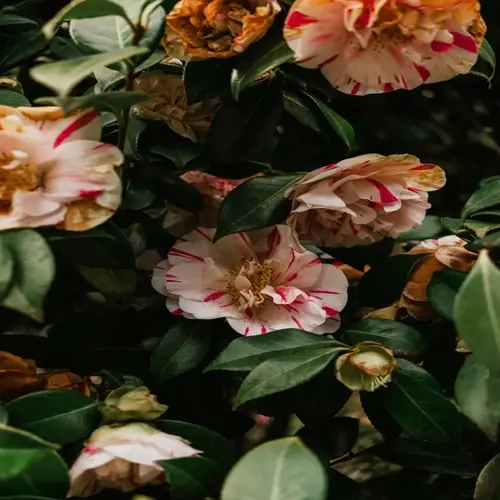
While most gardens fade to brown in autumn, camellia sasanqua takes center stage with bold blooms. This fall blooming camellia fills your yard with color from October through February. I started growing sasanquas over ten years ago, and they still amaze me each winter.
The sasanqua camellia grows 6 to 14 feet tall and does well in USDA Zones 7a through 9b. These shrubs keep their dark green leaves all year long. Then they put on a show of white, pink, or red flowers right when you need color most. As a winter blooming shrub, few plants match the sasanqua for cold season impact.
Most guides show you just 5 to 7 common types. But over 1,600 cultivars exist in the Camellia Register from three countries. That gives you far more options than your local garden center stocks on its shelves. You will also find that these plants feed bees and birds during months when food sources run thin.
This guide goes well past basic planting tips. You will find my top 10 variety picks and a full care breakdown. I also share landscape design ideas, pest fixes, and seed oil science. In my years of testing, I learned how to grow new plants from cuttings at home and you can too.
10 Best Sasanqua Varieties
I tested dozens of camellia sasanqua varieties in my own garden over the years. These 10 earned their spot on my list after years of watching them grow. Red is the most common flower color among 1,616 registered cultivars. You will also find whites, pinks, and soft blends among the best sasanqua camellia cultivars.
Setsugekka camellia makes ruffled white blooms that look like sheets of tissue paper. Yuletide camellia gives you bold red single flowers with a crown of golden stamens at the center. Shishi Gashira stays low and wide with bright pink doubles, while Kanjiro camellia shoots up tall for hedges and screens. Each pick below fills a different role in your yard.
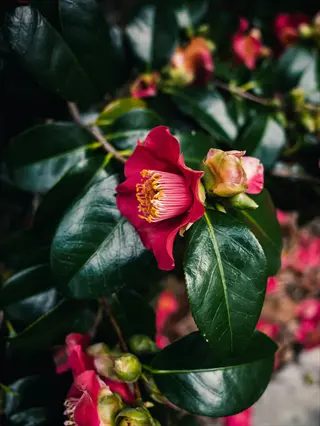
Yuletide
- Flower: Bright red single blooms measuring 2 to 3 inches (5 to 7.5 centimeters) across with a striking cluster of golden-yellow stamens at the center.
- Growth Habit: Compact upright form reaching 8 to 10 feet (2.4 to 3 meters) tall and 6 to 8 feet (1.8 to 2.4 meters) wide at maturity.
- Bloom Period: Flowers from November through January, providing vivid holiday color when most shrubs have gone dormant for the season.
- Sun Tolerance: Handles full sun to partial shade, performing best with at least four hours of direct sunlight each day for abundant flowering.
- Best Use: Ideal as a specimen plant, foundation planting, or informal hedge that brings seasonal color near entryways and patios.
- Pollinator Value: Attracts overwintering hummingbirds and late-season bees with accessible single-form flowers that expose their pollen-rich stamens.
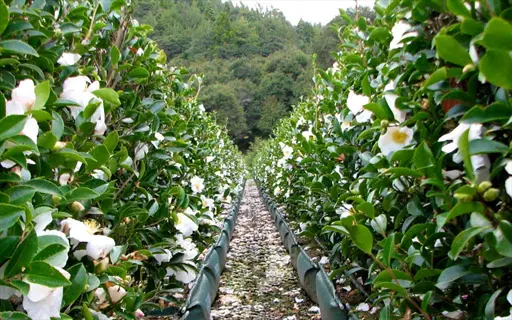
Setsugekka
- Flower: Large ruffled white semi-double blooms up to 4 inches (10 centimeters) across, among the biggest flowers in the sasanqua group.
- Growth Habit: Open upright form growing 8 to 12 feet (2.4 to 3.7 meters) tall and 6 to 8 feet (1.8 to 2.4 meters) wide with graceful arching branches.
- Bloom Period: Flowers from October through December, with peak display occurring in late November in most USDA Zone 8 gardens.
- Sun Tolerance: Performs well in partial shade to full sun, though afternoon shade in hot climates helps preserve the pure white flower color longer.
- Best Use: Outstanding as a specimen tree trained to a single trunk, or planted along a fence line for a dramatic white floral display against dark foliage.
- Notable Trait: The Japanese name translates to 'snow, moon, and flowers,' reflecting the three traditional elements of natural beauty in Japanese aesthetics.
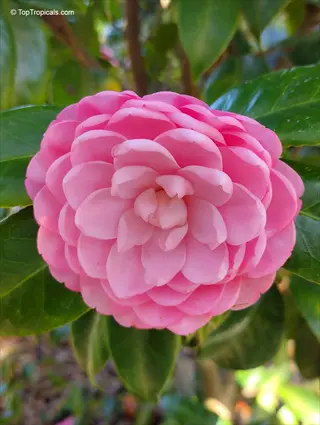
Shishi Gashira
- Flower: Bright pink semi-double to double blooms measuring 2 to 3 inches (5 to 7.5 centimeters) with overlapping petals creating a layered rosette pattern.
- Growth Habit: Low mounding form reaching only 4 to 5 feet (1.2 to 1.5 meters) tall and spreading 6 to 8 feet (1.8 to 2.4 meters) wide over time.
- Bloom Period: Flowers from October through December with a long display, often holding blooms for six weeks or more in mild climates.
- Sun Tolerance: Adapts to full sun or partial shade and shows strong heat tolerance, making it a reliable performer in warmer USDA Zone 9 gardens.
- Best Use: Perfect as a low hedge, border plant, or ground cover on slopes where its spreading habit provides erosion control along with seasonal color.
- Notable Trait: One of the most available sasanqua cultivars in nurseries, classified in the Camellia hiemalis group by some botanical references.
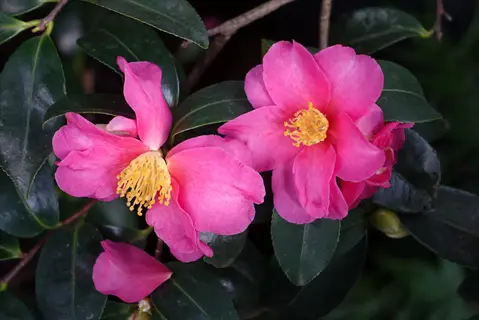
Kanjiro
- Flower: Rose-pink semi-double flowers about 2.5 inches (6 centimeters) across with a cheerful burst of golden stamens visible at the center.
- Growth Habit: Vigorous upright form growing 8 to 12 feet (2.4 to 3.7 meters) tall and 6 to 8 feet (1.8 to 2.4 meters) wide with dense branching.
- Bloom Period: Flowers from November through January, with blooms often lasting into February in milder coastal climates and protected garden spots.
- Sun Tolerance: Thrives in full sun to partial shade and shows excellent tolerance to both heat and moderate cold down to the low teens Fahrenheit.
- Best Use: Excellent choice for tall privacy hedges, screening, or as a background plant in mixed shrub borders where its upright form adds structure.
- Notable Trait: Often used as rootstock for grafting Camellia japonica varieties because of its vigorous root system and Phytophthora root rot resistance.
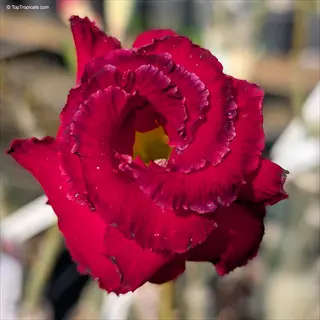
Chansonette
- Flower: Rose-pink semi-double blooms with a peony-like layered form, producing thick petaled flowers measuring 3 inches (7.5 centimeters) across.
- Growth Habit: Compact spreading form growing 6 to 8 feet (1.8 to 2.4 meters) tall and wide, with a dense canopy that requires minimal shaping.
- Bloom Period: Flowers from November through December, arriving slightly later than many sasanqua varieties and extending the overall garden bloom season.
- Sun Tolerance: Performs best with morning sun and light afternoon shade, which helps maintain the rich pink flower color without fading from intense heat.
- Best Use: Well suited for foundation plantings, formal low hedges, and container growing where its compact shape stays tidy with little pruning effort.
- Notable Trait: Recommended by Mississippi State University Extension as one of the top sasanqua varieties for Southern landscapes due to its peony-like bloom form.
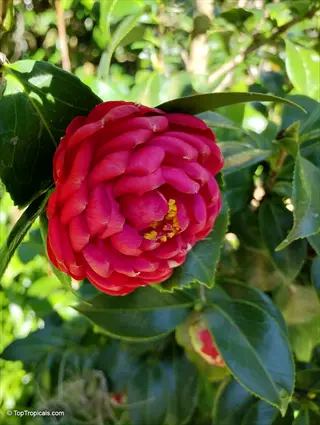
Bonanza
- Flower: Deep red peony-form double blooms that measure 3 to 4 inches (7.5 to 10 centimeters) wide, producing some of the most vivid sasanqua flowers you can grow.
- Growth Habit: Low spreading form reaching 4 to 6 feet (1.2 to 1.8 meters) tall and 6 to 8 feet (1.8 to 2.4 meters) wide with a natural rounded shape.
- Bloom Period: One of the earliest sasanqua varieties to flower, often starting in September and continuing through November in favorable growing conditions.
- Sun Tolerance: Handles full sun to partial shade, though the deep red blooms hold their color best when given some protection from scorching afternoon sun.
- Best Use: Makes an eye-catching low border or mass planting, and works well under windows where taller varieties would block views or require constant pruning.
- Notable Trait: The early bloom period makes Bonanza valuable for extending the total sasanqua flowering season when combined with later-blooming varieties like Yuletide.
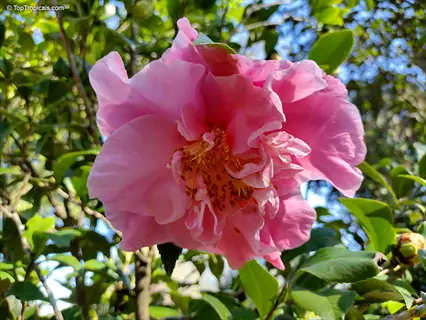
Apple Blossom
- Flower: Soft white single blooms blushed with pale pink along the petal edges, creating a delicate two-tone effect similar to apple tree blossoms.
- Growth Habit: Upright spreading form reaching 8 to 12 feet (2.4 to 3.7 meters) tall and 6 to 8 feet (1.8 to 2.4 meters) wide with an open graceful silhouette.
- Bloom Period: Flowers from October through December, with the pale pink edging becoming more pronounced during cooler weather later in the blooming season.
- Sun Tolerance: Grows well in full sun to partial shade, making it adaptable to a range of garden positions from open lawns to the edges of woodland areas.
- Best Use: Lovely as a specimen tree pruned to a single trunk, or planted in groups of three for a soft, romantic cottage garden effect in larger landscapes.
- Notable Trait: The single flower form provides easy access for pollinators, making Apple Blossom one of the better sasanqua choices for wildlife-friendly gardens.
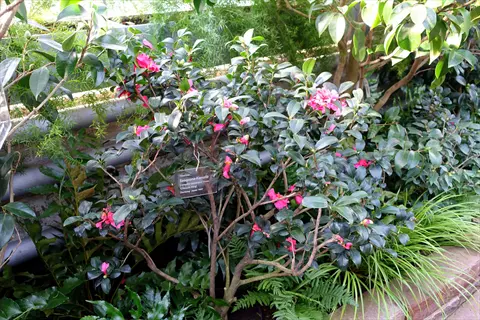
Crimson King
- Flower: Deep crimson single flowers measuring 2 to 3 inches (5 to 7.5 centimeters) across with prominent golden stamens that contrast sharply against dark red petals.
- Growth Habit: Upright bushy form growing 8 to 10 feet (2.4 to 3 meters) tall and 5 to 7 feet (1.5 to 2.1 meters) wide with dense evergreen foliage.
- Bloom Period: Flowers from November through January, providing bold crimson color through the holiday season and into the new year in mild winter regions.
- Sun Tolerance: Tolerates full sun well and produces more flowers with increased light exposure, though it still performs in partial shade conditions.
- Best Use: Works as a privacy hedge, tall border, or accent plant where its deep red flowers create strong visual contrast against lighter-colored garden elements.
- Notable Trait: Holds a Royal Horticultural Society Award of Garden Merit, confirming its reliability and ornamental value in temperate garden settings worldwide.
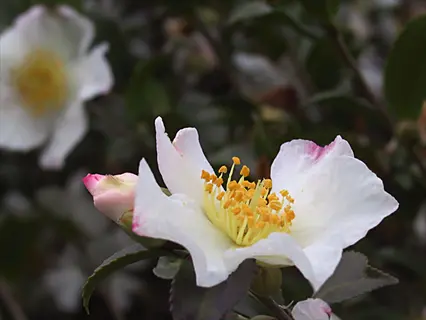
Mine No Yuki
- Flower: Pure white double blooms with dense packed petals forming a rose-like shape, each flower measuring about 2 inches (5 centimeters) across.
- Growth Habit: Low spreading form growing 3 to 4 feet (0.9 to 1.2 meters) tall and spreading up to 5 feet (1.5 meters) wide, ideal for small garden spaces.
- Bloom Period: Flowers from October through December, with clusters of white blooms along arching branches for a cascading floral effect.
- Sun Tolerance: Performs best in partial shade to dappled sunlight, where the white flowers remain pristine and the compact form stays dense without stretching.
- Best Use: Excellent for ground cover, low border plantings, rock gardens, and container growing where its small size and spreading habit fill space with ease.
- Notable Trait: The Japanese name translates to 'snow on the peak,' referencing the effect of white flowers blanketing the low green foliage like fresh snowfall.
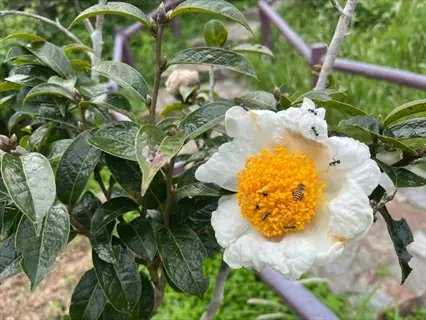
White Doves
- Flower: Pure white semi-double flowers with soft ruffled petals and an informal shape, measuring 2.5 to 3 inches (6 to 7.5 centimeters) wide.
- Growth Habit: Upright form growing 6 to 10 feet (1.8 to 3 meters) tall and 4 to 6 feet (1.2 to 1.8 meters) wide with a tight columnar silhouette.
- Bloom Period: Flowers from October through December, with a heavy flush of blooms in November that creates a striking display of white against dark leaves.
- Sun Tolerance: Adapts well to full sun in cooler climates and partial shade in warmer zones, maintaining good flower production in either light condition.
- Best Use: Ideal for narrow spaces, along fence lines, or as a vertical accent in mixed borders where the upright columnar form fits without overwhelming smaller plants.
- Notable Trait: The narrow upright habit makes White Doves one of the best sasanqua choices for formal garden designs and tight spaces where width is limited.
Your best bet is to mix early and late bloomers so you get flowers from September through February. Pair a Bonanza with a Yuletide and you stretch your color window to almost 6 months of blooms in one garden bed.
Sasanqua Care and Growing Guide
Good camellia sasanqua care starts with the soil under your feet. Think of your soil needs like a simple recipe. You want two parts acidic, one part well drained, with a good helping of organic matter mixed in. Get that right and your sasanqua will reward you with blooms that last up to 2 months in warm regions.
How to grow camellia sasanqua comes down to your local climate. Check the USDA zones camellia sasanqua does best in. Plants in cooler Zones 7 and 8 handle full sun with a south or west spot in the yard. In hot Zone 9 gardens, give your shrubs afternoon shade to stop leaf scorch. I learned this the hard way when I lost buds in full blast Zone 9 sun. Below you will learn about watering camellias and pruning camellias. I also cover fertilizing camellias on the right schedule.
Soil and pH Requirements
- Ideal pH Range: Maintain soil acidity between 5.5 and 6.5 for optimal nutrient uptake, testing each year with a home kit or county extension soil test.
- Soil Type: Sasanquas tolerate clay, loam, and sandy soils as long as drainage is adequate, but they perform best in loamy soil enriched with organic matter.
- Amendment Strategy: Mix 2 to 4 inches (5 to 10 centimeters) of pine bark, composted leaves, or peat moss into the planting area to increase acidity and improve drainage.
- Drainage Test: Dig a hole 12 inches (30 centimeters) deep, fill with water, and check after one hour. If water remains, amend with coarse sand or plant in a raised bed.
Sunlight and Placement
- Light Preference: Provide 4 to 6 hours of direct sunlight each day for the most flowers, placing plants where they receive morning sun and filtered afternoon light.
- Climate Adjustment: In cooler USDA Zones 7 to 8, sasanquas handle full sun well. In warmer Zone 9, provide afternoon shade to prevent leaf scorch during summer months.
- Wind Protection: Plant near a south or west facing wall or fence for warmth and wind shelter, which protects buds from cold snaps during the fall blooming period.
- Spacing: Allow 5 to 7 feet (1.5 to 2.1 meters) between plants for hedges and 8 to 10 feet (2.4 to 3 meters) for specimens to ensure adequate air flow.
Watering and Mulching
- Watering Schedule: Provide 1 inch (2.5 centimeters) of water per week during the growing season, increasing to twice per week during July through September when buds are forming.
- Mulch Application: Spread a 2 to 3 inch (5 to 7.5 centimeter) layer of pine straw or shredded bark around the root zone, keeping mulch 3 inches away from the trunk.
- Moisture Monitoring: Check soil moisture by inserting a finger 2 inches (5 centimeters) deep. Water when the top layer feels dry but before the soil becomes bone dry.
- Established Plants: After 2 to 3 years, sasanquas become moderate drought tolerant but still benefit from extra water during extended dry spells and bud formation.
Fertilizing Schedule
- Timing: Apply fertilizer in early spring after the last blooms fade, most often in March or April based on your climate zone and when flowering finishes.
- Product Choice: Use a balanced acid forming fertilizer such as a formula labeled for azaleas and camellias, following package directions for shrub size and age.
- Application Method: Spread fertilizer under the drip line of the canopy rather than against the trunk, then water well to carry nutrients into the root zone.
- Avoid Over Feeding: Too much nitrogen causes lush leaf growth at the expense of flowers. One feeding per year in spring is all your healthy sasanqua camellias need.
Pruning and Shaping
- Timing: Prune right after flowering ends, most often in late winter or early spring, before new growth and next season's flower buds begin forming.
- Light Pruning: Remove dead, crossing, or inward growing branches to maintain an open center that allows air flow and light through the canopy.
- Heavy Shaping: For hedges and formal shapes, sasanquas need just one annual clipping after bloom, making them less work than many broadleaf evergreen hedges.
- Training Options: Sasanquas respond well to topiary, cloud pruning, and espalier training against walls, per the International Camellia Society growing guide.
Dr. Eddie Smith at MSU Extension calls sasanquas a must have for Southern gardens. After years of growing them, I agree with him. Once you set up the right soil and spot for your plant, these shrubs need very little effort from you to look great year after year.
Landscape Design with Sasanquas
Camellia sasanqua landscape uses go far past just sticking a shrub in a corner of your yard. Picture a winter garden where crimson Yuletide blooms glow against the bare silver bark of Japanese maples. Hellebores carpet the ground below. That kind of layered scene is what makes sasanquas such a strong design plant for your outdoor space.
You can train a camellia sasanqua espalier flat against a warm wall. You can shape one into a camellia sasanqua hedge for privacy. A small one works great in a camellia sasanqua container on your patio. Topiary and cloud pruning need just one clipping per year per the Camellia Society. I have tried all these methods in my own yard. The right companion plants for camellias bring even more color and texture through the full year.
Privacy Hedge and Screen
- Spacing: Plant sasanquas 4 to 5 feet (1.2 to 1.5 meters) apart for a dense privacy hedge, choosing upright varieties like Kanjiro or Yuletide that fill in fast.
- Height Control: Allow hedges to grow to 6 to 10 feet (1.8 to 3 meters) tall, then maintain with a single annual pruning after the blooming period ends in late winter.
- Seasonal Benefit: Unlike deciduous hedges that lose privacy in winter, sasanqua hedges remain evergreen while adding colorful blooms during the colder months.
Specimen and Focal Point
- Tree Form Training: Select varieties like Setsugekka or Apple Blossom and prune to a single trunk to create a small ornamental tree reaching 12 to 16 feet (3.7 to 4.9 meters).
- Placement: Position specimens where they catch winter sunlight to light up translucent petals, such as near a patio, front entrance, or visible from a kitchen window.
- Underplanting: Surround the base with shade tolerant companions like Hellebores, Liriope, or autumn ferns to add layered interest beneath the canopy in every season.
Espalier and Wall Training
- Wall Selection: Train sasanquas against south or west facing walls where reflected warmth promotes more blooming and provides protection from cold winter winds.
- Support System: Install horizontal wires or a wooden trellis 4 to 6 inches (10 to 15 centimeters) from the wall surface to allow air flow behind the trained branches.
- Maintenance: Tie young branches to supports as they grow and remove forward facing shoots after flowering to maintain the flat, fan shaped form along the wall.
Container and Patio Growing
- Pot Size: Use a container at least 14 inches (35 centimeters) wide with drainage holes, filled with a 50/50 mix of organic potting soil and pine bark for acidity.
- Variety Choice: Select compact cultivars like Shishi Gashira or Mine No Yuki that stay under 5 feet (1.5 meters) tall and maintain a dense shape without heavy pruning.
- Winter Protection: In USDA Zone 7 areas, move containers against a south facing wall or wrap pots with burlap when temps drop below 15°F.
Companion Plant Pairings
- Trees: Japanese Maples provide dappled shade and striking fall color that flows into the sasanqua bloom season, creating a seamless autumn to winter color display.
- Shrubs: Rhododendrons and Azaleas share the same acidic soil needs and bloom in spring when sasanquas finish, ensuring flowers in the garden almost year round.
- Perennials: Hellebores, Ferns, Heuchera, and Japanese Forest Grass fill the ground layer with texture and color that pairs well with the upright form of sasanquas above.
Pests, Diseases, and Treatments
Sasanquas fight off diseases better than most other camellias, but they still face a few common problems. I deal with camellia sasanqua pests in my garden each year, and the key is catching issues early. The table below helps you spot the problem by its symptoms, find out the cause, and take the right treatment steps before things get worse.
Each one is a Phytophthora resistant sasanqua. Root rot kills japonica types in wet soil but not yours. Camellia sasanqua diseases like camellia leaf gall and tea scale camellia are the main threats to watch for. If you spot camellia yellow leaves, check your soil pH first. High pH is the most common cause of that problem.
Japanese Heritage and Seed Oil
Japanese camellia history goes back to the Edo period. People grew the plant for survival, not beauty. The word sazanka meaning "plum flowered tea" tells you what early growers cared about most. They dried the leaves and added them to camellia tea Japan style to boost the flavor of their daily brew. The seeds went into presses to make cooking oil prized all across the Kyushu region.
Camellia sasanqua seed oil was the go to fat in kitchens across southern Japan for hundreds of years. It had the highest heat content of any natural cooking oil in the region at the time. People also rubbed the oil into their hair and skin for moisture and camellia oil uses still include beauty products today. I started using camellia oil on my garden tools to stop rust and it works great for that purpose too.
Modern lab tests back up what the Japanese knew for centuries about this oil. A 2021 study showed that this oil has real camellia antioxidant power. Its DPPH IC50 measured at 54.87 micrograms per milliliter. The oil contains fatty acids, vitamin E, squalene, and polyphenols. One thing that stands out in Japanese culture is how the whole flower falls off at once. Unlike japonica petals that drop one at a time, the sasanqua flower drops intact. This carried dark meanings in old Japan and people still consider cut sasanqua flowers bad luck in some areas.
Propagation and Planting Tips
Camellia sasanqua propagation is one of those topics no other guide seems to cover, which I find strange. You can make new plants at home without spending a cent at the nursery. I have used all 3 methods below and stem cuttings work best for most growers. Knowing how to propagate camellia sasanqua opens the door to filling your yard for free.
Growing camellia sasanqua from cuttings takes about 4 to 6 weeks to root in warm conditions. The best time to plant camellia sasanqua runs from October through March so your roots settle before summer heat hits. When you do camellia root ball planting, make sure the top of the ball sits level with the ground or a touch above it.
Semi-Hardwood Stem Cuttings
- Timing: Take cuttings in late spring to early summer when new growth has started to harden and stems snap clean rather than bending when bent.
- Preparation: Cut 4 to 6 inch (10 to 15 centimeter) stem sections just below a leaf node, removing the lower leaves and keeping 2 to 3 leaves at the top.
- Rooting Hormone: Dip the cut end in powdered rooting hormone to speed root growth, then insert into a pot filled with moist perlite and peat moss.
- Care: Place in bright indirect light, keep the rooting medium moist at all times, and expect roots to form in 4 to 6 weeks under warm conditions.
Air Layering Method
- Selection: Choose a healthy branch about as thick as a pencil on the parent plant and make a 1 inch (2.5 centimeter) ring cut through the bark to the wood.
- Wrapping: Pack moist sphagnum moss around the wound, wrap with plastic film to hold moisture, and secure both ends with plant ties or tape.
- Timeline: Roots show up within 8 to 12 weeks, visible as white root tips pushing through the moss ball beneath the plastic wrapping you applied.
- Separation: Once a healthy root mass forms, cut the branch below the new roots and pot it in acidic mix to grow on before moving to the garden.
Seed Propagation
- Collection: Harvest seed pods in late fall when capsules turn brown and begin to split open, collecting the dark brown seeds before they drop to the ground.
- Cold Treatment: Sow seeds right away or refrigerate in moist sand for 60 to 90 days to break dormancy before spring planting in small containers.
- Germination: Seeds sprout in 3 to 6 months and grow slow during the first year, requiring patience since seedlings may take 5 to 7 years to bloom.
- Variation Warning: Seedlings will not match the parent variety since sasanqua cultivars are hybrids, making cuttings or layering the better method for exact clones.
Transplanting to the Garden
- Planting Hole: Dig a hole twice the width of the root ball but no deeper, ensuring the top of the root ball sits level with or just above the soil surface.
- Backfill Mix: Combine native soil with equal parts composted pine bark or peat moss to create an acidic, well drained planting medium around the root system.
- Watering In: Soak the planting area well after backfilling, then apply 2 to 3 inches (5 to 7.5 centimeters) of pine straw mulch while keeping it away from the trunk.
- Best Season: Plant from October through March during the cooler months, giving roots time to set up before the heat of summer kicks in with full force.
5 Common Myths
Camellia sasanqua must be planted in full shade to prevent leaf damage and sunburn on the foliage.
Sasanquas actually prefer more sun than japonica camellias and bloom more profusely with four to six hours of direct sunlight per day.
All camellia species are equally vulnerable to root rot caused by Phytophthora cinnamomi fungus.
All Camellia sasanqua varieties are resistant to Phytophthora root rot, unlike Camellia japonica which is highly susceptible to this soil-borne disease.
Sasanqua camellias are completely deer-proof and never require fencing or protective measures against browsing.
Deer resistance varies by location. University of Washington research found deer can destroy unfenced sasanqua plants in a single night in some areas.
Camellia sasanqua flowers suffer from flower blight just like japonica camellias during their blooming season.
Sasanquas are largely exempt from flower blight because they bloom in fall when weather conditions are unfavorable for the Ciborinia camelliae fungus.
Only a few dozen camellia sasanqua varieties exist, limiting choices to common cultivars like Yuletide and Setsugekka.
Over 1,600 sasanqua cultivars are registered in the International Camellia Register, with Japan, the United States, and Australia as primary sources of new varieties.
Conclusion
The camellia sasanqua fills a gap in your garden that almost no other shrub can touch. With over 1,600 cultivars to pick from, you can find the right size, color, and shape for any yard. This fall blooming camellia brings you flowers from autumn through winter when the rest of your garden goes quiet.
What makes the sasanqua camellia stand out even more is its tough nature. It fights off root rot that kills japonica types. It also avoids flower blight thanks to its fall bloom season per Clemson Extension. I have watched my sasanquas thrive in spots where my japonica camellias failed. Good camellia sasanqua care is simple. Give your plant acidic soil, enough sun, and one pruning per year. It will do the rest on its own for decades to come.
This guide covered ground that most others skip right over. You learned about the Japanese heritage behind this plant and the science of its seed oil. You also picked up landscape design tips and propagation methods you can try at home. In my experience, growing new plants from cuttings is the most rewarding part of the whole process.
Choose the right variety and give it acidic soil. You will get decades of fall and winter color from a single plant. The sasanqua fits any garden style from espalier walls to simple hedges.
Most gardens go dormant in autumn. But your sasanqua keeps color and pollinator action alive through the cold months. Pick the right variety and set it in the right spot. I promise it will reward you with blooms year after year.
External Sources
Frequently Asked Questions
Are sasanqua camellias fast growing?
Yes, sasanqua camellias grow at a rapid rate of 12 to 24 inches (30 to 61 centimeters) per year, making them one of the faster-growing camellia species.
Can Camellia sasanqua take full sun?
Sasanquas tolerate more sun than japonica camellias. They perform well in full sun in cooler climates but benefit from afternoon shade in hot southern zones.
What is the difference between a camellia and a sasanqua?
Sasanqua camellias bloom in fall and winter with smaller fragrant flowers, while japonica camellias bloom in late winter and spring with larger scentless blooms.
Why are camellias so hard to grow?
Camellias require acidic soil with a pH between 5.5 and 6.5, consistent moisture without waterlogging, and protection from harsh afternoon sun in warm climates.
What are the common problems with camellias?
Common camellia problems include tea scale insects, leaf gall, dieback canker, yellow leaves from alkaline soil, and bud drop from inconsistent watering.
Do camellias grow better in pots or ground?
Camellias grow well in both settings. Ground planting supports larger growth, while containers allow control over soil acidity and work well for patios.
How many times do camellias bloom per year?
Most camellias bloom once per year over a period of four to six weeks, though different varieties bloom at different times from fall through spring.
What is the prettiest camelia?
Beauty is personal, but popular choices include Yuletide for its bright red flowers, Setsugekka for pure white ruffled blooms, and Kanjiro for vibrant rose-pink petals.
What month is best to plant camellias?
The best months to plant camellias are October through March during the cooler season, giving roots time to establish before summer heat arrives.
Are camellias high maintenance?
Camellias are relatively low maintenance once established, needing only acidic soil, consistent moisture, annual pruning after bloom, and a spring application of acid-forming fertilizer.