Ornamental · Lamiaceae
Salvia (Annual)
Salvia splendens
Plant it in full sun with steady water and scarlet sage throws up flower spikes from summer straight to frost.
Full sun
Every 3–7 days
50–90°F · 10–32°C
USDA 10–11
Overview
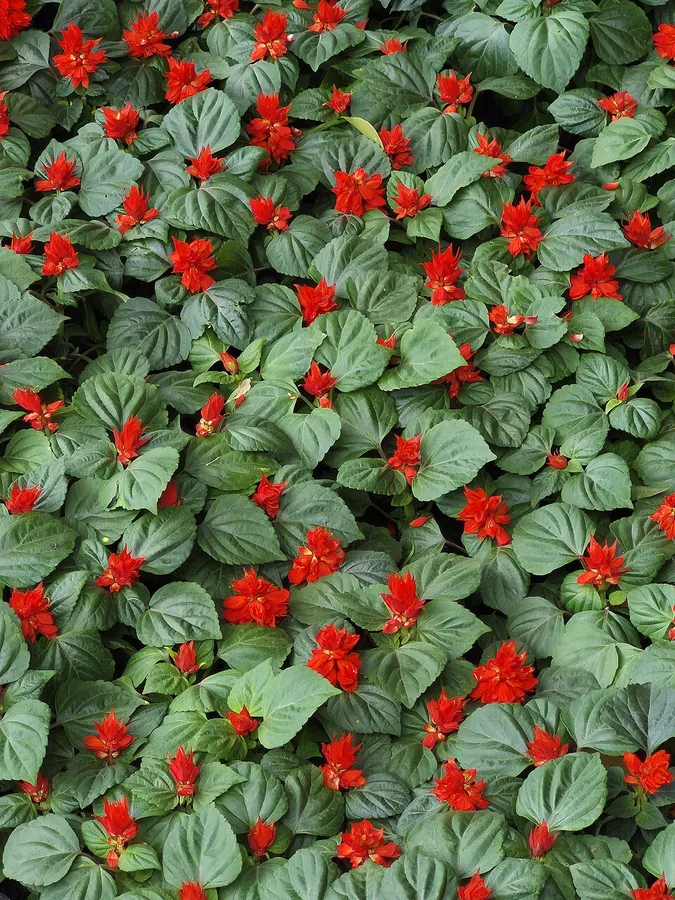
Annual salvia, better known as scarlet sage, is the bedding plant behind those upright spikes of fire-red bloom you see edging summer borders. It belongs to the mint family and is a tender perennial at heart, hardy only in zones 10 and 11, so almost everywhere else gardeners grow it as a warm-season annual and replant each spring.
What it gives you is a long, steady run of color. The flower spikes open from early summer and keep coming until the first frost, and the bright tubular blooms pull in hummingbirds and bees. Plants stay tidy and compact, anywhere from 8 to 36 inches (20 to 91 cm) tall depending on the variety, which makes them easy to slot into beds, edges, or containers.
Salvia is forgiving enough for a first-time gardener. It asks for sun, warmth, and soil that never dries out hard, and in return it flowers without much fuss. Deadhead the spent spikes and the show runs all season.
Care
The short version: full sun to a little afternoon shade, soil kept evenly moist and never bone dry, a slow-release feed at planting, and regular deadheading to keep the flower spikes coming.
Light
Salvia flowers hardest in full sun, though it takes a bit of afternoon shade where summers run hot. Too much shade and the plants stretch tall and floppy with far fewer spikes.
Water
Keep the soil evenly moist, because this is not a drought-tolerant plant. Water once the top inch of soil starts to dry, and step it up in containers or hot weather. Let it run dry and the bloom suffers.
Soil
Plant in well-drained loam enriched with organic matter, though it handles average soils too. It's easygoing about pH, settling in anywhere from 6.0 to 8.0.
Temperature
Salvia is happiest in warmth, roughly 50°F to 90°F (10°C to 32°C), and frost kills it outright. Wait until both soil and air have warmed before planting out.
Humidity
Ordinary outdoor humidity suits it fine, so there's no number to hit. Airflow matters more than moisture in the air, since crowded, still conditions are what invite powdery mildew.
Feeding
Work a slow-release fertilizer for annuals into the soil at planting, then supplement lightly through the season. That steady, gentle feed keeps the spikes coming without forcing soft, floppy growth.
Pruning
Deadhead the faded spikes through summer and the plant keeps pushing fresh bloom. If it goes leggy after a flush, shear it back to bring on tighter, bushier growth.
Size & spacing
Plants run 8 to 36 inches (20 to 91 cm) tall with an 8 to 18 inch (20 to 46 cm) spread, depending on the variety. Give each one room so air moves through and mildew stays away.
When to plant
Salvia is a warm-weather plant with no tolerance for frost. Start the seed indoors in late winter to early spring, set the young plants out only after the last frost when the soil has warmed, and the flower spikes carry on from early summer until cold weather ends the season.
Northern hemisphere
Southern hemisphere
Typical months for a temperate climate: start earlier in warm zones, later where spring frosts linger.
- Sow: 6 to 8 weeks before the last spring frost; do not cover seed as light aids germination
- Plant: After the last frost when soil and air have warmed
- Harvest: Summer to frost (roughly June until first fall frost)
Hardiness
USDA hardiness zones: 10–11
Temperature: down to -1°C
Troubleshooting
Most salvia trouble starts at the seedling stage or in still, crowded air. Catch the early signs and a quick fix usually settles things before they spread. Match what you see below, then act while it still helps.
Seedlings topple and rot at the soil line
This is damping-off, a soilborne fungus that takes hold in cold, soggy starting mix and pinches young stems off right at the surface. Toss the affected seedlings, let the mix dry between waterings, and give the tray better airflow. Resow in sterile mix and clean pots, and keep the seedlings warm.
Fix:
- Discard affected seedlings
- Improve air circulation and let the surface dry between waterings
- Use sterile mix and clean containers for resowing
Sudden wilting with rot at the stem base in warm, wet soil
Southern blight or southern bacterial wilt strikes in hot, waterlogged ground and shows up as wilting even while the soil is still damp. Pull and destroy any plant that goes down, since there's no saving it. Fix the drainage and skip susceptible annuals in that spot next year.
Fix:
- Remove and destroy affected plants
- Improve drainage
- Avoid replanting susceptible annuals in the same spot
Dusty white film on the leaves and stems
Powdery mildew settles in when plants crowd each other and the air sits still. Space the plants out, cut away the worst leaves, and stop watering over the top late in the day. Full sun and room to breathe keep it from coming back.
Fix:
- Increase spacing and airflow
- Remove badly affected foliage
- Avoid overhead watering late in the day
Twisted new growth with sticky residue and tiny insects
Aphids, whiteflies, or spider mites are feeding on the soft growth, leaving sticky honeydew and warped leaves behind. Blast them off with a strong jet of water, then treat what's left with insecticidal soap. Steady moisture and a few beneficial insects keep the next wave in check.
Fix:
- Rinse plants with a strong spray of water
- Apply insecticidal soap to affected areas
- Encourage beneficial insects
Toxicity
Good news for households with animals: scarlet sage is non-toxic. The ASPCA lists it as safe for cats and dogs, and there's no toxin here to worry pets, livestock, or children. Grow it freely around the family.
Safe for
People · Cats · Dogs · Horses · Rabbits · Livestock · Birds
Cats None
Scarlet sage is on the ASPCA's safe list for cats, so a nibble won't poison them. A cat that eats a lot of any plant may still bring it back up, but there's nothing toxic at work.
Dogs None
Dogs can be around this salvia without risk, and the ASPCA lists it as non-toxic to them. A dog that gorges on the foliage might get a passing stomach ache, the same as with any plant.
Horses Safe
Nothing in this plant is poisonous to horses. It poses no real grazing hazard in a pasture or garden border.
Rabbits Safe
Rabbits can browse the leaves and flowers without harm. As with any new green, introduce it slowly so their gut adjusts.
Livestock Safe
Cattle, goats, and sheep face no toxic risk from this salvia if they happen to graze on it.
Birds Safe
The plant holds nothing harmful to birds, and pollinators visit the flowers freely. Backyard fowl can peck at it without trouble.
People Safe
Annual scarlet sage is not poisonous to people and is grown purely for its flowers, not for eating. There's no need to worry if a child handles or tastes it.
Varieties
Plenty of named selections exist, but a few turn up again and again in garden centers. These are the ones worth knowing.
Bonfire
Carries uniform scarlet flower spikes on upright plants that reach about 26 inches tall.
Salsa Series
Stays compact at 12 to 14 inches in scarlet and mixed colors, and it performs well through the heat of the Southeast.
Vista Group
Flowers early on dwarf bedding plants in a wide spread of colors.
Salvia farinacea (mealycup sage)
Sends up blue to violet or white spikes on 1 to 2 foot clumps and is often grown as an annual.
How to propagate
Annual salvia is easy to multiply, whether you raise a fresh batch from a seed packet or root cuttings to hold a favorite plant over the winter.
SeedModerate
Start indoors 6 to 8 weeks before the last frost; surface sow because light aids germination · Several weeks to germinate and grow on before transplanting after frost
Most gardeners raise annual salvia from seed sown indoors 6 to 8 weeks before the last frost. Press the seed onto the surface and leave it uncovered, since light is what triggers it to sprout. Give the tray warmth and bright light, and the seedlings take several weeks to germinate and grow on before they're ready to go out once frost has passed.
Stem cuttingsModerate
Take softwood cuttings in late summer to overwinter plants indoors · A few weeks to root
Cuttings are the way to carry a favorite plant through winter. Take softwood cuttings in late summer and they root in a few weeks, giving you young plants to hold over in a bright, cool spot until spring.
Myths
Garden bedding salvias like scarlet sage are the same plant as the psychoactive Salvia divinorum.
These are different species with nothing in common but the genus name. The ornamental annuals, Salvia splendens and Salvia farinacea, are grown only for their flowers and have none of the use associated with Salvia divinorum.
Salvia is drought tolerant and can be left to dry out once it is established.
Annual scarlet sage is not drought tolerant. It flowers best in warm, well-drained soil that stays evenly moist, so let it dry out and the bloom spikes fade fast.