Ornamental · Lamiaceae
Bells of Ireland
Moluccella laevis
Tall green spires of bell-shaped calyces that prize cool weather and dry beautifully for the vase.
Full sun
39–81°F · 4–27°C
USDA 2–11
24–35 in · 60–90 cm
Overview
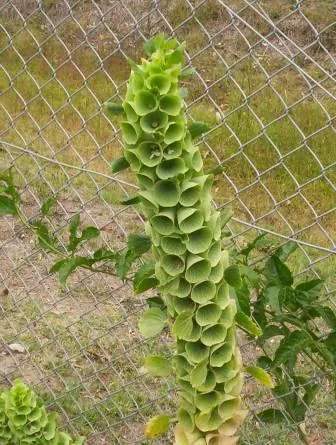
Bells of Ireland earns its name from the ring of green, bell-shaped calyces stacked up each tall stem, with the tiny true flowers tucked inside. Despite the name it hails from the eastern Mediterranean to western Asia, not Ireland at all. Gardeners grow it as a cool-season annual for its unusual color and its shape, both in the bed and later in a vase.
This is a plant that wants cool growing weather and resents heat and humidity. It shoots up fast, throwing spikes of 2 to 3 feet (60 to 90 cm) in a single season, then blooms from mid-summer into fall. Hidden under each green bell sit pairs of small, sharp spines, so reach for gloves before you cut a stem.
Florists love it as much as gardeners do. The green calyces hold their color when cut, and they dry well for lasting arrangements, which is why the stems turn up in bouquets long after the garden has gone quiet.
Care
The short version: full sun and cool growing weather, soil kept evenly moist but never soggy, a balanced feed through the season, and a stake for the tall spikes in any windy spot.
Light
Give it full sun for the strongest, straightest spikes, though it will take a little partial shade. Too much shade leaves you with weak, leaning stems and fewer of those green bells.
Water
Keep the soil evenly moist at all times, and water through any dry spell so it never bakes. This plant dislikes heat, so steady moisture in summer is one of the few ways to keep it going.
Soil
Plant it in loose, moderately fertile, well-drained ground that holds even moisture. It puts up with poorer soil as long as drainage stays sharp, and a pH anywhere from 6.0 to 7.5 suits it fine.
Temperature
This is a cool-weather plant that runs best between roughly 39°F and 81°F (4°C to 27°C). Once the heat and humidity of high summer set in, it starts to slow and fade.
Humidity
Ordinary outdoor air is fine, so there's no target to hit. Humid, muggy heat is the real enemy, so give the plants room and keep air moving around them.
Feeding
A balanced general-purpose fertilizer once a month through the growing season is plenty. Don't pile it on, since soft, overfed growth flops more easily.
Pruning
Cut the flower spikes for fresh or dried use, and deadhead before the seed sets if you want to rein in the self-sowing. In windy spots the tall spikes often need a stake to stay upright.
Size & spacing
Expect plants to reach 2 to 3 feet (60 to 90 cm) tall. Set them about 12 to 18 inches (30 to 46 cm) apart, which is close enough that neighboring stems help hold each other up.
When to plant
Bells of Ireland is built for cool weather and fades in the heat, so timing is everything. Start seed indoors in late winter, move plants out a few weeks before the last frost once nights hold above 40°F (4°C), and the spikes bloom from mid-summer into fall.
Northern hemisphere
Southern hemisphere
Typical months for a temperate climate: start earlier in warm zones, later where spring frosts linger.
- Sow: 8 to 10 weeks before the last spring frost; barely cover seed as light aids germination, which can be slow (up to a month).
- Plant: A few weeks before the last frost, or transplant once night temperatures stay above 40°F (4°C).
- Harvest: Blooms mid-summer to fall (July to September); cut stems for fresh use, or before seed ripens for drying.
Hardiness
USDA hardiness zones: 2–11
Temperature: down to -46°C
Troubleshooting
Most trouble with this plant traces back to two things: summer heat and the height of its own spikes. Read the early signs below and you can step in before a small setback spoils the display.
Plants stall and stop blooming once summer turns hot
Bells of Ireland is a cool-season plant, and heat with humidity is what wears it down. When the worst of summer arrives, the spikes fade and flowering slows. Site it in full sun with air moving freely, keep the soil evenly moist, and sow early so the show happens before the heat peaks.
Fix:
- Site in full sun with good air circulation
- Keep soil evenly moist during heat
- Sow early so plants bloom before peak summer heat
Few or no seedlings a month after sowing
Slow germination usually means the seed went in too deep or sat at the wrong temperature. Bells of Ireland needs light to sprout, so barely cover the seed and give it warm days around 80°F to 86°F (27°C to 30°C) with cooler nights near 60°F (16°C). Then wait, because even under good conditions the seedlings can take up to a month to show.
Fix:
- Barely cover seed as light aids germination
- Provide warm day temperatures around 80 to 86°F and cooler nights near 60°F
- Be patient; germination can take up to a month
Tall spikes leaning or sprawling after wind and rain
The flower spikes grow tall and top-heavy, so a gust or a downpour can bend them over, and the tallest ones lean first. Stake them early in any exposed spot and pick a sheltered site out of the wind. Setting plants about a foot apart lets them prop each other up, and going easy on rich soil keeps the growth from getting soft and weak.
Fix:
- Stake taller spikes
- Provide a sheltered, less windy location
- Space plants about a foot apart for mutual support
Toxicity
Good news for households with pets and children, since this plant is not considered poisonous to animals or people. The one real hazard is physical, not chemical: pairs of sharp little thorns hide beneath each green bell, so wear gloves whenever you handle or cut the stems.
Safe for
People · Cats · Dogs · Horses · Rabbits · Livestock · Birds
Cats None
No reports tie this plant to poisoning in cats, and it isn't listed as toxic. The small spines along the stems are the only thing to mind, since a curious cat could prick its mouth.
Dogs None
Dogs can be around it without worry, as nothing in the plant is considered poisonous. A chewed stem might just sting from the hidden thorns rather than cause any real harm.
Horses Safe
Horses face no toxic risk here. The sharp spines under each calyx make it an unappealing mouthful anyway.
Rabbits Safe
Rabbits won't be poisoned by it. The prickly stems tend to put them off well before they eat much.
Livestock Safe
Grazing animals such as cattle, goats, and sheep have no toxin to fear from this plant. Most leave the spiny spikes alone of their own accord.
Birds Safe
Backyard birds can share a garden with it safely, since no part is known to harm them.
People Safe
The plant poses no poisoning risk to people. Still, wear gloves when cutting stems, because the thorns tucked under the green bells are sharp enough to draw blood.
Pairs of small thorns or spines hide below each calyx along the stems and are sharp to the touch; wear gloves when handling or harvesting.
Varieties
Only a couple of named selections show up alongside the wild species, each chosen for a particular trait. These are the ones worth knowing.
Pixie Bells
A compact selection with sturdier, shorter stems that hold up far better and rarely flop the way the species does.
Long Spike
Grown for its extra-long flower spikes, the kind cut-flower arrangers reach for.
How to propagate
Bells of Ireland is grown from seed, and the seed itself has a few quirks worth getting right before you sow.
SeedModerate
Sow indoors 8 to 10 weeks before last frost, or outdoors a few weeks before last frost; often self-seeds in the garden. · Germination can take up to a month; plants bloom the same season from mid-summer to fall.
Start from seed indoors 8 to 10 weeks before your last frost, or sow straight into the ground a few weeks before it. Barely cover the seed since light helps it sprout, and give it warm days around 80°F to 86°F (27°C to 30°C) with cooler nights near 60°F (16°C). Be patient, because germination can take up to a month, but the plants bloom that same season from mid-summer into fall, and they often drop seed and come back on their own the next year.
Myths
Bells of Ireland comes from Ireland.
The name is misleading. The plant is native from the eastern Mediterranean across to western Asia and India, nowhere near Ireland, and the common name almost certainly nods to the green color of its bell-shaped calyces.
The seed has to be cold-stratified before it will germinate.
Some guides tell you to chill the seed first, but the research doesn't back it up. What actually matters is surface sowing with light and the right temperatures, not a spell in the cold.