Tree · Betulaceae
River Birch
Betula nigra
Give it moist, acidic soil and full sun, and river birch grows fast with peeling, cinnamon bark.
Full sun
Every 3–7 days
USDA 4–9
40–70 ft · 12.2–21.3 m
Overview
River birch is the birch that thrives where others sulk. Native to stream banks and floodplains across the eastern United States, it takes wet feet, heavy clay, and the occasional flood in stride. Where most birches struggle in heat and soggy ground, this one grows fast and keeps its footing.
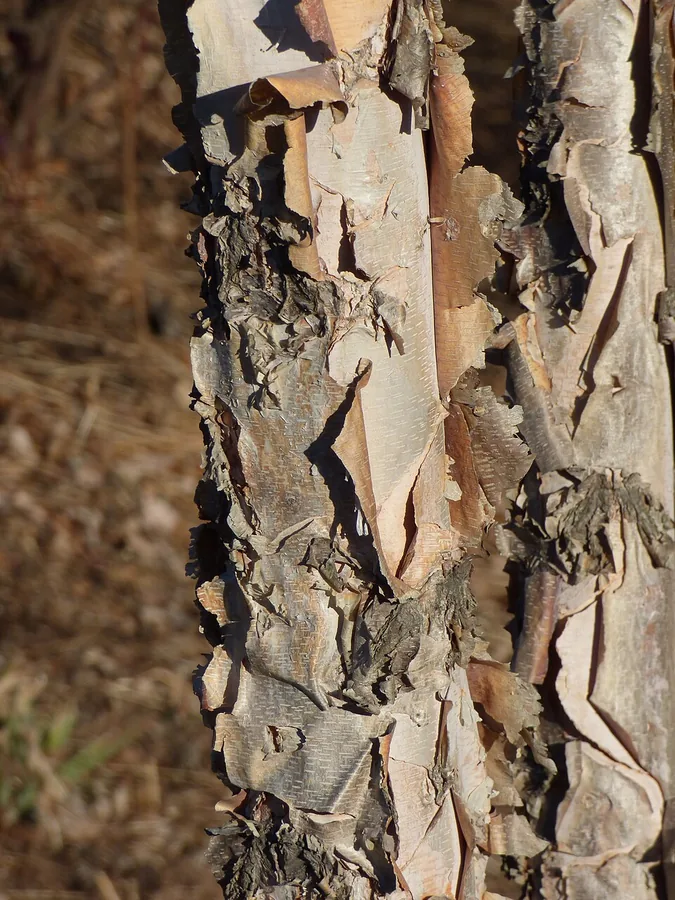
The real draw is the bark. On a young tree it peels back in papery curls of salmon, cinnamon, and cream, and the show only gets better as the trunk matures and the plates grow ragged and dark. It reaches well over 40 feet, often grown as a graceful multi-stemmed clump, so give it room to stretch.
It earns its keep beyond looks. River birch is the most disease-free birch and the most resistant to the bronze birch borer that finishes off white-barked types, which makes it the dependable choice for a fast-growing shade tree. Plant it in acidic ground, keep the roots cool and moist, and it asks for very little after that.
Care
The short version: full sun, moist to wet acidic soil, and steady water while it gets going. Mulch the roots, hold off on pruning until summer or fall, and give it plenty of room to spread.
Light
River birch does best in full sun but takes partial shade without much complaint. More sun gives you a fuller crown and the strongest bark color, so plant it in the open where you can.
Water
This tree wants moist to wet, acidic soil and will even ride out flooding, but it sheds interior leaves during a summer drought. Soaker hoses and a layer of bark mulch keep the roots cool and damp, which is exactly what it asks for.
Soil
Give it moist to wet, acidic ground, whether that's loam, sand, or clay, since it shrugs off poor drainage. Aim for a pH of 5.0 to 6.5, because anything more alkaline turns the leaves yellow.
Temperature
River birch is cold-hardy and heat-tough, taking everything from -29°F to 100°F (-34°C to 38°C). That range covers zones 4 through 9, so it suits most of the country.
Humidity
Ordinary outdoor humidity is all it needs, so there's no number to chase. What the tree really wants is moisture at the roots, not in the air.
Feeding
Feed in spring with a balanced fertilizer or compost, though in fertile ground it usually doesn't need any. Don't overdo the nitrogen, since soft new growth only invites aphids.
Pruning
River birch needs little pruning, and timing is everything. Cut only in summer or fall, never in late winter or spring, because rising sap makes the wounds bleed heavily.
Repotting
This is a landscape tree, not a container plant, so it's rarely potted for long. If a nursery specimen starts circling its roots or stalling in the pot, get it into the ground.
Size & spacing
River birch grows fast to a towering 40 to 70 feet (12 to 21 m) tall with a spread of 40 to 60 feet (12 to 18 m). Site it well away from foundations and pavement, and give it the full width it needs.
When to plant
River birch is hardy from zones 4 to 9 and goes in the ground in spring or fall while the weather is mild. The yellow-brown catkins open in April and May, well before the tree leafs out for the season.
Northern hemisphere
Southern hemisphere
Typical months for a temperate climate: start earlier in warm zones, later where spring frosts linger.
- Plant: Spring or fall
- Harvest: April to May (catkins)
Hardiness
USDA hardiness zones: 4–9
Temperature: down to -34°C
Troubleshooting
River birch is one of the toughest birches, and most of what goes wrong traces back to soil pH or pruning at the wrong time of year. Read the early signs below and you can usually set things right before they spread. Match the symptom, then act while it still helps.
Yellow leaves with veins that stay green
This is iron chlorosis, and it shows up when the soil runs too alkaline for the tree to pull iron out of it. The fix starts in the ground: acidify the soil with elemental sulfur to bring the pH down, then add chelated iron and keep the root zone mulched, moist, and acidic. River birch only stays green where the soil sits on the acid side, so steer clear of limed or chalky sites.
Fix:
- Acidify soil with elemental sulfur to lower pH
- Apply chelated iron to soil or as foliar spray
- Mulch and keep soil moist and acidic
Curled leaves with a sticky coating
Soft-bodied aphids clustered on the leaf undersides are behind this, and the sticky honeydew they leave is the giveaway. Blast them off with a strong jet of water first, then reach for insecticidal soap or horticultural oil if they hang on. Lady beetles and other predators will mop up the rest, so go easy on the nitrogen and keep the tree well watered to stop fresh waves.
Fix:
- Spray plants with a strong jet of water
- Apply insecticidal soap or horticultural oil
- Encourage beneficial predators such as lady beetles
Brown or black spots on the leaves
Wet seasons bring fungal leaf spot, which can knock leaves down early but rarely does any lasting harm. Rake up and bin the fallen infected leaves, open the canopy for better airflow, and keep water off the foliage. River birch is one of the most disease-free birches, so a resistant cultivar and a tidy cleanup are usually all it takes.
Fix:
- Rake and remove fallen infected leaves
- Improve air circulation
- Avoid overhead watering
Sap weeping heavily from fresh cuts
Cut a river birch in late winter or early spring and the wound weeps clear sap without stopping, because the tree is bleeding sap as it rises. It looks alarming but does no real damage, and no sealant will plug it. Stop cutting until the tree is in leaf, let the wounds close on their own, and from then on prune only in summer or fall.
Fix:
- Stop pruning until summer or fall
- Allow cuts to seal naturally without sealant
Toxicity
River birch is safe to have around. The leaves, bark, twigs, and seeds carry no toxins, so it poses no poisoning risk to pets, livestock, or children. A curious nibble is nothing to worry about.
Safe for
People · Cats · Dogs · Horses · Rabbits · Livestock · Birds
Cats None
River birch is not toxic to cats, so a curious nibble on a low leaf or twig won't cause poisoning.
Dogs None
Dogs can chew the bark or fallen twigs without harm, since nothing in the tree is poisonous to them.
Horses Safe
The leaves and bark hold no toxins, so horses grazing near a river birch are in no danger.
Rabbits Safe
Rabbits that gnaw the bark or young shoots are fine; river birch carries nothing that would hurt them.
Livestock Safe
Cattle, goats, and sheep can browse the foliage safely, as the tree is not poisonous to grazing animals.
Birds Safe
Birds feed on the small seeds in the catkins without any risk, and the tree gives them no trouble.
People Safe
River birch poses no poisoning risk to people, including children who handle the bark or leaves.
No special handling required for toxicity; this is a large landscape tree, not a houseplant.
Varieties
Several named cultivars have been bred for better bark, smaller size, or extra heat tolerance. These are the ones you'll most often find at the nursery.
Heritage ('Cully')
This vigorous, borer-resistant selection peels back its salmon-cream to brown bark to show creamy white inner bark underneath.
Dura-Heat ('BNMTF')
A smaller cultivar at 30 to 40 feet with creamy white bark, this one stands up to summer heat and disease better than most.
Summer Cascade
This is the weeping form, with branches that spill and cascade toward the ground.
How to propagate
River birch is grown from seed or softwood cuttings, and both take some patience. Here is how each method works and how long to expect before the young tree settles in.
SeedModerate
Collect and sow seed in late spring after catkins ripen · 1 to 2 growing seasons
Seed is the usual way to raise river birch. Gather it in late spring once the catkins ripen and sow it fresh onto a moist substrate, since the seed doesn't keep well. Give it 1 to 2 growing seasons to settle in before the young tree is ready to move on.
Stem cuttingsModerate
Early summer using softwood cuttings · Several weeks to root, one season to establish
You can also start river birch from softwood cuttings taken in early summer and rooted under mist. The cuttings take several weeks to root and need a full season to establish, so this route asks for more patience than seed.
Myths
The bronze birch borer kills every birch, so river birch will fall to it too.
River birch is the most borer-resistant birch of all and shrugs off the bronze birch borer that kills stressed white-barked birches. If you want a birch that the borer won't take down, this is the one to plant.