Ornamental · Campanulaceae
Lobelia
Lobelia erinus
Give it cool weather, part shade, and steady moisture, and lobelia spills out clouds of blue from spring into fall.
Partial sun
Every 2–4 days
36–81°F · 2–27°C
70–85 days
Overview
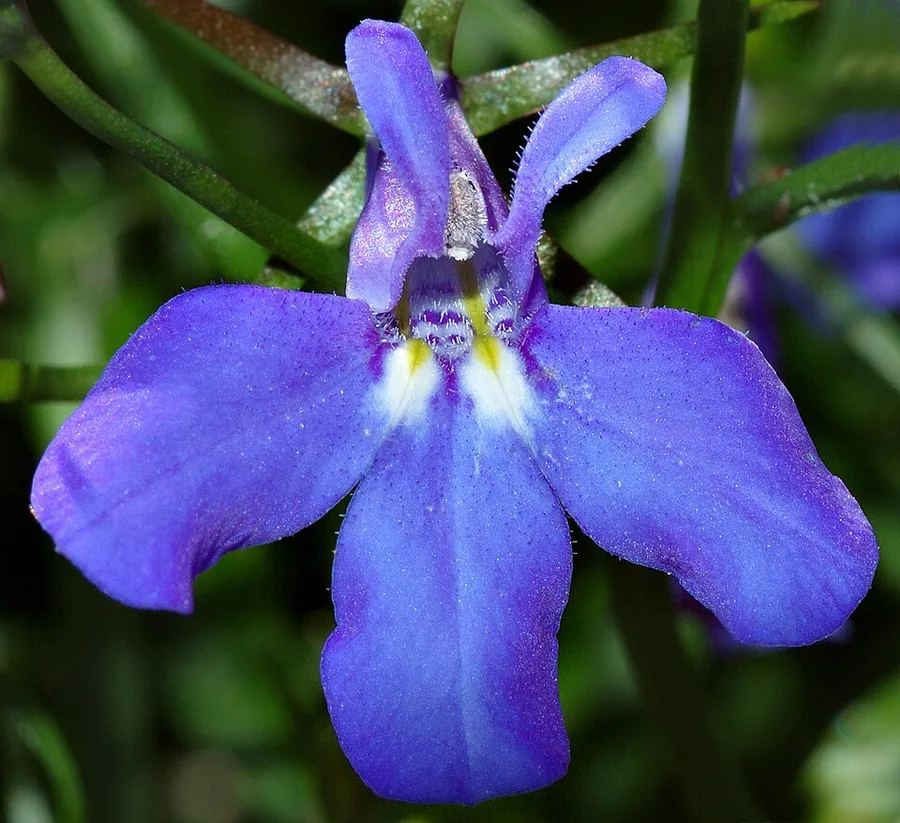
Lobelia is the low, frothy edger that lines paths and tumbles from baskets in a haze of blue. It belongs to the bellflower family and grows as a tender annual in most gardens, staying small at 4 to 9 inches (10 to 23 cm) tall while spreading into a soft mat or a trailing curtain of flowers.
What sets it apart is the timing. This is a cool-season plant that does its best work in the mild stretches of spring and fall, flowering from April into early summer where the weather stays gentle. Push it into a hot, muggy summer and it sulks, which is why so many gardeners cut it back and wait for cooler weather to coax a second flush.
It asks for little once it settles in: rich, moist soil, a spot out of the harshest afternoon sun, and water before it ever dries out. Get those right and a single planting carries weeks of color. The one thing to remember is that the whole plant is toxic, so site it where pets and grazing animals can't reach it.
Care
The short version: part shade where summers are hot, rich soil kept evenly moist, a balanced feed every couple of weeks, and a hard cutback in midsummer to bring the flowers back in fall.
Light
Lobelia likes part sun best and will take full sun in cool climates. Where summers turn hot, give it afternoon shade, since too much heat and glare are what knock it out of bloom early.
Water
Keep the soil evenly moist at all times, because lobelia has no tolerance for drought and fades fast if it dries out. Water at the base every 2 to 4 days, more in heat, but don't let it sit soggy or you invite rot.
Soil
Plant it in rich, well-drained ground loaded with organic matter, whether that's loam, sand, or clay. It is easygoing about pH, happy anywhere from 6.0 to 7.5, as long as the soil holds moisture without staying waterlogged.
Temperature
This is a cool-weather plant that handles a range of about 36°F to 81°F (2°C to 27°C). It thrives in the mild ends of the season and struggles once summer heat and humidity settle in.
Humidity
Ordinary outdoor air suits it fine, so there's no target to hit. Muggy summer heat is the real problem, not dryness, since damp, stagnant air around the plant invites the rots that trouble it.
Feeding
Feed every two weeks through the growing season with a balanced water-soluble fertilizer. The steady, light diet keeps a fast grower flowering instead of running out of steam mid-season.
Pruning
When the heat takes the shine off in midsummer, shear the whole plant back by about a third. The hard cut looks brutal for a week, then pushes fresh growth that reblooms once cooler fall weather arrives.
Size & spacing
Lobelia stays low, about 4 to 9 inches (10 to 23 cm) tall, and spreads 6 to 12 inches (15 to 30 cm) wide. That compact, mounding-to-trailing habit is what makes it such a natural for edging beds and filling the front of containers.
When to plant
Lobelia runs on cool weather, so the calendar matters. Start the slow seed indoors well before your last frost, move plants out once spring has settled, and enjoy the flowers from April into summer, longer where the season stays mild.
Northern hemisphere
Southern hemisphere
Typical months for a temperate climate: start earlier in warm zones, later where spring frosts linger.
- Sow: Start seed indoors 8 to 10 weeks before the last spring frost; seed can be slow and difficult to germinate.
- Plant: Transplant after the last frost once cool spring weather is settled.
- Harvest: April to June, continuing into summer in cool climates
Hardiness
USDA hardiness zones: 10–11
Temperature: down to -1°C
Troubleshooting
Most lobelia trouble comes down to two things: too much water early on and too much heat later. Catch the signs below while they are still small and you can usually turn the plant around. Match what you see, then act before it spreads.
Seedlings flop over and rot at the soil line
This is damping-off, a soil fungus that strikes young seedlings in cold, wet conditions. The stems turn water-soaked and pinch in right at the base, then the plants topple all at once. Sow in a clean, well-draining mix, ease off the watering, give the tray more air, and clear out any seedlings that have already gone.
Fix:
- Use sterile, well-draining seed mix
- Improve air circulation and reduce watering
- Remove and discard affected seedlings
Plant wilts while the roots turn brown and soft
When the soil stays wet and badly drained, stem and root rot take hold. The telltale sign is wilting that hangs on even though the soil is soaked, with roots gone dark and mushy. Improve the drainage and water less often, and pull any plants that are too far gone.
Fix:
- Improve drainage and reduce watering frequency
- Remove severely affected plants
Blooms and foliage fade once summer heat sets in
Lobelia is a cool-weather plant, so heat and humidity stress wear it down as the season warms. The plants look ragged and quit flowering once temperatures climb. Cut them back by about a third, keep the soil evenly moist through the heat, and give them afternoon shade where summers run hot, and many will rebloom when cooler fall weather returns.
Fix:
- Cut plants back by about one-third to encourage fall rebloom
- Maintain consistent moisture during heat
- Provide afternoon shade in hot climates
Toxicity
Treat lobelia as a look-but-don't-eat plant. Every part holds lobeline and related alkaloids, so eating it makes pets, livestock, and people sick, with nausea, vomiting, and drooling, and heart and breathing effects from a large amount. Plant it where animals and small children can't get at it.
Toxic to
Cats · Dogs · Horses · Rabbits · Livestock · Birds · People
Cats Toxic
Every part of the plant carries lobeline, so a cat that nibbles it can drool, go off its food, and turn dull and listless. Vomiting and diarrhea usually follow, and a big mouthful can throw off the heartbeat and breathing.
Dogs Toxic
A dog that chews the leaves or flowers tends to drool heavily and vomit, with stomach pain and loose stools close behind. Eat enough and the alkaloids start to affect the heart and breathing.
Horses Toxic
Horses react to the same alkaloids with drooling, a sour stomach, and a flat, depressed mood. A large dose can disturb the heart rhythm, so keep lobelia well clear of paddocks and hay.
Rabbits Toxic
The alkaloids run right through the plant, so none of it is safe for a rabbit to graze. Expect drooling and gut upset, and worse from a larger feed.
Livestock Toxic
Cattle, sheep, and goats can be poisoned by grazing the foliage, which brings on salivation, vomiting, and weakness. Heavy grazing risks heart and breathing trouble, so fence it away from pasture.
Birds Toxic
The lobeline in the leaves and flowers makes lobelia an unsafe nibble for pet or backyard birds. Even a small taste can upset the gut, and more can affect the heart.
People Caution
No part of lobelia is food, and eating it brings on nausea, vomiting, and drooling. A large amount can affect the heart and breathing, so keep curious children away from the plants.
Keep away from grazing animals and pets.
Helpline numbers

United States
ASPCA Animal Poison Control: (888) 426-4435 (fee applies)
Poison Control: (800) 222-1222



Canada
Poison Centres: 1-844-764-7669
Varieties
Lobelia comes in upright edging types and trailing types for baskets, mostly in shades of blue. These are the names you'll run into most often.
Crystal Palace
A compact, upright pick for edging, set apart by deep blue flowers over bronze-tinged foliage.
Cambridge Blue
A neat mounding edger that carries soft sky-blue flowers.
Sapphire
A trailing type with blue flowers and a white eye that spills nicely from a hanging basket.
Laguna series
A group of trailing cultivars bred to take the heat and keep performing in summer containers.
How to propagate
Lobelia is grown from seed, though it rewards patience more than speed.
SeedModerate
Start indoors 8 to 10 weeks before the last frost. · Roughly 10 to 12 weeks from sowing to transplant-ready size.
Lobelia is grown from seed, but it tests your patience. The seed is dust-fine and slow to sprout, so start it indoors 8 to 10 weeks before your last frost, surface-sow it, and keep it evenly moist and warm. Count on 10 to 12 weeks from sowing to a plant ready to go out, and if that feels like a gamble, nursery transplants are the surer route.
Myths
Edging lobelia is the same plant as the medicinal cardinal flower.
Annual edging lobelia (Lobelia erinus) is a different species from cardinal flower (Lobelia cardinalis), even though gardeners sometimes lump them together. What they share is the danger: every Lobelia holds toxic lobeline alkaloids and none is safe to eat.
Lobelia is a true sun-lover that thrives in summer heat.
It is a cool-season annual that wants part shade where summers turn hot. The heat and humidity of mid-summer usually make it decline, which is why it shines in spring and fall rather than at the peak of the season.