Ornamental · Campanulaceae
Balloon Flower
Platycodon grandiflorus
Plant it once in full sun and sharp drainage, and the puffed-up buds pop open every summer for years.
Full sun
Every 5–10 days
USDA 3–8
12–30 in · 30–76 cm
Overview
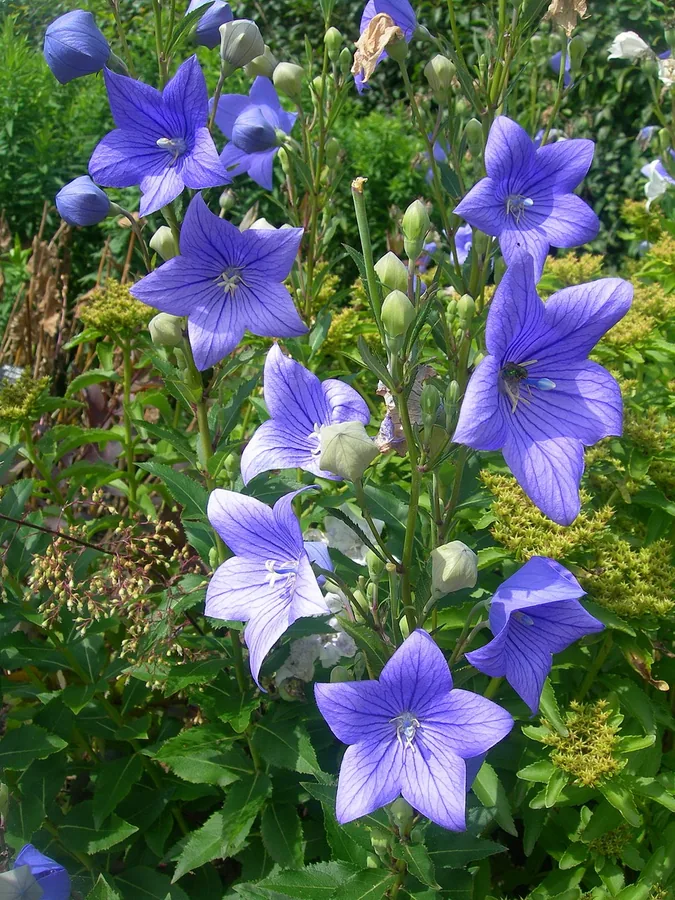
Balloon flower earns its name from the buds. Each one swells into a little inflated pod before it splits open into a wide, five-pointed star, usually in deep blue but also in white and pink. It's a hardy perennial from the bellflower family, native to East Asia, and tough enough to come back year after year in zones 3 through 8.
This is a plant for gardeners who like a low-fuss perennial. It asks for full sun, soil that drains well, and not much else, blooming from June into August once it settles in. The taller forms have one quirk worth knowing: they tend to flop without support, so many people cut them back in late spring to keep them compact.
One habit catches new growers off guard. Balloon flower is a late riser in spring, pushing up new stems weeks after the rest of the bed has greened up, which leads plenty of people to assume it has died. Mark where it sits and resist the urge to dig, and it returns on its own schedule.
Care
The short version: full sun and light, well-drained soil, with even moisture but never soggy roots. Feed lightly in spring, cut taller stems back in May to curb flopping, and otherwise leave this easy perennial to its own devices.
Light
Give balloon flower full sun for the sturdiest stems and the most flowers. It tolerates partial shade, but plants grown in too little light stretch, weaken, and lean over far more than those in the open.
Water
Keep the soil evenly moist but never waterlogged, watering roughly every 5 to 10 days once the top inch dries. The one rule that matters most is drainage, since roots sitting in wet ground rot quickly.
Soil
Plant in light, rich, well-drained loam that lets water move through freely. A slightly acidic pH of 5.5 to 6.0 suits it best, and soil that holds water is the fastest way to lose the plant.
Temperature
This is a genuinely cold-hardy perennial, riding out winters down to -29°F (-34°C) and shrugging off summer heat up to around 90°F (32°C). That range covers zones 3 through 8 with no special protection.
Humidity
Ordinary outdoor humidity is all it needs, so there's no target to hit. Air movement counts for more than moisture in the air, since still, damp conditions invite rot and slugs.
Feeding
A light hand is all this plant wants. Work in a little balanced fertilizer or compost in spring and leave it at that, because too much feeding grows soft, floppy stems instead of flowers.
Pruning
Deadhead spent blooms to keep the flowers coming, and cut taller stems back by half in May to head off flopping and skip the staking. Leave the old stems standing through winter to mark where the late crowns will surface.
Repotting
Balloon flower rarely needs repotting, and it dislikes having its roots disturbed. Move a container-grown plant only when flowering drops off or roots start circling the pot, and handle the brittle taproot with care.
Size & spacing
Plants reach 12 to 30 inches (30 to 76 cm) tall and spread 12 to 18 inches (30 to 46 cm) wide, depending on the cultivar. Give each one that much room so air moves freely and the stems stay upright.
When to plant
Balloon flower runs on a late clock. Start seeds indoors in late winter, set young plants out after the last frost once the soil warms, and the inflated buds open from June into August.
Northern hemisphere
Southern hemisphere
Typical months for a temperate climate: start earlier in warm zones, later where spring frosts linger.
- Sow: Late winter to early spring, about 6-8 weeks before last frost
- Plant: After last spring frost once soil has warmed
- Harvest: June to August
Hardiness
USDA hardiness zones: 3–8
Temperature: down to -40°C
Troubleshooting
Balloon flower stays healthy with little help, and most of its troubles come from too much water or hungry slugs rather than disease. Watch the roots and the lower leaves, and match what you see below before you reach for a fix.
Wilting, yellowing, and soft roots in soggy ground
This is root rot, and it almost always traces back to wet feet rather than disease blowing in. Dig up a struggling plant and you'll find mushy, darkened roots and soil that never dries out. Improve the drainage, ease off the watering, and replant survivors in light, well-drained loam.
Fix:
- Improve drainage and reduce watering
- Remove severely affected plants
- Replant in light, well-drained loam
Ragged holes in the leaves with silvery slime trails
Ragged holes and a telltale silver smear point to slugs and snails feeding after dark. Go out with a flashlight at night or just after rain to catch them in the act. Pick them off, clear the damp debris they hide under, and set out iron-phosphate bait if the chewing keeps up.
Fix:
- Hand-pick slugs and snails in the evening
- Remove debris and mulch that shelters them
- Use traps or iron-phosphate baits if needed
Tall stems that lean over and sprawl
The taller cultivars are simply prone to flopping once they reach full height, and a good rain or too much shade makes it worse. Grow them in full sun for sturdier stems, and cut the plants back by half in May to keep them shorter. Staking holds up anything that still leans.
Fix:
- Stake taller plants
- Cut stems back by half in May to reduce height
- Grow in full sun for sturdier stems
Toxicity
Good news on this one: balloon flower is safe to have around the whole household. The ASPCA doesn't list it as toxic to pets, and it isn't flagged as poisonous to people. In fact the root is a traditional Korean vegetable called doraji, though it does carry saponins that can upset a stomach if raw plant material is eaten in quantity.
Safe for
People · Cats · Dogs · Horses · Rabbits · Livestock · Birds
Cats None
Safe to have around cats, with no toxic compounds the ASPCA flags. A curious nibble might cause a little stomach upset from the saponins in the plant, but nothing more.
Dogs None
Dogs can share the garden with this one. It isn't on the ASPCA toxic list, and the worst a mouthful of leaves is likely to bring is a brief, mild tummy upset.
Horses Safe
No concern for horses. The plant carries none of the toxins that trouble grazing animals.
Rabbits Safe
Rabbits can browse it without harm, though the saponins mean it's best as a small taste rather than a steady part of the diet.
Livestock Safe
Cattle, goats, and sheep can graze near it safely, since none of its parts are poisonous to them.
Birds Safe
Backyard and wild birds face no danger from the plant or its seeds.
People Safe
Safe for people, and the root is a genuine food. Korean cooks prepare it as doraji, though raw root in quantity can upset the stomach because of its saponins.
Roots and other parts contain saponins (platycosides); eating raw plant material in quantity could cause mild stomach upset, and traditional use involves preparing the root before eating.
Varieties
Most balloon flowers sold are named cultivars chosen for height or flower color. These are the ones you'll run into most.
Astra Blue
A compact dwarf that opens fat violet-blue balloon buds into wide, star-shaped flowers.
Fuji White
A taller selection that trades the usual blue for clean white bell-shaped flowers.
Komachi
An oddity whose blue buds stay sealed in the inflated balloon stage and never fully open.
Sentimental Blue
A very compact, free-flowering dwarf with blue flowers that suits the front of a border or a container.
How to propagate
Balloon flower is best raised from seed, because the brittle taproot makes the other routes harder than they're worth.
SeedEasy
Sow indoors in late winter/early spring or direct sow after frost · One to two seasons to reach flowering size
Seed is the easiest and best way to raise balloon flower. Sow indoors in late winter or early spring, or direct sow after the frost passes, and the plants reach flowering size in one to two seasons. Because the roots resent disturbance, starting from seed beats trying to move an established clump.
DivisionDemanding
Spring · Variable; recovery can be slow
You can divide a plant in spring, but the fragile, fleshy taproot makes it hard, and the plant resents it. Recovery is slow and uneven, so it's usually better to leave an established clump where it is.
Stem cuttingsModerate
Late spring to early summer · Several weeks to root
Basal stem cuttings taken in late spring or early summer offer a way to multiply a plant without touching the taproot. Give them several weeks to root before they're ready to move on.
Myths
Balloon flowers are easy to lift and divide like most clumping perennials.
The roots are fleshy and brittle, so digging and splitting a clump tends to set the plant back or kill it. Start new plants from seed and leave established ones alone once they settle in.
The plant has died because nothing comes up in early spring.
Balloon flower is just a late riser, and the new stems push up well into spring after most perennials are already growing. Mark where each plant sits and hold off on early digging so you don't damage the crowns before they wake.