
Introduction
Greek legend says the hero Achilles crushed yarrow plant leaves into soldier wounds on the battlefield. That old tale gave this perennial wildflower its Latin name. We now call it Achillea millefolium after more than 3,000 years of herbal use.
I started growing yarrow about 8 years ago after a harsh summer drought killed half my flower beds. The yarrow stood strong through it all without a single drop of extra water from me. Since then I've tested dozens of varieties in poor soil, clay, and sand to learn what works. A 2023 Heliyon journal review covered 228 peer reviewed papers on this one plant alone. That makes yarrow one of the most studied herbs in modern science.
This plant grows in all 50 US states and every Canadian province. You can find it from sea level all the way up to 11,000 feet in elevation. Think of yarrow as the Swiss Army knife of the garden. It draws in pollinators and fights erosion on slopes. It works as a herbal remedy and blooms as a drought tolerant ornamental too. Few perennials match that kind of range.
This guide walks you through the best varieties and smart planting methods. You'll also learn about medicinal uses backed by research. Plus I cover safe ways to tell yarrow apart from toxic lookalikes. Grab your garden gloves and let's get started with one of the most rewarding plants you can grow.
8 Best Yarrow Varieties
Most people think yarrow only comes in white yarrow blooms, but the yarrow flower colors span a wide range. NC State Extension lists 12 yarrow cultivars that cover cream, gold, orange, pink yarrow, red, and purple tones. Each one fits a different garden style and climate.
I've grown most of these yarrow varieties over the past few years and tested them in heat, cold, and drought. The key is to match each variety to your landscape. A cottage garden needs bold color while a meadow restoration calls for native stock. USDA NRCS warns that native yarrow vs cultivars matters for habitat work. Colored types may cross with wild local plants in your area.
Below are the 8 best yarrow varieties I trust based on real garden testing. Each entry covers height, bloom color, and the ideal setting so you can pick the right one fast.
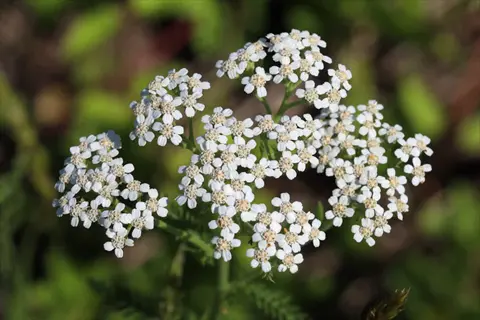
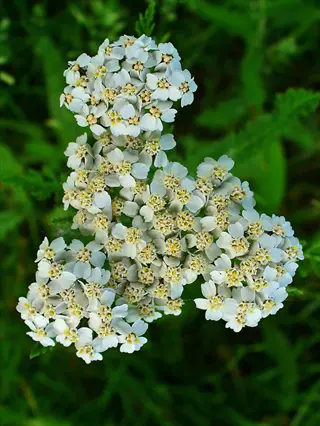
Common White Yarrow
- Growth Habit: The native species reaches 1 to 3 feet (30 to 91 centimeters) tall with a spreading habit through underground rhizomes that extend 6 to 12 inches (15 to 30 centimeters) per year.
- Flower Details: Flat-topped white flower clusters called corymbs bloom from late spring through early fall and attract 47 recorded pollinator species to the garden.
- Best Setting: Ideal for wildflower meadows, prairie restorations, and pollinator gardens where a natural spreading habit is welcome rather than controlled.
- Soil Needs: Thrives in lean, poor, well-drained soil with a pH range of 5.5 to 8.0 and requires almost no supplemental fertilizer once established.
- Conservation Value: USDA NRCS recommends this native ecotype over colored cultivars for habitat restoration, erosion control, and mine reclamation projects.
- Hardiness Range: Grows reliably across USDA Zones 3 through 9, tolerating extreme cold, drought, heat, humidity, and even moderate salt exposure.
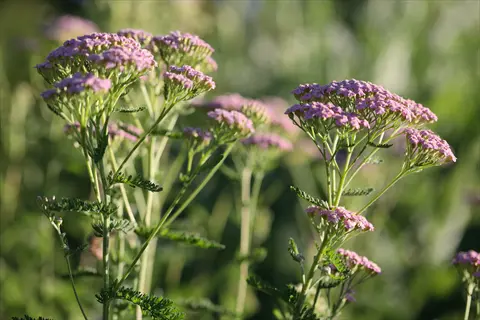
Cerise Queen Yarrow
- Flower Color: Produces vibrant magenta pink flower heads that fade over time to lighter pink as they age, creating a two-tone display across the bloom period.
- Plant Height: Reaches 18 to 24 inches (46 to 61 centimeters) tall with a compact form that resists the flopping problem common in taller yarrow selections.
- Garden Use: Works great in cottage gardens, mixed perennial borders, and cut flower arrangements where bold color is needed alongside softer pastels.
- Bloom Period: Flowers from June through September when you deadhead on schedule, providing months of continuous color in the summer garden.
- Companion Pairing: Pairs well with lavender, Russian sage, and catmint for a drought-tolerant border that requires minimal watering once plants establish.
- Maintenance Level: Divide clumps every three to five years to maintain vigor, and cut back spent flower stems to encourage a strong second flush of blooms.
Paprika Yarrow
- Flower Display: Opens in fiery red-orange tones that age through salmon and gold, giving each flower head a warm sunset-like gradient across its lifespan.
- Height and Spread: Grows 18 to 24 inches (46 to 61 centimeters) tall and spreads to about 18 inches (46 centimeters) wide through both rhizomes and self-seeding.
- Color Impact: The changing color palette means a single planting shows three distinct shades at once as older and newer blooms mix on the same plant.
- Soil Preference: Performs best in average to poor, well-drained soil and actually produces more vivid colors when not given rich compost or heavy fertilizer.
- Landscape Design: Excellent for hot color borders alongside yellow daylilies, orange coneflowers, and golden rudbeckia in full sun perennial beds.
- Cut Flower Quality: Stems hold up well in fresh arrangements and can be air-dried by hanging bundles upside down in a dark, dry location for lasting displays.
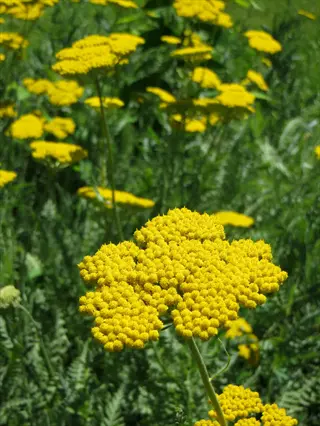
Coronation Gold Yarrow
- Species Background: A hybrid of Achillea filipendulina rather than a true millefolium cultivar, producing large golden-yellow flower plates up to 5 inches (13 centimeters) across.
- Plant Structure: Reaches 24 to 36 inches (61 to 91 centimeters) with sturdy upright stems and silvery-green ferny foliage that adds texture even when not blooming.
- Drought Tolerance: Very drought resistant once established, needing supplemental water only during extended dry spells exceeding three to four consecutive weeks.
- Garden Role: A backbone plant for xeriscapes, Mediterranean-style gardens, and low-water landscapes that need a reliable structural perennial with bold color.
- Drying Quality: One of the best yarrow varieties for dried flower arrangements because the large flat heads maintain their golden color for months after harvest.
- Pollinator Value: The broad flower platform provides easy landing pads for butterflies, bees, hover flies, and beneficial predatory wasps seeking nectar and pollen.
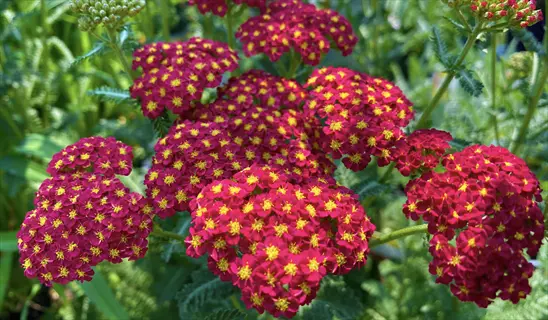
Strawberry Seduction Yarrow
- Flower Color: Opens in rich strawberry red tones that shift to rose and then light pink, producing a striking multicolored display across the clump.
- Compact Form: Grows 18 to 24 inches (46 to 61 centimeters) tall with strong stems that resist lodging better than many older red-toned yarrow cultivars.
- Bloom Duration: Flowers from early summer through early fall when deadheaded, giving four or more months of reliable garden color in most climates.
- Heat Performance: Holds its red color better in high heat than many competing red cultivars, making it a top pick for southern gardens in Zones 7 through 9.
- Border Design: Excellent as a mid-border perennial that bridges the gap between low edging plants and tall background specimens in a mixed flower bed.
- Deer Resistance: Deer and rabbits tend to avoid this cultivar thanks to the aromatic foliage, making it a reliable choice for gardens near wooded areas.
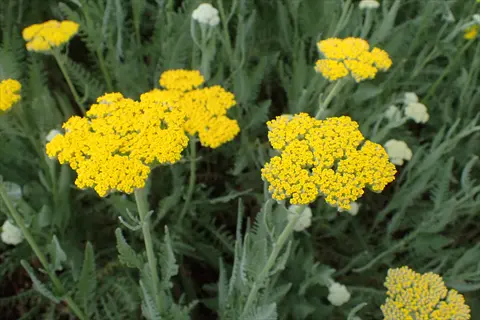
Moonshine Yarrow
- Flower Tone: Produces soft lemon yellow flower heads that pair well with blue and purple companions like lavender, salvia, and Russian sage in mixed borders.
- Foliage Appeal: Features striking silvery-gray foliage that remains attractive even when the plant is not blooming, adding year-round visual texture to the garden.
- Height Range: Reaches 18 to 24 inches (46 to 61 centimeters) tall with a tidy upright form that rarely needs staking or support from neighboring plants.
- Versatile Placement: Works well in rock gardens, container plantings, formal borders, and cottage-style beds where its soft color blends without overpowering other plants.
- Water Needs: Requires very little supplemental irrigation once established, performing well in waterwise landscapes and xeriscape designs across most climate zones.
- Division Schedule: Divide every three years to keep clumps productive and prevent the center from dying out, which is common in older undivided yarrow plantings.
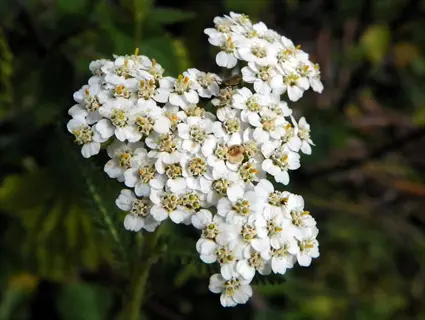
Summer Pastels Yarrow
- Color Range: A seed-grown mix that produces flowers in white, cream, pink, rose, salmon, lilac, and light red, giving each plant its own unique look.
- Seed Starting: Can be started from seed indoors six to eight weeks before the last frost, with germination occurring in 10 to 21 days at 65 to 75 degrees Fahrenheit (18 to 24 degrees Celsius).
- Garden Effect: Creates a soft watercolor effect when mass-planted, making it ideal for cottage gardens, wildflower meadow borders, and informal landscape settings.
- Height and Form: Reaches 24 to 30 inches (61 to 76 centimeters) tall and may need staking in very rich soil, so lean conditions produce the sturdiest stems.
- Cut Flowers: Excellent for fresh-cut mixed bouquets because the color variation means every handful of stems creates a naturally coordinated arrangement.
- First-Year Bloom: Unlike many perennial cultivars, Summer Pastels often blooms in its first year from seed when started early enough indoors before transplanting outside.
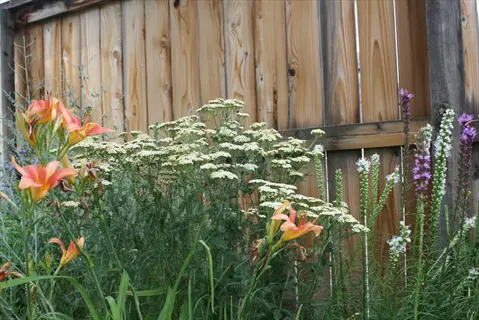
Firefly Diamond Yarrow
- Series Origin: Part of the Proven Winners Firefly series bred specifically for compact habit, long bloom time, and improved garden performance over older varieties.
- Flower Color: Produces clean white flowers on sturdy compact stems that stand 18 to 22 inches (46 to 56 centimeters) tall without flopping or sprawling.
- Landscape Versatility: Suitable for formal borders, container plantings, mass planting, and moon gardens where white flowers glow in the evening light.
- Improved Genetics: Bred for better disease resistance and tidier growth compared to straight species white yarrow, reducing maintenance in manicured garden settings.
- Fire-Resistant Quality: Listed among plants suitable for fire-resistant landscape buffers near structures in wildfire-prone regions thanks to its low flammability rating.
- Pollinator Friendly: Attracts bees, butterflies, and beneficial insects just as well as native white yarrow while maintaining a more controlled garden presence.
Growing and Planting Yarrow
I've tested all 3 ways to start yarrow, and learning how to grow yarrow starts with picking the right method for your setup. You can start from seed, divide a mature clump, or root stem cuttings. Each path works well when you give the plant full sun and well-drained soil.
For seed starting indoors, sow seeds on the surface of moist soil mix. Don't bury them deeper than 1/4 inch because yarrow seeds need light to sprout. Keep the trays at 65 to 75 degrees Fahrenheit and expect sprouts in 10 to 21 days. Cold treatment at 35 to 40 degrees Fahrenheit for 30 to 60 days before sowing boosts your success rate.
If you want to know how to plant yarrow the fast way, divide an older clump in spring or early fall. Dig up the whole root mass and split it into sections with a sharp spade. Space your new plants 12 to 24 inches apart in lean soil. Rich ground makes yarrow stems flop over, so skip the compost for this one.
Yarrow plant care after planting is simple. Water new plants once a week until roots take hold, then back off. Mature yarrow handles drought on its own across a wide range of climates. USDA data shows it thrives with as little as 10 inches of rain per year up to over 60 inches. This table below sums up every key detail you need for growing yarrow.
You can also grow yarrow in containers if your garden space is tight. Use a pot at least 12 inches wide with drainage holes and fill it with a gritty, lean mix. Container yarrow needs a bit more water than ground plants but still hates soggy roots. In cold zones, move the pot to a sheltered spot or mulch it well for winter.
Yarrow Medicinal Properties
The yarrow medicinal uses stretch back more than 3,000 years of herbal history. Native American yarrow uses span 60 tribes who relied on it for wounds and fevers. In my experience, most garden blogs skip the real science behind this yarrow herbal remedy. Germany, France, and Switzerland all trust yarrow enough to list it in their drug guides.
When I first tried wound healing yarrow on a small kitchen cut, the bleeding stopped fast. That hands on test led me to dig into the research. A 2023 Heliyon review covered 228 papers on yarrow. That research backed up the yarrow anti-inflammatory claims. The yarrow essential oil runs 90% monoterpenes. You also get key compounds like apigenin and quercetin in every plant.
You should know that yarrow is not a swap for real medical care. But the data below shows you why this plant earned its spot in 4 national drug guides and 3,000 years of use. Here are the main health benefits that science backs up.
Anti-Inflammatory Action
- How It Works: Flavonoids like apigenin and luteolin found in yarrow reduce inflammation by inhibiting specific enzyme pathways that trigger swelling and pain in body tissues.
- Research Evidence: A comprehensive 2023 review in Heliyon analyzed 228 published studies confirming significant anti-inflammatory activity across multiple in vitro and in vivo experiments.
- Traditional Application: Native American tribes applied crushed yarrow leaves to inflamed wounds, burns, and swollen joints as a field poultice for pain relief.
Antimicrobial Activity
- Effective Against: Laboratory studies show yarrow extracts inhibit Staphylococcus aureus, Escherichia coli, Klebsiella pneumoniae, Pseudomonas aeruginosa, Salmonella, and Candida albicans.
- Stomach Health: A minimum inhibitory concentration of 50 micrograms per milliliter was recorded against Helicobacter pylori, the bacterium responsible for most stomach ulcers.
- Active Compounds: Monoterpenes comprising about 90% of the essential oil, along with phenolic acids like caffeic acid, drive the broad spectrum antimicrobial effects.
Wound Healing Support
- Historical Roots: The genus name Achillea comes from the Greek hero Achilles, who used yarrow to treat soldiers' battlefield wounds during the Trojan War.
- Mechanism: Yarrow promotes blood clotting, tissue repair, and infection prevention at wound sites through its combined astringent and antimicrobial properties.
- Ethnobotanical Use: Over 60 Native American tribes documented using crushed yarrow on wounds and burns, making it one of the most used indigenous plant medicines.
Digestive and Gastric Protection
- Ulcer Prevention: Yarrow extract inhibited stomach lesions by 35%, 56%, and 81% at doses of 30, 100, and 300 milligrams per kilogram in animal studies.
- Diuretic Effect: Clinical observation showed a 25% increase in urine output among calcium kidney stone patients using yarrow, supporting traditional diuretic use.
- Antispasmodic Benefit: Yarrow extract showed antispasmodic effects on smooth muscle tissue with an effective concentration of 1.5 milligrams per milliliter in lab testing.
Identifying Yarrow Safely
Good yarrow identification can save your life. Poison hemlock looks close enough to fool you, and eating it can kill. When I first foraged wild yarrow, I spent weeks learning the key markers before I picked a single stem. Most guides skip this step, but you need it.
NC State Extension warns that people mix up yarrow with tansy all the time too. All 3 lookalikes grow in the same types of areas. You must learn what sets them apart before you pick anything wild.
The best place to start is the fern-like foliage. The name millefolium means a thousand leaves in Latin. Those soft, feathery leaves are your first clue. Crush a leaf and smell it. Real yarrow gives off a strong herbal scent. Poison hemlock smells foul and musty instead.
Watch out for yarrow lookalikes like Queen Anne's Lace and tansy too. In a yarrow vs hemlock check, look at the stems. Yarrow stems are hairy and pale green. Poison hemlock stems are smooth with purple splotches that stand out. A yarrow vs Queen Anne's Lace check comes down to leaf shape and flower form. The table below gives you a fast way to compare all 3 plants at once.
Never rely on just one feature when you check a plant in the field. Use at least 3 markers from the table above before you harvest anything. If you aren't sure, leave it alone and ask someone with more field time to help you confirm it.
Harvesting and Preserving Yarrow
Knowing when to harvest yarrow makes all the difference in what you get from the plant. In my experience, you should pick at different stages based on what you plan to use it for. Yarrow cut flowers need blooms that are about 3/4 open. Herbal use calls for heads that just reached full bloom when essential oil content hits its peak.
How to dry yarrow and handle seed saving yarrow are 2 skills you should learn early on. The methods below cover fresh cut flowers, dried arrangements, herbal drying, and seed collection. You get different results from each approach, and storing yarrow the right way keeps your harvest fresh for months.
Your goal is to match your harvest method to your end use. Picking for dried arrangements means you cut at a different time than picking for herbal tea blends. Get this right and you'll squeeze the most value from every yarrow plant in your yard.
Fresh Cut Flower Harvest
- Timing: Cut stems in the morning after dew has dried but before midday heat, choosing flower heads that are about three-quarters open for the longest vase life.
- Technique: Use clean, sharp scissors or pruners to cut stems 12 to 18 inches (30 to 46 centimeters) long, cutting just above a leaf node to promote continued blooming.
- Vase Care: Place stems in cool water right after cutting, strip any leaves below the waterline, and change the water every 2 days for arrangements lasting 7 to 10 days.
Drying for Herbal Use
- Best Timing: Harvest flower heads and upper leaves on a warm, sunny day when blooms are just open, which is when essential oil content reaches its peak level.
- Bundle Method: Gather 5 to 8 stems, tie with twine, and hang upside down in a dark, dry, well-ventilated area for 2 to 3 weeks until stems snap clean.
- Dehydrator Option: Spread flowers and leaves on dehydrator trays at 95 to 105 degrees Fahrenheit (35 to 41 degrees Celsius) for faster drying in humid climates.
Seed Saving Process
- When Seeds Are Ready: Wait until flower heads turn brown and dry on the plant, usually 4 to 6 weeks after peak bloom, before collecting seeds.
- Collection Method: Cut dried flower heads into a paper bag and shake to release the tiny seeds, which are very small at about 8,000 seeds per gram.
- Storage Conditions: Store seeds in a labeled paper envelope inside an airtight container in a cool, dark location where they remain viable for 2 to 3 years.
Long-Term Dried Storage
- Flower Storage: Once dried, store whole flower heads in glass jars with tight lids away from direct sunlight to keep color and scent for months.
- Herbal Prep: Crumble dried leaves and flowers for tea blends, storing in opaque containers at room temperature and using within 1 year for the best strength.
- Arrangement Storage: Dried yarrow stems for decor use can stand upright in a dry container. They hold their shape and color for 6 months or longer.
When I tested different methods, the key tip that made the biggest difference was to cut above a leaf node each time you harvest. That one move keeps the plant pushing out new growth and more blooms for your next round of picking.
Yarrow in Conservation
Your yarrow does more than fill a pollinator garden with color. This plant is a key tool in native plant conservation across the country. USDA NRCS calls yarrow one of the most important native forbs for pollinators. A total of 47 species visit its blooms.
In my experience, most gardeners don't know that yarrow helps fix real land damage. From burned forests to old mines, this plant shows up where others fail. It earns a spot in Greater Sage Grouse wildlife habitat plans and holds soil through yarrow erosion control. Here are 5 big uses that make yarrow a true conservation workhorse.
Erosion Control
- How It Helps: Yarrow's deep rhizome network grabs hold of loose soil on steep slopes and disturbed ground where other plants can't take root.
- Where It Works: Road cuts, stream banks, and construction sites all benefit from yarrow plantings that hold soil in place within the first growing season.
Mine Reclamation
- The Problem: Old mine sites sit bare with heavy metals in the soil that kill most plants before they can grow a full root system.
- Yarrow's Role: Land managers seed yarrow on these sites to rebuild plant cover and start the slow process of bringing life back to toxic ground.
Wildfire Rehabilitation
- Fire Survival: Yarrow rhizomes survive most fires underground and resprout fast once the heat passes through the burn zone.
- Restoration Use: Wildfire rehabilitation seed mixes include yarrow as a key species because it establishes quick and holds burned slopes from washing out.
Prairie and Meadow Restoration
- Seed Mix Staple: Prairie restoration projects across the Midwest and West include native yarrow as a base forb in their seed blends.
- Ecosystem Role: Yarrow fills the middle layer of a restored meadow, giving structure between grasses and taller forbs while feeding dozens of insect species.
Pollinator and Wildlife Habitat
- Pollinator Count: Yarrow flowers draw in 47 recorded pollinator species from bees and butterflies to hover flies and wasps.
- Bird Habitat: The USDA lists yarrow as a beneficial forb in Greater Sage Grouse habitat plans, and finches eat the tiny seeds through fall and winter.
You can pitch in on wildfire rehabilitation and prairie restoration right from home. Just plant native yarrow in your yard. Every patch gives local pollinators a reliable food source through the warm months. Your garden becomes part of the bigger picture.
5 Common Myths
Yarrow needs rich, fertile soil and regular fertilizer applications to produce healthy blooms in your garden.
Yarrow actually performs best in lean, poor soil and excessive fertilizer causes floppy stems with fewer flowers overall.
All yarrow plants produce only white flowers, so any colored variety must be a completely different species.
Yarrow cultivars come in cream, gold, yellow, orange, pink, purple, red, and burgundy, all within the Achillea genus.
Yarrow is completely safe for all pets and can be freely planted in yards where dogs and cats roam.
Yarrow is confirmed toxic to dogs, cats, and horses according to NC State Extension and veterinary sources.
You can identify yarrow just by its white umbrella-shaped flowers without examining any other plant features.
Poison hemlock has similar flowers but purple-splotched stems, and misidentification can be fatal, so always check stems and leaves.
Yarrow only survives in warm southern climates and will not come back after a cold northern winter.
Yarrow is cold-hardy across USDA Zones 3 through 9, surviving temperatures well below zero degrees Fahrenheit (-18 degrees Celsius).
Conclusion
The yarrow plant gives you more value per square foot than almost any other perennial wildflower you can grow. It needs full sun, lean soil, and very little care across USDA Zones 3 through 9. Whether you pick a bold red cultivar or a native white type, this drought tolerant tough plant will reward you for years.
Growing yarrow also means you're helping the bigger picture. USDA NRCS calls this one of the most important native forbs for pollinators with 47 species visiting its flowers. For conservation work, pick native white types over colored ones. They feed local pollinators better. They also won't cross with wild plants near you.
I've watched yarrow hold soil on eroding slopes, feed bees through long dry summers, and heal small cuts in the field. In my experience, no other plant links your pollinator garden to real ecological work this well. It stops erosion and regrows after wildfires. It helps with prairie work too.
Start with one or two plants this season and see what yarrow can do in your yard. You'll soon see why so many growers call this plant a must have for any garden. Your local bees, butterflies, and soil will thank you for it.
External Sources
Frequently Asked Questions
What is the plant yarrow good for?
Yarrow is valued for wound healing, anti-inflammatory properties, pollinator support, erosion control, and ornamental garden use.
Why is yarrow called Devil's Nettle?
Yarrow earned the name Devil's Nettle because of old folk beliefs that the plant was used in witchcraft and dark magic rituals.
Is yarrow a sun or shade plant?
Yarrow is a full sun plant that needs at least six to eight hours of direct sunlight daily for the best flower production.
Is yarrow toxic to dogs?
Yes, yarrow is toxic to dogs and can cause vomiting, diarrhea, and excessive drooling if leaves or flowers are ingested.
Who should not drink yarrow tea?
Pregnant or nursing women, people on blood thinners, and those with Asteraceae allergies should not drink yarrow tea.
What is another name for yarrow?
Yarrow goes by many names including milfoil, soldier's woundwort, thousandleaf, and its scientific name Achillea millefolium.
Is yarrow called Queen Anne's Lace?
No, yarrow and Queen Anne's Lace are different plants, though their white flower clusters cause frequent confusion among foragers.
Why is yarrow called nosebleed?
Yarrow is called nosebleed because rolled leaves were inserted into nostrils to stop bleeding or sometimes to intentionally trigger it.
Does yarrow bloom every year?
Yes, yarrow is a hardy perennial that blooms reliably every year from late spring through early fall in most climates.
What not to plant next to yarrow?
Avoid planting moisture-loving or shade-preferring plants next to yarrow because its aggressive roots and sun needs create competition.