
Yes, yarrow toxic to dogs is a real concern that every pet owner should know about. NC State Extension confirms this risk in their plant database. If your dog eats yarrow leaves or flowers, it can get sick fast. You need to keep your pets away from this plant in your yard.
I deal with this issue in my own garden every day. My two dogs love to sniff and chew on whatever grows near the back fence. When I first planted yarrow, I put it right next to their play area without thinking. After reading about the risks, I moved every yarrow clump to a raised bed on the other side of the yard where my dogs don't roam. That simple change gave me peace of mind and let me keep growing yarrow at the same time.
Yarrow contains compounds called alkaloids and lactones that cause problems for dogs. If your dog eats the plant, you might see vomiting, loose stools, and heavy drooling within a few hours. Some dogs also get skin rashes just from brushing against the foliage during a walk through the garden. The more your dog eats, the worse the symptoms tend to get.
The fact that yarrow poisonous to animals is a concern goes beyond just dogs. NC State Extension lists it as toxic to cats and horses too. Any pet that chews on the leaves or flowers faces the same risks. Contact with the skin can also trigger rashes on pets that react to plant oils. Keep this in mind if you have more than one type of pet at home.
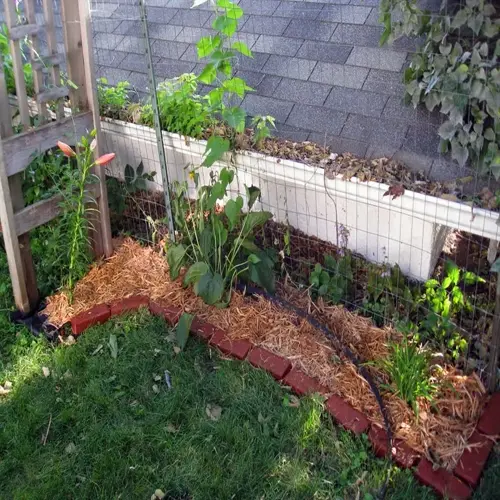
Use Raised Beds or Fences
- Height matters: A raised bed at least 24 inches tall keeps most dogs from reaching yarrow leaves and flowers.
- Fence option: A short garden fence around your yarrow patch blocks pets while still letting you enjoy the blooms.
- Placement tip: Put your yarrow beds in a part of the yard where your pets don't play or nap during the day.
Train Your Pets to Avoid It
- Verbal cues: Teach your dog a "leave it" command and practice it near the garden until the habit sticks.
- Redirect play: Give your dog a safe play zone with toys that keeps their focus away from your plant beds.
- Watch new dogs: Puppies and new rescue dogs need extra eyes on them until they learn your yard's rules.
Know Your Emergency Plan
- Vet number: Keep your vet's phone number and the ASPCA poison hotline (888-426-4435) in your phone now.
- Watch for signs: Vomiting, drooling, and loose stools in the hours after time in the garden point to plant ingestion.
- Act fast: Call your vet right away if you see your dog eating yarrow or showing any of these warning signs.
Your best yarrow pet safety move is to plan your garden layout with your dog in mind from the start. Put yarrow in spots your pets can't reach. Use the front yard if your dogs only play in the back. Raised planters and border fences work great too. You don't have to give up yarrow just because you have a dog.
I also check on my dogs after every garden session now. A quick look at their mouth and paws takes less than a minute and helps you catch any contact early. Your vet can treat most yarrow reactions fast if you spot the signs right away.
You can enjoy yarrow and keep your pets safe at the same time with a bit of planning. Just give your dogs their own space and your yarrow its own space. Good garden layout solves most of the risk for you without giving up the benefits that yarrow brings to your yard.
Read the full article: Yarrow Plant: A Complete Growing Guide