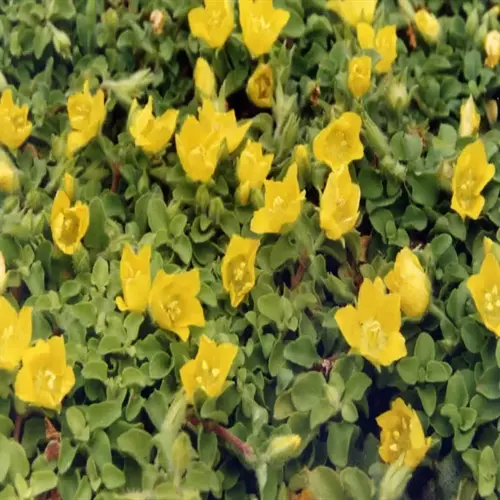

Yes, creeping phlox come back every year without any replanting on your part. This tough ground cover is a true long-lived perennial. It returns each spring with more flowers than the year before. Once you get it going, it sticks around for many years with just basic care from you.
You might wonder is creeping phlox a perennial because its spring bloom fades fast and the plant blends into the background. Don't worry. It's still alive under that mat of green needle-like foliage. Your roots stay active underground even through harsh winters. They push fresh growth as soon as your soil warms up in spring.
I planted my first patch seven years ago along a stone retaining wall. Every spring since then, it comes back thicker and wider. That original row of six small pots now covers a solid 12-foot stretch of wall face. The blooms get so dense in April that you can't see the stone behind them. Watching your mat grow more impressive each year is one of the best rewards you'll find in the garden.
The creeping phlox hardiness zones range from 3 through 9. That covers most of the lower 48 states. The USDA PLANTS Database lists it as native across 27 states. Your plants can handle temps down to -4 degrees at the root level. The foliage stays green through winter in milder zones. Even in zone 3 where your leaves may bronze and thin, the roots survive and send up strong new growth each spring.
The only thing that stops your creeping phlox from coming back is root rot from soggy soil. If your planting area holds standing water after rain, the roots will suffocate. Good drainage is the single most important thing for long-term survival. Sandy or rocky soil works best for you. Sloped sites give you natural drainage without any extra work on your part.
To keep your phlox coming back strong, follow three simple practices. First, shear the mat back by about one-third right after your spring flowers fade. This forces fresh growth that keeps the center dense. Second, divide your plants every three to four years by digging up sections and replanting the healthy outer growth. Third, make sure water drains away from your roots fast.
Skip heavy fertilizing since this plant does best in lean soil. Give your phlox a light feeding in early spring and that's all it needs for the season. Treat it right and you'll enjoy a bigger, brighter show every spring for a decade or more from the same plants.
Read the full article: Creeping Phlox: Complete Growing Guide