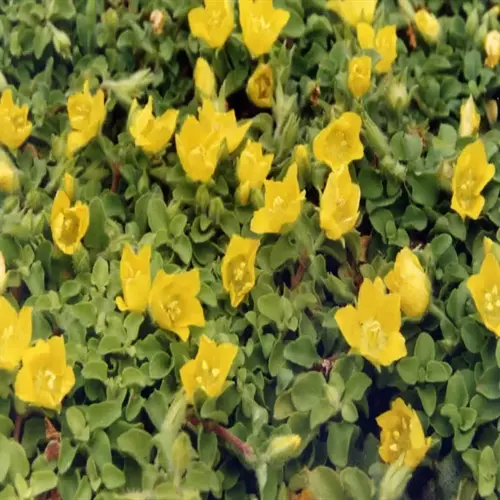

Will creeping phlox choke out weeds in your garden? Yes for most small annual weeds, but no for tough perennial invaders. A mature dense mat blocks enough sunlight to stop chickweed and henbit seeds from sprouting. But deep-rooted weeds like bindweed and crabgrass still push right through your phlox mat.
I tested this firsthand with two garden beds side by side on the same slope. One bed has a four-year-old creeping phlox mat and the other uses standard bark mulch. The phlox bed needs your attention about once a month during summer. The mulch bed demands weeding every single week. That dense carpet of stems does a great job keeping most weed seedlings from getting light. But I still pull three or four stubborn bindweed shoots from my phlox mat each month.
The creeping phlox weed suppression works through a simple process. As your stems root at their nodes and branch outward, they create a mat so thick that very little sunlight hits the soil below. Most weed seeds need light to start growing. Without that signal, seeds sit dormant and never sprout. This shading effect is what makes your phlox mat such a good weed fighter over time.
The catch is timing. Homes and Gardens points to weed control as a key benefit of creeping phlox. But this only kicks in after about two years of growth. During those first two seasons, your plants haven't filled in enough to block light between them. This gap period is when weeds frustrate you the most as a new phlox grower.
When you compare creeping phlox ground cover weeds control to vinca or ivy, phlox offers you a safer option. Vinca and English ivy smother weeds faster. But they also escape your garden and damage native areas. Your creeping phlox stays where you put it while still doing a solid job once it fills in. You get weed control without creating a new invasive problem in your yard.
Set yourself up for success with these steps. Before planting, hand-pull every weed in your area and remove any visible roots. Lay landscape fabric between your new plants with holes cut for each one. This fabric blocks weeds during those first two years while your phlox fills in. You can pull the fabric out once the mat covers it, or leave it in place since your phlox roots grow right through it.
Shear your phlox back by one-third after blooming each spring. This yearly trim promotes dense sideways branching that fills any thin spots where weeds could sneak in. A tight mat with no bare patches gives weeds nowhere to grow. Your weeding work drops to almost nothing after a few seasons of good care from you.
Read the full article: Creeping Phlox: Complete Growing Guide