
So who should not eat elderberries? The main groups to watch out for are pregnant women, nursing mothers, young children, and anyone taking drugs that suppress the immune system. These groups face higher risks from elderberry because of how the plant compounds affect your body.
I learned this lesson when I wanted to give my toddler elderberry syrup during cold season. I called our doctor first and she told me that dosing for young kids is very different from adults. She said children under two years old should skip it and older kids need a much smaller dose based on their body weight. That quick call saved me from making a mistake I didn't even know was possible.
Elderberry boosts your immune system, and that sounds like a good thing. But for people on drugs that hold the immune system back, this boost works against their treatment. If you've had an organ transplant, your body needs those drugs to stop it from rejecting the new organ. Taking elderberry can push your immune cells to fight the transplant, and that puts you in danger. The same risk applies if you manage an autoimmune condition where your body attacks its own tissue. You need your immune system calm, not fired up.
This doesn't mean elderberry is bad for you if you're a healthy adult. It means you need to check your own health picture before you start taking it. Your doctor can tell you in minutes if elderberry fits your situation or not.
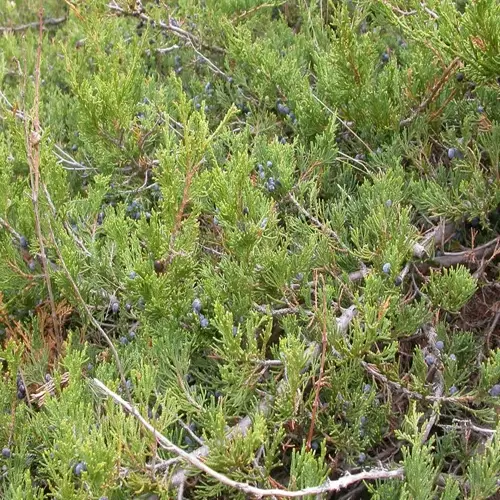
NC State Extension data warns that more than just the berries pose a risk. The leaves, roots, bark, and stems of the elderberry plant all contain toxic compounds. Unripe green or red berries are even worse. These toxins hit children harder because of their lower body mass. A dose that gives an adult mild stomach upset could send a small child to the ER.
The elderberry side effects from eating too much or eating it raw include nausea, vomiting, and diarrhea. These symptoms can start within 30 minutes and last for several hours. Even cooked elderberry in large amounts can upset your stomach. Stick to the dose on the label or the amount your doctor tells you to use. If you feel any of these symptoms after taking elderberry, stop right away. Drink plenty of water to help your body flush out the toxins faster.
You should also know some key elderberry precautions around drug mixing. Elderberry may boost the effects of diabetes drugs and push your blood sugar too low. It can also make diuretics work harder, which pulls too much water from your body. If you take laxatives, elderberry may add to their effect and cause cramping or loose stools. Talk to your doctor before adding elderberry to any of these drug plans.
I also checked with a friend who is a nurse about her own use of elderberry. She told me she stopped taking it during her pregnancy because there just isn't enough research on safety during that time. She picked it back up six months after giving birth once she stopped nursing. Her caution stuck with me.
The bottom line is simple. Elderberry is a great tool for most healthy adults, but it's not for everyone. Check with your doctor if you fall into any of the risk groups listed above. A two-minute phone call can save you from a bad reaction and keep your whole family safe all season long.
Read the full article: Elderberry Bush: Complete Growing Guide