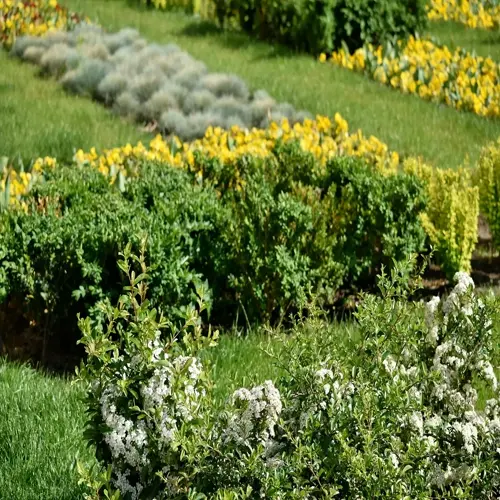

The best place to plant bee balm is a sunny spot with moist soil and good airflow. You want at least 6 hours of direct sun each day. Good drainage and room for breeze around your plants round out the ideal setup for strong blooms and fewer disease issues.
I tested this by growing the same Monarda variety in two garden spots a few years ago. My sunny fence border grew thick stems loaded with bright red flowers for weeks on end. The second group went into a shaded bed under a large oak tree. Those shaded plants got leggy and bloomed half as much. By midsummer they had mildew coating the lower leaves. That test taught me everything about picking a bee balm planting location. You need to give your plants sun if you want them to look their best.
I moved one of those struggling shade plants to an open bed the next spring. It gave me twice as many flower heads in its new sunny home. My sister had the same results in her garden near the coast when she shifted her bee balm from a wall-side corner to an open sunny border. Your bee balm will respond the same way when you give it what it wants.
Air flow around your plants is your best weapon against powdery mildew. The fungal spores land on damp leaves and take hold in still, humid air. You can stop this by spacing your plants 18 to 24 inches (45 to 60 centimeters) apart. Keep them away from your walls or thick hedges too. The breeze dries your foliage fast and gives mildew spores nothing to grab. Crowded beds trap moisture between your stems and invite this common fungus to spread.
You don't need to stress about your soil type. NC State Extension shows that bee balm handles clay, wet soil, and even black walnut toxicity. Most perennials die near black walnut trees. Your bee balm won't care. Sandy, loamy, and heavy clay soils all work for you as long as your roots don't sit in standing water for days.
Run a drainage test before you dig your hole. Make it about 12 inches (30 centimeters) deep and fill it with water. If the water drains within an hour, you're all set. If it sits longer, mix 3 to 4 inches (7.5 to 10 centimeters) of compost into your soil. This breaks up the clay and gets the water moving. You'll save yourself months of trouble from soggy roots with this five-minute check.
Raised beds and gentle slopes work great for you too. Gravity pulls extra water away from your root zone on its own. I've grown strong bee balm along a rain garden edge where the soil stays damp but never pools. Your pollinators will find the plants within days of the first blooms opening up.
Once you figure out where to grow bee balm in your yard, keep one last tip in your back pocket. Morning sun beats afternoon sun in hot climates. It dries dew off your leaves early. In zones 8 and 9, give your bee balm a spot with morning light and afternoon shade. You'll get great blooms with less heat stress during the hottest months of your growing season. Your plants will thank you for the break from that blazing afternoon heat.
Read the full article: Bee Balm Plant: How to Grow and Care