
Introduction
Aphid control starts with a simple truth that most gardening guides skip over. Those tiny green clusters on your rose buds or tomato stems didn't show up by accident. Your garden created the perfect conditions for them. Once you understand why, you can stop the cycle for good.
I've spent over a decade fighting aphids in my own garden. Along the way, I figured out how to get rid of aphids without harsh chemicals. Aphids are messengers that tell you something about your soil, your water, or your fertilizer. Too much nitrogen, drought stress, or a lack of natural predators all roll out the welcome mat.
Here's what makes aphid management so urgent. A single adult female produces up to 12 offspring per day. Those babies reach breeding age in just 7 to 8 days. Think of it like compound interest on a debt you don't want. One small colony doubles about every 6.8 days and turns into thousands fast. Warmer weather now pushes aphids into new areas where gardeners never faced them.
This guide covers the best natural aphid control methods and chemical options for tough cases. You'll learn which beneficial insects eat the most aphids and which companion plants keep them away. You'll also find a seasonal plan that prevents outbreaks before they start.
8 Best Aphid Control Methods
These 8 organic aphid control methods follow an IPM approach, ranked from the gentlest option to the strongest. I've tested every one of these in my own garden. Start with a water spray aphids can't survive and work your way up only if the problem gets worse.
Each method below includes a "best for" note so you can match the right fix to your situation. A light infestation on outdoor roses calls for a different plan than a heavy colony on indoor herbs. Insecticidal soap for aphids works well, and neem oil aphids can't tolerate gives you a strong backup option. Horticultural oil aphids fear most works best during the dormant season. You can also make a homemade aphid spray from castile soap for just pennies.
Strong Water Spray
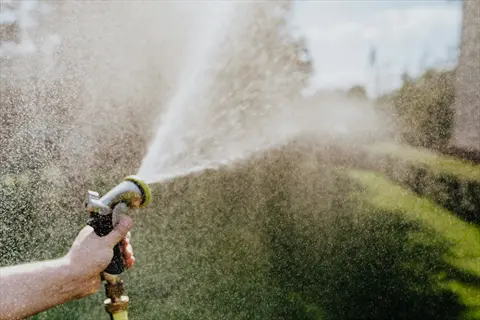
- How it works: A forceful stream of water from a garden hose physically knocks aphids off plant stems and leaves, and once dislodged they cannot climb back onto the plant and will starve on the ground.
- Best for: Light to moderate infestations on sturdy outdoor plants like roses, shrubs, and established vegetable plants that can handle direct water pressure without stem damage.
- Application: Use a standard garden hose with a spray nozzle set to a focused stream, aiming at leaf undersides and growing tips where aphids cluster most densely during early morning hours.
- Frequency: Repeat every two to three days for one to two weeks until aphid numbers drop significantly, checking new growth tips for returning colonies between spray sessions.
- Limitations: Not suitable for delicate seedlings, indoor plants, or plants with hairy or fuzzy leaves that trap moisture and promote fungal growth after repeated spraying.
- Effectiveness: University research confirms this is the safest first-line treatment, removing 70% to 90% of visible aphids per application with zero risk to beneficial insects or pollinators.
Insecticidal Soap Spray
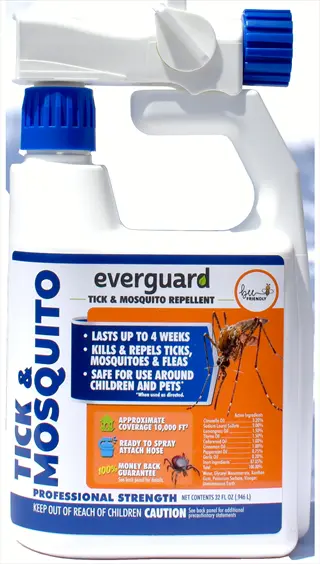
- How it works: Fatty acids in insecticidal soap dissolve the waxy protective coating on aphid bodies, causing them to dehydrate and die within hours of direct contact application.
- Best for: Moderate infestations where water spray alone has not reduced aphid populations, particularly effective on soft-bodied aphids clustered on leaf undersides and tender new growth.
- Application: Spray a ready-to-use insecticidal soap solution or mix concentrated formula at label rates, thoroughly coating all aphid-covered surfaces including leaf undersides and stems.
- Temperature caution: Never apply insecticidal soap when temperatures exceed 90 degrees Fahrenheit (32 degrees Celsius), as heat combined with soap residue can burn plant foliage and cause leaf drop.
- Limitations: Only kills aphids on direct contact and has no residual activity, meaning you must reapply every four to seven days to catch newly hatched nymphs that were not present during previous treatments.
- Safety profile: Safe for use around children, pets, and edible crops when used according to label directions, and breaks down rapidly in the environment without harming soil organisms.
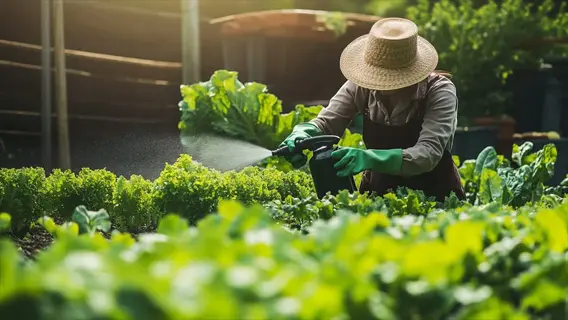
Neem Oil Treatment
- How it works: Azadirachtin, the active compound in neem oil, disrupts aphid feeding behavior and reproductive cycles while also suffocating aphids on contact when applied as a foliar spray.
- Best for: Persistent infestations that have not responded to soap sprays alone, and as a preventive treatment on plants that are regularly targeted by aphids throughout the growing season.
- Application: Mix cold-pressed neem oil at a concentration of 1% to 2% with water and a small amount of liquid soap as an emulsifier, then spray all plant surfaces thoroughly in the evening.
- Timing matters: Apply neem oil during cooler parts of the day, preferably in the evening, to prevent leaf burn and to avoid harming bees and other pollinators that are active during daylight hours.
- Residual benefit: Unlike insecticidal soap, neem oil provides some residual protection for several days after application because the azadirachtin compound continues to deter aphid feeding and reproduction.
- Organic certification: Neem oil is approved for organic gardening and is widely available at garden centers, making it one of the most accessible botanical insecticides for home gardeners.
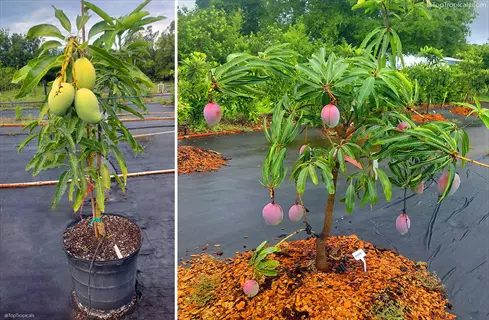
Horticultural Oil Spray
- How it works: Refined petroleum-based or plant-based horticultural oils coat aphids and their eggs in a thin film that blocks breathing pores, suffocating both adults and overwintering eggs on contact.
- Best for: Dormant-season applications on fruit trees and woody ornamentals to destroy overwintering aphid eggs before spring hatching, and summer applications at lighter concentrations for active infestations.
- Application: UC Davis recommends a 1% to 2% oil-to-water solution sprayed to thoroughly coat branches, bark crevices, and leaf surfaces where aphid eggs or colonies are found.
- Dormant spray timing: Apply dormant oil in late winter before buds swell and break, targeting the overwintering egg stage to prevent the first spring generation from ever emerging on your plants.
- Temperature caution: Avoid application when temperatures are above 90 degrees Fahrenheit (32 degrees Celsius) or below freezing, as extreme temperatures increase the risk of plant tissue damage from oil residue.
- Compatibility: Horticultural oil can be mixed with insecticidal soap for enhanced effectiveness, but always check label instructions for compatibility and never combine with sulfur-based fungicides.
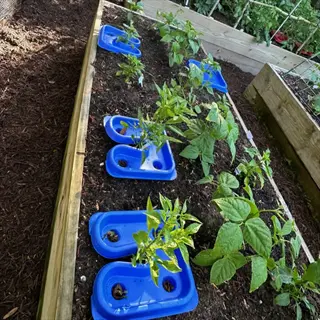
Reflective Mulch Barrier
- How it works: Silver or aluminum reflective mulch placed around plant bases disorients flying aphids by reflecting sunlight upward, preventing them from landing and colonizing your crops effectively.
- Best for: Vegetable gardens growing summer squash, melons, peppers, and tomatoes, where UC Davis research confirms reflective mulches effectively repel aphids and reduce virus transmission.
- Application: Lay reflective silver plastic mulch or strips of aluminum foil around plant bases at transplanting time, securing edges with soil or landscape staples to prevent wind displacement.
- Virus prevention: This method is especially valuable because it reduces aphid-transmitted plant viruses by preventing aphids from probing plant tissue during their initial landing and feeding attempts.
- Limitations: Reflective mulch loses effectiveness once plant canopy grows large enough to shade the reflective surface, typically within six to eight weeks of installation in summer gardens.
- Cost consideration: While more expensive upfront than other mulch types, reflective mulch provides dual benefits of aphid deterrence and soil moisture conservation throughout the early growing season.
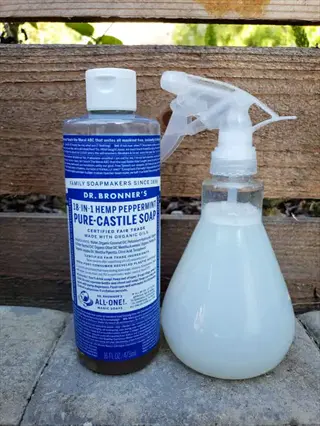
Castile Soap Homemade Spray
- How it works: Pure liquid castile soap mixed with water creates a homemade contact insecticide that works similarly to commercial insecticidal soap by breaking down the aphid protective coating.
- Best for: Gardeners who prefer a do-it-yourself approach and want an affordable, readily available option made from natural plant-based ingredients found in most kitchens or grocery stores.
- Application: Mix one tablespoon of pure liquid castile soap per one quart (about one liter) of water in a clean spray bottle, shaking well before spraying directly onto aphid-covered plant surfaces.
- Important distinction: Use only pure castile soap without added fragrances, moisturizers, or antibacterial agents, as these additives can damage plant tissue and leave harmful residues on edible crops.
- Testing first: Always test homemade soap spray on a small area of each plant variety and wait 24 to 48 hours before full application, as some plants are more sensitive to soap than others.
- Reapplication: Spray every three to five days for two to three weeks, always in the early morning or evening when temperatures are below 85 degrees Fahrenheit (29 degrees Celsius) to prevent leaf scorch.
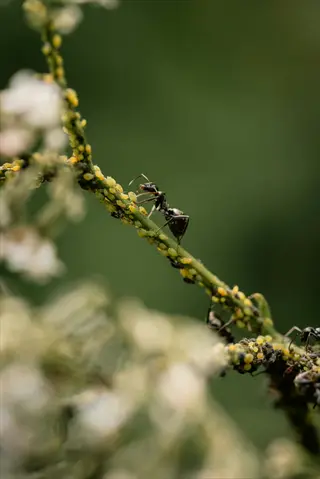
Ant Management Strategy
- How it works: Ants protect aphid colonies from predators in exchange for honeydew, so removing ant access to plants allows natural predators like ladybugs and lacewings to control aphids freely.
- Best for: Situations where you notice trails of ants moving up and down plant stems alongside aphid colonies, which indicates ants are actively farming and guarding the aphids from predation.
- Application: Apply sticky barriers like Tanglefoot or petroleum jelly bands around tree trunks and woody stems to block ant access, or place ant bait stations near trails leading to infested plants.
- Why it matters: UC Davis research confirms that ants actively interfere with biological control by chasing away parasitic wasps, ladybugs, and lacewing larvae that would otherwise reduce aphid numbers naturally.
- Combined approach: Ant management works best when paired with other aphid control methods because removing ant protection allows existing beneficial insect populations to take effect more rapidly.
- Long-term benefit: Once ant access is blocked, natural predator populations in your garden increase over time, creating a self-sustaining biological control system that reduces future aphid outbreaks.
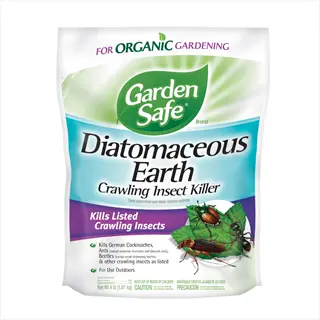
Diatomaceous Earth Application
- How it works: Food-grade diatomaceous earth is a fine powder of fossilized diatoms with microscopic sharp edges that scratch the waxy coating on aphid bodies, causing them to dehydrate and die.
- Best for: Ground-level infestations and areas around plant bases where aphids congregate, particularly effective against root aphids and crawling aphid stages near the soil surface.
- Application: Lightly dust food-grade diatomaceous earth on dry plant surfaces and around plant bases using a powder duster or old flour sifter, focusing on areas where aphid activity is highest.
- Moisture sensitivity: Diatomaceous earth loses effectiveness when wet, so reapply after rain or irrigation and apply during dry weather conditions for the best results against aphid populations.
- Safety precaution: Always use food-grade diatomaceous earth rather than pool-grade, and wear a dust mask during application because inhaling fine silica particles can irritate lungs and respiratory passages.
- Non-selective caution: This powder affects all soft-bodied insects it contacts, including beneficial species, so apply it precisely and only where aphids are present rather than broadcasting it across entire garden beds.
Beneficial Insects for Aphids
Biological control aphids hate most lets nature do the hard work for you. I watched green lacewings aphids feared tear through a colony on my pepper plants in under a week. Beneficial insects aphids attract give you the best long term defense once you build the right habitat.
The table below compares each predator so you can pick the right one. Ladybugs for aphid control sound great, but purchased ladybugs scatter within days. Green lacewing larvae stay put and eat up to 200 aphids per day. For lasting results, parasitic wasps aphids can't escape create aphid mummies. UC Davis data shows populations drop within 1 to 2 weeks after you spot those mummies. Aphidius wasps only attack certain species, so know your aphid type first.
In my experience, you need about 1,500 lady beetles per infested rose bush with 2 rounds one week apart. That's a lot of bugs for one plant. Plant flowers like yarrow and sweet alyssum instead. They draw in native predators for free all season long.
Companion Planting for Aphids
Think of companion planting aphids hate as building a 3 layer security system for your garden. Plants that repel aphids act as the fence. Trap crops aphids prefer serve as decoys. And beneficial insect habitat plants work like a patrol force that hunts down any pests that slip through.
I planted a nasturtium trap crop along my garden border last season. Aphids swarmed those plants instead of my tomatoes. It felt like magic, but it's just smart placement. Adding marigolds aphids avoid near my roses gave me another layer of protection. Keep in mind that companion planting works best as part of a bigger plan, not as a standalone fix.
Aphid-Repelling Plants
- Catnip: One of the strongest natural aphid repellents, catnip releases nepetalactone compounds that aphids avoid, and it grows well as a border plant around vegetable beds and rose gardens.
- Garlic and Chives: Allium family plants emit sulfur compounds that repel aphids effectively, and interplanting garlic or chives between rows of lettuce, peppers, and tomatoes provides ongoing protection.
- Onion and Allium: Ornamental alliums and standard onions planted among susceptible crops create a pungent barrier that deters aphids from settling on nearby plants throughout the growing season.
Trap Crop Plants
- Nasturtiums: These flowering plants are aphid magnets that lure colonies away from your main crops, and they should be planted at garden edges about 3 to 5 feet (1 to 1.5 meters) from vulnerable plants.
- Calendula: Also known as pot marigold, calendula attracts aphids to itself while simultaneously drawing in beneficial hoverflies and ladybugs that prey on the accumulated aphid colonies.
- Mustard and Radish: Fast-growing mustard and radish planted as sacrificial crops pull aphids away from valuable produce and can be removed and composted once they become heavily infested.
Beneficial Insect Attractors
- Dill and Fennel: These umbelliferous herbs produce flat-topped flower clusters that attract parasitic wasps, hoverflies, and lacewings, and they should be allowed to flower rather than harvested completely.
- Yarrow and Clover: Low-growing yarrow and clover planted as ground cover between garden rows provide habitat and nectar sources for ground-dwelling predatory beetles and parasitic wasp species.
- Sweet Alyssum: This compact flowering annual is one of the best plants for attracting hoverflies whose larvae consume large numbers of aphids, and it thrives as a border plant or between vegetable rows.
Planting Layout Tips
- Border placement: Plant repellent herbs like catnip and chives in a continuous border around your most aphid-prone crops, spacing plants 12 to 18 inches (30 to 45 centimeters) apart for dense coverage.
- Interplanting technique: Alternate rows of susceptible crops with rows of companion plants rather than grouping all companions in one area, which distributes protective effects more evenly across the garden.
- Season-long coverage: Stagger plantings of beneficial insect attractors so that something is always in bloom from early spring through late fall, ensuring a continuous supply of aphid predators in your garden.
Seasonal Aphid Control Guide
Knowing when to spray for aphids matters just as much as knowing what to use. Aphid season peaks when temperatures sit between 65°F and 80°F (18°C to 27°C). Aphid prevention starts long before you see the first colony. A dormant oil spray in late winter kills eggs before they hatch. Early aphid monitoring catches small groups before they grow.
When I first started growing vegetables, I made the mistake of waiting until summer to deal with aphids. By then the colonies had grown too large for simple fixes. I now follow cultural controls aphids respond to all year long. Cabbage aphids alone can push out up to 15 generations in a single season. That's why I tested and built this action calendar you can use as a guide.
Indoor and Houseplant Aphids
Indoor aphid control needs a different approach than outdoor methods. You don't have wind, rain, or beneficial bugs to help you fight aphids on houseplants. That means colonies grow faster indoors and spread from plant to plant with no natural checks in place.
I once ignored a few aphids on a pothos plant and found them on 5 other houseplants within 2 weeks. Speed matters for houseplant pest management. Root aphids are another threat you might not spot until your plant starts wilting for no clear reason. Aphid treatment indoors works best when you follow a step by step plan like the one below. Beauveria bassiana is a fungus spray that Clemson suggests as a strong indoor option.
Quarantine Infested Plants
- Immediate isolation: Move any houseplant showing aphid activity to a separate room or enclosed space away from other plants within hours of detection to prevent spread to your entire indoor collection.
- Inspection protocol: Check every nearby plant carefully by examining leaf undersides, stem junctions, and new growth tips for tiny green, black, or white insects and sticky honeydew residue.
- Clean the area: Wipe down shelves, windowsills, and surfaces near the infested plant with a damp cloth to remove any aphids that may have dropped off during the first inspection.
Physical Removal Methods
- Damp cloth wipe: Gently wipe each affected leaf and stem with a soft damp cloth or cotton swab dipped in diluted rubbing alcohol to physically remove visible aphids from all plant surfaces.
- Shower rinse: For sturdier houseplants, place the pot in a bathtub or shower and rinse the foliage with a gentle but steady stream of lukewarm water, focusing on leaf undersides where aphids hide.
- Pruning heavily infested areas: If certain stems or leaves are heavily colonized, prune them off entirely and seal them in a plastic bag for disposal rather than trying to save heavily damaged growth.
Indoor Spray Treatments
- Insecticidal soap: Apply a ready-to-use insecticidal soap spray to all plant surfaces every five to seven days for at least three consecutive treatments to catch newly hatched aphid nymphs.
- Neem oil solution: Mix neem oil at 1% concentration with water and a drop of liquid soap, then spray all leaves and stems in the evening to avoid any risk of light-related leaf burn indoors.
- Beauveria bassiana: This entomopathogenic fungus is available as a commercial spray and infects aphids with a lethal fungal disease, applied every 7 to 14 days as recommended by Clemson University.
Root Aphid Management
- Detection signs: Root aphids feed below the soil surface and cause unexplained wilting, yellowing, and stunted growth even when watering is adequate, making them harder to detect than foliar aphids.
- Soil drench treatment: Apply a neem oil soil drench by mixing neem oil solution directly into the watering can and saturating the root zone, which targets root aphids without disrupting above-ground plant health.
- Repotting protocol: For severe root aphid infestations, unpot the plant, gently wash all soil from the roots, prune damaged roots, and repot into fresh sterile potting mix in a clean container.
Chemical Options for Aphids
Chemical control aphids need should always be your last option, not your first move. I've seen too many gardeners grab aphid pesticides from the shelf before trying simpler methods. The table below shows when to spray for aphids using a step up approach from least toxic to most toxic options.
How you apply a product matters just as much as what you pick. A soil drench lets systemic insecticides aphids take in through the roots stay away from bees on flowers. Foliar sprays hit everything on the leaf, bees and all. One imidacloprid soil drench controls woolly hackberry aphids for 2 to 3 years per UC Davis data. Keep in mind that systemic options may need a licensed pro for home use.
Pyrethrin aphids contact kills them fast, but it's toxic to bees while still wet on the plant. Pollinator safety insecticides put at risk should guide your choice. Always start low on the chart and only step up when the gentler fix fails.
Research from Ragsdale et al. warns that spraying too soon wipes out the predator insects that keep aphid numbers down on their own. This creates a cycle where you need more chemicals each year. Use the gentlest option that works and move up only when you must.
5 Common Myths
Spraying vinegar on your plants is an effective and safe way to kill aphids in your garden.
Vinegar damages plant tissue and soil health. Insecticidal soap is a much safer contact killer that targets aphids without harming your plants.
Buying and releasing ladybugs into your garden will solve an aphid problem quickly and permanently.
Purchased ladybugs fly away within days seeking hibernation spots. Attracting native beneficial insects through habitat plants provides more reliable long-term control.
A few aphids on your plants means you need to spray immediately before they destroy your entire garden.
Small aphid colonies rarely cause lasting damage and often attract beneficial predators. Spraying too early can eliminate those predators and lead to worse outbreaks later.
Aphids only attack weak or unhealthy plants, so healthy gardens never have aphid problems.
Aphids actually prefer lush, nitrogen-rich new growth on healthy plants. Over-fertilized gardens with lots of tender shoots are prime targets for aphid colonization.
Once you eliminate aphids from your garden, they will not come back if you maintain good garden practices.
Winged aphids constantly migrate from neighboring areas, and a single female can produce up to 12 offspring per day. Ongoing monitoring and integrated management are always necessary.
Conclusion
Good aphid control doesn't require fancy tools or toxic sprays. Layer these methods together as integrated pest management aphids can't beat. Start with water sprays and soap, bring in beneficial insects, and add companion plants. That layered plan beats any single product on the shelf.
The best habit you can build is weekly scouting during the growing season. Aphid populations double every 6.8 days. Catching a small group early keeps it from turning into a full blown crisis. Natural aphid control through beneficial bugs and smart planting does the rest.
In my experience, aphid prevention is about fixing the conditions that drew them in. Too much nitrogen, stressed plants, and missing predators all open the door. When I shifted my focus from killing aphids to building a balanced garden, my outbreaks dropped by more than half.
Treat aphid control like watering or feeding your plants. It's an ongoing practice, not a one time fix. Check your garden each week and adjust your approach with the seasons. Trust that your garden can handle a few aphids on its own. You've got this.
External Sources
Frequently Asked Questions
What is the best thing to kill aphids with?
A strong blast of water knocks most aphids off plants and they cannot crawl back. For persistent infestations, insecticidal soap or neem oil applied directly to aphids on contact provides effective control without harming beneficial insects when used correctly.
Which chemical is used to control aphids?
Common chemicals for aphid control include insecticidal soap, horticultural oil, neem oil (azadirachtin), pyrethrin, and systemic options like imidacloprid. University extensions recommend starting with the least toxic options and only escalating when needed.
Can I spray vinegar to kill aphids?
Vinegar is not a reliable or recommended aphid treatment. While highly concentrated vinegar may kill aphids on contact, it also damages plant tissue and soil health. Insecticidal soap is a safer and more effective alternative.
Does Coca-Cola kill aphids?
There is no scientific evidence that Coca-Cola effectively controls aphids. The sugar in soda can attract ants and promote sooty mold growth, making pest problems worse rather than better.
How do I make homemade aphid spray?
Mix one tablespoon of liquid castile soap with one quart (about one liter) of water in a spray bottle. Spray directly onto aphids, coating both the tops and undersides of leaves. Reapply every few days until the infestation clears.
How to permanently remove aphids?
Permanent aphid removal requires an integrated approach combining healthy soil, proper watering, attracting beneficial insects, companion planting, and regular monitoring. No single treatment provides permanent results because aphids reproduce rapidly and reinfest from neighboring areas.
What causes aphids to appear on plants?
Aphids are attracted to soft, tender new growth caused by excess nitrogen fertilization, drought-stressed plants, and warm temperatures between 65 and 80 degrees Fahrenheit (18 to 27 degrees Celsius). Winged aphids fly in from nearby plants when colonies become overcrowded.
What are the natural predators of aphids?
Ladybugs, green lacewing larvae, parasitic wasps, syrphid fly larvae, and soldier beetles all feed on aphids. Green lacewing larvae are among the most aggressive, and parasitic wasps provide long-term population control by laying eggs inside aphids.
How do I get rid of aphids on indoor plants?
Wipe aphids off with a damp cloth, spray with diluted insecticidal soap, or apply neem oil to affected leaves. Quarantine infested plants immediately and inspect nearby houseplants for spread. Repeat treatments every five to seven days.
What plants repel aphids from the garden?
Catnip, garlic, chives, onion, and allium varieties are known to repel aphids. Planting these around susceptible crops creates a natural barrier, while nasturtiums and calendula work as trap crops that lure aphids away from your main plants.