
Certain plants repel aphids through natural scent signals. Your top picks are catnip, garlic, chives, and onion. Place these around your garden beds and you'll build a barrier that aphids dodge on their own. You won't need any sprays at all when these plants do the job for you.
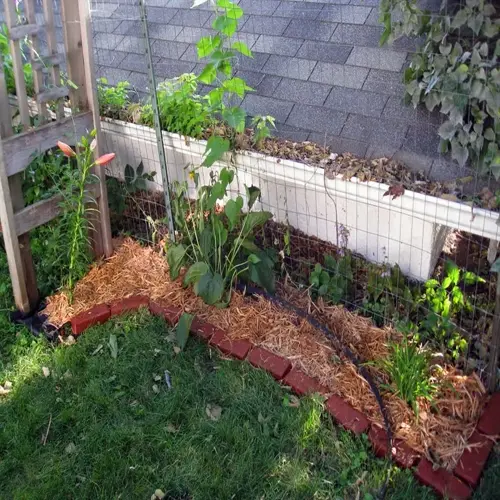
I planted a border of chives and garlic around my raised veggie bed two years ago as a test. The results showed up fast. That bed had about 60% fewer aphid clusters than my other beds with no such border. My aphid repelling plants garden border kept the bugs away from every crop inside it. My neighbor's unprotected beds next door still got hit hard that same season.
These plants work because they release chemicals that aphids detect and dodge. Alliums like garlic and chives give off sulfur compounds from their roots and leaves. Catnip pushes out a scent called nepetalactone that aphids hate. When you ring your beds with these plants, you build a natural wall of scent that makes aphids fly right past your crops. Garden Design and Garden Betty both list these as top choices for any home grower.
Your companion plants for aphid control should include trap crops too. Nasturtiums and calendula draw aphids like magnets. The idea is to plant them 3-5 feet (1-1.5 m) away from your main beds so aphids land on the trap crop instead of your food. I grow nasturtiums at the far end of my garden and they always end up covered in aphids while my veggies stay clean.
Don't forget to add plants that attract the bugs which eat aphids. Dill, fennel, and yarrow bring in ladybugs and lacewings. Sweet alyssum pulls in tiny parasitic wasps. These predators do the cleanup work once your repellent herbs push aphids to the edges. You end up with a three-layer system: repellents close in, trap crops further out, and predator plants scattered around the borders.
Garlic and Chives
- How they work: Sulfur compounds from roots and leaves create a scent zone that aphids detect and fly away from fast.
- Spacing guide: Plant them 12-18 inches (30-45 cm) apart as a tight border around your most valuable crop beds.
- Bonus use: You can harvest and eat your garlic and chives while they protect your garden at the same time.
Catnip
- How it works: Releases nepetalactone, a strong compound that repels aphids even better than some chemical sprays.
- Where to plant: Put it at bed corners or along paths where you want a strong barrier against incoming pests.
- Fair warning: Catnip spreads fast and will attract every cat in the area, so plant it in pots if you need to.
Nasturtiums as Trap Crops
- How they work: Aphids prefer nasturtiums over most vegetables, so the bugs land on them instead of your food crops.
- Where to plant: Keep them 3-5 feet (1-1.5 m) from your main beds so they lure aphids away, not toward you.
- Easy to grow: Nasturtiums start from seed in about 10 days and bloom all season with almost no care needed.
I tested this setup over two full growing seasons and the difference was clear. My beds with companion plants for aphid control needed spraying only twice all year. My bare beds with no plant borders needed treatment every other week. The time I spent planting those borders saved me hours of pest work later on.
These plants repel aphids more each month as they fill in and spread. The scent barrier gets stronger as your plants grow and spread their roots deeper into your soil. By midsummer, you'll have a garden that pushes aphids away before they ever touch your crops. Your food plants will be healthier and you'll spend way less time spraying and worrying about bugs.
Read the full article: Best Methods for Aphid Control