
Sufficiently moist soil throughout. Don't flood the soil, or you will drown the roots; however, they should be kept well-watered. Test by putting your finger into the soil every day. Water every week until the beginning of summer rains, as they would receive in their original habitat. Where feasible, I place them under drip irrigation. This is necessary to keep the heads from splitting, and they will otherwise be liable to "sour."
Growth Stage Feeding
- Start with balanced 10-10-10 NPK for leaf development
- Switch to 5-10-15 when heads begin forming
- Apply potassium-rich fertilizers during curd formation
- Use foliar sprays with micronutrients every 14 days
Soil Amendment Strategy
- Incorporate compost before planting for slow-release nutrients
- Maintain pH 6.5-7.0 for optimal nutrient uptake
- Add wood ash for potassium boost in acidic soils
- Test soil every season to adjust nutrient ratios
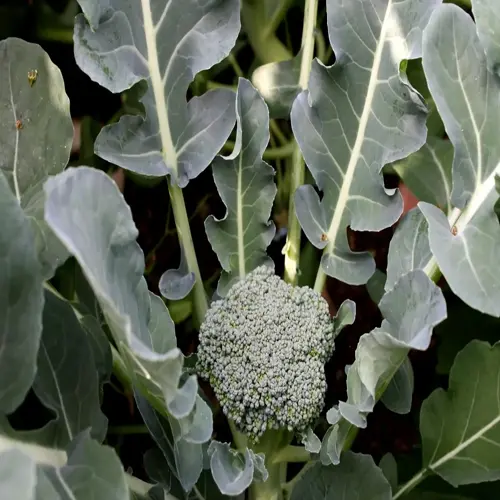
Blanching time determines the quality and color of the heads. Begin as soon as they are the size of a golf ball. Draw the outer leaves gently over the developing tall curds and bind with rubber bands or twine. I usually do this early in the morning when the air is cool. Blanching when it is raining or too damp to be safe is liable, of course, to cause rot, and the heads will fail to be perfectly white.
Be proactive about pest control from the day you plant. Immediately cover with a floating row cover and install beneficial insects, such as ladybugs, every week. Check the undersides of the leaves for eggs at least twice a week. I spray neem oil preventively every 10 days or so; its goal is to intercept problems before they have a chance to become heads-up with necks making good contact.
Heat Management
- Use 30% shade cloth when temperatures exceed 75°F
- Water soil in early morning to cool roots
- Apply reflective mulch to reduce soil heating
- Mist leaves during extreme heat waves
Cold Protection
- Install cloches when frost threatens
- Cover plants with frost blankets overnight
- Use water walls around container plants
- Harvest early if sudden freeze predicted
Variety selection is adapted to local conditions. Choose 'Amazing' for hotter areas of the country, while more northern gardens often have success with 'Winter Marvel'. Be certain the days to maturity correspond to the length of your growing season. Each year, I try out new varieties. In that way, I am assured of a dependable crop, no matter what the weather does.
Read the full article: When to Plant Cauliflower: Expert Timing Guide