
Some plants seriously harm asparagus if grown in proximity to them. Alliums, such as onions and garlic, engage in fierce competition for food, thereby retarding the growth of their spears. Potatoes will convey diseases that attack the roots of the asparagus plant. I know of but one bed that succumbed to the blight attributable to the unconcealed spite of the foregoing tuber.
Root vegetables antagonize asparagus. Carrots and beets disrupt the movement of the fine crowns underground, making digging to the root for spears impossible, and cutting them ruins them. Keep them 10 feet away, and I make it 20. I put them in separate raised beds now.
Allium Family
- Onions/Garlic: Compete for sulfur stunting spear thickness
- Leeks: Release growth inhibitors through root exudates
- Chives: Attract aphids that spread to asparagus ferns
- Solution: Plant minimum 8 feet away
Nightshades
- Potatoes: Share fusarium wilt and attract cutworms
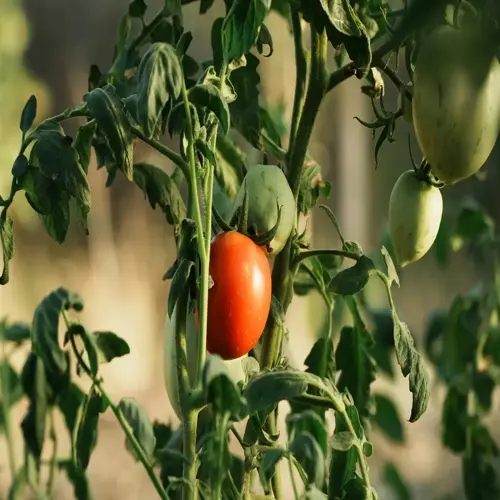
- Tomatoes: Increase asparagus beetle infestations
- Eggplant: Promote verticillium wilt transmission
- Solution: Separate beds with barrier plants
Root Disturbers
- Carrots: Deep roots damage crowns during harvest
- Parsnips: Cause soil compaction around root zones
- Radishes: Deplete phosphorus needed by asparagus
- Solution: Maintain 3-foot buffer zones
Mint family marauders, like o. oreganum (oregano), o. vulgaris (marjoram), and all species of thyme, invade asparagus with their runners, choking down performers' crowns, stealing moisture, and all. I keep mine in pots 18 inches deep and so interred. Never plant mint, or any other thing, where the roots of asparagus can dig into them; the latter can get along without any help, thank you.
Check the soil health around exclusion zones annually, testing for nutrients where incompatible plants last grew. Add compost if there are signs of nitrogen depletion, and fill in any dead areas if the soil is compacted by alliums, for example. Space the same kind of plants 3 years or more apart to prevent diseases from building up. I draw exclusion zones on my garden plan.
Use pathways or low hedges to physically separate your beds. Dwarf marigolds can be planted as barriers between asparagus and potatoes because the roots of marigold plants secrete chemicals that help repel nematodes. Planting them along the edges of your beds can provide additional protection from nematodes.
Your garden size should dictate your planting layout. Small garden areas will require strict separation of incompatible species. In contrast, larger areas can accommodate crop rotation plans to help protect the soil. My permanent asparagus place is located away from my annual vegetable garden.
Read the full article: When to Plant Asparagus: Essential Growing Guide