
Knowing precisely when to harvest zucchini dictates whether you'll pick sweet, tender squash or woody, bitter ones. Zucchini grows so quickly, you can expect fruit in 45 to 55 days after planting! If you wait too long, the flavor goes flat, and the texture becomes tough due to the oversized fruit containing large seeds and watery flesh.
Check your plants every single day in the height of the season. Oh boy, I learned this the hard way. You can miss your window of harvest in a snap! Zucchini can grow over an inch a night, hiding under those giant leaves. This world is small, so aim for a length of 5 to 8 inches. Others, like pattypan, need different sizes.
Your daily vigilance will be repaid with perfect zucchini each time you purchase it. It should have a glossy appearance and a firm feel. Seeds visible through the skin and any dullness are signs that the zucchini is past its prime; more than these two basic checks will not win you any extra flavor or nutrients.
Storing Fresh Zucchini
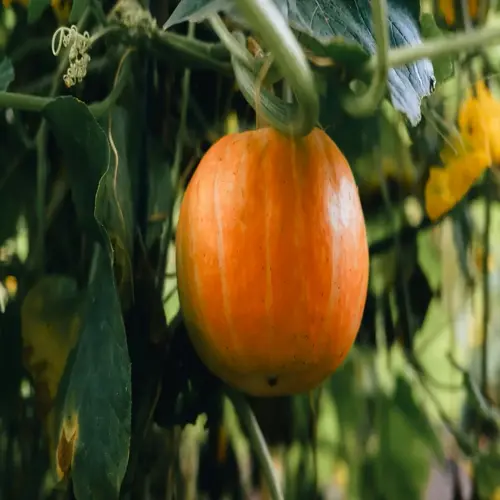
To get started, let's discuss how to keep zucchini squash fresh. Those little... orange buggers won't last long on your kitchen counter! Unwashed squash should be stored in your refrigerator's crisper drawer, preferably at a temperature of 45 to 50°F (7 to 10°C). That's cold enough to delay spoilage but not cold enough to cause chilling injury. I never put things in the coldest sections of my fridge.
Do not wash the zucchini before storing it. Water aids decay. I've learned this the hard way, as my washed batch started sprouting mold within days. The waxy exterior of your zucchini protects it from that type of decay, but properly stored, it can still last a week before you lose its freshness.
Wrap each zucchini tightly in paper towels before putting them in a plastic bag, and this will absorb a bit of moisture and will prevent them from turning slimy. Make a few small holes for air circulation in the bag, and this little trick will keep them fresh longer than any container I've tried.
Check your stored zucchini every few days and remove any that have soft spots or discoloration. One bad fruit can ruin a lot, and it can happen quickly. You'll enjoy crisp-flavored zucchini all week using this method. Good storage can extend your harvest.
Check Plants Daily
Check your zucchini plants every single day at peak season, they grow alarmingly fast! I've come out to find plants that have doubled in size overnight (- maybe not literally, but it seems that way). And I haven't had much success hiding extras behind the shed! Last year, I missed two days and came across baseball bat-sized zucchini in my garden. Make sure to harvest them well before that happens!
Your prize lies beneath those giant umbrella-like leaves. Ease them high to seek, for zucchini love to hide out of sight! If your spare hand holds the vine as you search, you will not break it and reduce next summer's crop. Surprise them early, or you shall find some giants!
Oversized zucchini actually ruins your plant's production. The plant says, "Enough!" I learned that the hard way when my largest zucchini caused production delays for a week. For standard varieties, pick at 5 to 8 inches for best flavor and tenderness.
Make a more hasty routine of it. Walk your rows each morning, armed with a tape measure. Look for fruits approaching the correct size, and snip them off. Regular picking brings forth quantities of blossoms. Your plants will bless you throughout the season!
Leaf Examination
- Check for silvery-gray speckles on leaves indicating healthy growth
- Inspect underside for pests like squash bugs or cucumber beetles
- Look for mildew or yellowing that signals watering issues
- Ensure leaves provide adequate shade but don't completely hide fruit
Fruit Size Tracking
- Measure length with ruler or compare to common objects (tennis ball)
- Document growth rate: Most varieties gain 1-2 inches daily
- Identify oversized fruit: Anything beyond 8 inches loses flavor
- Prioritize harvesting fruits reaching 6 inches first
Plant Health Assessment
- Test stem firmness: Softness may indicate rot or disease
- Monitor vine strength: Broken stems reduce future yields
- Check soil moisture: Dry soil causes premature yellowing
- Observe flower production: Absence may signal nutrient deficiency
Growth Environment Check
- Verify 6-8 hours of direct sunlight reaches all plants
- Measure soil temperature: Maintain above 60°F (15.5°C)
- Assess spacing: Crowded plants promote mildew and pests
- Note weather changes: Heat waves accelerate growth significantly
Harvest Preparation
- Gather tools: Sharp knife, gloves, and collection basket
- Identify cutting points: Stems 1-2 inches from fruit base
- Plan harvest path: Work systematically to avoid missing plants
- Time activity: Early morning when plants are most hydrated
Signs of Ripe Zucchini
Different varieties of zucchini vary in color; the dark green types, such as Black Beauty, have a deep, uniform color with no yellow streaks. In contrast, the yellow or white zucchini have bright, solid, glossy colors. In all cases, a shiny surface indicates that the fruit is fully ripened. If the surface is dull, you are too late.
Test every zucchini for consistent firm texture along its entire length. Gently squeeze from the stem to the blossom end. I notate every one that has soft spots and/or dents. The skin should hold against light fingernail pressure. Overripe squash feels spongy and gives in shape.
Look for the seeds to be barely visible under the skin. Bulges in the skin indicate that the harvest is overdue, and the seeds will be tough by then. Slice one in half if in doubt. I've found that while they're developing, zucchini are losing their flavor and hence taste a bit beefy. A nice ripe one will have only the tiniest visible seeds when sliced cross-wise. Overdeveloped seeds make the flesh gritty.
Check stems and blossom ends daily. Fresh green stems mean the berries were just picked ripe; brown dried stems mean you lost out on some berries thatfully ripened. The blossom end should stay closed and intact. If there is mold or softness, it is time to discard the berry. These visual checks help you avoid making harvesting mistakes.
Skin Appearance
- Glossy surface indicates perfect ripeness in all varieties
- Dull skin suggests aging or dehydration
- Dark green varieties should show deep uniform color without yellowing
- Yellow/white types must have vibrant hue without green streaks
Texture and Firmness
- Firmness should be consistent along entire length when gently squeezed
- Soft spots indicate rot or internal damage
- Skin should resist light fingernail pressure without denting
- Avoid fruits with wrinkled ends or shriveled stems
Size and Shape
- Standard varieties: 5-8 inches long with slight taper
- Pattypan types: 2-3 inches diameter with defined scalloped edges
- Round varieties: 2-6 inches diameter depending on use
- Crookneck types: 4-6 inches with distinct curved neck
Seed Development
- No visible seed bulges through skin surface
- Immature seeds are small and undeveloped inside
- Large seeds create gritty texture and watery flesh
- Cut test: Seeds should be barely visible in cross-section
Stem and Flower End
- Fresh green stem indicates recent maturity
- Brown/dried stems signal overripeness
- Flower end should be closed and intact
- Avoid fruits with mold or softness near stem attachment
How to Harvest Zucchini
Always sterilize your tools before harvesting any zucchini. Use a rubbing alcohol solution to wipe down your pruning shears or knife. You don't want to be spreading disease from zucchini to zucchini before you even chop into the first one! I always keep a pouch of alcohol wipes in my harvest basket for just this purpose, making it easy to disinfect my knives as I work. Clean tools protect your garden!
Make your cut at a 45-degree angle about 1-2 inches from the fruit base. Angle the cut away from the main stem. This allows water to run off the wound instead of pooling there, which prevents rot and allows for faster healing. Never twist or pull the zucchini off.
Leave that 1-2 inch stem on the zucchinis. That little plug reduces moisture loss. I can tell you from experience that stemless zucchinis shrivel faster in storage. Collected the fruits gently as you would eggs, so as not to bruise them, and do not stack them on top of each other in a deep basket.
Store picked zucchini in a wide basket, spaced in a single layer, and line it with a soft cloth to prevent bruising. Check each fruit before storing, and wash only when you're ready to use it.
Tool Preparation
- Select sharp pruning shears or serrated knife
- Sterilize blades with rubbing alcohol to prevent disease spread
- Wear gardening gloves to protect against leaf spines
- Prepare clean basket lined with soft cloth
Plant Approach
- Gently lift large leaves to expose hidden fruit
- Support vines with free hand to avoid stem damage
- Identify mature zucchini meeting size/color criteria
- Clear surrounding foliage for safe cutting space
Cutting Technique
- Position blade 1-2 inches from fruit base
- Cut at 45-degree angle away from main stem
- Apply steady pressure for clean single-stroke cut
- Avoid twisting or pulling during separation
Post-Harvest Handling
- Place zucchini gently in basket without stacking
- Wipe dirt with dry cloth (no washing until use)
- Discard damaged or diseased fruit immediately
- Sanitize tools before storing
Plant Aftercare
- Inspect cut stem for sap leakage indicating proper healing
- Remove nearby overripe fruit to stimulate new growth
- Water base lightly if soil appears dry
- Apply compost tea to nourish recovery
When to Harvest Zucchini
Harvest timing for the zucchini varieties (size-wise) varies. With many standard types, such as Black Beauty, you want fruit that is 5-8 inches in length. Pattypan squash should be 2-3 inches across, whereas round varieties, such as Eight Ball, can range from approximately 2 to 6 inches. Crooknecks vary as well, but usually the best size is about 4-6 inches long. Check your seed packet for the exact number of days to germination.
Mark your calendar for approximately 45 to 55 days after planting your seeds, when they will have packed the best flavor and texture. I'll confirm my dates based on the instructions on my seed packets. Once that window expires, zucchinis become mushy and watery, losing their ideal texture, and become woody when allowed to grow too large.
Check daily in peak season. Zucchini can grow 1 or 2 inches a night in warm weather. I'm out there with a ruler each morning, measuring the fruits. When you miss a day or two of checking, you'll potentially end up with a baseball bat-sized squash instead of a fine little zucchini. They reach perfect ripeness more quickly than you think, sometimes in less than 48 hours.
If zucchini are left on the plant for too long before harvesting, they become tough, with a thick skin and huge, gnarled, undersized interior seeds. The flavor dissipates, and the sugars are converted into starch. Leaving the squash to grow for another week or two will result in large zucchini that will taste like water. Harvest them at the perfect size, and they'll have a nutty flavor. Your taste buds will thank you.
Growth Timeline
- First fruits appear 7-10 days after flowering begins
- Peak harvest window lasts 3-4 weeks in optimal conditions
- Delay beyond 55 days results in flavorless, watery squash
- Succession planting extends season by 8-10 weeks
Size Thresholds
- Standard varieties lose tenderness beyond 8 inches length
- Pattypan types develop tough skin after 3 inches diameter
- Visible seed bulges indicate immediate harvest necessity
- Oversized fruit inhibits new flower production
Environmental Factors
- Heat waves accelerate growth by 30-40% requiring twice-daily checks
- Optimal soil temperature: 60-70°F (15.5-21°C)
- Water stress causes premature hardening of skin
- Full sun exposure (6-8 hours) ensures timely maturity
Quality Preservation
- Harvest before noon when plant moisture content peaks
- 24-hour delay can reduce flavor quality by 50%
- Glossy skin sheen indicates peak nutritional value
- Firm texture throughout ensures optimal culinary use
Varietal Exceptions
- Baby varieties (e.g., Piccolo) best at 3-4 inches diameter
- Heirloom types may have shorter harvest windows
- Yellow varieties show ripeness through vibrant color intensity
- Striped cultivars require consistent pattern development
5 Common Myths
Many gardeners mistakenly believe larger zucchini tastes better and should be left to grow to maximum size.
Zucchini becomes watery and bitter when overgrown beyond 8 inches for standard varieties. The ideal size of 5-8 inches ensures tender flesh and concentrated nutty flavor because smaller fruits have underdeveloped seeds and higher sugar content. Harvesting at recommended sizes prevents spongy texture that larger zucchini develop as their seeds mature and expand.
A common misconception is that twisting zucchini off the vine is quicker and causes no plant damage.
Twisting damages plant tissues and creates entry points for diseases like bacterial wilt. Proper cutting with sterilized tools 1-2 inches from the fruit base promotes clean healing and prevents stress that reduces future yields. This technique preserves vine integrity, especially for continuous producers like Black Beauty varieties.
All zucchini flowers will eventually turn into fruit if left on the plant.
Only pollinated female flowers develop into fruit, while male flowers naturally drop after blooming. Female blossoms have visible ovary swellings at their base, requiring bee transfer of pollen from males. Unpollinated females yellow and fall off within days, never producing squash regardless of how long they remain attached.
It is often thought that zucchini is botanically a vegetable, not a fruit, due to its culinary use.
Zucchini meets the botanical definition of a fruit since it develops from the flower's ovary and contains seeds. Culinary classification as a vegetable stems from its savory usage, but scientifically it belongs to the same fruit category as melons and cucumbers. This distinction affects seed saving practices and disease categorization.
Many people avoid refrigerating zucchini, thinking it causes significant flavor loss and texture deterioration.
Proper crisper storage at 45-50F (7-10C) preserves flavor and texture for 4-5 days. Chilling injury only occurs below 40°F (4.4C), causing pitting and decay. Unwashed zucchini in breathable paper maintains optimal moisture balance, preventing the flavor degradation that happens when stored at room temperature.
Conclusion
Make daily harvesting your zucchini mantra. With regular harvesting, you'll enjoy maximum flavor and uninterrupted fruit production. I harvest every single morning in the summer. If you continue to pick, your plant will continue to produce more flowers, and you'll be pleasantly rewarded. That one little trick at the beginning of my zucchini-growing career tripled my crop!
Monitor sizes religiously for all varieties, from standard to those that require 5-8 inches of squash, and pattypans 2-3 inches. Of the right size, they keep the requisite nutty sweetness; otherwise, in being too large, they speedily lose that flavour, become watery and insipid, and to an experienced palate are by no means pleasant to the taste.
Reduce the spoilage of your harvest. Proper storage slashes garden waste by 80 percent! To keep zucchini fresh in your refrigerator, store it unwashed at 45 to 50°F, wrapped in paper. Then you can use the fruit for five days.
Avoid myths like twisting fruit off vines. That breaks the skin and allows diseases to enter. Use snips or other sterilized tools. Experience teaches you many things to avoid, mistakes that reduce yield. Your plants will flourish if you follow these tips. Start today!
External Sources
Frequently Asked Questions
How do I know when to harvest zucchini?
Harvest zucchini when it reaches 5-8 inches long for standard varieties, has glossy skin, and firm texture throughout. Daily checks are essential as they grow 1-2 inches overnight. Visible seeds or dull skin indicate overripeness.
What happens if I harvest zucchini too early?
Premature harvesting results in underdeveloped flavor and reduced yield potential. Early-picked zucchini lacks the nutty sweetness of mature fruit and may have overly tender flesh that doesn't hold up in cooking.
Should I prune my zucchini plants?
Pruning improves airflow and reduces disease risk. Follow these guidelines:
- Remove only damaged or diseased leaves using sterilized shears
- Avoid cutting main stems to prevent yield reduction
- Target older leaves shading developing fruit
- Never remove more than 30% of foliage at once
How often should I water zucchini plants?
Water deeply 2-3 times weekly, ensuring soil moisture reaches 6 inches deep. Increase frequency during heat waves but avoid waterlogging. Consistent moisture prevents blossom-end rot while allowing slight drying between waterings discourages fungal diseases.
Can zucchini get too big to eat?
Yes, oversized zucchini develops tough skin, watery flesh, and bitter flavor. Once seeds become prominent and visible through the skin, nutritional value drops significantly. These are best used for composting or animal feed.
How many zucchini does one plant produce?
A healthy plant yields 6-10 pounds over the season with proper care. Harvest frequency impacts total production:
- Daily picking stimulates continuous flowering
- Average 3-4 fruits weekly during peak season
- Yield declines if oversized fruit remains on vine
- Staggered planting extends harvest period
Why are my zucchini flowers falling off?
Flower drop typically indicates pollination issues or environmental stress. Male flowers naturally wither after blooming, while unpollinated females abort. Ensure bee activity, hand-pollinate if needed, and maintain consistent soil moisture during flowering.
How should I store freshly harvested zucchini?
Optimal storage involves:
- Do not wash before refrigeration
- Place unwashed in perforated plastic bags
- Maintain 45-50°F (7-10°C) in crisper drawer
- Use within 4-5 days for best quality
- Paper wrapping prevents moisture buildup
Can I eat zucchini raw?
Yes, raw zucchini is safe and nutritious when freshly harvested. Young fruits have tender skin and crisp texture ideal for salads. Avoid bitter-tasting or overmature specimens, and always wash thoroughly before consumption.
How do I prepare plants for winter?
End-of-season care includes:
- Remove all fruit to prevent disease carryover
- Cut vines at soil level after frost
- Compost healthy plants; discard diseased material
- Test soil and amend with organic matter
- Rotate planting location next season