
Understanding precisely when to harvest tomatoes makes all the difference in your garden. Gather them too soon, and you have a sour, hard fruit; too many days pass, and they're mush. Just right, and you are graced with that sweet, juicy tang you've craved all winter.
Observe the transformation of your tomato from green to vibrant scarlet or orange. Press your fingers lightly against its ever so slightly yielding flesh. Not all tomatoes ripen alike. Heirlooms versus cherries: who's to say which is correct? Follow your germination's cues.
Store-bought tomatoes often taste like cardboard because they are typically picked green. Yours will be bursting with true big flavor, picked fresh from the vine. That garden warmth and sun will be in every bite. Nothing like eating a tomato that you grew yourself.
Think of this as your personal guide to tomato nirvana. I've spent years testing this out in my garden. You're about to learn the moment when flavor reaches its apex. Never degrade a single precious tomato again!
Post-Harvest Plant Maintenance
Remove tomato remains immediately after your final harvest. It reduces the chance of disease spreading; fungal spores, sinfully, overwinter in dead leaves. Clearing away dead plants helps protect next year's crop from diseases such as blight and wilt.
Prune all new shoots in August. Cut back the upper growth as much as you dare, so you won't expend too much energy at the top of the plant creating new flowers. You can concentrate instead on ripening the fruit that has developed. Your trusty shears should be sharp and cleaned with rubbing alcohol. Make clean cuts above the leaf nodes. Throw the cuttings far from your own garden beds.
Clear every leaf or putrid fruit from the surface of the ground. Whatever is buried under the soil may produce poisonous or harmful effects during decomposition. A rotting tomato will give the soil an acidic flavor and try to attract worms. Rake every bed clean and expose nothing but the pure earth before winter occurs. Good earth means good plants in the future.
Pull out your support stakes gently when the plants are gone, and remove the handfuls of dirt and roots that are still adhering to them. Stack them together and keep them in a dry place until next season. Wash your spade, bush cutting knife, garden trowel, and hand hoe with soap and water when this little work of "cleaning up" is done, and place them oiled away.
Creative Uses for Green Tomatoes
* Green tomatoes, but only "ripe" ones. You can eat the mature green tomato (look for a fruit that has reached full size and has a slight yellow blush at the bottom, partway into its ripening), but not the unripe one. It's full of natural solanine, which, when eaten raw, may not be safe, but it'll break down when cooked. Do not eat a green tomato if it's an ornamental variety.
Fried green tomatoes. Cook time: 30 minutes. Sometimes referred to as fried green "maters", these thick slices are dipped in buttermilk, then dredged in cornmeal, and fried until they have a crunchy texture and a tangy flavor. Accompaniments: Remoulade sauce and a basil garnish. The creaminess contrasts the tart flavors.
Make green tomato salsa in 15 minutes plus chilling time. Dice tomatoes along with a few diced jalapeños, red onion, and cilantro together. Toss with lime juice for a bright, acidic flavor. Allow to sit in the fridge for two hours for flavors to meld together. Great with fish tacos or chips. This salsa can be as spicy as you want.
Pickled green tomatoes. 45 minutes active time. Pack slices in jars and cover with hot vinegar brine, season with dill and garlic to taste. Leave for a few weeks to develop their delicious, tangy crunch. We serve it on our charcuterie boards. The sharp tang goes particularly well with aged cheese and slices of meat.
Green tomato chutney. Simmer for 65 minutes. Cook some chopped tomatoes with 2 ounces of ginger, 2 ounces of raisins, and 2 ounces of spices till thoroughly reduced to a thick marmalade. It is exceedingly sweet and spicy, and of chewy consistency. Spread on oat crackers and top with a tiny slice of sharp cheddar cheese. It cools the warmth of the appetizing mixture beautifully.
Green Tomato Pie Bake 80 minutes. Slice and layer in a pie with sugar and cinnamon; it's similar to apple pie, but with a slightly tart flavor. Serve warm, topped with cold cream.
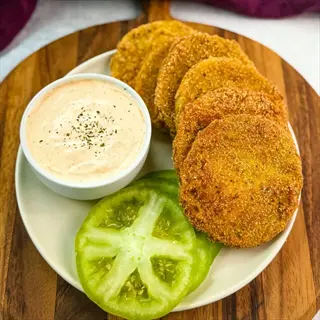
Fried Green Tomatoes
- Preparation: Slice tomatoes 1/4-inch thick, dip in buttermilk, coat with cornmeal mix. Fry in 375°F (190°C) oil until golden brown, about 3 minutes per side.
- Flavor Profile: Tangy interior with crispy cornmeal crust creates perfect texture contrast.
- Serving Suggestion: Pair with remoulade sauce and fresh basil leaves for freshness.
- Prep Time: 20 minutes preparation plus 10 minutes cooking time per batch.
- Storage Tip: Best consumed immediately but can be refrigerated for 2 days. Reheat in oven at 350°F (175°C).
- Variation Idea: Add Cajun seasoning to cornmeal mix for spicy kick.
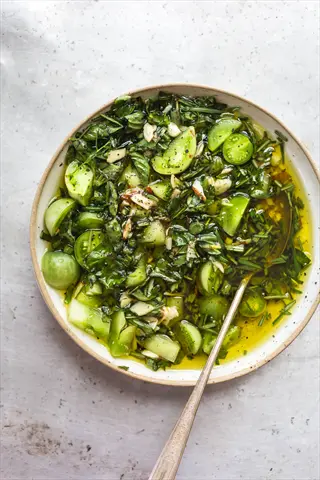
Green Tomato Salsa
- Ingredients: Diced green tomatoes, jalapeños, cilantro, lime juice, and red onion. Combine and refrigerate for 2 hours before serving.
- Flavor Profile: Bright acidity with herbal notes and adjustable heat level from peppers.
- Serving Suggestion: Ideal with tortilla chips or as topping for fish tacos.
- Prep Time: 15 minutes chopping plus 2 hours chilling time.
- Storage Tip: Keeps in airtight container for 1 week. Flavor intensifies over time.
- Variation Idea: Add diced mango for tropical sweetness balance.
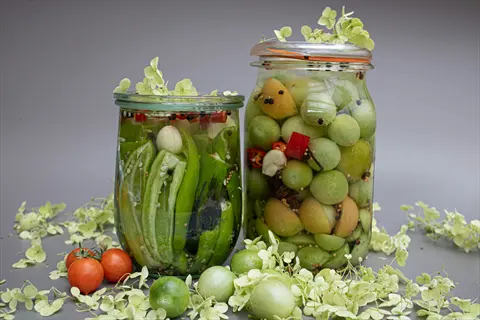
Pickled Green Tomatoes
- Brine: Vinegar, water, sugar, mustard seeds, and dill. Simmer brine and pour over packed tomato slices in sterilized jars.
- Flavor Profile: Tangy crunch with aromatic dill and mustard seed undertones.
- Serving Suggestion: Excellent in sandwiches or with charcuterie and aged cheeses.
- Prep Time: 30 minutes active preparation plus 15 minutes processing.
- Storage Tip: Shelf-stable for 1 year unopened. Refrigerate after opening.
- Variation Idea: Include garlic cloves or red pepper flakes for extra flavor.
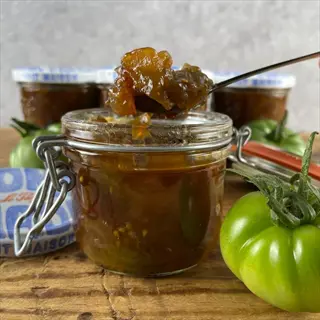
Green Tomato Chutney
- Cooking: Simmer chopped tomatoes with brown sugar, raisins, ginger, and spices for 45 minutes until thickened.
- Flavor Profile: Sweet-spicy balance with warm spices and chewy raisin texture.
- Serving Suggestion: Complements grilled chicken or sharp cheddar on crackers.
- Prep Time: 20 minutes preparation plus 45 minutes simmering.
- Storage Tip: Preserves in jars for 12 months. Refrigerate after opening.
- Variation Idea: Substitute golden raisins for currants and add apple cider vinegar.
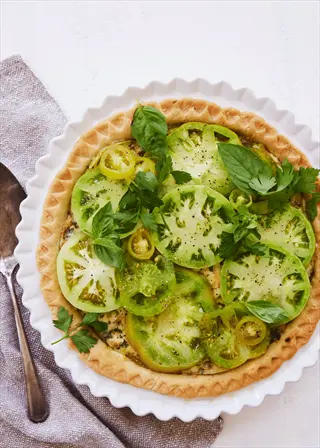
Green Tomato Pie
- Technique: Layer sliced tomatoes with sugar, cinnamon, and lemon zest in pie crust. Bake at 375°F (190°C) for 50 minutes.
- Flavor Profile: Similar to apple pie but with subtle tanginess from tomatoes.
- Serving Suggestion: Top with vanilla ice cream or whipped cream for contrast.
- Prep Time: 30 minutes preparation plus 50 minutes baking.
- Storage Tip: Refrigerate leftovers covered for up to 4 days.
- Variation Idea: Add nutmeg and cardamom to filling for complex spice notes.
Long-Term Preservation Tactics
Freeze whole tomatoes. They will last for no more than six months. Wash and dry thoroughly before freezing solidly on trays. Put in airtight bags and keep at 0°F. The skin should show no ice crystals. Thaw before using. Tomatoes, when used regularly, become very soft, but they are a great boon for sauces.
Tomato sauce. Will keep, frozen, for eight months. Pour the mixture when cool into the receptacles, leaving space for expansion. The properly preserved sauce will be bright red without the dark edges that indicate that it has not been properly cooked. Freeze in ice-cube trays for single portions. Thawing will not compromise the sauce, which will retain its rich, flavorful, and delicious taste as if it were freshly made.
Sun-dried tomatoes will keep for six months in oil. Dehydrate slices until leathery but pliable. Store completely submerged in sterilized jars filled with olive oil, phrasing them in rows so that the oil won't touch the neck of the jar. Thick oil will grow cloudy, so discard it. They do become chewier and tastier after being saturated for some time.
Canned whole tomatoes have a shelf life of 18 months (unopened) when stored at room temperature and away from light. When processing, also process jars into sealed jars using a 45-minute water bath method. Tomatoes will retain their original shape but soften slightly during processing. Stored at temperatures under 70 degrees Fahrenheit.
Three-Year Shelf Life of Tomato Powder - Fully dehydrated tomato slices can be ground into a fine powder, resulting in a product with a three-year shelf life. Store in airtight containers using silica packs to keep moisture away from the powder. Look for powders that do not form clumps and are free-flowing. Mix the powder with water to create a tomato paste when needed.
Freezing Whole Tomatoes
- Procedure: Wash and dry tomatoes, remove stems, freeze on baking sheet until solid before transferring to airtight bags.
- Storage Duration: Maintains quality for 6 months at 0°F (-18°C). Avoid thawing-refreezing cycles.
- Texture Change: Becomes soft after thawing; ideal for cooked dishes like sauces and soups.
- Quality Check: Look for absence of ice crystals and freezer burn on tomato skin surface.
- Best Varieties: Roma and San Marzano tomatoes retain structure best due to lower moisture content.
- Thawing Tip: Defrost in refrigerator overnight for even texture. Never microwave directly.
Tomato Sauce Preservation
- Preparation: Simmer peeled tomatoes with herbs for 1 hour, cool completely before portioning.
- Freezing: Pour sauce into freezer-safe containers, leave 1-inch headspace for expansion during freezing.
- Duration: Lasts 8 months frozen. Use within 4 days if refrigerated after thawing.
- Visual Cue: Properly preserved sauce maintains vibrant red color without darkening at edges.
- Container Tip: Ice cube trays create single-serving portions perfect for quick recipe additions.
- Flavor Tip: Add basil or oregano during cooking to enhance flavor complexity after freezing.
Sun-Dried Tomatoes
- Dehydration: Slice tomatoes 1/4-inch thick, salt lightly, dehydrate at 140°F (60°C) for 8-12 hours.
- Storage: Keep in airtight jars with olive oil covering tomatoes completely to prevent mold.
- Shelf Life: 6 months in pantry; 1 year refrigerated. Discard if oil turns cloudy.
- Texture Check: Properly dried tomatoes should be leathery but pliable, not brittle or sticky.
- Oil Preservation: Use sterilized jars and ensure tomatoes are fully submerged under oil layer.
- Usage: Rehydrate in warm water for 20 minutes before adding to salads or pastas.
Canned Whole Tomatoes
- Water Bath Method: Pack sterilized jars with peeled tomatoes, add citric acid, process 45 minutes.
- Duration: Shelf-stable for 12-18 months when stored in cool, dark location below 70°F (21°C).
- Safety Check: Jars must seal with concave lids. Bulging lids indicate spoilage - discard immediately.
- Quality Indicator: Preserved liquid should remain clear, not cloudy, with tomatoes maintaining shape.
- Acidification: Add 1 tablespoon bottled lemon juice per pint jar to ensure safe pH levels.
- Best Practice: Use only blemish-free tomatoes and process within 24 hours of harvest.
Tomato Powder
- Preparation: Dehydrate tomato slices completely, grind into fine powder using food processor.
- Storage: Keep in airtight containers with silica gel packets to absorb residual moisture.
- Longevity: Lasts 2-3 years when protected from light and humidity in pantry storage.
- Reconstitution: Mix 1 tablespoon powder with 2 tablespoons water to make tomato paste equivalent.
- Usage Tip: Add directly to soups, stews, or bread doughs for concentrated tomato flavor.
- Quality Test: Powder should flow freely without clumping when container is shaken gently.
Step-by-Step Harvesting Techniques
Gently grip a cherry tomato between your thumb and forefinger at the stem, and twist counterclockwise while gently pulling slightly upward until it pops off the vine. This specifically works well for Sweet 100 and Sun Gold varieties. Always leave the calyx on the fruit to help protect it from moisture and bacteria.
Snip large heirlooms like Brandywine with bypass pruners. Place the blades ¼ inch above the shoulder of the fruit and make a single, clean cut through the stem. Sterilize the blades with alcohol between each plant. This avoids crushing of the stem and greatly lessens the risk of infection.
Harvest grape tomato clusters by first supporting a truss with one hand to avoid crushing it. Using floral scissors, cut the main stem of the truss 1 inch above the top fruit. Sugar Snack varieties store the best this way. Store clusters with cut ends up, so they retain moisture longer.
Harvest tomatoes in the early morning after the dew has evaporated, check by pressing the shoulder; good tomatoes yield slightly without being soft and mushy. Do not pick when it has just rained, nor when the temperature exceeds 90 degrees Fahrenheit, as the heat will affect the flavour of the tomatoes, and the moisture involved with the rain will cause splitting.
Tomatoes harvested should be placed stem side up in shallow baskets. Do not stack them high (keep them shallow). Only wipe with dry cloths. Store at 55°F to 70°F out of direct sunlight. Separate unripe fruits so they will ripen naturally over time.
Gentle Twist Technique
- Ideal For: Cherry tomatoes and small salad varieties like Sweet 100 or Sun Gold.
- Step 1: Grip tomato firmly but gently between thumb and forefinger near the stem connection.
- Step 2: Rotate wrist clockwise while applying slight upward pressure until fruit detaches naturally.
- Result: Calyx and short stem remain attached, creating protective barrier against moisture and bacteria.
- Tool Tip: Use cotton gardening gloves to improve grip without damaging delicate fruit skin.
- Common Mistake: Avoid pulling downward which can damage vine and neighboring fruit clusters.
Shears Method
- Best For: Large heirlooms (Brandywine, Cherokee Purple) and beefsteak varieties with tough stems.
- Step 1: Sterilize pruning shears with 70% isopropyl alcohol to prevent disease transmission.
- Step 2: Position blades 1/4-inch above fruit's shoulder, cut stem cleanly in single motion.
- Result: Clean cut minimizes plant trauma and reduces infection risk at cut site.
- Tool Choice: Bypass pruners (not anvil) ensure precise cuts without crushing stem tissue.
- Aftercare: Wipe blades with disinfectant after each plant to prevent cross-contamination.
Cluster Harvesting
- Perfect For: Grape and currant tomatoes (Sugar Snack, Tiny Tim) growing in trusses.
- Step 1: Support entire cluster with non-dominant hand to prevent vine snapping.
- Step 2: Snip main stem 1-inch above top fruit using sharp floral scissors.
- Benefit: Extends shelf life by keeping fruits attached to stem, reducing moisture loss.
- Storage: Hang clusters upside-down in cool area (55°F/13°C) to maintain freshness for 5-7 days.
- Timing: Harvest when 80% fruits in cluster show full color for best flavor development.
Optimal Harvest Timing
- Daily Window: Early morning after dew evaporates (8-10 AM) when sugars are most concentrated.
- Temperature: Avoid harvesting above 90°F (32°C) when fruits are heat-stressed and soft.
- Weather Precautions: Never harvest after rain or irrigation; wait 24 hours to prevent splitting.
- Frequency: Check plants daily during peak season as tomatoes ripen rapidly.
- Ripeness Test: Skin should yield slightly to thumb pressure but not feel mushy.
- Visual Clue: Look for uniform color and slight sheen indicating full flavor development.
Post-Harvest Handling
- Transport: Use shallow baskets to prevent bruising; never stack tomatoes more than two layers deep.
- Cleaning: Wipe gently with dry cloth only; water encourages mold during storage.
- Stem Position: Store stem-side up to protect vulnerable shoulder area from pressure damage.
- Separation: Keep unripe tomatoes separate from ripe ones to control ethylene exposure.
- Temperature: Maintain 55-70°F (13-21°C) for best flavor retention before consumption.
- Damage Check: Discard any tomatoes with cracks or soft spots to prevent spoilage spread.
The Perfect Harvest Timing
The pink stage is when they're at their sweetest. Pick them and toward that reddishness. Harvest tomatoes with about 30-60% color development; this timing generally yields the best overall combination of sweetness and "keeping power." The ripening process continues even off the vine, due to the effect of their naturally produced ethylene gas, and such fruit will have the same flavor as fruit that has ripened on the vine in the field.
Both on-the-vine and vine-ripened tomatoes produce identical nutrition when picked during the pink stage. Leave tomatoes on the vine beyond 60 percent color; they may over-ripen, be infested with splitting and pest damage, and tend to become mealy. To keep tomatoes until perfectly ripe, harvest them off the vine, and each tomato will be perfectly firm and fit to eat. There is no validity to the rumor about on-the-vine superiority.
Temperature, namely high temperatures, controls how the sugars develop; above 90F daily highs is heat that breaks down the flavours. If the temperature drops below 50°F, it can damage the cells and tissues. Ideally, pick the first thing. The sugars concentrate in the fruit overnight and further develop each day. The cooler the storage. The more retention of flavour. The ideal temperature range is 55-70F.
Yellow tomatoes ripen differently from other colors. Rather than looking for a pink blush, spot deep gold tones on yellow tomatoes. Varieties like Lemon Boy turn bright yellow with no green shoulders. Others, like Green Zebra, develop cream-colored stripes under their green background. All will be soft to the touch.
Color Development Stages
- Breaker Stage (1-10% color): First blush appears; ethylene production begins internally.
- Turning Stage (10-30%): Color expands but fruit remains firm; nutrition still developing.
- Pink Stage (30-60%): Ideal harvest point for most varieties; balances flavor and shelf life.
- Light Red (60-90%): Near peak sweetness but vulnerable to splitting and pests outdoors.
- Full Color (90%+): Maximum flavor on vine but high risk of damage if not harvested immediately.
- Non-Red Varieties: Look for gold blush on green tomatoes or cream undertones on purple varieties.
Texture and Firmness
- Pressure Test: Gently squeeze shoulders; slight give indicates ripeness while firmness means wait.
- Skin Tautness: Ripe tomatoes feel plump with tight skin; wrinkles signal over-ripeness.
- Stem Connection: Ripe fruit detaches easily with slight twist; resistance means incomplete ripening.
- Weight Feeling: Heavy for size indicates juice content; lightweight may mean dehydration.
- Shoulder Check: Area near stem should match body color; green shoulders need more time.
- Vine Health: Harvest immediately if plant shows disease, even if fruits are under-ripe.
Variety-Specific Timing
- Cherry Tomatoes: Harvest when fully colored; they skip 'pink stage' and ripen rapidly.
- Heirlooms: Pick at 40-50% color to prevent splitting; finish ripening indoors on counter.
- Beefsteaks: Wait until 60-70% color due to thick walls; develops complex flavors slower.
- Green Varieties: Harvest when base turns yellowish and fruit feels slightly soft.
- Striped Tomatoes: Look for background color change (e.g., green to gold on Green Zebra).
- Paste Tomatoes: Best at deep red stage for maximum solids content in sauces.
Environmental Factors
- Temperature: Harvest before daily highs exceed 90°F (32°C) to prevent flavor loss.
- Moisture: Avoid picking within 24 hours of rain/watering to reduce splitting risk.
- Sun Exposure: Morning harvest preserves sugars accumulated overnight; afternoon heat diminishes flavor.
- Frost Threat: Pick all breaker+ stage tomatoes if frost forecasted; mature greens can ripen indoors.
- Pest Pressure: Harvest early if birds or hornworms are active; use mesh bags for protection.
- Heat Waves: Refrigerate immediately if harvested above 85°F (29°C) to slow over-ripening.
Troubleshooting Timing Issues
- Premature Harvest: If picked too early, store with banana at 70°F (21°C) to encourage ripening.
- Overripe Fruit: Use immediately for sauces; refrigerate briefly if necessary but expect texture loss.
- Uneven Ripening: Caused by calcium deficiency; add lime to soil next season and maintain even watering.
- Splitting Prevention: Harvest at pink stage before heavy rain; mulch to regulate soil moisture.
- Sunscald: Harvest affected fruits immediately; provide shade cloth during heat waves next season.
- Flavor Optimization: For maximum sweetness, reduce watering 3 days before harvest to concentrate sugars.
5 Common Myths
Tomatoes must ripen fully on the vine to develop their best flavor and nutritional value.
Research shows tomatoes picked at the breaker stage (10% color) develop identical flavor and nutrition when ripened off-vine. Ethylene gas triggers the same biochemical changes whether on or off the plant. Harvesting at 30-60% color prevents nearly all splitting and pest damage while allowing full sugar development. Vine-ripened tomatoes left too long often become overripe and mealy.
Green tomatoes are poisonous and should never be eaten due to toxic solanine content.
Only unripe tomatoes from red varieties contain trace solanine, but mature green tomatoes (fully sized with yellowish base) are completely safe. Solanine levels in green tomatoes are 100 times lower than toxic thresholds. Cooking further reduces any remaining compounds. Thousands safely consume fried green tomatoes and chutneys annually with no health risks.
After tomatoes are harvested, refrigerating will maximize their freshness and greatly improve the storage life of tomatoes.
Cold temperatures below 50°F (10C) create off-flavors and mealy surfaces on ripe tomatoes due to the breakdown of cell membranes from being refrigerated too cold. The best way to store tomatoes would be between 55-70F (13-21C) which keeps the aromas and flavours of tomatoes "ready to pop" for 5 to 7 days. However, if you have overripe tomatoes you will want to refrigerate them as soon as possible, and for limited time frames such as overnight, but for longer storage methods freezing or canning methods work better.
Tomatoes should only be harvested when they achieve 100% uniform color for peak quality.
Peak flavor occurs at 60-90% coloration depending on variety, with earlier harvest preventing field damage. Beefsteaks develop best flavor at 70% color, while cherries peak at full color. Waiting for 100% ripeness invites splitting (from rain), sunscald (in heat), and pest infestation. Commercial growers harvest at pink stage for optimal transport quality.
Larger tomatoes inherently taste better than smaller varieties due to higher sugar concentration.
Size doesn't determine flavor; cherry tomatoes often have higher brix (sugar) levels than beefsteaks. Flavor depends on variety genetics, sun exposure, and harvest timing, not size. Small varieties like Sungold (Brix 9-10%) outperform many large tomatoes (Brix 4-5%). Proper growing conditions matter more than fruit dimensions for taste development.
Conclusion
Perfect timing bridges these three facets of tomato harvesting. You capture their peak flavor at the pink stage, ensuring successful long-term preservation, while allowing the plants to flourish for multiple seasons. Get the balance right, and you master your garden!
Culinary results are influenced by the harvesting methods used. Gently twisting cherries allows you to harvest them without damaging the fruit. Using scissors to snip the stem of an heirloom tomato will prevent the spread of disease. Storing produce at the correct temperature will maintain its natural sweetness. These important steps will consistently produce the highest quality garden produce.
Use these successful techniques for your next growth cycle. Look for a color shift of between 30% to 60%. Look for a slight amount of give when squeezed between your fingers. Grow to your variety's specifications. Your diligence will provide you with an unrivaled tasting experience.
You have the complete guide to the art of growing tomatoes. Rely on your own observation and tactile experiences. Respect the natural cycles of the plant. Enjoy the fruits of your labor when you pick at the optimal time to harvest the best-tasting fruit of all.
External Sources
Frequently Asked Questions
How do you know when tomatoes are perfectly ripe for harvest?
Check for these key indicators:
- Color development: 30-60% pink/red blush for most varieties
- Gentle shoulder squeeze shows slight give without mushiness
- Stem detaches easily with slight twist
- Heavy weight relative to size indicates juiciness
- Uniform color without green shoulders
Can tomatoes ripen after being picked from the vine?
Yes, tomatoes continue ripening off-vine through natural ethylene gas production. Harvest at breaker stage (first color blush) and ripen indoors at 70°F. Place in paper bags with bananas to accelerate the process. Flavor develops identically to vine-ripened tomatoes when picked at proper maturity.
What temperature is too cold for harvesting tomatoes?
Avoid harvesting when temperatures drop below 50°F or exceed 90°F. Cold damages cell structure causing mealy texture, while heat breaks down sugars. Ideal conditions are 55-70°F during early morning hours. If frost threatens, harvest all breaker-stage tomatoes immediately for indoor ripening.
Why do some tomatoes stay green and never turn red?
Persistent greenness usually indicates:
- Calcium deficiency in soil preventing pigment development
- Extreme heat above 90°F halting lycopene production
- Genetic factors in green-when-ripe varieties
- Insufficient sunlight exposure during final growth stage
- Harvesting before mature green stage
Should you prune tomato plants for better harvest?
Strategic pruning improves harvest quality:
- Remove suckers below first fruit cluster for larger tomatoes
- Prune upper shoots in August to redirect energy to fruit
- Trim yellowing leaves to prevent disease spread
- Never remove more than 30% of foliage at once
- Always sterilize tools between plants
How should harvested tomatoes be stored for maximum freshness?
Optimal storage requires temperature control and handling: Keep unripe tomatoes at 65-70°F away from direct sunlight. Store ripe tomatoes stem-up in single layers at 55°F. Never refrigerate below 50°F as cold destroys flavor compounds. Use within 5 days for peak quality.
What are the best methods to preserve excess tomatoes?
Effective preservation techniques include:
- Freezing whole tomatoes for sauces (6-month shelf life)
- Water-bath canning with citric acid (12+ months storage)
- Sun-drying with olive oil preservation
- Making concentrated tomato paste or powder
- Quick-pickling green tomatoes in vinegar brine
Is it safe to eat unripe green tomatoes?
Yes, mature green tomatoes are completely safe when cooked. Trace solanine levels are 100x below toxicity thresholds. Cooking neutralizes remaining compounds. Popular preparations include fried green tomatoes, chutneys, and relishes. Avoid eating raw green tomatoes from ornamental varieties.
How does weather affect tomato harvesting timing?
Weather critically influences harvest decisions: Delay picking for 24 hours after rain to prevent splitting. Harvest before heat waves above 90°F to avoid flavor loss. Collect all viable fruit at frost warnings. High humidity requires immediate processing to prevent mold during storage.
Do different tomato varieties require unique harvesting approaches?
Absolutely, harvesting varies significantly:
- Cherry tomatoes: Harvest when fully colored using twist method
- Beefsteaks: Pick at 60-70% color with shears
- Heirlooms: Harvest early to prevent cracking
- Paste tomatoes: Wait for deep red stage
- Cluster varieties: Snip entire trusses