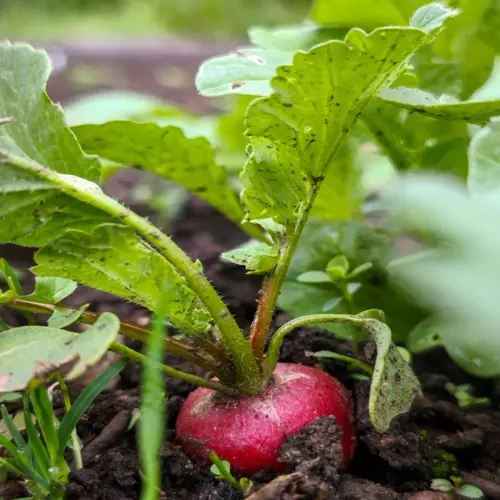

Spinach is susceptible to certain common pests that require attention. Aphids congregate beneath leaves, sucking sap and spreading disease, and leaf miners create tunnels in the foliage. Slugs munch irregular holes. To catch these pests early, I inspect my plants daily during their season.
Aphid Management
- Signs: Curled leaves with sticky honeydew residue
- Solution: Spray soapy water (1 tsp dish soap per quart)
- Prevention: Reflective mulch deters winged aphids
Leaf Miner Response
- Signs: White serpentine trails inside leaves
- Solution: Remove and destroy affected foliage immediately
- Prevention: Floating row covers block egg-laying flies
Slug Elimination
- Signs: Shiny slime trails and ragged leaf edges
- Solution: Apply diatomaceous earth barrier around plants
- Prevention: Nighttime handpicking with flashlight
Keep your plants free of infestations by using insect mesh covers over the plants at planting time. These physical barriers prevent flying pests from accessing your crops that grow beneath them. I fit mine on hoops, so there is room for plants to grow. Your spinach is safe from chemical sprays. Renew it after each harvest.
Like other beneficial insects, ladybugs and lacewings are crucial to your garden. Providing water sources and nectar-producing plants, such as dill or alyssum, can help encourage these natural predators. In addition to avoiding broad-spectrum insecticides, providing the right conditions for beneficial insects to thrive will help your garden maintain a healthy balance.
Monitor your plants by placing yellow sticky traps on them. Check the undersides of your leaves each week. I keep a magnifier within easy reach so that I can nip problems in the bud. The sooner you act, the better. The longer you wait, the more difficult it becomes to address the issue.
Healthy plants can help with pest control. Spacing plants correctly allows air to circulate between plants. Watering too much will create a good habitat for slugs. By rotating your crops every year, you can break the pest cycle. Using healthy practices will help you avoid recurring problems.
Organic methods-safe for your harvest, protect soil health & pollinators. I've been able to manage pest problems without using chemicals for many years. Thus, using these methods, you'll be able to eat spinach that has been grown without chemicals.
Read the full article: How to Grow Spinach: Ultimate Gardening Guide