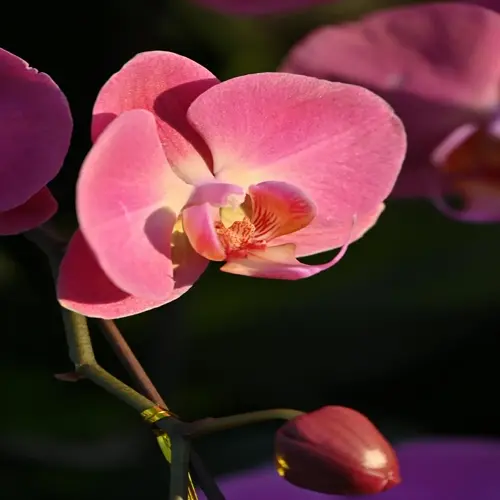

Knowing what not to do with orchids saves more plants than any care tip ever written. You're most likely to harm your plant by overwatering it, using regular soil, or putting it in harsh direct sun. Many people also throw orchids away after flowers drop. Fix these four habits and your orchid will stick around for years.
I made the soil mistake on my very first orchid. The plant came in bark mix, but the bark looked messy to me so I repotted it into standard potting soil from my garden shelf. Within three weeks the roots turned soft and brown. The soil held moisture against the roots like a wet sponge with zero air circulation. That orchid died fast. Now I know orchid roots need to breathe, and bark mix gives them the gaps they require between waterings.
Here are the most common orchid mistakes ranked by how fast they kill your plant, along with what you should do instead.
Overwatering the Roots
- Why it kills: Soggy bark or standing water in the pot cuts off oxygen to roots, causing rot that spreads through the plant in weeks.
- The USBG confirms that overwatering is the single biggest orchid killer, far more destructive than forgetting to water.
- Do this instead: Water only when roots turn silver-gray and the bark feels dry, then let all excess water drain out the bottom.
Using Regular Potting Soil
- Why it harms: Standard soil compacts around orchid roots and holds too much moisture, suffocating the root system within weeks.
- Root biology matters: Orchid roots evolved on tree branches where air flows around them, not underground in dense wet earth.
- Do this instead: Use a bark-based orchid mix or a blend of bark chips, perlite, and charcoal for drainage and airflow.
Watering with Ice Cubes
- Why it shocks: Orchids are tropical plants and ice water drops root temperature low enough to damage cells and slow growth.
- Uneven watering: Ice melts too slow and only wets a small area of bark, leaving most roots dry and one patch oversoaked.
- Do this instead: Use room temperature water and run it through the entire bark mix for 20 to 30 seconds for even coverage.
Placing in Direct Sunlight
- Why it burns: Orchid leaves are thin and lack the waxy coating that protects succulents, so direct sun scorches them within hours.
- Damage is permanent: Burned patches on leaves turn brown or white and never recover, reducing the plant's ability to photosynthesize.
- Do this instead: Give your orchid bright indirect light near an east window or set back a few feet from a south-facing window.
Throwing Away After Blooms Drop
- The disposability myth: Many people treat orchids as temporary decor and toss them once the flowers fall, missing years of future blooms.
- Orchids rebloom: A healthy Phalaenopsis will push out a new flower spike 1 to 2 times per year with proper light and temperature care.
- Do this instead: Cut the old spike above the second node and give the plant bright light with cool nights to trigger a new spike.
One more mistake that doesn't get enough attention is cutting off aerial roots. Those thick roots growing out of the pot and into the air aren't a sign of trouble. They're sensors that absorb moisture from the air and help the plant gauge its environment. Snipping them removes a healthy part of the orchid's system.
The orchid care mistakes to avoid all share one theme. You need to treat your orchid like the tropical tree-dweller it is, not like a normal houseplant. Give it bark instead of soil. Use filtered light instead of harsh sun. Water only when the roots go dry. Show patience when the blooms fade. Follow these basics and you'll see your orchid bloom again and again for years.
Read the full article: Orchid Flower: Complete Growing Guide