
Introduction
Orchid care gets easier once you learn what these plants need from you. The orchid family has over 31,485 species spread across 750 genera. Yet one genus rules the home grower market. Phalaenopsis, the moth orchid, fills most of the pots you see at garden centers and grocery stores.
I've kept orchids in my home for over 8 years now. The biggest lesson? Caring for one is less like tending a sick patient and more like learning what a roommate prefers. Get those few things right and the plant does the rest on its own. The Netherlands sold 117 million moth orchid units in 2020 alone, which proves how many people grow these with great results.
Most orchid care tips you find online give vague advice with no real data behind it. This guide takes a different route. Every tip here draws on real studies from major universities. You'll find exact temperature ranges, watering steps, and feeding plans that work for indoor orchid care.
Whether you just brought home your first moth orchid or want to learn how to care for orchids you've had for years, these tips will give you a clear path forward. Let's start with the 8 essentials every grower needs to know.
8 Orchid Care Essentials
Good Phalaenopsis orchid care comes down to 8 basics that any grower can master at home. I've found that moth orchid care gets much simpler when you pair each task with a visual check you can do in seconds. Root color tells you about water. Leaf color tells you about light. These quick signals make basic orchid care easy for anyone.
Research from Han et al. shows that temps above 82°F stop flower spikes from forming. Healthy leaves hold 85 to 94% water content when things go right. Each of the 8 tips below gives you a clear target number so you never have to guess. This makes orchid care for beginners much less stressful and far more fun.
Bright, Indirect Light
- What to provide: Place orchids near an east or south-facing window where they receive bright, filtered light for most of the day without direct sun exposure.
- Visual check: Healthy leaves appear light green. Dark green leaves signal too little light, while reddish or pink leaf edges mean too much light exposure.
- Research note: Optimal light intensity for Phalaenopsis is 200 to 300 micromol per square meter per second in greenhouse settings, equivalent to bright indirect light at home.
Weekly Drench-and-Drain Watering
- How to water: Pour lukewarm water through the pot in three to four passes over a 10-minute period, then let it drain completely before returning the pot to its saucer.
- Root indicator: Aerial roots shift from dull silver or white to pale green when sufficiently watered, giving you a clear visual signal of hydration status.
- Frequency guide: Water roughly once per week, but adjust based on season, humidity, and potting media. Sphagnum moss holds more moisture than bark and dries more slowly.
Steady Warm Temperatures
- Ideal range: Maintain daytime temperatures between 65 and 80°F (18 to 27°C) for Phalaenopsis orchids, which suits most home environments year-round.
- Critical threshold: Research shows that sustained temperatures above 82°F (28°C) inhibit flower spike formation and delay blooming by up to 54%.
- Night drop: A 10 to 15°F (5.5 to 8.3°C) drop at night helps trigger new flower spikes, mimicking natural tropical temperature swings.
Moderate Humidity Levels
- Target range: Aim for 40 to 70% relative humidity around your orchids, which can be achieved with a pebble tray, room humidifier, or grouping plants together.
- Bud drop warning: Low humidity below 40% can cause one to two flower buds to drop from the spike before opening, according to Penn State Extension research.
- Misting caution: Avoid misting orchid leaves because standing water on leaves promotes fungal infections. A humidity tray beneath the pot is a safer choice.
Light Monthly Fertilizing
- Dilution rate: Feed at one quarter to one half the label strength once a month during active growth periods in spring and summer.
- Research levels: Studies recommend 100 parts per million nitrogen, 50 to 100 parts per million potassium, and 25 parts per million magnesium for optimal Phalaenopsis growth.
- Winter pause: Reduce or stop feeding in winter when growth slows down, and resume feeding when new leaves or roots appear in spring.
Airy Potting Media
- Best options: Sphagnum moss, fir bark, charcoal, and perlite provide the drainage and airflow that epiphytic orchid roots need to stay healthy and free of rot.
- Research finding: Sphagnum moss outperforms other media, producing 1.64 cm (0.65 in) of height growth compared to just 0.21 cm (0.08 in) for cocopeat.
- Replacement schedule: Replace potting media every 1 to 2 years as it breaks down and compresses, which reduces airflow and raises the risk of root rot.
Good Air Circulation
- Why it matters: Orchids use CAM photosynthesis and open their stomata at night to absorb carbon dioxide. Gentle air movement helps gas exchange and stops fungal growth.
- How to provide it: A small fan on low speed running near your orchids provides enough movement without drying out the leaves or potting media too fast.
- Avoid stagnation: Still, humid air around orchid roots and leaves is the main cause of bacterial and fungal infections that lead to rot.
Regular Repotting Schedule
- Timing signs: Repot when roots overflow the pot edges, the media smells sour or mushy, or you notice slowed growth despite good light and watering habits.
- Best season: Spring is ideal for repotting because orchids enter an active growth phase, allowing roots to settle fast in fresh media.
- Post repot care: Hold off on feeding for several weeks after repotting to avoid burning roots that are adjusting to the fresh potting media.
Master these 8 steps and you'll handle easy orchid care with real confidence. Each one builds on the others, so getting even a few of them right makes a big difference in how your plant looks and grows over the next few months.
Watering and Humidity Guide
Knowing how to water orchids is the single most important skill you can build as a grower. Over 70% of orchids grow as epiphytes in the wild, which means their roots cling to tree branches rather than sit in soil. Think of orchid aerial roots like sponges on a tree branch that soak up rain and humidity from the air around them. This is why orchid drainage matters so much at home.
I learned the hard way that overwatering orchids kills more plants than any other mistake. My first 3 orchids died from root rot because I watered them the same way I watered my other houseplants. The fix was simple. Pour lukewarm water through the pot in 3 to 4 passes over 10 minutes, then let it drain out. Roots shift from silver to pale green when they get enough water, giving you a clear signal to stop.
Water quality also plays a big role in orchid watering success. Tap water with heavy chlorine or high mineral content can leave salt buildup on roots over time. Rainwater or filtered water works best for long term root health. If you only have tap water, let it sit out for 24 hours before you use it so the chlorine can escape.
Orchid humidity needs sit between 40 and 70% for best results. A pebble tray filled with water under the pot raises the moisture level right where the plant needs it. Research from Han et al. shows that orchids can survive 7 weeks of drought before leaf water drops below 50%, so they handle dry spells much better than most growers think. Err on the side of less water rather than more.
Light and Temperature Needs
Getting orchid light requirements right makes a huge difference in whether your plant blooms or just sits there growing leaves. The best window for orchids depends on the genus you grow and how strong the sun hits that spot. I use a simple shadow test to check my light levels. Hold your hand 12 inches above the plant and look at the shadow it casts. A sharp shadow means bright light and a faint one means low light.
Research from Han et al. found that red light boosts florets per stem by 33.8% over blue light. Phalaenopsis does best at 200 to 300 micromol per square meter per second. That equals the bright indirect light orchids get near a filtered window. Too much direct sun causes orchid sunburn that shows up as bleached white or brown patches on your leaves.
Orchid temperature matters just as much as light for getting blooms. You need an orchid night temperature drop of 10 to 15°F to push new flower spikes on most moth orchids. Keep daytime temps between 65 and 80°F and let things cool after dark. I set my orchids near a window each fall so they catch that chill. That one move gives me more blooms than any other trick.
Some orchids take up to 5 years to reach blooming age, so don't panic if a young plant won't flower right away. Give it the right light and temperature swing and the blooms will come when the plant is ready.
Feeding and Potting Media
Your orchid fertilizer and orchid potting mix choices shape how fast your plant grows and when it blooms. Many guides suggest a 30-10-10 mix for bark growers or a 10-30-20 blend for bloom boosting. But peer reviewed research from Poole and Seeley points to much simpler targets. Aim for 100 ppm nitrogen, 50 to 100 ppm potassium, and 25 ppm magnesium for the best results.
I stick to a half-strength fertilizer dose once a month during spring and summer as my orchid feeding schedule. Less is more here because high nitrogen levels can delay flower spikes by over a week according to Han et al. Feed your sphagnum moss orchids and orchid bark mix plants the same way. Just cut back or stop in winter when growth slows down on its own.
The potting media you pick also matters a lot. Sphagnum moss produces blooms at 124.9 days compared to 155.9 days for cocopeat. That's 25% faster flower production from one simple swap. The table below shows how each media type stacks up based on real research data, so you can make a smart choice for your setup.
Orchid Types for Beginners
Picking the right types of orchids for your home makes getting started much easier. The best orchid for beginners fits your light and temp without extra gear. I tell new growers to start with a Phalaenopsis because it handles normal home conditions with almost no fuss at all.
UW Madison Extension calls Phalaenopsis the easiest pick for new growers. The Paphiopedilum orchid and Cattleya orchid rank close behind in that same list. Each one needs different light and water levels, so check below to find easy orchids to grow for your space. A Dendrobium orchid loves a bright south window. A Paphiopedilum does fine in lower light spots.
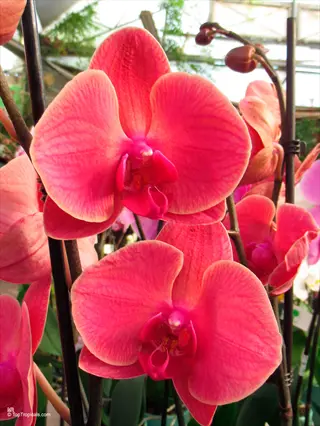
Phalaenopsis (Moth Orchid)
- Difficulty: The easiest orchid for beginners, thriving in typical home temperatures of 65 to 80°F (18 to 27°C) with minimal intervention needed.
- Light needs: Prefers bright indirect light from an east-facing window, tolerating lower light conditions better than most other orchid genera.
- Watering: Water once per week using the drench-and-drain method, allowing the media to approach dryness between sessions for healthy root development.
- Bloom cycle: Produces arching flower spikes lasting 1 to 3 months, with most retail plants flowering once per year during spring.
- Special feature: Over 39,000 artificial hybrids exist in the Royal Horticultural Society register, offering an enormous range of colors and patterns.
- Growing tip: Cut the spent flower spike above the second node to encourage a secondary branch spike rather than removing the entire stem.
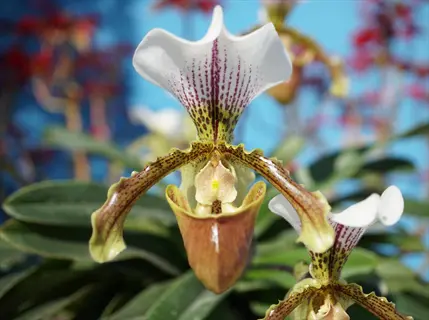
Paphiopedilum (Lady Slipper)
- Difficulty: Very beginner-friendly because it tolerates lower light and lower humidity levels than most orchid genera, according to Penn State research.
- Light needs: Grows well in north or east-facing windows with low to medium indirect light, making it ideal for rooms without strong sun.
- Watering: Keep the media evenly moist but never soggy, watering more often than Phalaenopsis since it lacks water-storing pseudobulbs.
- Bloom cycle: Produces single distinctive pouch-shaped flowers that last 6 to 8 weeks, with one bloom per growth appearing in winter.
- Conservation note: 79% of slipper orchid species are threatened with extinction in the wild, making responsible purchasing important.
- Growing tip: These terrestrial orchids prefer a finer potting mix with more moisture retention than pure bark, such as a moss and bark blend.
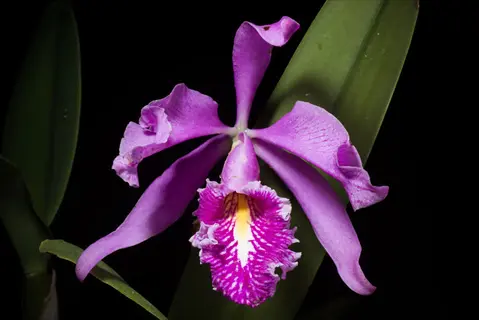
Cattleya (Corsage Orchid)
- Difficulty: Moderate, requiring brighter light and more attention to temperature changes than Phalaenopsis, but very rewarding for beginners.
- Light needs: Thrives in bright south or west-facing windows with some direct morning sun, producing the best blooms with higher light exposure.
- Watering: Allow the potting media to dry between waterings and reduce frequency in winter when growth slows to prevent root issues.
- Bloom cycle: Produces large, fragrant flowers once or twice per year that last 3 to 6 weeks, often in stunning purples, pinks, and whites.
- Special feature: Known as the classic corsage orchid, Cattleya hybrids offer some of the largest and most fragrant flowers of any orchid genus.
- Growing tip: These sympodial orchids grow along a horizontal rhizome, so position the oldest growth against the pot edge with space ahead for new growth.
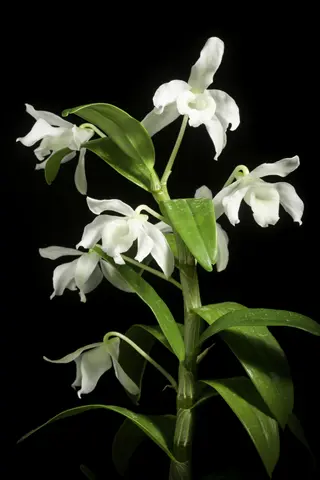
Dendrobium (Cane Orchid)
- Difficulty: Moderate, with some species requiring a cool dry rest period in winter that beginners sometimes miss, leading to skipped bloom cycles.
- Light needs: Prefers bright indirect to moderate direct light, doing well near south-facing windows with light filtering during the hottest afternoon hours.
- Watering: Water a lot during the active growing season in summer and reduce in winter when many species enter a dormant rest phase.
- Bloom cycle: Flowers emerge from nodes along the cane stems, producing clusters of blooms that last 4 to 8 weeks in vivid purples and whites.
- Special feature: One of the largest orchid genera with over 1,800 species, offering incredible variety in flower shape, size, and growing needs.
- Growing tip: Do not remove old leafless canes as they store nutrients and water that fuel new growth and flower production the following season.

Oncidium (Dancing Lady Orchid)
- Difficulty: Moderate, tolerating a range of home conditions but preferring cooler temperatures and higher humidity than Phalaenopsis orchids.
- Light needs: Grows best in medium to bright indirect light near east or west-facing windows, with leaves turning reddish in ideal light levels.
- Watering: Water when the top inch (2.5 cm) of media feels dry, about every 5 to 7 days in summer and every 10 to 12 days in winter.
- Bloom cycle: Produces tall branching sprays of small yellow or brown flowers that look like dancing figures and last 3 to 6 weeks per spike.
- Special feature: Oncidium hybrids like Sharry Baby produce a strong chocolate fragrance that fills an entire room when in full bloom.
- Growing tip: These orchids grow pseudobulbs that store water and nutrients, so allow the media to dry more between waterings than you would for Phalaenopsis.
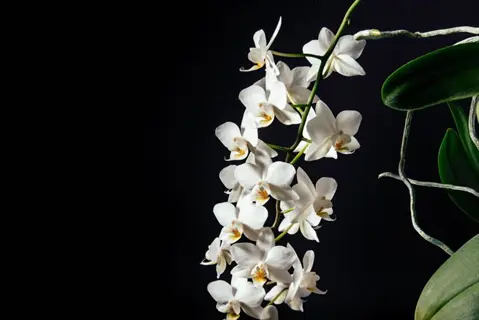
Cymbidium (Boat Orchid)
- Difficulty: Moderate, requiring cooler temperatures than most indoor orchids, making them better suited to cooler climates or outdoor growing areas.
- Light needs: Needs bright light with some direct morning sun, performing best outdoors in summer and near bright south-facing windows in winter months.
- Watering: Keep evenly moist during the growing season, watering 2 to 3 times per week in summer when outdoors and reducing to weekly indoors.
- Bloom cycle: Produces tall upright or arching sprays of flowers from late fall through spring, with each spike lasting 6 to 10 weeks.
- Special feature: One of the most cold tolerant orchid genera, handling overnight temperatures down to 40°F (4°C) during autumn to trigger bloom.
- Growing tip: Move Cymbidiums outdoors to a shaded patio from late spring through early fall, as the natural temperature swings help trigger winter bloom spikes.
Pests, Diseases, and Fixes
Even the best growers deal with orchid pests and orchid diseases at some point. The trick is catching problems early before they spread. I check my plants every time I water by flipping leaves over and looking at the roots. A sick orchid gives you clear visual clues if you know where to look. Yellow orchid leaves, sticky residue, and mushy brown roots all point to specific issues you can fix fast.
UF IFAS Extension lists scale, mealybug orchids, thrips, and spider mites orchids as the most common pests. Orchid root rot from overwatering is the top disease killer. The good news is that most of these problems respond well to simple treatments you can do at home with rubbing alcohol, neem oil, or ground cinnamon. Below is a full guide to spotting and treating each one.
Scale Insects
- How to spot them: Small brown or tan bumps that cling to leaves, stems, and flower spikes, often mistaken for natural growths on the plant surface.
- Damage caused: Scale insects pierce leaf tissue and drain sap, causing yellowing patches, sticky honeydew residue, and weakened plant health over time.
- Treatment: Wipe affected areas with a cotton swab dipped in rubbing alcohol, then spray the entire plant with insecticidal soap every 7 days for 3 weeks.
- Prevention: Inspect new orchids before bringing them near existing plants, and quarantine any new additions for at least 2 weeks.
Mealybugs
- How to spot them: White, cottony masses found in leaf joints, along stems, and at the base of flowers, often hiding in hard to reach spots.
- Damage caused: Mealybugs feed on plant sap and excrete honeydew that attracts sooty mold, weakening the orchid and twisting new growth.
- Treatment: Remove visible mealybugs with rubbing alcohol on a cotton swab, then apply neem oil or insecticidal soap weekly until no new colonies appear.
- Prevention: Keep orchids spaced apart with good air flow, and check leaf undersides and root crowns during your watering routine.
Spider Mites
- How to spot them: Tiny red or brown specks on leaf undersides, often joined by fine webbing between leaves and along the stem.
- Damage caused: Spider mites cause silvery stippling on leaves that turns brown and papery, and heavy infestations can kill leaves entirely.
- Treatment: Rinse the entire plant under lukewarm running water, then spray with neem oil or a miticide every 5 to 7 days for at least 3 rounds.
- Prevention: Increase humidity around orchids since spider mites thrive in dry conditions below 40% relative humidity.
Root Rot from Overwatering
- How to spot it: Roots turn brown or black and feel mushy when squeezed, often joined by a sour or musty odor coming from the potting media.
- Damage caused: Rotting roots cannot absorb water or nutrients, causing leaves to wrinkle, turn yellow, and drop off the plant entirely.
- Treatment: Remove the orchid from its pot, trim all mushy roots with sterile scissors, dust cut ends with ground cinnamon, and repot in fresh dry media.
- Prevention: Drain excess water after every watering, choose pots with drainage holes, and replace old media every 1 to 2 years.
Bacterial and Fungal Leaf Spots
- How to spot them: Brown or black patches on leaves that spread fast, sometimes with a yellow halo around the affected area.
- Damage caused: Bacterial infections can spread and kill entire leaves within days if not treated, and may reach the crown and kill the plant.
- Treatment: Cut away infected tissue with a sterile blade, leaving a margin of healthy tissue, and apply ground cinnamon or a fungicide to the cut surfaces.
- Prevention: Avoid getting water on leaves during watering, ensure good air flow around plants, and never mist orchids in cool or humid conditions.
5 Common Myths
Orchids need to be watered with ice cubes placed on top of the potting media each week.
Ice cubes can shock tropical roots adapted to warm temperatures. Lukewarm water applied through a thorough drench-and-drain method is far safer and more effective.
Orchids are extremely difficult to grow and only experts can keep them alive at home.
Phalaenopsis orchids are among the most forgiving houseplants, thriving in typical home conditions of 65 to 80F (18 to 27C) with once-a-week watering.
Orchids must be potted in regular potting soil just like any other houseplant for best results.
Most orchids are epiphytes that grow on tree branches in the wild. They need loose, airy media like bark or sphagnum moss that allows roots to breathe.
If an orchid loses all of its flowers, the plant is dead and should be thrown away immediately.
Flower drop is a normal part of the bloom cycle. With continued care and a cool temperature trigger, most Phalaenopsis orchids rebloom within six to nine months.
Orchids need direct sunlight for several hours each day to produce flowers and grow properly.
Direct sunlight scorches orchid leaves. Bright, indirect light from an east or south-facing window is ideal, producing light green leaves that signal healthy growth.
Conclusion
Great orchid care comes down to 6 key pillars you can master fast. Give your plant bright indirect light and water once a week with the drench and drain method. Keep temps between 65 and 80°F and hold humidity at 40 to 70%. Feed at quarter strength each month and repot in fresh media every 1 to 2 years. Nail these basics and your orchids will bloom year after year.
The best of all orchid care tips is about temperature. Han et al. found that keeping daytime temps below 79°F matters most for blooms. That one number changed my results when I moved my orchids from a warm south window to a cooler east spot in my house.
Indoor orchid growing also connects you to something much bigger than your windowsill. The orchid family spans over 31,485 species across 750 genera, with about 500 new species found each year since 2003. Yet 56.5% of assessed species face threats in the wild right now. Growing orchids at home builds the kind of care and awareness these plants need to survive for future growers.
Orchid care for beginners doesn't have to feel like a guessing game anymore. You have the research, the numbers, and the steps to grow healthy blooming orchids at home starting today. Pick one tip from this guide, put it into action this week, and watch your plants respond.
External Sources
Frequently Asked Questions
How do you take care of an indoor orchid?
Place your orchid near a bright east or south-facing window, water once a week using the drench-and-drain method, maintain 40 to 70 percent humidity, and fertilize monthly at quarter strength during active growth.
What do I do with my orchid after the flowers fall off?
Cut the flower spike above the second or third node from the base, reduce watering slightly, and continue providing bright indirect light to encourage a new spike.
What should you not do with an orchid?
Avoid overwatering, placing orchids in direct sunlight, using ice cubes as a watering method, potting in regular soil, and exposing plants to cold drafts or temperatures below 55°F (13°C).
How do you get an orchid to bloom again?
Provide a nightly temperature drop of 10 to 15°F for four to six weeks, ensure bright indirect light, and reduce fertilizer to trigger a new flower spike.
How long do potted orchids live indoors?
With proper care, potted Phalaenopsis orchids can live 10 to 15 years or longer indoors, producing new blooms one to two times per year.
Why put ice cubes on orchids?
The ice cube method is a simplified watering approach, but research shows that lukewarm drench-and-drain watering is safer and more effective for orchid roots.
Why can't you touch orchids?
Touching orchid blooms transfers oils and bacteria from your skin, which can cause premature wilting, brown spots, and shortened flower life.
What household item helps orchids bloom?
Unsulfured blackstrap molasses diluted in water provides trace minerals like magnesium, iron, and potassium that support flower spike development.
What is the best potting mix for orchids?
Sphagnum moss is the best-performing medium according to research, producing faster growth and earlier flowering compared to bark or cocopeat.
How do you know when an orchid needs to be repotted?
Repot when roots overflow the pot, the potting media breaks down or smells sour, or growth slows noticeably, typically every one to two years.