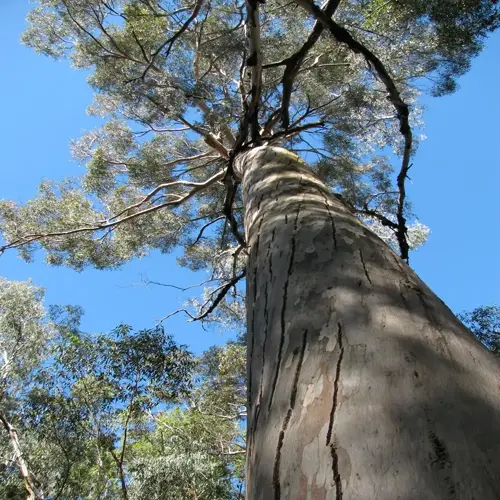

The most common locust tree names describe a trait you can spot on the tree itself. Black locust also goes by false acacia and yellow locust. Honey locust picks up the names sweet locust and thorny locust. Each nickname points to something real about the plant. False acacia comes from leaves that mimic a true acacia. Yellow locust points to the color of the wood, and thorny locust warns you about the long spines. Learn the trait behind each name and the whole list starts to make sense.
The word locust has a curious history worth a quick look. Early settlers and botanists thought the long seed pods looked like the carob, the plant people call the locust bean. The name jumped from the pods to the whole tree, and the label stuck for good. Both black locust and honey locust grow these flat, bean-like pods. That shared pod is the reason both trees carry the locust name, even though they belong to separate branches of the pea family. So the name says nothing about the two trees being close cousins.
Black locust gives you the longest list of nicknames. You will see it sold as false acacia because the leaflets line up in pairs like a true acacia leaf. The yellow locust name comes straight from the fresh-cut wood, which shows a warm yellow-green tint before it ages to brown. Some regions also call it white locust for the clusters of white flowers each spring. All four names point to the same tree, so do not let the yellow locust label fool you into thinking you found a new species.
Count them up and a single tree can wear four or five labels at once. That is why the locust tree names on a nursery label, a seed catalog, and an old field guide often clash. One common name seldom maps to one exact tree. The table below pairs the nicknames you will hear with the botanical name behind each of them.
Honey locust switches names for its own set of traits. The sweet locust name comes from the sticky, sweet pulp packed inside each pod, which wildlife and livestock both eat. The thorny locust name is a plain warning. Wild trees grow branching spines that reach three to four inches and can puncture a boot or a tire. Most trees sold for yards today are a thornless, seedless type, so the thorny locust name no longer fits what you plant. That gap between the old name and the modern tree trips up plenty of new buyers.
Here is the real snag with all these locust tree names. The nicknames overlap, and each region bends them a different way, so one nickname can send you to the wrong tree. A gardener in one state may mean black locust by locust tree, while a neighbor two states over pictures honey locust. When you buy a sapling or try to name a tree in your yard, check the botanical name on the tag or in a field guide. That Latin name pins the tree to one exact species, and it holds steady no matter what the locals call it.
Keep a simple habit and the confusion fades fast. Match the name on the label to the botanical name, note the trait that goes with it, and you will pick the right locust every time. A yellow locust and a false acacia are the same tree. A sweet locust and a thorny locust are the same tree. The Latin name is the one tag that never lies.
Read the full article: Locust Tree: Honey vs Black Locust Guide