
The best smoke tree uses go far beyond just looking pretty. This plant works as a garden showpiece, an erosion fighter on tough slopes, and a natural dye source prized for over 1,000 years.
When I first started tracking this plant, the ornamental shrub benefits jumped out right away. A single smoke tree standing alone as a specimen stops people mid-step every summer. Those billowy pink and purple plumes look like colored clouds sitting on top of the leaves. I've seen them shine in mixed borders, on steep hillsides, and in large patio containers. One garden I visited had a row of them along a stone wall, and the effect was stunning.
This plant gives you something to enjoy during every season of the year. Summer brings those famous smoky plumes that last for weeks on end. Fall transforms your leaves into a bonfire of orange, red, and deep scarlet colors. Even in winter, the bare branches create a nice shape against the sky. Very few shrubs can match that kind of year-round visual payoff for your garden.
Smoke tree uses extend into practical jobs that most gardeners overlook. The fibrous root system grips into hillsides and holds loose soil in place. This makes them a smart pick for erosion control where grass fails. Plant them 6-8 feet apart along a property line for a thick privacy screen within just a few seasons. The wood and leaves also have a long history as a yellow dye source going back through European and Asian textile crafts for hundreds of years.
Winecraft Black for Containers
- Compact size: Stays around 4-6 feet tall and wide, fitting large patio pots and raised planters without outgrowing its spot.
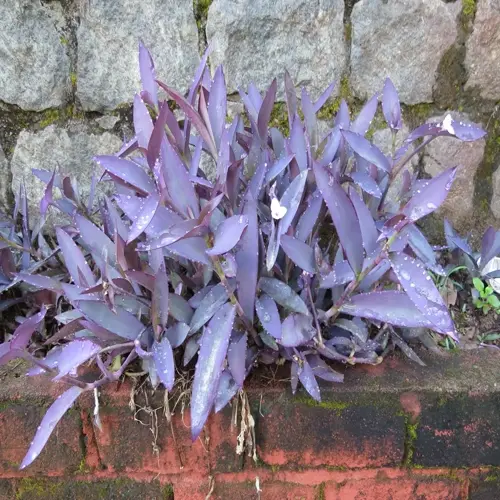
- Foliage color: Deep burgundy-black leaves hold their rich tone all season and create a bold focal point on any deck or patio area.
- Care needs: Handles the limited root space of a container better than full-sized types and does fine with regular watering.
Daydream for Showiest Plumes
- Plume density: Produces the thickest, most dramatic flower plumes of any type, giving you the heaviest smoke effect from one single plant.
- Display window: Blooms show up in early summer and the plumes last for weeks longer than most other smoke tree types before fading out.
- Green foliage: Bright green leaves let the pink plumes pop in sharp contrast, giving you the classic smoke tree look at its very best.
Royal Purple for Bold Color
- Leaf color: Rich deep purple foliage holds strong from spring through fall, making a bold color statement in any mixed planting bed.
- Mature size: Grows to 10-15 feet tall and wide, which works great for specimen plantings or the back of large garden borders.
- Fall display: Purple leaves shift to bright scarlet and red tones in autumn, giving you two waves of striking color each year.
Picking the right cultivar for the right job matters more than most people think. In my own garden, I chose a Daydream for a sunny corner where I wanted maximum plume drama. A Winecraft Black planted in a wide open field wastes its compact charm. And a full-sized Royal Purple stuffed into a small pot will cause problems within a year or two.
The real smoke tree landscape value shows up when you compare it to other shrubs in your yard. You get a drought-tolerant, deer-resistant plant that thrives in poor soil and still looks great all year. Few other options give you colorful plumes, fiery fall leaves, and winter branch interest in one package. Whether you need a bold focal point, a privacy wall, or a hillside anchor, this plant has a role ready to fill for you. Give it sun, decent drainage, and a bit of room, and it will reward you for years to come.
Read the full article: Smoke Tree: Growing and Care Guide