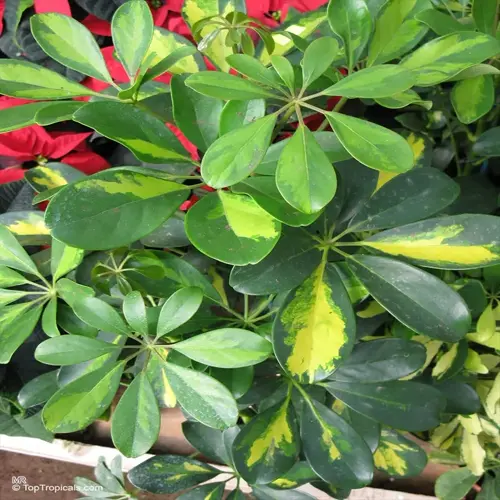

The side effects of verbena depend on which type you mean. Garden verbena that you grow in pots and flower beds poses no health risk to you or your family. Medicinal vervain carries some real cautions that you need to know before you use it for health purposes.
I spent a good chunk of time reading up on vervain tea before I ever tried making it. The research made one thing very clear to me: you should always talk to your doctor before using any herbal supplement. When I brought vervain up to my own doctor, she noted that most herbal products lack proper testing. That talk changed how I approach all herbal remedies now.
The biggest vervain safety concerns center around dosage and long-term use. A 2022 animal study tested vervain extract at 200 mg per kilogram of body weight for 7 weeks. The results showed kidney tissue changes and bleeding areas near the medulla. This doesn't mean a single cup of vervain tea will hurt you. But it does suggest that taking high doses for a long time could cause problems.
The verbena officinalis risks from that study should give you pause if you plan daily use. Animal studies don't always match up to what happens in people. Still, kidney tissue changes in animals at high doses are a red flag. No large human trial has confirmed the same effect in people yet. The safe path is to keep your doses low and your use short-term.
On the plus side, Kubica's 2020 review found that vervain shows antioxidant effects in lab tests. These results look promising but stay limited. Most data comes from test tubes and animal models, not from large groups of people. Until bigger human trials happen, you can't know for sure how safe vervain is at any dose.
Talk To Your Doctor First
- Why it matters: Your doctor can check for drug interactions and health conditions that make herbal supplements risky for you.
- Key question: Ask if vervain could interfere with any medicines you take, since herb-drug interactions are poorly studied.
- Special groups: Pregnant women, nursing mothers, and people with kidney issues should avoid vervain until more research exists.
Start With Small Amounts
- First dose: Try half a cup of weak vervain tea and wait 24 hours to see how your body reacts before you drink more.
- Watch for signs: Nausea, stomach cramps, or headaches after drinking vervain tea mean you should stop and talk to your doctor.
- Avoid daily use: Limit vervain tea to 2 to 3 times per week at most until more human safety data is available.
Know What You're Buying
- Right species: Make sure your product contains true Verbena officinalis and not a random garden verbena species with no herbal use.
- Source matters: Buy from a trusted herbal supplier that tests for purity and lists all ingredients on the label for your safety.
- No DIY guessing: Don't pick plants from your garden and assume they're medicinal vervain without a proper ID from an expert.
Garden verbena that you grow for flowers is a totally different story. Touching it, smelling it, and having it in your yard won't cause any side effects. The health cautions apply only to medicinal vervain that you eat or drink. Keep enjoying your garden verbena without worry. Save the caution for herbal products that go into your body, and always run those past your doctor first.
Enjoy verbena in the garden and treat any vervain supplement with the same care you'd give real medicine. Don't take high doses, don't use it every day, and get your doctor's input before you start. A little care goes a long way toward staying safe while still enjoying this plant.
Read the full article: Verbena Plant: Varieties, Care and Uses