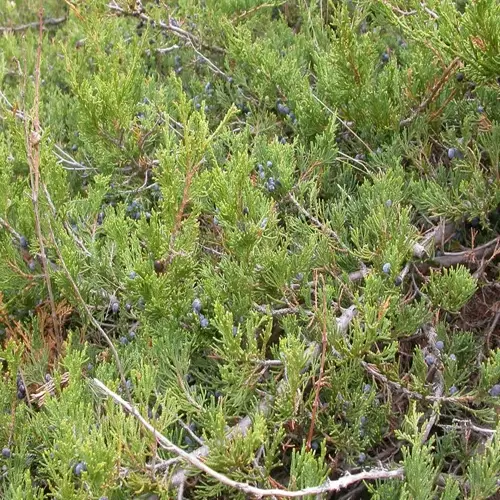

You might wonder what elderberry bushes good for looks like in real life. The answer is edible berries, ornamental beauty, and wildlife habitat all from one shrub. You get food, yard appeal, and a hub for birds and bees in one plant. Few shrubs offer this much value for the space they take up.
I grow four elderberry bushes along my back fence. They earn their keep every single season with food and beauty.
Making elderberry syrup from my harvest is now my favorite summer project. The berries cook down into a rich, dark syrup that tastes great on pancakes and in tea. But the real show starts in early summer when the white flower clusters open up. I've counted bees, butterflies, and hummingbirds all working the same bush at the same time.
The elderberry uses go well beyond fresh syrup. From a single bush harvest you can make jam, jelly, wine, tea, tincture, and dried berry blends for year-round use. The flowers work too. You can dip them in batter and fry them, or steep them for a light floral tea. One mature bush can give you 12 to 15 pounds of berries in a good year.
The elderberry health benefits come from a strong mix of nutrients packed into those small dark berries. They contain high levels of vitamins A and C, flavonoids, and anthocyanins. Lab studies found that crude elderberry extracts cut inflammation markers by up to 74%. These same compounds also fight cell damage from free radicals in your body.
NC State Extension data highlights another big perk. Elderberry bushes support a wide range of wildlife through the growing season. Native stem-nesting bees build homes in the soft pithy canes. Songbirds, quail, and pheasants eat the ripe berries. Butterflies and hummingbirds visit the flowers for nectar. Planting even one bush creates a small wildlife refuge in your yard.
Kitchen Staples
- Elderberry syrup: Cook berries with honey and spices for a daily immune tonic that stores for 2 to 3 months in the fridge.
- Jam and jelly: Process cooked berries with pectin and sugar for a tangy spread that works on toast, crackers, or cheese boards.
- Elderberry wine: Ferment the juice with yeast for a deep purple wine that ages well and makes a great homemade gift.
Health and Wellness Items
- Dried berry blends: Dry berries on low heat and mix with other dried fruits for a shelf-stable snack lasting up to a year.
- Elderberry tea: Steep dried berries in hot water for a warm drink packed with vitamins during cold weather months.
- Tincture: Soak berries in alcohol for 4 to 6 weeks to make a strong extract you can take by the dropperful.
Garden and Yard Value
- Pollinator magnet: The large flower clusters draw bees, butterflies, and hummingbirds to your yard from early to mid summer.
- Privacy screen: Mature bushes reach 6 to 13 feet tall and fill out wide enough to block sight lines between properties.
- Erosion control: The dense root system holds soil on slopes and banks where rain tends to wash bare ground away.
The best part about elderberry bushes is how little work they need after planting. Water them through their first summer, prune old canes each spring, and they handle the rest on their own. You get a productive, beautiful plant that feeds your family and your local wildlife for years.
I can't think of another shrub that gives back as much as elderberry does. Whether you grow it for food, wellness, or curb appeal, this plant pulls its weight in any garden. My neighbor started with one bush three years ago and now has five after seeing how much I got from mine. That kind of result speaks for itself.
Give elderberry a spot in your yard and you won't regret it. The harvest alone makes the small effort worth every minute you spend on care and pruning each spring.
Read the full article: Elderberry Bush: Complete Growing Guide