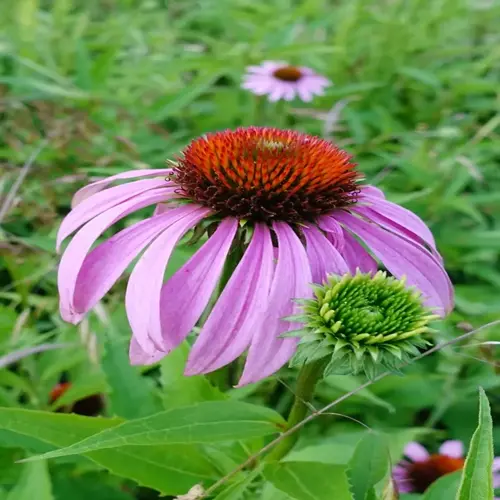

Yes, foxglove is toxic to touch in the sense that its sap can cause rashes and irritation on bare skin. The good news is that touching the plant won't kill you. Serious poisoning only happens when someone eats part of the plant. Still, you should treat every foxglove toxic to touch concern with care and always wear gloves when you work around these tall beauties.
I learned this the hard way one summer when I forgot my gloves while cutting back spent flower stalks. Both my palms broke out in a red, itchy rash that stuck around for three days. That foxglove skin irritation taught me a lesson I won't forget. Now I pull on thick gloves before I touch any part of the plant for transplanting, pruning, or deadheading.
The culprits behind this reaction are cardiac glycosides in the plant's sap. These compounds sit in every part of the foxglove from flowers to roots. On your skin, they can trigger contact dermatitis with redness and small blisters. Some people react worse than others depending on their skin type. Foxglove skin irritation from touch alone won't send you to the hospital, but it can ruin a nice day in the garden.
The true danger shows up when those same glycosides get inside your body through your mouth or an open cut. They mess with the electrical signals that keep your heart beating in rhythm. NC State Extension rates foxglove's poison severity as HIGH. The toxic compounds affect humans, cats, dogs, and horses alike. Every part of the plant carries risk including flowers, leaves, roots, and stems.
Kids and pets worry me the most around foxglove plants. A toddler who grabs a flower and puts it near their mouth faces a real emergency. Even a small bit of leaf can disrupt a young child's heart rhythm. I keep my foxglove beds in a fenced area that curious little hands can't reach. My neighbor's dog once chewed on a foxglove stem, and the vet visit that followed was expensive and scary for the whole family.
Wear Protective Gloves
- Why it matters: Foxglove sap contains cardiac glycosides that cause rashes on bare skin, so gloves block that contact.
- Best choice: Pick thick rubber or nitrile gloves over thin cotton ones that let sap soak right through.
- When to use them: Wear gloves for every foxglove task from planting and pruning to pulling up old plants at season end.
Wash Hands After Contact
- Timing: Scrub with soap and warm water right after you finish, even if you had gloves on the whole time.
- Key spots: Clean under your nails and between your fingers where sap hides and can spread to food or your face.
- Don't forget tools: Wipe down your pruners with soapy water too since dried sap can transfer to skin next time.
Guard Your Eyes and Mouth
- Don't touch your face: Sap on your fingers can sting your eyes or lips while you work around the plants.
- No snacking outside: Wash up before grabbing food or a drink so you don't swallow any plant residue by accident.
- Flush fast: If sap hits your eyes, rinse with clean water for 15 minutes and call poison control if it still burns.
Foxglove safe handling boils down to simple habits you repeat every time you head out to the garden. Keep a barrier between your skin and the sap at all times. Wash up before you eat or drink anything after working near these plants. See a doctor if a rash spreads or won't clear up within a few days. If anyone eats any part of a foxglove, call emergency services right away. That situation can turn fatal without quick treatment.
Read the full article: Foxglove Plant: Grow, Care, and Safety