
Introduction
Fountain grass looks like a green waterfall topped with feathery plumes that sway in every breeze. This ornamental grass sits in the genus Pennisetum. Scientists now place it under Cenchrus after a recent name change. That shift shows how much study this plant gets from experts around the world.
I've grown this grass in my own beds for over 8 years and tested dozens of types across different soils. The Wisconsin Extension says it fits home gardens better than most ornamental grasses. Its moderate size of 12 to 48 inches means it won't swallow your whole border or crowd out nearby plants.
This plant stands out because it's low maintenance and still looks stunning. Soft, feathery plumes rise above green blades from summer through fall. They draw in songbirds and pollinators all season long. It handles drought well once roots settle in, and deer walk right past it. You should also know that some species spread fast and cause harm in certain states. Picking the right variety matters more than most guides will tell you.
This guide covers the best varieties for your climate, planting steps, and seasonal care. You'll also learn about container growing and the invasiveness facts you need before buying. By the end you'll know which fountain grass works for your yard and which ones to skip.
8 Best Fountain Grass Varieties
Picking the right fountain grass varieties is a lot like choosing a pet. Some are well behaved in any yard, while others need a careful owner who knows the risks. Hardy perennial grass types like Hameln grow back each year in USDA zones 5 through 9. Tender picks like purple fountain grass only survive winter in zones 8 through 10.
I've tested most of these cultivars in my own garden over several seasons. The NC State Extension lists the hardy species at 2 to 4 feet tall and wide. That range gives you plenty of options from dwarf fountain grass to full sized show stoppers. Below are my top 8 picks with zone info and size details for each one.
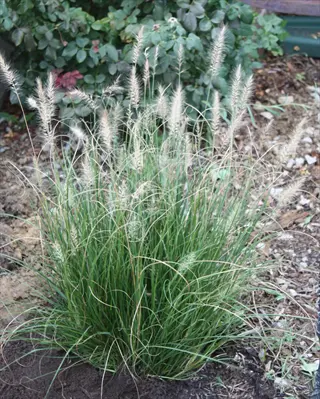
Hameln Fountain Grass
- Zones: Hardy in USDA zones 5 through 9, making it the most cold-tolerant and widely recommended cultivar for residential landscapes across a broad range of climates.
- Size: Grows 2 to 3 feet (61 to 91 centimeters) tall and wide, forming a compact mounding habit that fits neatly into borders and foundation plantings.
- Flowers: Produces creamy white to tan bottlebrush plumes from midsummer through fall that age to a soft golden color and provide excellent winter texture in the garden.
- Growth: Medium growth rate with fine textured foliage that arches in a graceful form, earning this cultivar its status as the most common fountain grass you'll find in nurseries.
- Maintenance: Requires very little care once established, with strong drought tolerance, no serious pest problems, and reliable return each spring after a late-winter cutback.
- Best for: Mixed perennial borders, mass plantings along walkways, and any garden where a dependable and well-behaved ornamental grass is needed year after year.
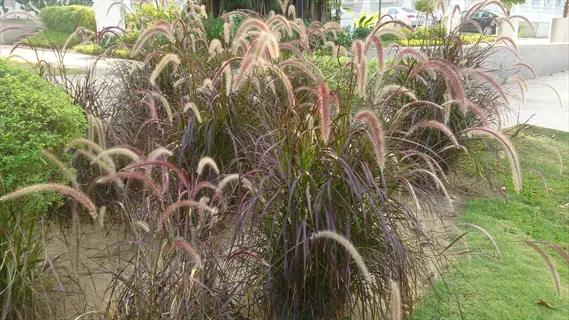
Purple Fountain Grass (Rubrum)
- Zones: Hardy only in USDA zones 8 through 10 and must be grown as an annual in colder climates, which means replacing it each spring in most northern gardens.
- Size: Reaches 3 to 5 feet (91 to 152 centimeters) tall with an equal spread, making it one of the larger and more dramatic fountain grass selections available.
- Flowers: Deep burgundy-purple plumes emerge in summer and persist through fall, creating a bold contrast when paired with green or silver-foliaged companion plants.
- Foliage: Rich reddish-purple leaf blades hold their color throughout the growing season, providing constant visual interest even before and after the flowering period.
- Caution: Pennisetum setaceum Rubrum is classified as invasive in Hawaii, Florida, and parts of California, so check your local regulations before purchasing this variety.
- Best for: Container plantings as a thriller element, tropical-themed borders, and annual color displays where its dramatic foliage makes a strong seasonal statement.
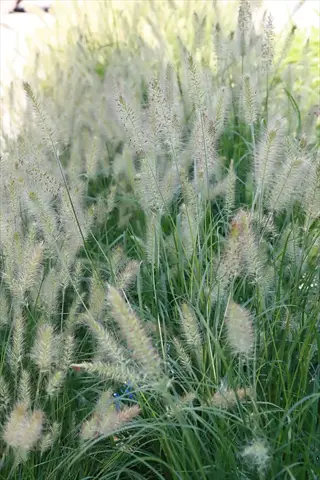
Little Bunny Dwarf Fountain Grass
- Zones: Hardy in USDA zones 5 through 9, offering the same cold tolerance as Hameln but in a much smaller package suitable for tight spaces and small gardens.
- Size: Grows only 10 to 18 inches (25 to 46 centimeters) tall and wide, making it the smallest fountain grass cultivar available and perfect for edging and rockeries.
- Flowers: Produces miniature cream colored bottlebrush plumes in late summer that are small in scale but still give you the classic fountain grass shape in compact form.
- Growth: Slow to moderate growth rate with fine-textured foliage that turns golden amber in fall, adding multi-season interest to containers and border fronts.
- Maintenance: Very low care with excellent drought tolerance once established, seldom needs division, and has no major pest or disease issues to manage.
- Best for: Rock gardens, container plantings, border edging, and small-space gardens where a full-sized fountain grass would be too large and overwhelming.
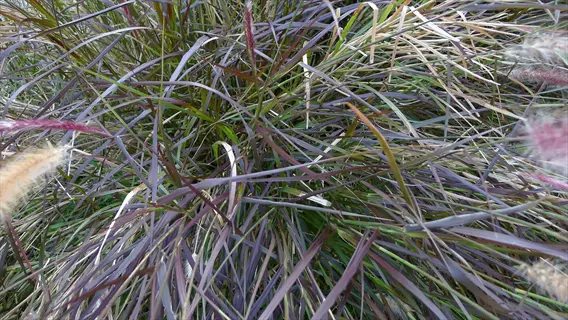
Moudry Black Fountain Grass
- Zones: Hardy in USDA zones 5 through 9 with reliable return each spring, though it may struggle in the warmest parts of zone 9 where summer heat is extreme.
- Size: Grows 2 to 3 feet (61 to 91 centimeters) tall and wide with a dense clumping habit that creates a strong visual anchor in borders and specimen plantings.
- Flowers: Produces dark purple to near black seed heads from late summer through fall, giving you one of the most dramatic flower colors among fountain grasses.
- Caution: Known as a prolific self seeder that can spread fast in favorable conditions, so deadheading spent plumes before seeds mature is a must for tidy gardens.
- Foliage: Dark green blades turn rich amber orange in autumn, creating a striking two tone fall display alongside the dark seed heads in your landscape.
- Best for: Gardeners who want bold, dark-colored flower plumes and are willing to manage self-seeding through regular deadheading and monitoring of nearby garden beds.
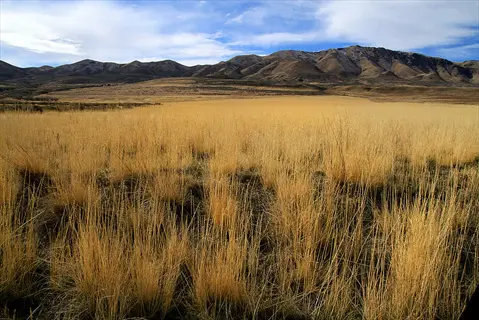
Desert Plains Fountain Grass
- Zones: Hardy in USDA zones 5 through 9 with exceptional cold tolerance and heat resistance, making it a reliable performer across a wide range of growing conditions.
- Size: Reaches 3 to 4 feet (91 to 122 centimeters) tall and wide at maturity, giving your landscape a strong presence without growing too large to handle.
- Flowers: Creamy plumes emerge in midsummer and shift to warm rose pink as they age, giving you an extended color display that lasts well into late fall.
- Foliage: Green summer foliage transforms to brilliant orange and red tones in autumn, producing some of the most vibrant fall color of any fountain grass cultivar.
- Maintenance: Strong drought tolerance once established, excellent resistance to deer browsing, and no significant disease problems make this a true low-care landscape plant.
- Best for: Prairie-style gardens, mass plantings where changing plume color adds seasonal drama, and hot dry sites where other ornamental grasses may struggle.
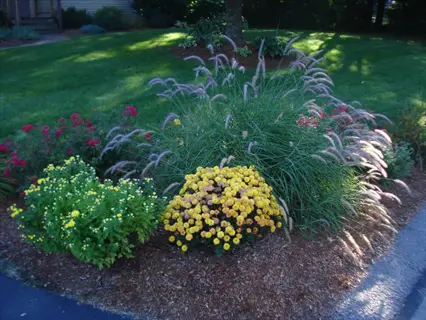
Karley Rose Fountain Grass
- Zones: Hardy in USDA zones 5 through 9 and flowers earlier in the season than most cultivars, providing ornamental value starting in early to midsummer.
- Size: Grows 3 to 4 feet (91 to 122 centimeters) tall and 2 to 3 feet (61 to 91 centimeters) wide with a graceful arching habit that adds movement to your garden.
- Flowers: Soft rose-purple plumes appear as early as June in many climates and continue blooming through September, making this one of the longest-flowering cultivars available.
- Growth: Medium to fast growth rate with green foliage that has a slight blue tint, creating an attractive base for the abundant rose-colored flower display above.
- Maintenance: Performs well with minimal care and produces more flowers than most other cultivars, rewarding you with a heavy plume display each growing season.
- Best for: Mixed borders where early and prolonged flowering is desired, cottage garden settings, and locations where a softer pink color palette is preferred.
Vertigo Giant Fountain Grass
- Zones: Hardy only in USDA zones 8 through 10 and grown as an annual in colder regions, similar to other tender Pennisetum setaceum selections requiring warm winters.
- Size: Reaches an impressive 4 to 8 feet (122 to 244 centimeters) tall with broad, strap-like leaves up to 1 inch (2.5 centimeters) wide, creating a bold tropical look.
- Foliage: Deep burgundy to near black leaves serve as the main ornamental feature, since this cultivar seldom flowers in most garden settings outside its native tropical range.
- Growth: Very fast growth rate in warm conditions, capable of reaching full size in a single growing season when given ample sun, heat, moisture, and nutrient-rich soil.
- Caution: This one belongs to the Pennisetum setaceum group, so check local invasive species rules before planting, above all in Hawaii, California, Florida, and Arizona.
- Best for: Dramatic container focal points, tropical-themed garden designs, poolside plantings, and anywhere a tall bold statement plant with dark foliage is needed.
Fireworks Variegated Fountain Grass
- Zones: Hardy only in USDA zones 9 through 10, making this a true annual in most of the United States and best suited for seasonal container displays.
- Size: Grows 3 to 4 feet (91 to 122 centimeters) tall and wide with a full arching habit that shows off its unique colored foliage from every angle.
- Foliage: Green leaves are striped with white, pink, and burgundy variegation, creating a multicolored display that stands out even without flowers in the landscape.
- Flowers: Pink plumes appear in midsummer and complement the variegated foliage, though the leaf color is the primary reason most gardeners choose this cultivar.
- Maintenance: Needs consistent moisture and full sun to maintain the best foliage color, with faded or washed-out variegation being a sign of too much shade or drought.
- Best for: Eye-catching container combinations, annual border accents, and garden areas where colorful foliage is more important than cold hardiness and long-term permanence.
You'll find more gardeners going with sterile cultivars now due to invasiveness concerns. Hameln and Little Bunny give you safe picks for almost any U.S. garden. If you want the bold color of Rubrum or Vertigo, grow them in a pot so seeds don't reach the ground.
Planting Fountain Grass
Knowing when to plant fountain grass makes a big difference in first year survival. Planting fountain grass in spring after your last frost date gives roots a full season to grow strong before winter hits. Tender species like purple fountain grass need warmer soil, so wait until late spring when nights stay above 50°F (10°C).
Pick a spot that gets full sun for 6 or more hours each day. Plants grown in shade get leggy, flop over, and produce few plumes. Your soil should drain well and fall in a soil pH range of 5.5 to 7.0. If you're not sure about drainage, dig a hole, fill it with water, and check that it empties within an hour.
Space your plants 3 to 4 feet apart so each clump has room to spread to its full size. When you place the root ball in the hole, think of setting the crown at street level. You don't want it buried underground or sitting above the soil surface. Backfill with the same soil you dug out, press it firm, and give it a deep soak right away.
I made the mistake of planting too close together in my first border, and the plants fought for light within 2 years. Well-drained soil and proper spacing save you from having to dig up and redo the whole bed later. Plan your layout once and you'll enjoy healthy clumps for a decade or more.
Seasonal Care and Maintenance
Good fountain grass care follows the seasons, not a random task list. Each part of the year brings different jobs that keep your plants in top shape. I break my own care routine into 4 seasonal blocks so I never miss a step, and the guide below does the same for you.
Think of pruning as giving your grass a fresh haircut before its spring growth spurt. Cutting to 4 inches above the crown is like setting the starting line for a new season. Knowing when to cut back matters because doing it too early in fall exposes the crown to frost and kills the plant. Leave the foliage standing through winter to shield the roots and give birds a place to shelter.
This grass is drought tolerant once its roots take hold, so watering gets simple after the first year. I learned the hard way that skipping division kills old clumps from the center out. Split them every 3 years in spring and they'll stay thick and full. Fertilizing takes almost no effort, and winter care is mostly about leaving the plant alone.
Spring Care (March through May)
- Cutback: Cut all remaining foliage to 4 to 6 inches (10 to 15 centimeters) above ground level in late winter or early spring before you see new green shoots emerging from the crown.
- Division: Divide established clumps every three years in early spring by digging up the entire root ball, splitting it into sections with a sharp spade, and replanting right away.
- Fertilizing: Apply a light dose of balanced slow release fertilizer or a 1 inch (2.5 centimeter) layer of compost around the base as new growth begins in mid spring.
Summer Care (June through August)
- Watering: Water deep once per week during the first growing season to build roots, then cut back to watering only during long dry spells once plants settle in.
- Monitoring: Watch for signs of too much water such as yellow leaves or stems that flop over, which point to soggy soil that can cause root rot in poor draining spots.
- Pest check: Look for aphids, spider mites, and grasshoppers during hot weather, though fountain grass seldom suffers serious pest damage and tends to bounce back on its own.
Fall Care (September through November)
- Enjoy the display: Let flower plumes mature and foliage turn golden amber through fall, as this is the peak visual season for most fountain grass cultivars in your garden.
- Avoid pruning: Do not cut back foliage in fall, because the standing leaves insulate the crown from freezing temps and give shelter to songbirds and helpful insects.
- Container plants: Move tender varieties in containers to a sheltered spot before the first hard frost if you plan to overwinter them rather than replacing them next spring.
Winter Care (December through February)
- Crown protection: In USDA zones 5 and 6, apply a 3 to 4 inch (8 to 10 centimeter) layer of mulch around the base of hardy varieties after the ground freezes to insulate roots.
- Leave standing: Let dried foliage and seed heads stay intact through winter for visual interest, wildlife value, and crown protection until the late winter cutback.
- Plan ahead: Order new plants or plan divisions for early spring while you review which clumps need refreshing, replacing, or moving in your garden layout.
Fountain Grass in Containers
Growing fountain grass in pots is the safest route if you live in a state where certain species cause problems. Container gardening keeps seeds from reaching the ground and spreading into wild areas. I've kept purple fountain grass in pots for 5 seasons using the thriller filler spiller method, which treats your grass as the star player at center stage.
You want a frost-proof container with drainage holes at the bottom and room for roots to spread. Use a pot at least 4 to 8 inches wider than the root ball on all sides. Fill it with a good potting mix that drains fast, and pair your grass with trailing and mounding plants that fill the supporting roles around it.
Choosing the Right Container
- Size: Select a pot at least 4 to 8 inches (10 to 20 centimeters) wider than the root ball on all sides, which gives roots room to spread and prevents the plant from becoming rootbound too fast.
- Drainage: Make sure the container has multiple drainage holes at the bottom, as fountain grass can develop root rot when sitting in waterlogged soil for long stretches.
- Material: Use frost-proof ceramic, fiberglass, or thick plastic containers in cold climates to prevent cracking during winter, above all if you plan to leave the pot outdoors all year.
Soil and Planting Setup
- Mix: Fill with a high quality all purpose potting mix that drains well, avoiding heavy garden soil that compacts in containers and chokes off oxygen flow to fountain grass roots.
- Depth: Plant the crown at the same level it sat in the nursery pot so it doesn't end up too deep, which can trap moisture against the stem base and promote crown rot.
- Companions: Pair with trailing plants like calibrachoa or creeping zinnia and mounding fillers like petunias or verbena to create a balanced container grouping.
Watering and Feeding in Pots
- Frequency: Container plants dry out faster than garden beds, so check soil moisture every 2 to 3 days during summer and water well whenever the top inch (2.5 centimeters) feels dry.
- Fertilizing: Apply a balanced water soluble fertilizer at half strength every 4 to 6 weeks during the growing season, since nutrients wash out of containers faster than from garden beds.
- Drainage test: If water pools on the soil surface for more than a few seconds after watering, the mix has packed down and needs refreshing or the drainage holes need clearing.
Overwintering Potted Fountain Grass
- Hardy varieties: In zones 5 through 7, move containers to a sheltered spot against a south facing wall or into an unheated garage after the ground freezes to protect roots from deep cold.
- Tender varieties: Bring purple fountain grass and other tender types indoors before the first frost, placing them in a bright cool room and watering just enough to keep roots alive until spring.
- Replace option: Many gardeners in cold climates treat tender fountain grass as a seasonal annual, composting the plant in fall and buying a fresh one each spring for less hassle.
Invasiveness and Fire Ecology
Most garden blogs mention fountain grass invasive risks in just 1 or 2 sentences. That's not enough. Pennisetum setaceum made the IUCN list of 100 Worst Invasive Species and does real harm in over 11 countries. You need the full picture before you buy.
The fire risk side of this story is what keeps me up at night as a gardener in a warm climate. Fountain grass fuels hotter fires than native plants do, then recovers faster after the burn. That creates a feedback loop where each fire clears more native plants and more fountain grass fills in behind it. Over time this cycle converts forest into grassland that burns again and again.
Hawaii gives us the clearest warning. The state lists this grass as a noxious weed with a fire risk score of 0.99 out of 1.0. Seeds can stay alive in the soil for up to 6 years, and the plant escaped gardens there as early as 1914. In California, it now grows in 11 counties and forms thick stands that push out native species and spread fire faster.
A 2026 review in the Agronomy journal found something striking. Fountain grass seedlings grow more than 4 times the mass of native grasses in the same soil. That size edge drives native plant displacement across warm states. Florida tags it as a Category 2 invasive and Nevada lists it as a noxious weed.
None of this means you can't grow fountain grass at all. Hardy cultivars of P. alopecuroides cause far fewer problems than P. setaceum. But if you live in Hawaii, California, or Florida, check your local rules before buying. Choose sterile cultivars when you can, and grow tender types in containers to stop seeds from reaching open ground.
Landscaping and Design Ideas
Landscaping with fountain grass works a lot like placing a floor lamp in your room. It creates a vertical accent that draws the eye up while its arching form softens the hard edges of walls, paths, and fences. You can use it as a focal point, a mass planting, or a rock garden accent based on your style.
I've paired this grass with dozens of companion plants over the years. The best combos peak together in late summer and fall. NC State Extension notes that hardy types attract songbirds and pollinators and make great fresh cut flowers. Tender types fall apart when dried, so use hardy ones for your vase. The 4 styles below show you how to use fountain grass for border planting, erosion control, screening, and more.
Prairie and Meadow Gardens
- Approach: Plant Hameln or Desert Plains in groups of 5 to 7 spaced 3 feet (91 centimeters) apart to copy the natural flow of a wild grassland.
- Companions: Pair with black eyed Susan, coneflower, goldenrod, Joe Pye weed, and native asters for a low care planting that feeds pollinators and songbirds through fall.
- Benefit: The fine texture and arching shape of fountain grass creates a natural contrast to the upright flower forms of prairie plants, giving your bed visual depth and motion.
Modern and Minimalist Borders
- Approach: Use a single cultivar in a repeat pattern along a clean edged border or walkway, spacing plants at 3 to 4 feet (91 to 122 centimeters) for a uniform look.
- Companions: Combine with low growing sedum, ornamental alliums, or silver leafed artemisia to keep a calm color palette that matches modern design.
- Benefit: The mounding shape of fountain grass adds softness to hardscape edges without the visual noise of mixed plantings, keeping your design clean and on purpose.
Tropical and Bold Displays
- Approach: Feature purple fountain grass or Vertigo as a dramatic center piece surrounded by bold leafed plants like cannas, elephant ears, and coleus for a lush tropical feel.
- Companions: Add trailing sweet potato vine, bright marigolds, and red salvia at the base to build layers of color and texture that look tropical even in northern zones.
- Benefit: The dark burgundy foliage of tender varieties creates a striking contrast against bright flowers and tropical greens, serving as an anchor for bold designs.
Slope and Erosion Control
- Approach: Plant hardy cultivars across slopes at 2 to 3 foot (61 to 91 centimeter) gaps, using their dense root systems to hold soil in place on banks and hills.
- Companions: Mix in creeping juniper, daylilies, or low ground covers that fill the gaps between clumps and add extra root coverage for erosion control.
- Benefit: Fountain grass handles drought and wind well once settled in, making it a practical pick for exposed slopes, curb strips, and roadside banks.
5 Common Myths
Fountain grass needs frequent watering and cannot survive dry conditions in residential gardens.
Once established, fountain grass is drought tolerant and thrives with deep but infrequent watering, making it ideal for water-wise gardens.
All fountain grass varieties are invasive and should never be planted anywhere in the United States.
Only Pennisetum setaceum is classified as highly invasive. Hardy Pennisetum alopecuroides cultivars are much less aggressive and safe for most regions.
You should cut fountain grass down to the ground in fall before the first frost arrives.
Leave the foliage standing through winter to protect the crown from frost damage and provide habitat for birds. Cut back in late winter instead.
Fountain grass grows well in shade and partial sun locations throughout the garden.
Fountain grass requires at least 6 hours of full direct sun per day. Plants grown in shade become leggy, flop over, and produce few or no flower plumes.
Purple fountain grass is a perennial that comes back reliably every year in all climates.
Purple fountain grass (Pennisetum setaceum Rubrum) is only perennial in USDA zones 8 through 10 and must be grown as an annual in colder regions.
Conclusion
The biggest takeaway from this guide is simple. Hardy fountain grass types like Hameln and Little Bunny are safe for most gardens in USDA zones 5 through 9. Tender types like purple fountain grass face restrictions in multiple states because of their invasive spread. That one fact shapes every planting choice you make.
Fountain grass earned its spot as a top ornamental grass for good reasons. It's low maintenance, drought tolerant once settled in, and deer leave it alone. The Wisconsin Extension says it fits home gardens better than many bigger grasses. You get stunning plumes and year round texture without all the extra fuss.
When I started growing this grass 8 years ago, I didn't think about invasive risks at all. Now I always check local rules before I buy. Pick sterile cultivars when you can find them. Grow tender types in pots if you live in a warm state. Invasive species awareness matters now and should guide your picks at the nursery.
Your variety choice matters for both your garden and the land around it. Get it right and you'll enjoy a tough, beautiful plant for 10 years or more with very little work. That's a win for your yard and the whole area.
External Sources
Frequently Asked Questions
Where does fountain grass grow best?
Fountain grass grows best in full sun with at least 6 hours of direct sunlight per day and well-drained soil in USDA hardiness zones 5 through 9 for the hardy species.
Is fountain grass an Australian native?
Fountain grass is not an Australian native. It originates from Africa, Asia, and the Middle East and is considered an invasive species in parts of Australia.
What is fountain grass?
Fountain grass is an ornamental grass in the genus Pennisetum (recently reclassified to Cenchrus) known for its arching foliage and feathery bottlebrush flower plumes.
What are common problems with red fountain grass?
Common problems with red fountain grass include root rot from overwatering, lack of blooming in shade, winter dieback in cold zones, and self-seeding in warm climates.
What is the lifespan of fountain grass?
Fountain grass can live up to 20 years under ideal conditions, though most garden plants remain vigorous for 10 to 15 years with regular division every three years.
What are the benefits of fountain grass?
Benefits of fountain grass include drought tolerance once established, deer resistance, low maintenance requirements, pollinator attraction, and year-round visual interest.
What is another name for fountain grass?
Fountain grass is also known as Pennisetum alopecuroides, Chinese fountain grass, swamp foxtail grass, and has been reclassified scientifically as Cenchrus.
What is poor man's grass?
Poor man's grass is a colloquial term sometimes used for inexpensive, easy-to-grow grasses including certain fountain grass varieties that thrive with minimal care.
How do I care for fountain grass?
Care for fountain grass by providing full sun, watering deeply but infrequently, cutting back in late winter, dividing every three years, and applying minimal fertilizer.
Is red fountain grass poisonous to dogs?
Red fountain grass is generally considered non-toxic to dogs, though eating large amounts of any ornamental grass can cause mild stomach upset.