
Introduction
The foxglove plant has earned folk names like Witches' Glove, Dead Man's Bells, and Bloody Fingers over the centuries. Those names hint at the dark side of Digitalis purpurea. This flower has saved lives through modern heart drugs. It has also taken lives when people ate it by mistake. Few garden plants carry that kind of weight in their petals.
I grew my first foxgloves about 8 years ago in a shaded cottage garden corner where nothing else grew. Tall spikes of speckled bells drew in every bumblebee around and turned a dead zone into the busiest spot in my yard. That first season showed me why gardeners have loved this biennial flower for hundreds of years.
Think of foxglove as nature's pharmacy and poison cabinet wrapped in a single bell shaped flower. It gives us digoxin, one of the most important cardiac drugs ever made. It also contains enough toxins to stop a heart if someone eats the wrong leaf. This guide covers the best varieties to grow, the care they need, design ideas for your beds, and the safety rules you must follow.
Spring is the perfect time to add foxglove to your garden plan. You will find everything here from seed starting tips to companion plant ideas that make your borders shine. Let's get into the details so you can grow these stunning flowers with confidence.
8 Best Foxglove Varieties
Not all foxglove varieties work the same way in your garden. Some bloom in their first year from seed while others follow the classic two year wait. I tested dozens of foxglove cultivars over the years and chose these 8 based on looks, growth, and garden fit.
You will find first year flowering foxglove picks like Camelot foxglove and Dalmatian foxglove in this list. It also covers classic biennials and true perennials like the strawberry foxglove. Each entry includes notes on container fit for small space and patio gardens.
Camelot Series
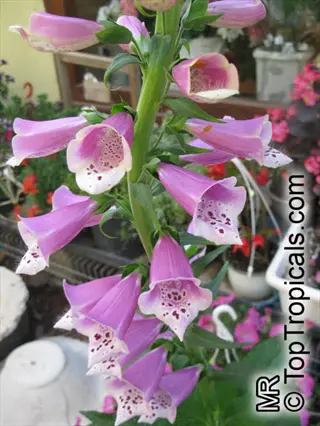
- Bloom Time: Camelot foxgloves flower in their first year from seed when started early indoors, producing tall spikes of 3 to 4 feet (90 to 120 centimeters) by midsummer.
- Colors: Available in cream, lavender, rose, and white shades with heavily spotted throats that guide pollinators directly to the nectar inside.
- Growing Habit: These F1 hybrids produce sturdy, well-branched spikes that resist wind damage better than many heirloom varieties in exposed garden settings.
- Best For: Gardeners who want dramatic foxglove blooms without waiting two years, making them ideal for annual flower bed rotations and first-time growers.
- Zone Range: Hardy in USDA zones 4 through 9, performing well across most of the continental growing regions with proper moisture management.
- Important Note: Camelot F1 hybrids do not come true from reseeding, so gardeners must purchase fresh seed each year to maintain consistent flower colors and heights.
Dalmatian Series
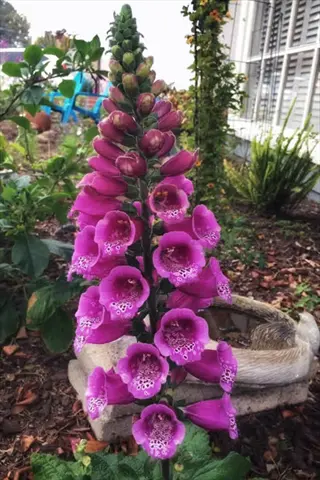
- Height: Compact at only 16 to 20 inches (40 to 50 centimeters), making the Dalmatian series the best foxglove choice for container gardening and small garden spaces.
- Bloom Time: Flowers appear in the first year from seed, producing dense spikes covered with large bell-shaped blooms from early to midsummer in most climates.
- Colors: Available in peach, purple, rose, cream, and white, with the Dalmatian Peach variety being especially popular among flower arrangers and cut flower growers.
- Container Use: The compact size and sturdy stems make Dalmatian foxgloves the top pick for patio pots, window boxes, and raised bed borders in urban settings.
- Growing Needs: Thrives in partial shade with moist, well-drained acidic soil at a pH below 6.0, and benefits from consistent watering during hot summer months.
- Seed Note: Like all F1 hybrids, Dalmatian seeds do not produce identical offspring when self-sown, so buy new seed annually for uniform color and height results.
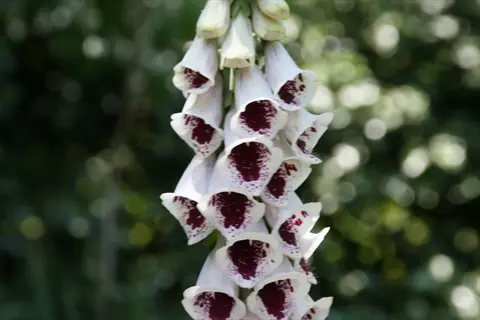
Pam's Choice
- Appearance: Pam's Choice produces stunning white flowers with dramatic deep maroon spotting inside the throat, creating one of the most striking foxglove color patterns available.
- Height: Reaches 3 to 4 feet (90 to 120 centimeters) tall with strong upright spikes that make a bold vertical statement in cottage garden borders and woodland edges.
- Life Cycle: A true biennial that forms a leafy rosette in year one and sends up its dramatic flower spike in year two, then sets seed and completes its cycle.
- Garden Impact: The high-contrast white and maroon coloring makes Pam's Choice a favorite for photographers and garden designers seeking eye-catching focal points.
- Pollinator Draw: The deep maroon spots inside each flower serve as nectar guides for bumblebees, directing them efficiently toward the pollen and nectar sources.
- Pairing Ideas: Pairs beautifully with dark-leaved heuchera, silver-foliaged artemisia, and purple alliums for a layered cottage garden design effect.
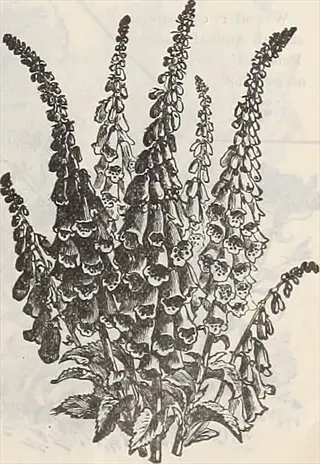
Excelsior Hybrids
- Flower Position: Unlike the species, Excelsior Hybrids produce flowers that radiate outward from all sides of the spike rather than hanging from one side only.
- Height: Tall growers reaching 4 to 5 feet (120 to 150 centimeters) that create dramatic vertical accents in the back of perennial borders and along fence lines.
- Color Range: Available in a wide mix of pink, purple, cream, and white shades, often with contrasting interior spots that vary from plant to plant in a single planting.
- Best Use: Ideal for mass plantings and naturalized woodland settings where their mixed colors create a natural wildflower meadow appearance that softens formal landscapes.
- Reseeding: These hybrids self-sow readily but offspring may revert to the purple species color over several generations, creating a more uniform naturalized look over time.
- History: One of the earliest improved foxglove selections, Excelsior Hybrids remain popular after decades because of their reliable performance and wide availability at nurseries.
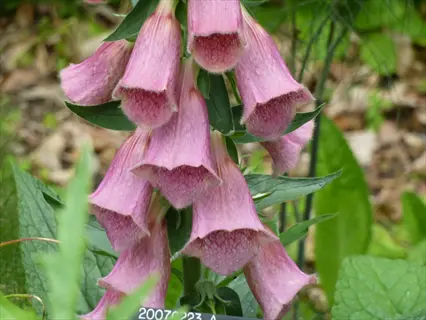
Digitalis x mertonensis
- Common Name: Known as the strawberry foxglove, this hybrid produces unique crushed-strawberry pink flowers that no other foxglove variety can match in warmth and richness.
- Origin: Created in 1925 at the John Innes Horticultural Institute in England by crossing D. purpurea with D. grandiflora, producing a true perennial hybrid foxglove.
- Perennial Habit: Unlike most foxgloves, the strawberry foxglove is a reliable perennial that returns year after year, especially when divided every other year to maintain vigor.
- Height: Grows 2.5 to 3 feet (75 to 90 centimeters) tall, making it a mid-border plant that works well between low ground covers and taller back-of-border perennials.
- Clemson Extension Note: Described as one of the most widely grown perennial foxgloves, valued for its unique color and reliable return in zones 4 through 8.
- Division Tip: Divide clumps every other year in early spring to extend plant life and maintain flowering vigor, as undivided plants tend to decline after three or four seasons.
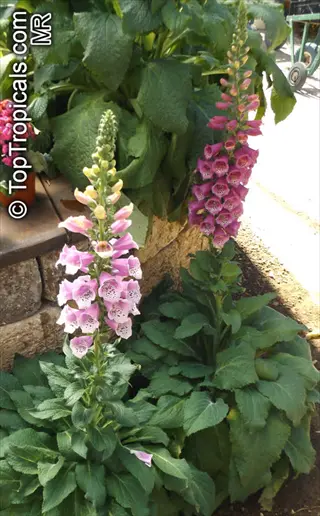
Foxy Series
- Award Winner: The Foxy cultivar earned the prestigious All-America Selections award in 1967, recognizing its breakthrough ability to bloom in the first year from seed.
- Height: Compact at 2 to 3 feet (60 to 90 centimeters), making it suitable for both garden beds and larger containers where taller varieties would look out of scale.
- Bloom Time: Flowers in the first growing season when started early indoors, typically blooming by midsummer with dense spikes of mixed pink, purple, cream, and white bells.
- Historical Significance: Foxy was one of the first commercially available first-year-flowering foxgloves, paving the way for modern compact series like Camelot and Dalmatian.
- Growing Ease: Tolerant of a wide range of conditions within zones 4 to 9, making it a reliable starter foxglove for beginners who are growing the plant for the first time.
- Mixed Colors: Sold as a color mix rather than individual shades, providing a natural cottage garden blend of warm and cool tones in a single seed packet planting.
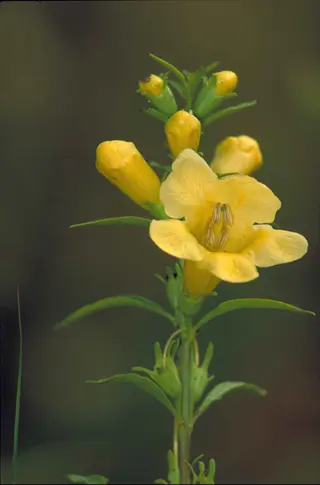
Digitalis grandiflora
- Common Name: Known as the yellow foxglove or large-flowered foxglove, this species produces soft butter-yellow blooms with brown interior veining on sturdy spikes.
- Perennial Nature: A true perennial foxglove species that returns reliably for several years in zones 3 to 8, making it one of the hardiest foxgloves available for cold climates.
- Height: Grows 2 to 3 feet (60 to 90 centimeters) tall with a more compact and refined habit than the common purple foxglove, fitting neatly into mixed perennial borders.
- Flower Detail: Each tubular bloom measures about 2 inches (5 centimeters) long with a wider mouth than D. purpurea, creating a slightly different bell shape that adds variety.
- Shade Tolerance: Performs exceptionally well in partial to full shade conditions, making it the best foxglove choice for woodland gardens and north-facing borders.
- Wildlife Value: Attracts the same bumblebee pollinators as common foxglove while being equally deer and rabbit resistant due to the presence of cardiac glycosides.
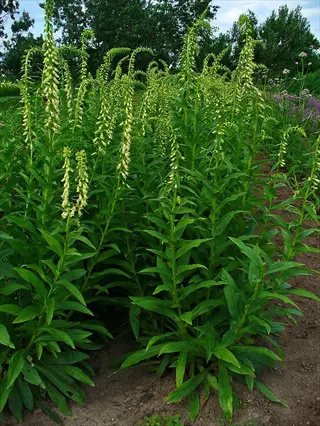
Digitalis lutea
- Common Name: Called the straw foxglove, this elegant species produces small, pale yellow flowers on graceful slender spikes that bring subtle charm to shaded garden areas.
- Height: Reaches 2 to 2.5 feet (60 to 75 centimeters) with a delicate, airy profile that contrasts nicely with bolder perennials like hostas, ferns, and astilbe plants.
- Perennial Longevity: One of the longest-lived foxglove species, returning reliably for many years in zones 3 through 9 without the need for frequent division or replacement.
- Low Maintenance: Requires minimal care once established, tolerating drier conditions better than most foxglove species while still preferring partial shade and acidic soil.
- Naturalization: Self-seeds gently without becoming aggressive, making it an excellent choice for naturalized woodland gardens where controlled spreading is preferred over dominance.
- Design Use: The smaller flower size and airy habit make straw foxglove a perfect filler plant between larger perennials, adding vertical interest without visual heaviness.
Your best pick depends on your space and how long you want to wait for blooms. If you need flowers this summer, go with Camelot or Dalmatian. If you want a foxglove that comes back every year, the strawberry foxglove or yellow foxglove will serve you well for many seasons.
Growing and Care Essentials
Good foxglove care comes down to giving the plant what it wants without going too far in any direction. I learned this the hard way after killing my first batch with too much direct sun. Think of each growing factor as a sweet spot. Too much sun burns the leaves and too little stops the blooms. The table below shows you the ideal range for growing foxgloves along with what to avoid.
Your foxglove sun requirements change based on where you live. In cool northern zones, full morning sun works fine. But if you garden in zones 7 through 9, your foxgloves need afternoon shade or they will wilt fast in the summer heat. Extra mulch around the base keeps the roots cool and the moist well-drained soil they love from drying out.
Foxglove thrives in acidic soil with a pH below 6.0 for strong roots and bright blooms. I once lost a whole row because my foxglove soil sat at 7.2 and I didn't test it first. Add compost or pine bark to bring your pH down if it tests too high. These plants grow 2 to 5 feet tall with a spread of 1 to 2.5 feet, so give them room to fill out.
Planting and Propagation
Growing foxglove from seed is simple once you know the one rule that trips most beginners. Foxglove seeds need light to germinate so you must never bury them under soil. I wasted an entire tray of seeds my first year because I covered them like tomato seeds. Just press them onto the surface and keep your soil damp.
Planting foxgloves gives you 3 clear paths based on when you want blooms. You can start seeds indoors in late winter, direct sow outdoors in spring, or plant in fall for blooms the next year. Each foxglove propagation method has its own timeline. A single plant can produce 1 to 2 million seeds. Once you get started, you can let them self-sow foxglove seeds all over the garden on their own.
Indoor Seed Starting
- Timeline: Start foxglove seeds indoors 6 to 8 weeks before your average last spring frost date for first-summer blooms with first-year-flowering cultivars.
- Light Requirement: Foxglove seeds need light to germinate, so press them gently onto the surface of moist seed compost without covering them with soil.
- Germination: Expect seedlings to emerge in 2 to 3 weeks at temperatures between 60 and 65 degrees Fahrenheit (15 to 18 degrees Celsius) with consistent moisture.
- Transplanting: Harden off seedlings for 7 to 10 days before transplanting outdoors after the last frost, spacing plants 12 to 18 inches (30 to 45 centimeters) apart.
Direct Outdoor Sowing
- Best Time: Direct sow foxglove seeds outdoors in late spring after soil temperatures reach 60 degrees Fahrenheit (15 degrees Celsius) for reliable germination.
- Method: Scatter seeds on prepared soil surface and press lightly without burying, as foxglove requires light for germination and covered seeds will not sprout.
- Thinning: Thin seedlings to 12 to 18 inches (30 to 45 centimeters) apart once they develop their first set of true leaves to prevent overcrowding.
- Bloom Expectation: Direct-sown biennial varieties form a rosette in the first year and flower the following summer, while first-year-flowering types may bloom by late summer.
Fall Planting Method
- Strategy: Plant biennial foxglove seeds or nursery-grown rosettes in early fall so they establish root systems before winter and bloom the following spring and summer.
- Advantage: Fall planting gives foxglove a head start on the cold period needed to trigger flowering, resulting in stronger spikes and earlier blooms than spring-planted biennials.
- Winter Care: Mulch fall-planted rosettes with 2 to 3 inches (5 to 7.5 centimeters) of organic mulch to protect roots from freeze-thaw cycles in zones 4 through 6.
- Success Rate: Fall planting is the most reliable method for traditional biennial varieties because it mimics their natural life cycle of fall germination and spring flowering.
Self-Sowing Management
- Seed Production: A single foxglove plant can produce 1 to 2 million seeds, making self-sowing the easiest way to maintain a foxglove colony year after year without replanting.
- Control Strategy: Allow spent flower spikes to drop seed naturally, then thin unwanted seedlings in spring, or remove all spent spikes before seeds mature to prevent spreading.
- Hybrid Warning: F1 hybrid cultivars like Camelot and Dalmatian do not come true from self-sown seed, so expect offspring to vary in color, height, and bloom timing.
- Naturalization: For woodland and cottage garden settings, let foxglove self-sow freely to create a naturalized drift effect that returns and spreads each growing season.
In my experience, the best approach is to start your foxglove seedlings indoors in February and then let the plants self-sow after that first season. You do the work once and nature handles the rest for you. Just thin out your foxglove seedlings each spring to keep your spacing right and your beds looking sharp.
Foxglove Garden Design Ideas
Foxglove garden design is where this plant goes from pretty to stunning. The tall spikes of bells act as vertical anchors that lift your eye up and add drama to flat borders. I tested dozens of foxglove companion plants over the years and found that the right pairings make both plants look better than either one alone.
The key question is what to plant with foxgloves based on your garden style. A foxglove cottage garden needs different partners than a foxglove woodland garden does. Your foxglove cutting garden has its own rules too. Below you will find 4 design styles with tested plant combos for each one so you can match the right approach to your space.
Cottage Garden Border
- Layout: Place tall foxglove varieties at the back of mixed borders behind medium-height perennials like roses and salvias, with low ground covers at the front edge.
- Companion Plants: Pair foxglove with Floribunda roses, alliums, poppies, and salvia for a classic English cottage garden palette of vertical spikes mixed with rounded flower forms.
- Color Scheme: Combine purple foxgloves with yellow achillea and white shasta daisies for a complementary color scheme, or use pink varieties with blue delphiniums for harmony.
Woodland Shade Garden
- Natural Setting: Foxgloves thrive in dappled shade beneath deciduous trees, making them a perfect fit for naturalized woodland gardens where they can self-sow into natural drifts.
- Best Partners: Combine with Japanese Silver Painted Fern, hostas, astilbe, and hellebores to create layered foliage textures that showcase foxglove spikes as vertical focal points.
- Species Choice: Digitalis grandiflora and Digitalis lutea are especially well-suited to woodland settings with their perennial habit and tolerance for deeper shade conditions.
Cut Flower Garden
- Variety Selection: Grow Camelot and Excelsior Hybrids for cut flower production, as their tall sturdy spikes with 20 to 80 individual flowers provide excellent vase display material.
- Harvest Timing: Cut foxglove stems in early morning when the bottom third of flowers are open, as bumblebee pollination reduces vase life by triggering flower drop.
- Handling Safety: Always wear gloves when harvesting foxglove stems for arrangements, and keep cut flowers away from areas where children or pets might contact the water.
Container and Patio Garden
- Best Varieties: Compact Dalmatian series at 16 to 20 inches (40 to 50 centimeters) and Foxy at 2 to 3 feet (60 to 90 centimeters) are the top choices for container culture.
- Container Size: Use pots at least 12 inches (30 centimeters) in diameter with excellent drainage, filling with acidic potting mix amended with peat moss or pine bark.
- Placement: Position containers in areas with morning sun and afternoon shade, and water daily during hot weather since containers dry out much faster than garden beds.
No matter which style you choose, foxglove adds height and texture that most other shade plants can't match. Start with one design approach this season and you will want to try more the next year.
Pollinators and Wildlife Value
In my experience, foxglove is one of the best plants you can grow in a pollinator garden. The tubular bell shaped flowers evolved to fit bumblebee bodies like a glove. When I sit near my foxgloves in June, I hear the buzz of bees crawling deep inside each flower before they back out covered in pollen.
The spots inside each foxglove throat work like runway lights on an airstrip. They guide foxglove bees straight to the nectar at the back of the tube. Bumblebees are the main foxglove pollinators. Their big bodies fit the bells and touch pollen on every visit. Foxglove hummingbirds visit often too since the long tube shape matches how they feed.
Your foxglove also pulls double duty as a deer resistant plant in your garden. The same cardiac glycosides that make foxglove dangerous to humans keep deer and rabbits away. I haven't lost a single foxglove to deer in over 7 years, even though they eat my hostas down to stubs every summer.
Check out the table below to see how bumblebees foxglove and other wildlife interact with your plants. You will see why this flower earns a top spot in gardens that support local wildlife.
Toxicity and Safety Guide
Every part of the foxglove plant is foxglove poisonous and foxglove toxic at every stage of growth. The cardiac glycosides inside the leaves, flowers, stems, and roots can stop your heart if you eat them. This is not a mild risk. Cornell confirms that the gap between a helpful dose and a lethal dose is razor thin, known as a narrow therapeutic index.
A real case from the Canadian Medical Association Journal shows how fast things can go wrong. A married couple in British Columbia mistook first year foxglove leaves for kale and ate them in a meal. Both showed foxglove poisoning symptoms within hours. Their heart rates dropped into the 30s and they saw yellow halos around objects. Doctors gave each of them 12 vials of antidote before their hearts returned to normal rhythm.
In my experience, keeping foxgloves away from your vegetable beds is the smart move. Foxglove safe handling means wearing gloves every time you touch the plant and washing your hands after. The upper leaves carry more toxins than the lower ones. The whole plant hits peak danger just before the seeds ripen. You don't need to fear this plant but you do need to respect it.
Toxic Parts and Compounds
- All Parts Toxic: Every part of the foxglove plant contains cardiac glycosides, including the flowers, leaves, stems, roots, and seeds at all stages of growth.
- Peak Toxicity: Foxglove is most toxic just before the seeds ripen, and the upper leaves on the stem contain higher concentrations of cardiac glycosides than the lower leaves.
- Mechanism: Cardiac glycosides work by inhibiting the Na-K-ATPase enzyme in heart muscle cells, disrupting the electrical signals that control normal heart rhythm.
Poisoning Symptoms
- Early Signs: Nausea, vomiting, diarrhea, stomach pain, and severe headache are typically the first symptoms to appear after ingesting foxglove plant material.
- Heart Effects: Cardiac symptoms include dangerously slow heart rate (bradycardia), irregular pulse, and ventricular tachycardia that can lead to cardiac arrest without treatment.
- Vision Changes: A distinctive symptom called xanthopsia causes yellow or red halos to appear around objects, which doctors use as a clinical indicator of cardiac glycoside poisoning.
Dangerous Look-alikes
- Comfrey Confusion: First-year foxglove rosettes with large, hairy leaves have been fatally mistaken for comfrey (Symphytum officinale) by foragers collecting wild herbs.
- Kale Confusion: A documented case in the Canadian Medical Association Journal reported a married couple who mistook foxglove leaves for kale and developed serious cardiac toxicity.
- Identification Tip: Foxglove rosette leaves are soft and fuzzy with fine hairs on both surfaces and a wrinkled texture, while comfrey leaves are rougher with larger, coarser hairs.
Safe Gardening Practices
- Wear Gloves: Always wear gardening gloves when handling foxglove plants, especially during transplanting, deadheading, and pruning to avoid skin contact with plant sap.
- Pet and Child Safety: Plant foxglove in areas away from play zones and vegetable gardens, and teach children to never touch or eat any part of the plant.
- Wash Hands: Wash hands thoroughly with soap and water after any contact with foxglove, even when gloves are worn, before touching food or touching your face.
5 Common Myths
Foxglove is only dangerous if you eat large amounts of the plant material at one time.
Even small amounts of foxglove can cause life-threatening cardiac arrhythmias because the therapeutic dose is dangerously close to the lethal dose.
Foxglove is an annual flower that you need to replant from scratch every single spring season.
Foxglove is a biennial or short-lived perennial that self-seeds prolifically, producing up to 2 million seeds per plant for continuous garden presence.
Foxglove needs full direct sunlight all day long to produce its best flower spikes and blooms.
Foxglove actually prefers partial shade with dappled light, and afternoon shade is especially important in warmer southern climates.
All foxglove varieties require two full years of growth before they will produce any flowers.
Modern first-year-flowering cultivars like Camelot and Dalmatian bloom in their first growing season when started from seed early indoors.
Dried foxglove leaves are safe to use as a homemade herbal tea remedy for heart conditions.
Foxglove leaves contain cardiac glycosides that remain toxic even when dried, and self-medication has caused fatal poisonings documented in medical literature.
Conclusion
The foxglove plant gives you one of the most striking displays in any garden. Digitalis purpurea earns its place with tall spikes of speckled bells that draw in bees and turn heads all season long. But this biennial flower also demands your respect. Wear gloves, keep it away from kids and pets, and never mix it up with your food plants.
One tip I wish someone told me sooner: cut the main flower spike after it fades and your plant will send up more side shoots with fresh blooms. This simple trick extends your foxglove garden show by weeks. In my experience, the second flush of flowers often looks just as good as the first one did.
You don't need a big yard to grow foxglove varieties that make an impact. Compact types like the Dalmatian series grow great in 12 inch pots on a balcony or patio. Urban gardeners and renters can enjoy the same stunning flowers that fill big cottage gardens.
Start your seeds this spring and give your foxglove garden the time it needs to grow. The biennial types will reward your patience next year with flowers that stop you in your tracks. Whether you pick a classic purple or a modern peach hybrid, this is one plant that will change how your garden looks and feels.
External Sources
Frequently Asked Questions
Is foxglove toxic to touch?
Foxglove leaves and stems can cause skin irritation or rash when handled without gloves, though serious toxicity requires ingestion of plant material.
Is digoxin made from foxglove?
Yes, digoxin was originally derived from foxglove (Digitalis purpurea) and remains one of the most important cardiac medications in use today.
What is the foxglove plant used for?
Foxglove is grown as an ornamental garden flower and is the botanical source of digitalis, a compound used to treat heart failure and arrhythmias.
What do foxgloves symbolize?
Foxgloves symbolize both positive and dark themes, including healing, protection, ambition, and insincerity in the Victorian language of flowers.
Is foxglove poisoning fatal?
Yes, foxglove poisoning can be fatal because cardiac glycosides disrupt heart rhythm, though treatment with digoxin-Fab antidote can reverse symptoms.
Why is digitalis not used anymore?
Digitalis is still used in specific cases, but newer heart medications with wider safety margins have replaced it as a first-line treatment.
How long does it take for foxglove poisoning to kick in?
Foxglove poisoning symptoms can appear within 30 minutes to several hours after ingestion, depending on the amount consumed.
Is foxglove good for the heart?
Foxglove-derived digoxin helps manage heart failure and atrial fibrillation, but only under strict medical supervision due to its narrow safety margin.
What is the magical use of foxglove?
In European folklore, foxglove was associated with fairies and believed to protect against evil spirits, with folk names like Fairy Gloves and Witches' Glove.
Can you drink foxglove tea?
No, foxglove tea is extremely dangerous because the cardiac glycosides in the leaves can cause fatal heart arrhythmias even in small amounts.