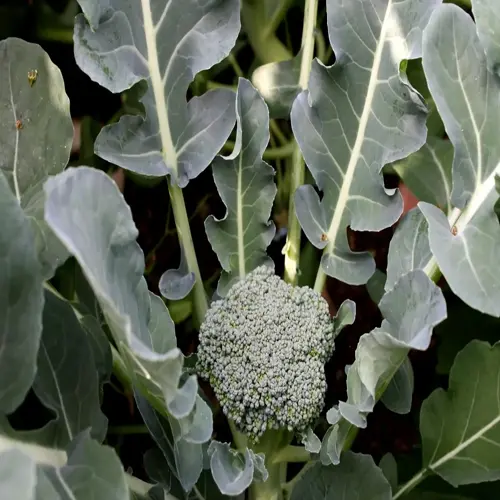

Autumn planting is especially suitable for cauliflower in most regions. The cool weather will prevent bolting and help develop the vegetable's taste. Make the planting toward the end of summer, so that the heads will have formed before hard frosts set in. I always use row covers (described in Chapter 4) if there is danger of frost. This expedient lengthens the season materially.
Temperature Benefits
- Cooler days between 60-70°F (15-21°C) prevent heat stress
- Reduced bolting risk compared to spring planting
- Cold nights intensify flavor compounds in curds
- Frost exposure sweetens cauliflower naturally
Pest Reduction
- Fewer cabbage worms in cooler weather
- Aphid populations decline as temperatures drop
- Slug activity decreases with lower humidity
- Natural predator insects remain active longer
Select varieties for autumn with care. Tolerance to frost will enhance your chances of success. Purple Cape and Snow Crown stand some frost. The Romanesco type will become well-headed with shortening days, but avoid spring varieties made for heat. I select a 60-day maturity type to ensure quick results before the deposit freeze-in period begins.
Implement frost protection early. Set up hoop houses or row covers when temperatures drop below 50°F (10°C) at night, and secure the edges with soil or sandbags. Ensure that covers are ventilated on sunny days. I back up my covers for unpredictable late-season cold with old blankets so that ice doesn't damage the heads of developing plants.
Autumn Soil Prep
- Add extra compost to retain moisture during drier fall weeks
- Maintain pH 6.5-7.0 with lime if rains acidify soil
- Apply potassium-rich fertilizers for cold resistance
- Mulch heavily after transplanting to regulate soil temperature
Water Adjustments
- Reduce watering frequency as temperatures cool
- Use drip irrigation to keep foliage dry and prevent mold
- Water morning only to avoid overnight freezing
- Check soil moisture weekly with finger test method
Oversee development as the days shorten; heads will grow more slowly in the autumn. Take a measure of their growth, but cut when the heads are found firm and taut; a sudden warm spell may cause them to change very quickly beyond expectations. I am constantly on the alert, keeping my tools for cutting the crop ready from the first week in October.
Read the full article: When to Plant Cauliflower: Expert Timing Guide