
No. A locust tree has no biological link to the locust insect. The whole locust tree vs insect puzzle comes down to one shared English word. One is a plant that grows tall in yards and along quiet roads. The other is a grasshopper that swarms across open fields in the heat. They live in worlds that never touch. The name is the single thread that ties them together.
Look at what each one is and the gap gets wide fast. The tree is a flowering legume, a close cousin of peas and beans. Its roots even pull nitrogen from the air and feed it into the soil. The insect is a swarming grasshopper that chews through crops when its numbers explode. A plant and a bug cannot sit on the same branch of life. One puts down roots and makes seeds in pods. The other grows wings and flies off to find the next meal. The overlap starts and ends with five letters spelled the same way.
So where did the tree pick up its name? The locust name origin traces back to the carob tree, a Mediterranean plant with long, flat seed pods. People called those carob pods the locust bean for hundreds of years. When settlers met these new trees in North America, they saw the same kind of dangling pods. They reached for a name they already knew and called the trees locust. The word jumped from the carob pod to a whole new set of trees, and it stuck for good.
That pod story sits at the center of the locust tree meaning. The word points at the seed pods first, not the trunk or the leaves. Split one open in late summer and you find a row of hard seeds inside a dry, papery case. It looks a lot like a carob pod or a fat garden pea. The name was a kind of shorthand for that pod shape. It was never a claim that a bug and a tree share blood. People named the plant after a fruit, not after an insect.
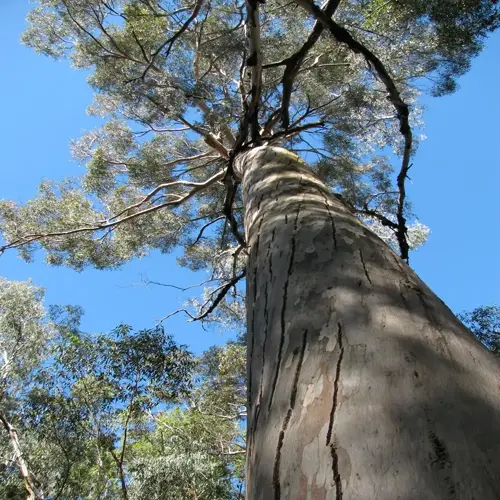
The two trees people mean by this name are Robinia and Gleditsia. Robinia is the black locust, and Gleditsia is the honey locust. Both sit in the family Fabaceae, the pea and bean family, right next to the plants on your dinner plate. The locust insect is a grasshopper from a far corner of the animal kingdom. There is no shared ancestor here. There is no shared biology and no hidden bridge between them. A tree and a grasshopper cannot be related, and no amount of shared spelling changes that.
Why do so many people pause on this question? The word locust shows up in old stories about insect swarms, so the bug side feels loud and familiar. Then you meet a big shade tree with the same name, and the two ideas crash together in your head. It feels like there should be a link. There is not one. The tree kept its label from the carob pods, and the grasshopper kept its own from a long separate history. Same word, two different roads.
Here is the useful part for your next search. Add the word tree to your query and the insect results drop away fast. Type black locust tree or honey locust tree and you land on plant pages every time. If you want the bug, search for locust insect or grasshopper swarm instead. Keep this in mind and you save yourself a pile of confusion. The two locusts share a name and nothing more, so one extra word keeps your results clean and on target.
Read the full article: Locust Tree: Honey vs Black Locust Guide