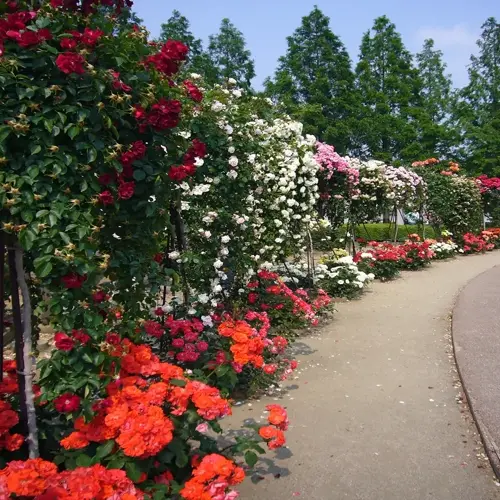

The answer to how rare sakura trees are depends on which type you mean. As a group, they are not rare at all. Millions grow across Japan, the United States, and Europe. But certain wild species and ancient trees are hard to find and worth the effort to see.
I found Somei Yoshino on almost every block during a spring trip to Tokyo. They lined the rivers, filled the parks, and shaded the side streets. But when I tried to track down a wild Kumano-zakura in its mountain home, the trip took two days of planning and a long hike. That gap between common and rare is huge once you start looking past the popular types.
The sakura tree distribution covers more ground than most people think. Japan has 10 wild species native to its islands. Across the globe, you'll find about 50 to 60 species in the Prunus subgenus Cerasus. North America has just 2 native cherry species, and Europe has 3 to 4. The rest spread across east Asia, where the family first took root.
Most of the trees you see in parks and gardens come from a handful of cultivated types. Somei Yoshino makes up about 80% of Japan's planted cherry trees. Nurseries sell these and other garden types with no trouble at all. You can walk into most plant shops and leave with a young sakura tree the same day. Pick from pink, white, or double-bloom types based on what fits your space and climate best. These common trees give you a full spring show every year without much effort.
Prunus serrulata 'Kanzan' is another easy one to find at garden centers. It grows a dense ball of deep pink double flowers every April. You'll spot it in yards and along streets across Europe and North America. It's one of the toughest sakura you can plant.
The rare cherry blossom species tell a different story. Kumano-zakura was found in 2018 as the first new wild species in 100 years. It grows only on the Kii Peninsula in a small range of mountain forest. Wild Yamazakura trees face pressure from roads and new buildings. These trees need specific habitats that shrink a bit more each year.
Then you have the ancient one-of-a-kind trees. The Jindai Zakura in Yamanashi sits at an estimated 1,800 to 2,000 years old. No other sakura on earth matches that age. Locals treat it like a living monument and guard it with fences and support poles. Seeing it bloom in spring draws visitors from across the country. The trunk measures over 10 meters around, and each branch spreads wide enough to shade a small house.
Japan has marked other old sakura as protected monuments too. The Usuzumi Zakura in Gifu is about 1,500 years old and still blooms each April. These trees prove that sakura can live for a very long time when people care for them. You won't find anything like them outside of Japan.
If you want a sakura for your yard, any nursery can help you out. Common types grow well in most mild climates and cost under $50 for a young tree. But seeing the rare cherry blossom species and the old giants takes real travel. You'll need to reach specific spots deep in Japan's mountains and forests. That contrast is what makes the sakura tree distribution so fun to explore.
In my experience, the common trees are just as lovely for your garden as the rare ones are for a bucket list trip. You can enjoy a Somei Yoshino in your front yard every spring. You can still dream about hiking to a Kumano-zakura one day. Both ends of the sakura world deserve your time and attention.
Read the full article: Sakura Tree: Types, History and Care