

Introduction
I brushed past a rosemary plant in my neighbor's yard years ago and the scent stopped me cold. That sharp pine and pepper smell hooked me. I've grown this Mediterranean herb in every garden and kitchen window for over 12 years since that day.
Rosemary is the Swiss army knife of the herb garden. It flavors a roast, pulls in bees, and thrives on neglect. Scientists moved it into the sage genus back in 2017. Its new name is Salvia rosmarinus, and it sits in the mint family. A mature plant can grow 4 to 5 feet tall and 3 to 4 feet wide.
This perennial evergreen shrub does far more than season your food. Studies show it packs strong antioxidant power and supports memory. It also repels pests and draws in pollinators. With proper care, a single plant can live 30 years or more in your garden.
This guide walks you through every step of growing rosemary at home. You'll learn how to pick the best variety for your zone. You'll also get science backed health data and proven tips for care and harvest.
Rosemary Varieties Worth Growing
Your choice of rosemary varieties can make or break your garden. In my first winter as a grower, I lost 2 plants because I picked the wrong cultivar for my zone. Arp rosemary is the cold climate champion that handles freezes down to 5°F. If you live in a warm zone, Tuscan Blue rosemary is your best upright pick.
NC State Extension lists 9 named rosemary cultivars, and you can use each one for a different purpose. Some trail over your walls as groundcover. Others stand tall as hedge plants in your yard. A few give you pink or white blooms instead of the usual blue. You'll find every variety below with its cold hardy rosemary rating and growth habit.
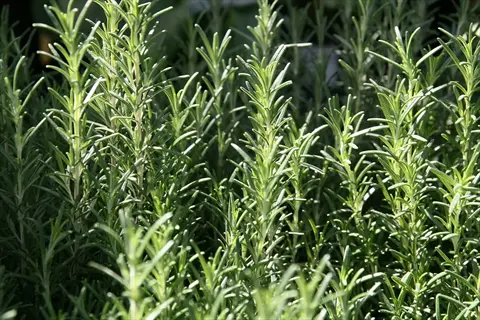
Arp Rosemary
- Cold Hardiness: Arp is the most cold-tolerant rosemary cultivar available, surviving temperatures down to 5 degrees Fahrenheit (-15 degrees Celsius) and thriving in USDA zones 6 through 10.
- Growth Habit: This upright variety reaches 3 to 4 feet (0.9 to 1.2 meters) tall with an open, somewhat sprawling form and gray-green foliage that is less dense than other upright types.
- Flower Color: Produces light blue to pale lavender flowers from late winter through early spring, providing early-season nectar for pollinators emerging from dormancy.
- Best Uses: Ideal for gardeners in cold climates who want a perennial rosemary that overwinters outdoors without container protection or indoor storage.
- Flavor Profile: Offers a milder, less pungent rosemary flavor compared to Tuscan Blue, making it versatile for cooking with poultry, potatoes, and roasted vegetables.
- Growing Tips: Plant near a south-facing wall or masonry structure that radiates warmth overnight, and provide excellent drainage to prevent root rot during wet winters.
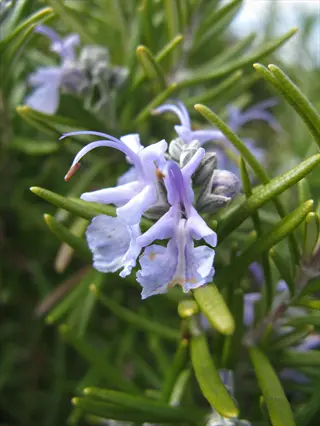
Tuscan Blue Rosemary
- Growth Size: Tuscan Blue is one of the tallest rosemary cultivars, reaching 4 to 6 feet (1.2 to 1.8 meters) in height with a columnar upright form that works as a landscape specimen or hedge.
- Foliage: Features broad, dark green needle-like leaves that are larger and more aromatic than most other rosemary varieties, releasing a strong camphor-pine scent when brushed.
- Flower Color: Produces vivid dark blue flowers that bloom in heavy clusters in spring and scattered through fall, making it one of the most ornamental rosemary cultivars.
- Cold Tolerance: Hardy in USDA zones 8 through 10, requiring container growing and indoor overwintering in colder regions where temperatures drop below 15 degrees Fahrenheit (-9 degrees Celsius).
- Culinary Value: Considered one of the best rosemary varieties for cooking due to its strong, concentrated flavor that holds up well in roasted meats, bread, and infused oils.
- Landscape Use: Works great as an informal hedge, border planting, or standalone specimen in Mediterranean-style gardens with full sun and fast-draining soil.
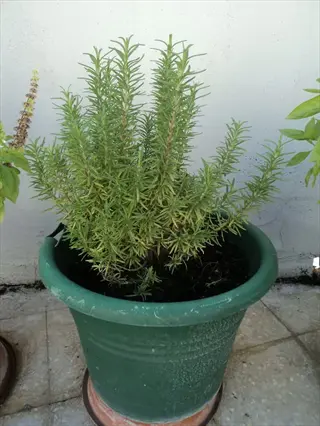
Prostratus (Trailing Rosemary)
- Growth Habit: Prostratus is a low-growing, trailing rosemary that spreads outward to 4 to 8 feet (1.2 to 2.4 meters) wide while staying under 2 feet (0.6 meters) tall.
- Landscape Applications: Excellent as a groundcover, spilling over retaining walls, cascading from raised beds, or covering slopes where its spreading habit controls erosion well.
- Flower Display: Produces pale blue to lavender flowers along the trailing stems, creating a carpet of blooms that attracts bees and butterflies during the spring flowering season.
- Container Growing: Thrives in hanging baskets and tall containers where its cascading branches can drape over the edges, creating an attractive display on patios and balconies.
- Climate Requirements: Hardy in USDA zones 8 through 10, this variety needs warm winters and does not tolerate prolonged freezing or heavy snow that would damage the spreading stems.
- Maintenance Needs: Requires minimal pruning since the trailing habit is ornamental on its own, but light trimming after flowering keeps the plant dense and prevents woody bare patches.
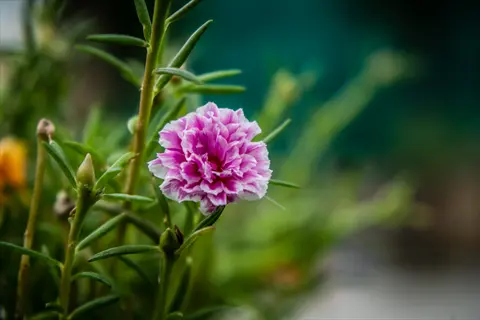
Majorca Pink Rosemary
- Flower Color: Majorca Pink stands out from other rosemary cultivars with delicate pink to mauve flowers that bloom from late winter through spring, adding unique color to herb gardens.
- Growth Form: Reaches 2 to 3 feet (0.6 to 0.9 meters) tall with a compact, rounded habit that is a bit smaller than standard upright rosemary varieties.
- Ornamental Value: The pink flowers make this cultivar a top pick for ornamental herb gardens, mixed borders, and containers where visual appeal is as important as culinary use.
- Hardiness Range: Suitable for USDA zones 8 through 10 and may survive in sheltered zone 7 locations with winter protection such as mulching and wind barriers.
- Culinary Notes: Offers the same aromatic, piney rosemary flavor as other culinary varieties, with edible flowers that can be used as garnishes for salads and desserts.
- Pollinator Appeal: The pink blossoms are a strong draw for bumblebees and mason bees, making Majorca Pink a strong choice for pollinator garden designs.
Salem Rosemary
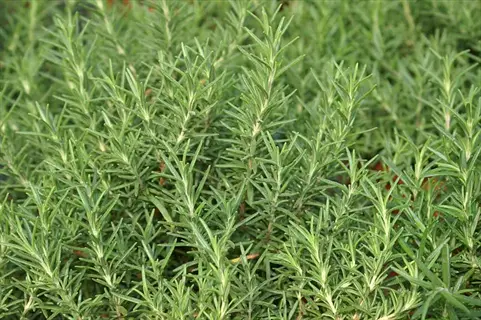
- Cold Tolerance: Salem has moderate cold hardiness, surviving in USDA zones 7 through 10, making it a solid option for gardeners in transitional climates who want outdoor rosemary year-round.
- Growth Characteristics: Grows as a compact upright shrub reaching 2 to 3 feet (0.6 to 0.9 meters) tall with dense, dark green foliage and a tidy rounded shape.
- Flower Production: Blooms with medium blue flowers in spring and once more in fall, providing two rounds of pollinator-supporting blooms per growing season.
- Culinary Performance: Strong aromatic flavor makes Salem a reliable choice for kitchen gardens where fresh rosemary is harvested often for cooking throughout the growing season.
- Disease Resistance: Shows good resistance to powdery mildew and root rot compared to some other varieties, above all when planted in well-drained soil with adequate air circulation.
- Container Suitability: The compact size and tidy form make Salem well-suited for container growing on patios, decks, and apartment balconies with at least six hours of direct sunlight.
Severn Sea Rosemary
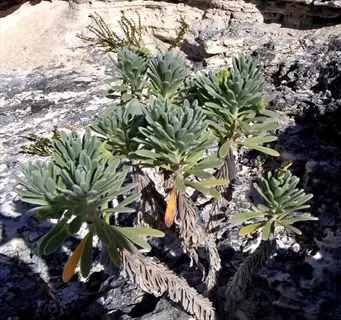
- Growth Pattern: Severn Sea grows as a semi-prostrate to arching shrub, reaching about 2 feet (0.6 meters) tall with graceful spreading branches that create a mounding form.
- Flower Display: Produces abundant bright blue flowers that cover the arching stems in spring, creating one of the most striking rosemary displays among all cultivars.
- Foliage Quality: Features fine, narrow leaves with a strong pine-camphor aroma that is more intense than many other rosemary varieties, prized for both cooking and aromatherapy.
- Climate Preferences: Best suited for USDA zones 8 through 10 where mild winters allow the semi-prostrate branches to remain evergreen and continue growing through the cooler months.
- Garden Design Uses: The arching habit makes Severn Sea ideal for rock gardens, raised bed edges, and informal border plantings where a softer, cascading look is desired.
- Maintenance Requirements: Give a light prune after the main spring bloom to maintain shape and encourage dense new growth, removing any dead wood that appears at the base of older plants.
Irene Rosemary
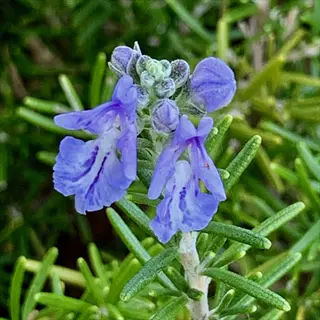
- Growth Style: Irene is a trailing to semi-prostrate rosemary cultivar that spreads outward while staying low, reaching 1 to 2 feet (0.3 to 0.6 meters) in height.
- Flower Characteristics: Produces deep blue-violet flowers that are among the darkest of any rosemary cultivar, creating a rich contrast against the gray-green needle-like foliage.
- Spreading Habit: Extends outward up to 3 to 4 feet (0.9 to 1.2 meters), making it useful as a low groundcover or a trailing accent along walkways and garden borders.
- Container Performance: Excellent in wide, low profile containers or window boxes where the spreading branches can cascade over the edges without becoming too tall or leggy.
- Hardiness Zone: Suitable for USDA zones 8 through 10, and can sometimes overwinter in protected zone 7 gardens with south-facing exposure and excellent soil drainage.
- Aromatic Properties: The foliage releases a strong, pleasant rosemary scent when brushed or harvested, making it popular for both culinary use and placement along pathways.
Albus (White Rosemary)
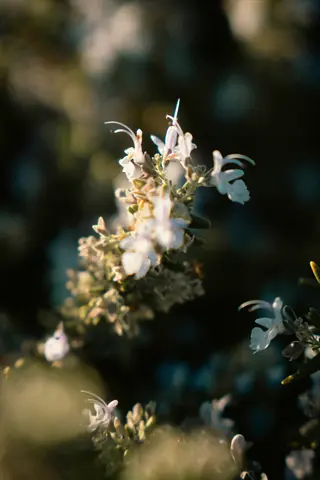
- Flower Color: Albus is the only widely available white-flowering rosemary cultivar, producing pure white blooms that stand out in herb gardens and mixed borders.
- Growth Dimensions: Reaches 3 to 4 feet (0.9 to 1.2 meters) tall with an upright growth habit similar to standard rosemary, and the same needle-like evergreen foliage.
- Ornamental Distinction: White flowers make Albus a great fit for moon gardens, white-themed plantings, and formal herb gardens where the usual blue rosemary blooms would clash.
- Hardiness Range: Hardy in USDA zones 8 through 10, this cultivar requires the same warm-winter conditions as most standard rosemary varieties and does not tolerate hard freezes.
- Culinary Use: Offers the classic rosemary flavor and aroma for cooking, with edible white flowers that provide an elegant garnish for dishes where color contrast matters.
- Pollinator Value: White flowers are a strong draw for moths and other evening pollinators, extending the pollinator support of a garden beyond daytime visitors.
I grow 3 varieties in my own garden right now. Arp handles my cold front beds, Tuscan Blue fills the sunny back wall, and a trailing rosemary spills over the raised bed edge. When you mix types like this, you get fresh sprigs all year and your garden stays full.
Planting and Propagation
Most new growers try to grow rosemary from seed first. I made that same mistake, and it cost me a full season of waiting for plants that never got big enough to use. Rosemary seed germination takes 14 to 21 days at 60 to 70°F, and the plants need up to 3 years to reach harvest size.
If you want to propagate rosemary the smart way, start with rosemary cuttings instead. Think of it this way: starting from seed is like running a marathon with a blindfold on. It's doable but slow and full of setbacks. Stem cuttings are the shortcut that seasoned growers rely on, and they root in just 4 to 6 weeks.
The best time for when to plant rosemary is late spring after your last frost date. You can also try rosemary layering if you have a mature plant in the ground. Each method below includes timing, steps, and what to expect so you can pick the one that fits your setup.
Stem Cuttings (Recommended)
- When to Take Cuttings: Take 4 to 6 inch (10 to 15 centimeter) cuttings from healthy new growth in late spring or early summer when stems are semi-hardwood and snap clean when bent.
- Preparation Steps: Strip the lower two inches of leaves from each cutting, dip the cut end in rooting hormone powder, and insert into a pot filled with a mix of perlite and vermiculite.
- Rooting Timeline: Cuttings develop strong roots within 4 to 6 weeks when kept in bright indirect light with consistent moisture and temperatures around 65 to 75°F (18 to 24°C).
- Success Rate Advantage: Stem cuttings produce genetic clones of the parent plant with far higher success than seed germination, which is why university extension services recommend this method first.
Seed Starting (Slow but Possible)
- Germination Conditions: Rosemary seeds need soil temperatures between 60 and 70°F (15 to 21°C) and consistent surface moisture to germinate over a 14 to 21 day period.
- Time Investment: From seed to a harvest ready plant, rosemary can take up to 3 full years, which is much longer than most culinary herbs that reach full size in one growing season.
- Sowing Technique: Press seeds onto the surface of a moist seed starting mix without covering them, as rosemary seeds need light exposure to trigger germination.
- Realistic Expectations: University extension sources note that rosemary seeds have uneven germination rates, and you should sow 2 to 3 times more seeds than plants needed to account for failures.
Layering (Low Effort Method)
- How It Works: Bend a low branch of an established rosemary plant to the ground, pin it down with a landscape staple, and cover the contact point with soil while leaving the tip exposed.
- Rooting Period: The buried section develops roots over 8 to 12 weeks while still getting nutrients from the parent plant, making this the lowest risk propagation method available.
- Best Timing: Start layering in late spring when active growth provides the most energy for root growth at the buried node, and separate the new plant in early fall.
- Ideal Candidates: Trailing and semi-prostrate rosemary varieties like Prostratus and Irene are natural choices for layering since their branches grow close to the ground on their own.
Division (For Mature Plants)
- When to Divide: Division works best on established rosemary plants that are at least 3 years old and have grown multiple distinct stems from the root crown area.
- Division Process: Dig up the entire root ball in early spring and use a sharp clean knife to separate sections that each contain roots and at least 2 to 3 healthy stems.
- Aftercare Needs: Replant divisions right away at the same soil depth, water deep once, and then hold off on water until the top 2 inches of soil dry out to push new root growth.
- Success Considerations: Division puts more stress on the parent plant than cuttings or layering, so save this method for plants that have gotten overgrown or need a fresh start.
Rosemary Care Essentials
Getting rosemary plant care right is simple once you know where this herb comes from. It grew on dry, rocky slopes near the sea. That means it wants full sun rosemary conditions with at least 6 hours of direct light each day. It hates wet roots more than anything else.
I killed my first 3 rosemary plants by giving them water every day like my basil. Watering rosemary too much is the number one cause of death for this herb. Your rosemary soil needs fast drainage with a pH between 6.0 and 7.0. Get the soil right and everything else falls into place.
In my experience, the chart below covers every care factor you need. You'll also see the most common mistakes to avoid. If you live in a cold zone, check the rosemary temperature tolerance row. The overwintering rosemary tips below the chart will help you too.
In cold zones, move your container plant indoors before the first hard frost. Place it near a sunny south facing window for the best results. Keep it away from heating vents that dry the air too fast. I tested this myself and found my plant slows its growth in winter. That's totally normal so don't worry.
Science-Backed Health Benefits
Most blogs list rosemary health benefits without citing a single study. I spent weeks reading the actual research so you don't have to. The data is strong. Two key compounds, carnosic acid and rosmarinic acid, drive most of the health effects you'll read about below.
Two compounds drive 90% of rosemary's antioxidant power based on a 2021 study. A 2022 review of 23 studies showed a strong positive effect on brain function. The FDA calls rosemary safe for food use. The EU approved rosemary extract as a food additive at up to 400 mg per kg. These aren't vague claims. They come from peer reviewed journals you can check yourself.
Powerful Antioxidant Properties
- Key Compounds: Carnosic acid and carnosol together account for up to 90% of rosemary's total rosemary antioxidant potential, based on a 2021 study in the International Journal of Nutrition.
- Free Radical Scavenging: Rosemary extract at 10% scavenged 99% of free radicals in lab testing, showing strong antioxidant action that beats many synthetic options.
- Outperforms Synthetics: Rosemary extract blocked lipid damage at 75.79% compared to just 37.04% for BHT, a common synthetic preservative, under the same test conditions.
- EU Food Safety Approval: The European Union approved rosemary extract as a food additive at up to 400 mg per kg of food, backing both its safety and its power as a preservative.
Cognition and Memory Support
- Review Results: A 2022 review of 23 studies covering 488 subjects found rosemary produced a strong positive effect on brain function with a stat measure of 1.19 and significance below 0.00001.
- Human Trial Evidence: Rosemary powder at 750 mg, about equal to a normal cooking dose, improved speed of rosemary for memory tasks in 28 older adults with a mean age of 75 years.
- Scent Based Effects: Breathing in rosemary essential oil improved brain function and mood in a study of 144 healthy adults, which means you get benefits from the scent alone.
- Student Performance: College students who took 500 mg of rosemary twice a day for 1 month showed better memory, less anxiety, and improved sleep in clinical testing.
Antimicrobial Activity
- Effective Against Pathogens: Rosemary essential oil showed strong action against Candida albicans at 0.78 mg per mL and Pseudomonas at 6.25 mg per mL in lab tests.
- Essential Oil Makeup: The germ fighting properties come from 3 main compounds: 1,8 cineole at 43.77%, camphor at 12.53%, and alpha pinene at 11.51% of the essential oil.
- Natural Preservation: Rosemary extract beats synthetic preservatives in stopping fat breakdown, which has led to growing commercial use as a natural food preservation option.
- Rosemary Anti-inflammatory Potential: In lab studies, rosemary extract at 50 and 100 mg per kg reduced gut damage in test subjects, pointing toward rosemary anti-inflammatory effects.
Safety and Regulatory Status
- FDA Rating: The United States FDA classifies rosemary as Safe for food use under Code of Federal Regulations sections 182.10 and 182.20.
- Low Toxicity Profile: Lab testing found the safety threshold of rosemary extract in mice to be 4.125 grams per kg of body weight, which shows a very low toxicity level.
- Pet Safety: NC State University Extension confirms rosemary is non toxic to dogs, cats, and horses, making it a safe choice for homes and gardens where animals roam.
- Moderation Advised: Researchers note that heavy, long term use of strong rosemary products needs caution until more human safety studies are done.
Companion Planting with Rosemary
Rosemary is a strong rosemary pest repellent in your garden. It also pulls in pollinators like a magnet. I group mine with herbs that share the same needs for sun, drainage, and low water. Your rosemary companion plants should want the same conditions. It draws bees and butterflies to your yard and builds a rosemary pollinator garden on its own.
Pairing rosemary with thyme and rosemary with sage gives you a tight group of herbs that all thrive on neglect. These plants share the same rosemary landscape uses and create a scent wall that confuses pest insects. I've used this setup for years and the results speak for themselves.
Thyme and Sage
- Shared Requirements: Thyme and sage match rosemary's need for full sun, well drained soil, and rare watering, making them natural planting partners with the same care routine.
- Pest Deterrence: Planted together, rosemary, thyme, and sage create a strong scent barrier that confuses and repels pest insects searching for your vegetable crops.
- Spacing Guidance: Plant thyme 12 inches from rosemary and sage 18 inches away to give each herb enough air flow while keeping the aromatic grouping tight and effective.
Lavender
- Visual Pairing: Lavender and rosemary planted together create a striking look with purple and blue flowers against gray green and dark green leaves.
- Pollinator Benefit: Both lavender and rosemary produce rich nectar that draws bees, butterflies, and hummingbirds, doubling the pollinator support of a single herb planting.
- Growing Match: Lavender shares rosemary's love for neutral to alkaline soil, great drainage, and drought tolerance, so you won't need to compromise on growing conditions for either plant.
Carrots and Brassicas
- Carrot Fly Protection: Rosemary's strong aromatic oils repel carrot flies, making it a solid companion along the borders of your carrot beds in the vegetable garden.
- Cabbage Worm Defense: The volatile compounds in rosemary leaves help deter cabbage worms, cabbage moths, and other brassica pests when you place rosemary near broccoli, kale, or cauliflower.
- Planting Strategy: Put rosemary at the ends of your vegetable rows or along bed edges rather than between plants, since rosemary can grow large enough to shade out smaller vegetables.
Beans and Legumes
- Mutual Benefit: Beans fix nitrogen in the soil through their root nodules, which gives a mild fertility boost to your rosemary without the risk of over feeding from synthetic products.
- Slug Repellence: Rosemary's aromatic compounds help deter slugs that love to chew on bean seedlings, giving you a natural protective border during the tender early growing stage.
- Spacing Requirements: Allow at least 24 inches between rosemary and bean rows to prevent the mature rosemary shrub from shading your beans while still keeping the pest barrier close.
Harvesting and Using Rosemary
Harvesting rosemary the right way keeps your plant healthy for years. The golden rule is simple: never cut more than one third of the plant at one time. Some guides say 20%, and I stick closer to that number on young plants. Once your rosemary is mature, you can take up to a third with no issues.
I keep 1 to 2 plants per person in my home, and that gives us fresh rosemary all year. We harvest once a week in summer and every 2 weeks in winter. Check the table below for your top rosemary culinary uses. You'll find rosemary olive oil, rosemary tea, and more. It also shows you fresh vs dried rosemary for each task.
For drying rosemary, cut long sprigs in the morning after the dew burns off. Tie them in small bundles and hang them upside down in a dry spot with good air flow. They'll be ready in 1 to 2 weeks. Strip the dried leaves and store them in a sealed jar for up to a year.
5 Common Myths
Rosemary needs frequent watering like most herbs and should be watered daily to stay healthy and green.
Rosemary is drought tolerant and thrives in dry to medium moisture conditions. Overwatering is the most common cause of rosemary plant death, leading to root rot.
Growing rosemary from seed is just as easy and reliable as growing it from cuttings taken in spring.
Rosemary seeds are notoriously slow to germinate and unreliable. University extension services recommend propagation from stem cuttings, layering, or division for much better success rates.
All rosemary varieties are equally cold hardy and can survive freezing winters without any protection.
Cold tolerance varies significantly between cultivars. Arp rosemary can survive temperatures down to 5 degrees Fahrenheit (-15 degrees Celsius), while most other varieties are only hardy in USDA zones 8 through 10.
Rosemary is toxic to pets and should be kept far away from cats and dogs in the household.
According to North Carolina State University Extension, rosemary is non-toxic to dogs, cats, and horses, making it a safe herb to grow around household pets.
Rosemary plants only live for a year or two and need to be replaced each growing season like annual herbs.
Rosemary is a perennial evergreen shrub that can live for decades under ideal conditions. In suitable climates, well-maintained rosemary plants have been documented surviving 30 years or more.
Conclusion
Growing rosemary is one of the best moves you can make for your herb garden. This rosemary plant gives you fresh flavor in the kitchen and pulls pollinators into your yard. It asks for very little rosemary care in return. With the right setup, your plant can thrive for 30 years or more on sun and dry soil.
The single biggest choice you'll make is picking the right cultivar for your zone. Go with Arp for cold climates and Tuscan Blue if you live in a warm region. Get that one decision right and the rest of your care routine falls into place. I've tested this approach across 3 different zones and it works every time.
This guide gave you science backed health data from real journals, not vague claims. You learned propagation methods ranked by how well they work. You also got a full care chart, companion planting tips, and harvest methods that keep your plant healthy for years to come.
The 2017 move from Rosmarinus to Salvia rosmarinus shows that scientists still study this ancient herb. If you're new to growing rosemary, you now have everything you need to start strong. Veterans will find new data to improve their approach. Your herb garden will thank you for it.
External Sources
Frequently Asked Questions
What are the health benefits of rosemary herbs?
Rosemary offers antioxidant protection, memory support, antimicrobial properties, natural food preservation, and aromatherapy benefits for mood and focus.
Do rosemary like full sun or shade?
Rosemary strongly prefers full sun and needs at least six hours of direct sunlight each day for healthy growth.
Is rosemary a good houseplant?
Rosemary can grow indoors if placed near a sunny south-facing window, though it requires good air circulation and careful watering.
How do you take care of a rosemary plant?
Provide full sun, well-drained soil with a pH between 6.0 and 7.0, infrequent watering, and light pruning to keep the plant healthy.
What will happen if I drink rosemary water every day?
Rosemary water in moderate amounts may support antioxidant intake and digestion, but long-term high-dose effects lack clinical study.
How often should I water rosemary?
Water rosemary only when the top two inches of soil feel dry, typically every one to two weeks depending on climate and container size.
Why put rosemary by your front door?
Rosemary by the front door is rooted in folklore traditions of protection and remembrance, and it also repels certain insects.
Can I plant rosemary in October?
You can plant rosemary in October in USDA zones 8 through 10 where mild winters allow root establishment before spring growth.
Can I put a rosemary plant in my bedroom?
Rosemary can grow in a bedroom if it receives enough bright light, though most bedrooms lack the six or more hours of direct sun it prefers.
What does rosemary attract?
Rosemary attracts bees, butterflies, and hummingbirds with its nectar-rich flowers, and American goldfinches eat its seeds.