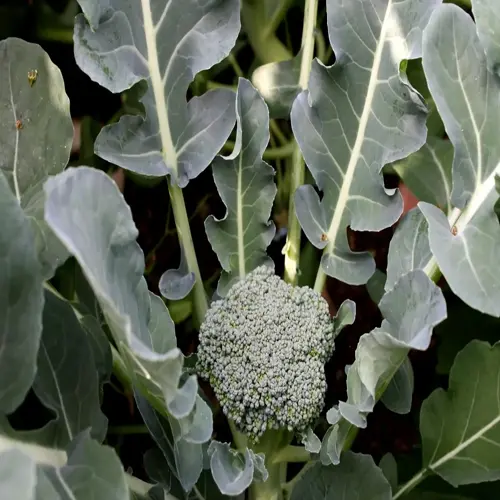

The timing of harvest varies significantly; the bulk of varieties mature between 55 and 100 days after transplanting. The mini-varieties, like "Snowball," mature log before the giants. Near-constant temperatures in the area, ranging from 60 to 65 degrees Fahrenheit, will hasten development and cause products to mature simultaneously; I achieve this for the most part, day by day.
Variety Differences
- Mini varieties (e.g., 'Igloo') mature in 55-65 days
- Standard white types require 70-85 days
- Colored varieties like 'Graffiti' purple need 80-90 days
- Romanesco types take longest at 90-100+ days
Environmental Impacts
- Temperatures above 75°F slow head formation
- Consistent moisture prevents growth interruptions
- Soil pH below 6.0 causes nutrient lockout delays
- Frost exposure under 28°F halts development
Determine harvest readiness visually and by feel. Identify heads that are compact and have reached that variety's typical size. Important: curds must feel firm without any separation. Outer leaves may begin to lift up. I test mine each day once the heads are nearing full-size. Timing is important as harvesting too early or late may impact desirable flavor and texture.
Temperature constancy. This feature has a significant influence on the rate of growth. The variation in temperature over 24 hours should be from 60 to 65° during the daytime and from 50 to 55° at night. Extremely hot heat waves exceeding 80° in the daytime are highly detrimental and can lead to delayed maturity. Shade cloth is necessary, and in September, the cold frames afford protection against any excessive cold that may occur, even at this early date. I take my observations with a max-min thermometer.
Nutrient Management
- Apply high-phosphorus starter fertilizer at transplanting
- Switch to potassium-rich feed during head formation
- Foliar spray kelp extract weekly for micronutrients
- Avoid excess nitrogen to prevent leafy overgrowth
Stress Prevention
- Maintain consistent soil moisture with drip irrigation
- Mulch with straw to regulate root temperatures
- Install windbreaks in exposed locations
- Control pests immediately to avoid growth pauses
The causes of delayed development include: - Delayed development (or buttoning), which may be caused by transplant shock. - Ricey heads on plants affected by heat stress. - Nutrient deficiency (particularly in shade) causes stunting. I document all growth observations to help identify potential developmental problems. Identifying issues quickly can prevent loss of yield by reducing the time between harvests.
Read the full article: When to Plant Cauliflower: Expert Timing Guide