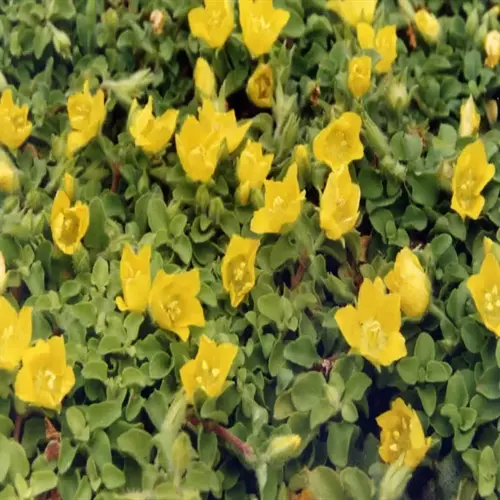

You want to know how aggressive is creeping phlox before you plant it, and the good news is this ground cover behaves itself. It spreads at a moderate pace and never turns into an invasive problem. You can manage it with basic garden shears and a few minutes of your time once a year.
I keep a border of creeping phlox along my front walkway where it meets the lawn. Once a year after blooming ends, I take my hedge shears and trim back any stems that crept over the stone edging. The whole job takes about fifteen minutes for a 20-foot stretch. That single annual trim keeps everything tidy for you. I've never had this plant pop up in random spots or take over a neighboring flower bed in my garden.
Your creeping phlox stays easy to manage because of how it spreads. Stems grow along your ground surface and root at their nodes where they touch soil. You can track this slow, visible process and control it. Your plant doesn't send aggressive underground runners through the garden like mint or bamboo. It doesn't self-seed all over your yard either. What you see on the surface is all there is. That makes unwanted growth easy for you to spot and remove.
So is creeping phlox invasive? Not at all. NC State Extension data shows it only grows 4 to 6 inches tall and reaches 2 to 3 feet wide at maturity. English ivy climbs 80 feet up trees. Vinca spreads through underground stems with no end. Your creeping phlox doesn't appear on any state invasive species list. Its native status across 27 states means it belongs in your landscape.
For creeping phlox spreading control, you only need a few simple tools. Trim your edges with shears after spring bloom for clean borders. If stems root in spots you don't want, grab the rooted section and pull it up by hand. In my experience, the roots come out of the ground without much effort from you. You can replant those pulled sections somewhere else or share them with your neighbors.
Metal or plastic landscape edging strips work well along your lawn borders. Push them about 3 inches into the soil between your phlox bed and the grass. This barrier stops surface-rooting stems from crossing into your lawn on their own. The edging also gives you a clean visual line that makes your garden look neat.
Most gardeners wish their creeping phlox spread faster instead of worrying about it taking over. You wait about two years for full coverage but you never spend weekends fighting an out-of-control ground cover. That patience pays off with a plant that stays where you want it. Your effort stays minimal while the results keep getting better each year.
Read the full article: Creeping Phlox: Complete Growing Guide