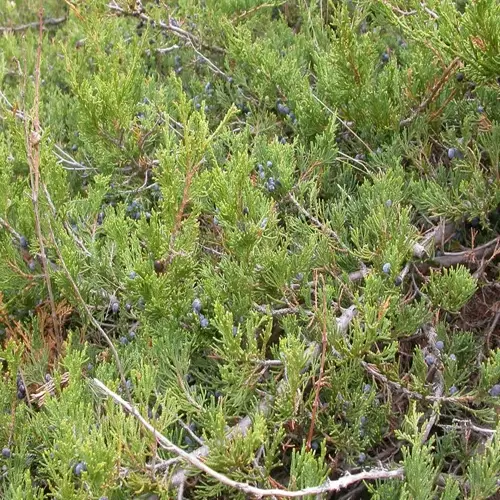

Yes, elderberry grow back every year from its roots each spring. This tough shrub is a deciduous perennial that drops its leaves in fall, sleeps through winter, and pushes new growth as soon as warm weather returns. Once you plant one, it comes back on its own for many years.
Elderberry perennial status means you plant it once and harvest from it for a long time. Unlike annual plants that die after one season, your elderberry bush builds a stronger root system each year. That root base is the engine that drives all the new growth you see each spring. The older and bigger those roots get, the more canes and berries your bush will produce.
I saw this power in person when I cut one of my elderberry bushes all the way to the ground in late February. I thought I might have killed it. By mid-June, that same stump had pushed out new canes over 5 feet tall. By August, those canes had leaves the size of my hand. The root system had stored enough energy to rebuild the whole top of the plant in one growing season.
The growth cycle follows a clear pattern each year. Your bush drops its leaves in fall as the days get shorter. It goes fully dormant through winter and the bare canes look dead. But under the soil, the roots stay alive and wait. When spring temps climb above 50°F (10°C) for a few weeks, new shoots pop up from the root crown and buds swell on the old canes.
USDA Forest Service data tells us that elderberry is a multi-stemmed shrub that can reach 6.5 to 13 feet (2 to 4 meters) tall. The canes grow fast in year one, set flowers and fruit in year two, and start to fade by year three. This is why you should prune out any canes older than three years. They won't give you much fruit and they crowd out the fresh young wood.
The elderberry winter hardiness is one of its best traits for growers in cold areas. This plant handles USDA zones 3 through 9 without trouble. That means it can survive winter lows down to about -40°F (-40°C) in the coldest zones. Very few fruit-bearing shrubs offer that kind of cold strength.
Fall Prep for Winter
- Mulch the roots: Spread 2 to 3 inches (5 to 7.6 cm) of bark chips or compost over the root zone before your first frost hits.
- Stop feeding: Cut off all plant food by late summer so your bush can harden off its canes before cold weather arrives.
- Leave the canes: Don't prune in fall. The standing canes protect the crown from wind and ice damage through the winter months.
Spring Growth and Pruning
- Prune early: Cut out dead and old canes in late winter before new buds break open. Remove anything older than three years.
- Watch for shoots: New green shoots will pop up from the base as soil warms up. These are your future fruit-bearing canes.
- Feed lightly: Give your bush a dose of balanced plant food once new growth reaches about 6 inches tall to fuel the season.
I also learned that young elderberry plants need extra care their first winter. I lost a one-year-old bush to a hard freeze because I didn't mulch it in time. Now I pile on a thick layer of shredded leaves around every new plant by mid-fall. The ones I protect this way make it through just fine.
Your elderberry bush will reward you with bigger harvests as it ages. Most plants hit their best output between years three and eight. Give yours the right winter care and spring pruning, and you'll pick berries from the same bush for a very long time.
Read the full article: Elderberry Bush: Complete Growing Guide