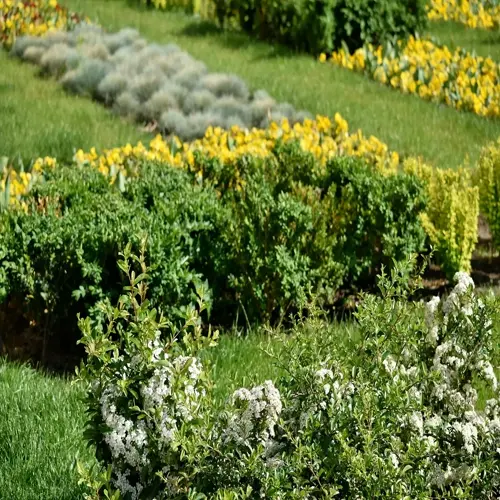

Yes, your bee balm develops bee balm bushy growth that fills out fast in your garden. You can expect a dense clump reaching 2 to 4 feet (60 to 120 centimeters) tall. It spreads 2 to 3 feet (60 to 90 centimeters) wide within a couple of growing seasons for you.
I planted one small division of Raspberry Wine in a sunny border two years ago. By the end of that first summer it had tripled in width. The stems stood waist-high and packed tight together with thick foliage. The second season blew me away. The bee balm mature size hit about 3 feet tall and 2.5 feet wide (90 by 75 centimeters). It went from a single stem to a full garden feature in two quick years.
When I first saw how fast my clump filled in, I told my mom to try the same variety. She planted one division at her place and got a similar result. Her clump grew into a fat bushy mass that her hummingbirds loved right away. She tells everyone it's the fastest-filling perennial she has ever grown. You'll see that same speed in your own garden with good sun and steady water.
The bee balm growth habit explains how your plant gets so bushy so fast. Below your soil, creeping rhizomes push outward in all directions from your planting spot. Each rhizome sends up new stems along the way. Those stems sprout leaves and branch near the top. The result is a circle of growth that expands each year for you. By year two or three, you have a dense mass of 20 to 40 stems packed into a tight area of your bed.
NC State Extension lists Monarda didyma at 2 to 4 feet tall and 2 to 3 feet wide. Wild bergamot reaches a similar height but with a looser form. UGA research found that Monarda fistulosa packs the most blooms per square foot of all the species they studied. That means your pollinators get a feast from a small planting area in your garden.
You can shape how bushy your bee balm gets with a few easy moves. Pinch your growing tips in late spring when your plants reach about 12 inches (30 centimeters) tall. This removes the main tip and forces each stem to branch into two or more side shoots for you. You get a shorter, more compact plant with more flower heads on top. Each pinched stem gives you two to three blooms instead of just one.
Spacing controls your bushiness and airflow at the same time. Plant your bee balm 18 to 24 inches (45 to 60 centimeters) apart. This gives each clump room to fill out without pressing against your other plants. Tight spacing creates a hedge look that seems lush but traps humid air between your stems. That trapped moisture invites mildew that can damage your foliage.
Divide your clumps every 2 to 3 years in early spring to keep them at a size you like. Dig up the whole plant and pull apart the strong outer sections. Replant those pieces with fresh spacing. Each division grows into another bushy clump for you within a season or two. Your effort keeps your garden neat while your bee balm keeps pumping out flowers and feeding pollinators all summer long.
Read the full article: Bee Balm Plant: How to Grow and Care