
Yes, orchids grow in water and can thrive with the right approach. You just need to know how orchid roots work and why still water without oxygen kills them. Two main methods let you grow orchids without bark or moss. Both need a bit more attention than standard potting does.
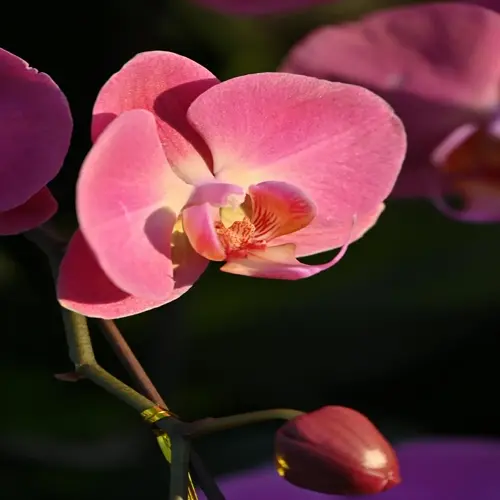
I moved a struggling Phalaenopsis from bark into water culture orchids style about a year ago. The old bark roots started dying back within the first two weeks, which looked alarming. But within a month, thin white water-adapted roots began growing from the base of the plant. These new roots looked different from the thick velamen-coated roots I was used to seeing. They were slimmer and smoother, built for life submerged in liquid. The whole transition took about 6 to 8 weeks before the plant settled in and started pushing out a new leaf.
Here's the science behind it. Orchid roots in nature have a spongy outer layer called the velamen that absorbs moisture from humid air. In bark culture, this velamen dries out between waterings and then soaks up water during the next round. When you switch to water, the plant grows a different type of root that can handle constant moisture. The key difference is oxygen. Roots sitting in stagnant water with no fresh oxygen will rot fast. That's why weekly water changes are non-negotiable in full water culture.
Full water culture works like this. You place the orchid in a glass vase with the roots submerged in room temperature water. Every 7 days you dump the old water, rinse the roots, and refill with fresh water. Some growers use a 5 days wet, 2 days dry cycle where they drain the vase for two days each week to give roots a break. Add a quarter-strength orchid fertilizer to the fresh water each time you refill.
Semi-hydroponic orchid growing gives you an easier path. You place your orchid in a pot of LECA clay pebbles that sit above a small water pool at the bottom. The pebbles wick moisture up to the roots. Most of the root mass stays above the waterline where it can breathe. You get steady hydration and good airflow at the same time, which makes this method easier than full water culture for most people.
Water Temperature Control
- Always use room temperature water around 65-75°F (18-24°C) since cold water shocks tropical roots and slows growth.
- Let tap water sit overnight so chlorine evaporates before adding your orchid, or use filtered water for best results.
- Never use distilled water alone because it lacks the minerals orchids need for healthy root and leaf development.
Preventing Root Rot
- Change water every 7 days without exception to flush away bacteria and replenish dissolved oxygen in the liquid.
- Trim brown or mushy roots with sterile scissors during water changes to stop decay from spreading to healthy tissue.
- Watch for algae buildup on glass containers and clean the vase with mild soap during each weekly water swap.
Feeding in Water
- Use quarter-strength fertilizer mixed into fresh water at each change during the active growing season from spring through fall.
- Skip fertilizer in winter when the plant rests and doesn't absorb nutrients as fast, which prevents salt buildup on roots.
- Choose a balanced formula like 20-20-20 or an orchid-specific blend for consistent nutrition without overfeeding.
Water growing isn't for every orchid owner. It takes more weekly effort than bark culture. If you forget a water change, your roots can rot fast. But if you love watching roots grow in clear glass, this method opens up a new way to enjoy your plants. I'd suggest you start with one orchid to test the process before you move your whole collection over.
Read the full article: Orchid Flower: Complete Growing Guide