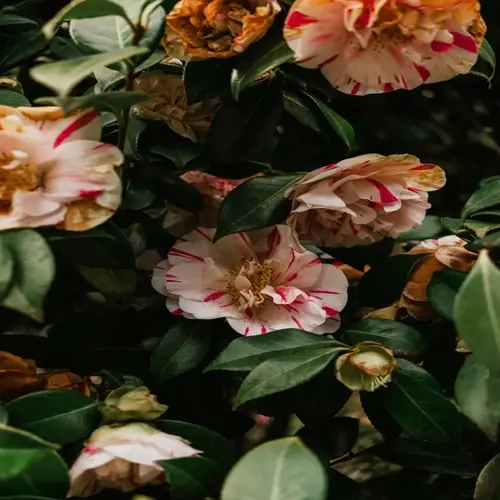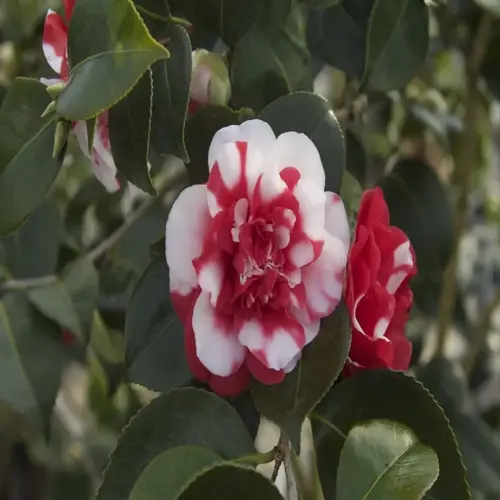

Introduction
Green, black, white, oolong, yellow, and pu-erh tea all come from a single species called camellia sinensis. This tea plant in the Theaceae family has shaped cultures for about 5,000 years. It still fills more cups each day than any drink on Earth besides water.
I spent years at tea farms in China and India before I grasped how one plant could taste so different. Think of it like wine grapes. A single Pinot Noir vine gives you wines that taste nothing alike based on the soil and how the maker handles the fruit. The camellia sinensis plant works the same way. Processing alone turns the same leaf into a gentle white tea or a bold black brew.
The FAO reports that global production hit 6.5 million tonnes in 2021. Over 13 million people depend on tea for their work around the world. Most articles stop at telling you that one plant makes all true tea. This guide goes further with peer reviewed health data and all 5 varieties that the Royal Botanic Gardens Kew now lists.
You will find details on the compounds that make tea good for your body. You will also get a clear plan for growing your own tea plant at home. Whether you sip green tea each morning or just want to know what sits in your cup, this is your full resource on camellia sinensis.
6 Types of Camellia Sinensis Tea
You might think of green tea and black tea as two separate drinks. I learned they aren't when I saw a tea master in Fujian turn one batch of leaves into 3 teas. All 6 types sit on a single spectrum of tea oxidation that runs from 0% to 100%. Where the leaves land on that scale decides the flavor, color, and compounds in your cup.
The secret is in tea processing. When you cut or bruise a fresh leaf, an enzyme starts to brown it. Heat stops that enzyme cold. Green tea makers fire or steam the leaves right away to lock in catechins like EGCG. Black tea makers let the leaves oxidize so those catechins become theaflavins. That shift gives you the bold taste and dark color you expect in your cup.
Green tea accounts for about 20% of dried tea made each year, and its production grows at 6.4% per year. Black tea still dominates at 78% of global output. White tea, oolong tea, yellow tea, and pu-erh tea fill the rest of that spectrum. Each one brings you a different mix of flavor and compounds based on where the maker stops the process.
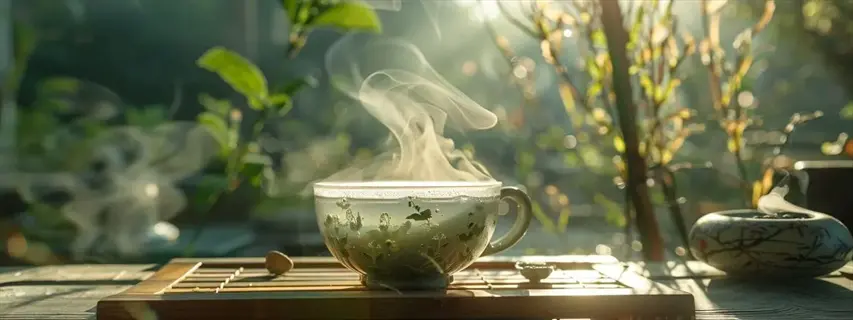
Green Tea
- Oxidation Level: Green tea undergoes zero to minimal oxidation, most often less than 5%, because makers heat the leaves through steaming or pan-firing within hours of harvest to stop enzymatic activity.
- Flavor Profile: Expect a fresh, grassy, and sometimes slightly sweet or vegetal taste that ranges from mild and buttery in Japanese varieties to toasty and nutty in Chinese pan-fired styles.
- Key Compounds: Green tea retains the highest levels of EGCG among all tea types, with catechins making up 30 to 40% of dry leaf weight, making it the most studied variety for health research.
- Popular Varieties: Sencha, matcha, Dragon Well (Longjing), gunpowder, and genmaicha represent some of the most recognized green teas from Japan and China.
- Production Share: Green tea accounts for about 20% of all dried tea made each year, with production growing at a rate of 6.4% per year according to peer reviewed research.
- Best Brewing Practice: Steep green tea at 160 to 180 degrees Fahrenheit (71 to 82 degrees Celsius) for 1 to 3 minutes to avoid bitterness from over-extracted tannins.
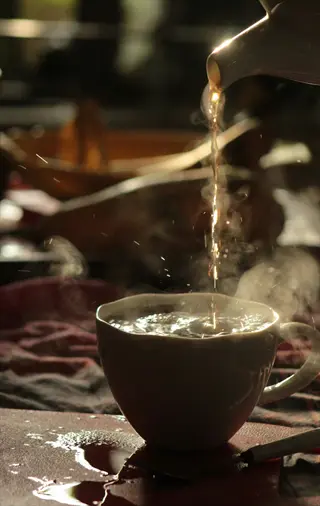
Black Tea
- Oxidation Level: Black tea is fully oxidized at 85 to 100%, giving the leaves their characteristic dark brown to black color and converting catechins into theaflavins and thearubigins during the process.
- Flavor Profile: Expect bold, malty, and sometimes fruity or spicy notes that vary based on origin, with Assam teas tending robust and Darjeeling teas offering a lighter muscatel character.
- Key Compounds: While lower in EGCG than green tea, black tea produces unique theaflavins and thearubigins during oxidation that contribute distinct antioxidant properties not found in other tea types.
- Popular Varieties: Assam, Darjeeling, Ceylon, Earl Grey, English Breakfast, and Keemun rank among the most consumed black teas in the world.
- Global Dominance: Black tea accounts for about 78% of global tea production, making it the most consumed type of Camellia sinensis tea worldwide.
- Best Brewing Practice: Steep black tea at 200 to 212 degrees Fahrenheit (93 to 100 degrees Celsius) for 3 to 5 minutes for optimal flavor extraction and body.
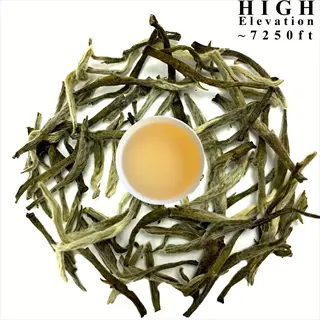
White Tea
- Oxidation Level: White tea undergoes minimal processing with very light oxidation between 5 and 12%, as the young buds and leaves are withered and dried without rolling or heavy heat.
- Flavor Profile: White tea offers the most delicate and subtle taste among all types, with soft floral, honey, and melon notes that vary based on whether the tea uses only buds or includes young leaves.
- Key Compounds: Because of minimal processing, white tea retains high levels of natural polyphenols and catechins, with some studies suggesting its antioxidant capacity rivals or exceeds that of green tea.
- Popular Varieties: Silver Needle (Bai Hao Yin Zhen) uses only unopened buds and is the most prized white tea, while White Peony (Bai Mu Dan) includes both buds and young leaves for a fuller flavor.
- Harvest Specifics: Farmers pick premium white tea during a narrow window in early spring, using the first flush of downy buds covered in fine white hairs that give this tea type its name.
- Best Brewing Practice: Steep white tea at 160 to 185 degrees Fahrenheit (71 to 85 degrees Celsius) for 4 to 5 minutes, and consider re-steeping the same leaves up to three times.
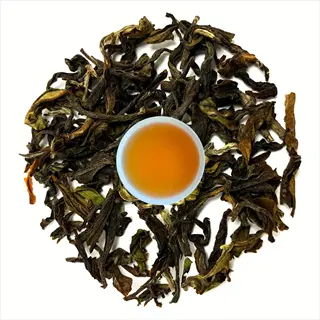
Oolong Tea
- Oxidation Level: Oolong tea falls between green and black tea on the oxidation spectrum, ranging from 15 to 85%, giving producers immense room to create very different flavors from the same leaf.
- Flavor Profile: Lighter oolongs taste floral and creamy like a robust green tea, while high oxidation versions approach the richness of black tea with roasted, fruity, or caramel notes.
- Key Compounds: The partial oxidation process creates a unique blend of both green tea catechins and black tea theaflavins, giving oolong a distinctive combination of bioactive compounds.
- Popular Varieties: Tie Guan Yin (Iron Goddess), Da Hong Pao (Big Red Robe), Dong Ding, and Oriental Beauty represent four very different styles within the oolong category.
- Processing Complexity: Tea experts consider oolong the most skilled tea craft, requiring repeated cycles of rolling, oxidizing, and firing that can take 2 to 3 days to complete.
- Best Brewing Practice: Steep oolong at 185 to 205 degrees Fahrenheit (85 to 96 degrees Celsius) for 2 to 4 minutes, and resteep the same leaves up to five or more times.
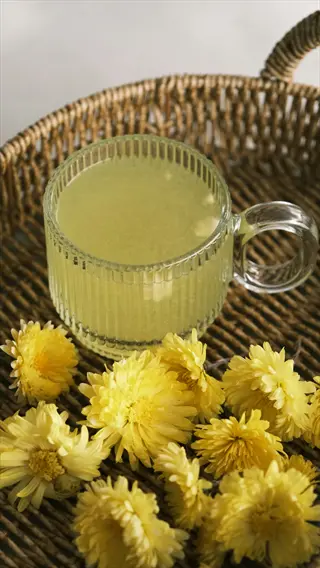
Yellow Tea
- Oxidation Level: Yellow tea undergoes minimal oxidation similar to green tea, around 5 to 15%, but includes a unique step called Men Huang where the damp leaves are wrapped and allowed to yellow over hours or days.
- Flavor Profile: The yellowing process produces a smoother, mellower taste than green tea, removing the grassy sharpness while adding a sweet, nutty character that many consider more approachable.
- Key Compounds: Yellow tea retains most of the catechins and EGCG found in green tea, but the Men Huang process alters the polyphenol profile in subtle ways, creating compounds that are gentler on the stomach.
- Popular Varieties: Junshan Yinzhen (Silver Needles of Jun Mountain), Meng Ding Huang Ya, and Huoshan Huang Ya are the three most famous yellow teas, all originating from specific Chinese provinces.
- Rarity Factor: Yellow tea is the rarest of all six tea types because the Men Huang process requires exceptional skill and patience, and very few producers still practice this traditional technique.
- Best Brewing Practice: Steep yellow tea at 170 to 180 degrees Fahrenheit (77 to 82 degrees Celsius) for 2 to 3 minutes, using a glass vessel to appreciate the pale golden liquor.
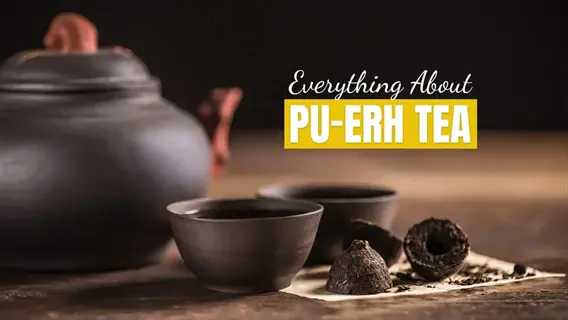
Pu-erh Tea (Dark Tea)
- Oxidation Level: Pu-erh undergoes a unique microbial fermentation process that is distinct from oxidation, with raw (sheng) pu-erh aging over years and ripe (shou) pu-erh using accelerated fermentation over weeks.
- Flavor Profile: Young raw pu-erh tastes bold and a bit astringent, mellowing into sweet earthy depth over decades, while ripe pu-erh offers immediate smooth, woody, and sometimes mushroom like flavors.
- Key Compounds: The fermentation process produces unique microbial metabolites including gallic acid and lovastatin-like compounds, and pu-erh is the only tea type where beneficial bacteria actively transform leaf chemistry.
- Popular Varieties: Collectors classify pu-erh by production region, age, and storage conditions, with vintage cakes from the 1950s through 1990s commanding prices in the thousands of dollars.
- Aging Potential: Pu-erh is the only tea aged on purpose like fine wine, with well stored raw pu-erh improving over 20 to 50 or more years, making it a collectible investment for tea fans.
- Best Brewing Practice: Use 212 degrees Fahrenheit (100 degrees Celsius) boiling water, rinse the leaves with a quick first steep, then brew for 15 to 30 seconds with each subsequent steep for up to 10 or more infusions.
5 Varieties of Camellia Sinensis
Most tea articles mention just 2 tea varieties. The Royal Botanic Gardens Kew actually lists 5 accepted varieties under this one species. Think of them like siblings in a family. They share the same genetic roots but grew up in different places and built their own traits over time.
I spent months tracking down teas from each cultivar group to taste the gaps myself. You'll hear most about camellia sinensis var sinensis, the cold-hardy small-leaf variety from China. The other big name is camellia sinensis var assamica, the large-leaf variety from India. But the 3 remaining types matter if you want the full picture.
Kew first published the species in 1881. Its native range stretches from the East Himalaya to South China and North Indo China. Each variety adapted to its own climate and soil, which explains why your cup of Chinese green tea tastes nothing like an Indian black tea. Here are all 5 varieties you should know about.
Var. Sinensis (Chinese Small-Leaf)
- Native Region: Originated in southern China and adapted to cooler highland climates, thriving at elevations between 3,000 and 7,000 feet (914 to 2,134 meters) across China, Japan, and Taiwan.
- Leaf Characteristics: Produces small, narrow leaves measuring 1 to 3 inches (2.5 to 7.6 centimeters) long with a darker green color and more compact growth habit than other varieties.
- Climate Tolerance: This is the most cold-hardy variety, surviving temperatures as low as 0 degrees Fahrenheit (-18 degrees Celsius) and growing well in USDA zones 6a through 9b.
- Tea Production: Makers use it for green tea, white tea, yellow tea, and lighter oolong styles, producing delicate flavors that are prized in Chinese and Japanese tea traditions.
Var. Assamica (Indian Large-Leaf)
- Native Region: First found in the Assam region of northeastern India in the 1820s, this tropical variety thrives in lowland areas with high rainfall and temperatures between 65°F and 95°F (18°C to 35°C).
- Leaf Characteristics: Features large, broad leaves measuring 6 to 8 inches (15 to 20 centimeters) long, and the plant grows into a tree reaching up to 50 feet (15 meters) tall when unpruned in the wild.
- Climate Tolerance: Less cold-hardy than var. sinensis, this variety prefers warm, humid tropical and subtropical climates found in India, Sri Lanka, Kenya, and parts of Southeast Asia.
- Tea Production: Makers use it for bold black teas and strong pu-erh due to higher tannin content and full bodied flavor, including famous Assam breakfast blends and CTC production.
Var. Cambodiensis (Java Bush)
- Native Region: Found across Cambodia, Laos, and parts of Southeast Asia, some botanists classify this variety as a natural hybrid between var. sinensis and var. assamica rather than a distinct variety.
- Leaf Characteristics: Medium sized leaves that fall between the small sinensis and large assamica types, with a growth habit that produces a multi stemmed bush rather than a single trunk tree.
- Climate Tolerance: Adapted to tropical lowland conditions similar to var. assamica but shows greater tolerance for poor soils and inconsistent rainfall, making it useful for growing in marginal areas.
- Tea Production: Growers use it as rootstock and for cross breeding programs to combine the best traits from sinensis and assamica varieties, which helps build new cultivar lines worldwide.
Var. Dehungensis
- Native Region: Found only in the Dehong Dai and Jingpo Autonomous Prefecture in Yunnan Province, China, where some of the oldest known tea trees in the world still grow wild in ancient forests.
- Leaf Characteristics: Known for large leaves similar to var. assamica, this variety is tied to wild and semi wild tea trees that local communities have harvested for centuries.
- Taxonomic Status: The Royal Botanic Gardens Kew recognizes it as one of 5 accepted infraspecific varieties, though it gets almost no coverage in popular tea writing or competitor content.
- Tea Production: Leaves from wild dehungensis trees are prized for premium pu-erh production, with ancient tree material commanding top prices in the Chinese tea market.
Var. Pubilimba
- Native Region: Found in southern China, this variety is the least documented of the 5 Kew varieties and remains of scientific and taxonomic interest rather than commercial importance.
- Leaf Characteristics: Botanists distinguish it by specific pubescence (fine hair) traits on the leaf margins that set it apart from the other 4 varieties under microscopic examination.
- Taxonomic Status: The Royal Botanic Gardens Kew lists it alongside var. madoensis as one of the lesser known accepted infraspecific varieties within the Camellia sinensis species complex.
- Tea Production: Growers don't farm it on a commercial scale, but it adds to the genetic pool of the species, which researchers study to build more resistant tea cultivars for changing climates.
Tea Processing and Oxidation
Tea processing is what turns one leaf into 6 different drinks. The steps include withering, tea oxidation, heat fixing, and drying. Each step changes the chemical profile of the leaf in ways you can taste in every sip.
Here is the simple science behind it. When you slice an apple and leave it on the counter, it turns brown. That same enzymatic browning happens when tea leaves are bruised or rolled. An enzyme breaks down catechins and builds new compounds in their place. In black tea, this process runs all the way and creates theaflavins that give the brew its dark color and bold taste.
Green tea makers stop that reaction fast through heat fixing with pan firing or steaming. The heat shuts down the enzyme before it can change the catechins. That is why green tea holds onto 30 to 40% catechins by dry weight while black tea trades them for different compounds. Polyphenols make up 50 to 70% of what you extract from the leaf into water. So the way a producer handles oxidation controls most of your cup's flavor.
I noticed the biggest taste jumps during withering and oxidation at a farm in Yunnan. A few extra hours of air exposure changed a light floral leaf into something rich and malty. The table below shows you how each tea type moves through these steps.
Your tea's final flavor depends on how the maker balances all these steps. A small shift in withering time or fermentation length can push the same leaf in a new direction. That control is what makes tea processing both a science and a craft.
Health Benefits and Compounds
Tea health benefits get a lot of hype, but the real data tells a strong story on its own. A systematic review by Sanchez et al. screened 1,384 studies across 23 countries. The team found solid evidence for heart and metabolic support. I've spent years reading these papers so you don't have to sort through vague claims on other tea sites.
The star compound is EGCG, short for epigallocatechin gallate. It makes up 59% of total tea catechins and about 10% of dry leaf weight. What makes EGCG special is that it crosses the blood brain barrier and reaches your brain at levels similar to your lungs, liver, and kidneys. L-theanine is the other standout. Your body absorbs this amino acid fast, and it reaches your brain in about 30 minutes to promote calm focus.
Clinical trials back up real tea health benefits with specific numbers. One RCT with 120 people found that 1 gram per day of dry green tea extract for 12 weeks improved blood sugar control. Another crossover trial with 57 people showed that 5 cups of black tea per day for 4 weeks cut the LDL to HDL ratio. A study of 1,352 adults linked each extra deciliter of daily tea to a drop of 0.6 mm Hg in blood pressure.
Tea polyphenols and tea catechins drive most of these effects. But I need to be honest with you about the limits. Researchers note that trials use different doses, lengths, and groups. That makes direct comparison hard. The neuroprotective and antioxidant data still gives you good reason to keep drinking tea.
Growing Camellia Sinensis at Home
Growing camellia sinensis at home is easier than most people think. I've been growing tea plants in my garden for over 5 years now. The biggest lesson I learned early on is that acidic soil matters more than anything else. Get that right and you're set for a plant that can produce leaves for 30 to 50 years.
Your tea plant needs USDA zones 6a through 9b, a soil pH between 4.5 and 6.5, and partial shade. The 3 most common mistakes I see from new growers are wrong soil pH, too much direct sun, and overwatering. You can also try container growing if your climate falls outside the safe zone. Tea propagation works well through semi hardwood cuttings or air layering if you want to grow from an existing plant.
Expect your first tea harvesting after about 3 years of growth. Peak output comes around year 4 to 5. Good tea plant care and smart pruning will keep your bush productive for decades. Below you will find everything you need to know about companion plants, soil prep, and the path to your first cup of homegrown tea.
Soil and Site Selection
- Soil pH: Camellia sinensis requires acidic soil with a pH between 4.5 and 6.5. Test your soil before planting and amend with sulfur or peat moss if the pH runs too high for healthy root growth.
- Drainage: The plant demands well drained soil and will develop root rot if left in standing water, so raised beds or sloped sites work best in areas with heavy clay soil.
- Light Requirements: Provide partial shade with 4 to 6 hours of filtered sunlight each day, mimicking the dappled forest floor where tea grows in its East Himalayan homeland.
- Companion Plants: Grow alongside other acid loving plants like azaleas, rhododendrons, and blueberries that share the same soil pH needs and create a compatible garden space.
Planting and Spacing
- Container Option: Tea plants grow well in containers at least 18 inches (46 centimeters) wide and deep, using a mix of peat moss, perlite, and pine bark to maintain the acidic pH they need.
- Ground Spacing: Space plants 4 to 6 feet (1.2 to 1.8 meters) apart if growing as single specimens, or 3 feet (0.9 meters) apart for a hedge style tea garden that you can prune as one row.
- Planting Depth: Set the root ball at the same depth it sat in the nursery pot and add a 3 inch (7.6 centimeter) layer of organic mulch like pine needles to hold moisture and soil acidity.
- Best Season: Plant in early spring after the last frost or in early fall, giving roots at least 6 weeks of mild weather to settle before harsh temperatures arrive.
Watering and Feeding
- Water Needs: Keep soil moist but never waterlogged, providing about 1 inch (2.5 centimeters) of water per week through rainfall or irrigation during the growing season.
- Fertilizing Schedule: Apply an acid forming fertilizer, like azalea or camellia formula, in early spring and again in midsummer. Avoid high nitrogen feeds late in the season that push soft growth prone to frost damage.
- Mulching: Maintain a 2 to 4 inch (5 to 10 centimeter) layer of organic mulch like pine bark or leaf mold all year to save moisture, hold back weeds, and acidify the soil as it breaks down.
- Winter Protection: In USDA zones 6a and 6b, protect plants from harsh winter winds with burlap wrapping and add extra mulch around the base to insulate roots from freezing.
Harvesting Your Tea Leaves
- First Harvest: Wait about 3 years after planting before your first real harvest, giving the plant time to build a strong root system and enough foliage to handle regular picking.
- What to Pick: Harvest the top 2 leaves and the terminal bud at the tip of each branch for the best quality tea. Pick in the morning when essential oil content peaks.
- Flush Timing: The first spring flush produces the most prized leaves with the highest L-theanine content and sweetness, while later summer flushes yield stronger, more astringent leaves.
- Pruning for Production: Prune plants to waist height, about 3 feet or 0.9 meters, each year to promote side branching and boost the number of tips you can harvest across the whole plant.
Global Tea Production and Trade
The tea industry is massive, but it runs on small hands. Global tea production hit 6.5 million tonnes in 2021 according to FAO data. What shocks most people is that smallholder farmers grow 60% of the world's tea on small family plots, not giant corporate farms.
China and India are the top tea producing countries. Together they grow 72% of all tea worldwide. But 75% of that tea stays right where it was grown and never enters the tea trade at all. Your morning cup connects you to a chain of over 13 million people whose work depends on tea cultivation across the globe.
When I first tried tea from a family farm in Yunnan, I tasted what mass market brands can't copy. These smallholder farmers grow tea on the same hills their grandparents used. The United Nations marks May 21 as International Tea Day to honor this work. The FAO also gave 4 tea sites in China, Korea, and Japan special heritage status.
Climate change puts this whole system at risk because tea grows in narrow conditions that are sensitive to shifts in rain and heat. China has grown tea for about 5,000 years, but the next few decades will test these regions like never before. The table below puts the key numbers in one place for you.
5 Common Myths
Green tea and black tea come from completely different plant species, which explains their distinct flavors and colors.
Both green tea and black tea come from the same species, Camellia sinensis. The difference in flavor, color, and caffeine content results entirely from how the leaves are processed after harvesting.
Herbal teas like chamomile and rooibos are real teas just like green tea or oolong tea.
Only beverages made from Camellia sinensis leaves qualify as true tea. Chamomile, rooibos, peppermint, and similar drinks are technically herbal infusions or tisanes, not teas.
Decaffeinated tea has zero caffeine and is completely caffeine-free for sensitive individuals.
Decaffeination removes most caffeine but not all of it. Decaffeinated Camellia sinensis tea typically retains 2 to 10 milligrams of caffeine per cup compared to 30 to 70 milligrams in a regular cup.
White tea contains no caffeine because it undergoes the least amount of processing among all tea types.
White tea does contain caffeine, typically 15 to 30 milligrams per cup. Minimal processing preserves more of the natural compounds, including caffeine, though the exact amount varies by harvest and brewing method.
You can only grow Camellia sinensis in tropical climates because the plant requires year-round warmth and humidity.
Camellia sinensis var. sinensis is cold-hardy and grows in USDA zones 6a through 9b. Tea plants thrive in subtropical and temperate climates and can even tolerate light frost once established.
Conclusion
Every true tea you drink comes from the camellia sinensis tea plant. That single fact changes how you look at the 6 types in your cabinet. Processing, not the plant itself, decides whether your leaves become a gentle white or a bold black brew. This guide covered all 5 botanical varieties that Kew lists, far more than most sources ever mention.
The health data backs up what tea drinkers have felt for centuries. Peer reviewed studies show that compounds like EGCG and L-theanine support your heart, blood sugar, and brain. I've seen these findings grow stronger over the years as more trials come in. Your daily cup connects you to research that spans 23 countries and over 1,300 studies.
Tea also connects you to over 13 million people who depend on this crop for their work. It remains the most consumed drink after water. Small family farms still grow 60% of the world's supply, so every cup you brew supports a real chain of hands and soil.
Whether you sip tea for the taste, the health perks, or you plan on growing camellia sinensis in your own yard, you now have the full picture. This tea plant has been shaping lives for 5,000 years and it shows no signs of slowing down.
External Sources
Frequently Asked Questions
Is Camellia sinensis the same as green tea?
Green tea is one of six tea types made from Camellia sinensis leaves. The difference is in processing: green tea leaves are quickly heated after picking to prevent oxidation, preserving their green color and delicate flavor.
What is Camellia sinensis tea good for?
Research links Camellia sinensis tea to antioxidant, cardioprotective, and anti-inflammatory benefits. A systematic review of 80 studies found positive effects on blood sugar control, cholesterol levels, and blood pressure when consumed regularly.
Is Camellia the same as Chamomile?
No, Camellia and Chamomile are completely different plants. Camellia sinensis belongs to the Theaceae family and produces true tea with caffeine. Chamomile belongs to the Asteraceae (daisy) family and is a caffeine-free herbal infusion.
Is Camellia sinensis the same as black tea?
Black tea is made from Camellia sinensis leaves that have been fully oxidized. The same plant also produces green, white, oolong, yellow, and pu-erh teas depending on how the leaves are processed after harvesting.
What is the healthiest tea in the world?
Green tea, especially matcha, is often considered the healthiest because it retains the highest levels of EGCG and catechins. However, all teas from Camellia sinensis offer health benefits, and white tea also preserves high antioxidant levels.
What are the side effects of Camellia sinensis?
Common side effects include caffeine-related issues like insomnia, anxiety, and increased heart rate when consumed in excess. High-dose green tea extracts may affect liver function, and tea compounds can interfere with iron absorption and certain medications.
What happens to your body when you drink green tea every day?
Drinking green tea daily may improve blood sugar regulation, reduce LDL cholesterol, and support antioxidant activity. Clinical trials show 1 gram per day of green tea extract improved glycemic control over 12 weeks.
What should you not mix green tea with?
Avoid mixing green tea with iron supplements and iron-rich meals, as tea tannins reduce iron absorption. Green tea can also interact with blood thinners, beta-blockers, and certain antibiotics by altering how your body processes these medications.
What tea is good for colon inflammation?
Green tea is the most studied tea for colon inflammation due to its high EGCG content, which has demonstrated anti-inflammatory effects in research. White tea also retains significant polyphenol levels that may support gut health.
Is Lipton tea made from Camellia sinensis?
Yes, Lipton's standard black and green tea products are made from Camellia sinensis leaves. Their black tea blends typically use var. assamica leaves sourced from large-scale tea estates in Kenya, India, and Sri Lanka.