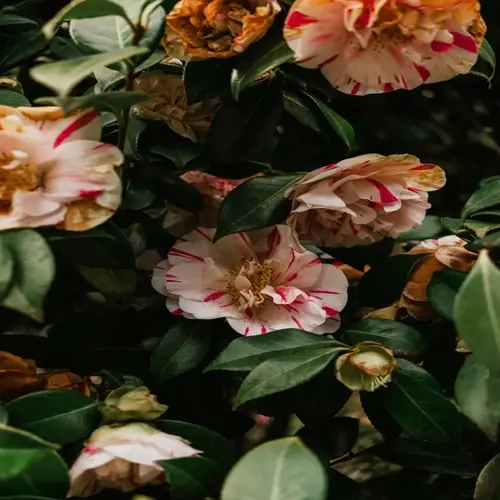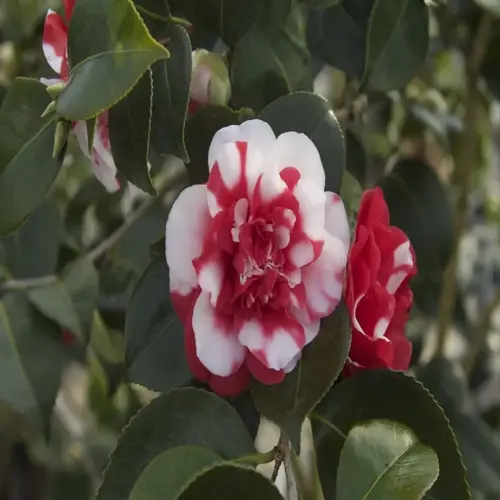

No. When you compare Camellia vs Chamomile, you'll find two different plants from two separate families. They have different chemistry and different effects on your body. One gives you caffeine with every sip. The other has zero caffeine in it at all.
I get asked about this mix-up a lot because the names sound alike. When I first put a cup of green tea next to a cup of chamomile, the gap hit me right away. The green tea tasted bright and a bit bitter. The chamomile was soft, sweet, and floral. You can tell in one sip that these drinks share nothing beyond the word tea on the box. If you've ever tried both back to back, you know what I mean.
The true tea vs herbal tea split starts with botany. Camellia sinensis sits in the Theaceae family. It's an evergreen shrub that grows for decades and gives you caffeine in every leaf. Chamomile sits in the Asteraceae family, the daisy group. It's a small annual herb with no caffeine at all. The Theaceae vs Asteraceae gap is huge. You're looking at plants that split apart millions of years ago on the tree of life.
The compounds inside tell you even more. Your cup of Camellia sinensis tea holds EGCG, L-theanine, and caffeine. When you brew it, polyphenols make up 50-70% of the water extract. These are the compounds linked to heart health and blood sugar gains in studies. Your chamomile tea has two key compounds: bisabolol and apigenin. They help you relax and ease mild swelling. You won't find any catechins in your chamomile cup at all.
When you shop for tea, flip the box over and check the label. If you see Camellia sinensis listed, you're getting a true tea with catechins and L-theanine. If you see chamomile, rooibos, or any herb instead, you're buying a tisane. Both taste great. But they give you different health compounds that work in different ways inside your body. Don't assume a product labeled as tea always comes from the Camellia plant.
I keep both types in my kitchen and reach for each one at different times. Green tea pairs with my morning when I want focus and a light caffeine boost. Chamomile goes with my evening when I want to wind down before sleep. In my experience, you get the most from your tea shelf when you enjoy each one for what it does best. You don't have to pick just one if you like both flavors.
You should also know that mixing up these two plants can lead to real mistakes in your routine. If you're looking for antioxidant and heart health benefits from research, you need a true Camellia sinensis tea. Chamomile won't give you those same compounds. And if you want something caffeine-free for bedtime, grabbing a green tea by mistake will keep you up past your normal sleep time.
The bottom line for you is simple. If you want the EGCG and L-theanine that research ties to real health gains, stick with Camellia sinensis. If you want a caffeine-free drink that helps you relax at night, chamomile is your pick. Just know these are two separate plants with separate benefits. Neither one can do what the other does for you.
Read the full article: Camellia Sinensis: The Complete Tea Plant Guide