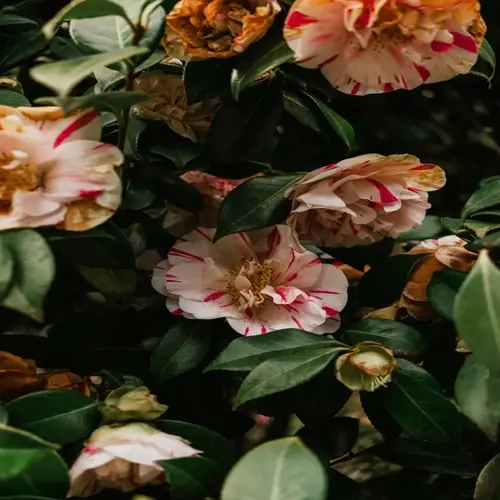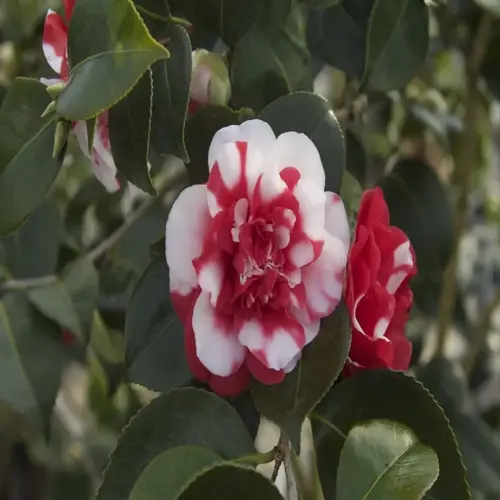

Black tea is one product made from the Camellia sinensis plant, not the plant itself. The link between Camellia sinensis black tea comes down to how you process the leaves after picking. Black tea goes through full oxidation at 85-100%, and that step is what sets it apart from the five other tea types you can make from the same bush.
I watched this process happen during a visit to a tea estate. Fresh leaves came off the bush looking bright green and smelling grassy. Workers spread them out on long racks to wilt for hours. Then they rolled the leaves hard to crack them open. Over the next few hours, those green leaves turned coppery brown right before my eyes. The smell shifted from fresh grass to warm malt and caramel. It felt wild to watch one plant change so much.
The science behind black tea oxidation is simple once you break it down. After the leaves wilt, rolling them breaks open the cell walls inside. This lets enzymes called polyphenol oxidase get to work on the catechins. The enzymes make new compounds from your catechins. These new ones, theaflavins and thearubigins, give black tea its dark color and bold taste. Without this step, you'd have green tea instead.
Black tea dominates the world market. It makes up about 78% of all tea produced each year. A crossover trial with 57 people found that 5 cups of black tea per day for 4 weeks lowered the LDL to HDL ratio and cut total cholesterol. You don't need to drink that much to get some benefit, but the data shows your daily cups do add up over time.
When you look at tea processing types side by side, black tea sits at one end of the scale. Green tea has zero oxidation. Oolong falls in the middle at 8-80%. White tea stays close to zero. Yellow tea and pu-erh each follow their own unique path. All six types start from the same leaf. But your processing choice makes each one taste different and work in your body in its own way.
Assam from India
- Flavor: Full-bodied with a malty sweetness that holds up well when you add milk or sugar to your cup.
- Plant type: Comes from the var. assamica plant, which grows bigger leaves with higher tannin content for bolder taste.
- Best for: Your morning cup when you want a strong start that wakes you up and pairs with breakfast foods.
Darjeeling from India
- Flavor: Light and floral with a muscatel grape note that tea lovers prize above most other black teas.
- Growing region: Comes from high in the Himalayas where cool air and mist give you a more delicate flavor profile.
- Best for: Your afternoon cup when you want something refined that you can enjoy on its own without any add-ins.
Ceylon and Keemun
- Ceylon: Sri Lankan black tea gives you a bright, crisp cup with citrus notes that works great both hot and iced.
- Keemun: This Chinese black tea offers you a smooth, slightly smoky taste with a hint of cocoa in the finish.
- Best for: Trying different regions so you can find the black tea style that fits your personal taste best.
In my experience, most of the best black teas use the assamica variety. This one grows larger leaves with more tannins than the sinensis variety. That extra tannin gives you the bold, rich flavor you expect from a good black tea. The sinensis type works better for green and white teas where you want a lighter cup.
So Camellia sinensis and black tea aren't the same thing. Your black tea is just one of six possible outcomes from processing this one amazing plant. Next time you brew English Breakfast or Earl Grey, know that those leaves could have been green tea. The farmer just chose a different processing path for them.
Read the full article: Camellia Sinensis: The Complete Tea Plant Guide