
Introduction
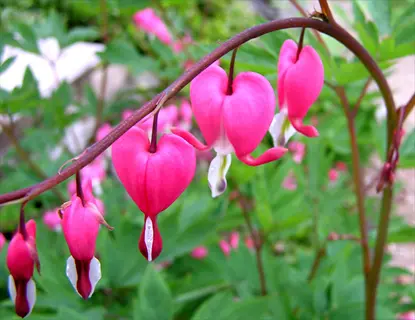
The bleeding heart flower has charmed gardeners since 1846. A plant expedition brought this spring blooming perennial from East Asia to English gardens that year. It grows up to 3 feet tall and 4 feet wide from thick fleshy roots. Each spring it produces arching stems loaded with pink and white heart shaped blooms that last 4 to 6 weeks.
I grew my first bleeding heart over 12 years ago under an old oak tree where nothing else wanted to bloom. That single plant turned into a spring showstopper that greets me with dozens of dangling hearts each April. Think of this shade perennial as a guest that makes a dramatic entrance, steals the show, then slips away until next year.
Most gardeners still call this plant Dicentra. But genetic tests showed it belongs to a separate group. Its new name is Lamprocapnos spectabilis. That name switch happened in 1997 and it still catches people off guard. This guide covers 8 varieties, planting tips, seasonal care, toxicity warnings, and ways to grow new plants.
Whether you want a classic pink display or a gold leaf cultivar, you will find the right bleeding heart for your garden below. Each section shares what I have learned from years of growing these plants in my own shade beds.
8 Bleeding Heart Varieties
Bleeding heart varieties fall into two main groups that behave in different ways. Common types like the classic pink, bleeding heart Alba, and bleeding heart Gold Heart go dormant each summer after blooming. Fringed bleeding heart types and hybrids like King of Hearts keep their leaves and flowers going from spring through fall for you.
Your choice between dormant and non dormant cultivars comes down to spectacle versus steady color. I grow both kinds in my garden and each fills a different role. The bleeding heart Valentine gives you bold red color for a few weeks. My fringed types carry the show all season long for you.
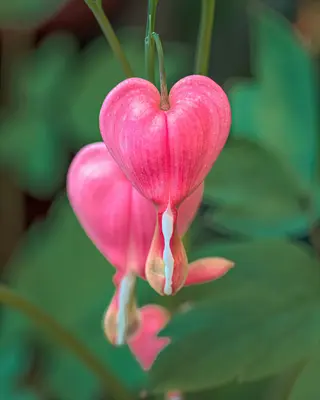
Classic Pink Bleeding Heart
- Botanical Name: Lamprocapnos spectabilis is the original species with arching stems of pink and white heart-shaped flowers that bloom from April through June each spring season.
- Size: Grows 2 to 3 feet (61 to 91 centimeters) tall and up to 4 feet (122 centimeters) wide, forming loose bushy clumps from fleshy brittle roots.
- Bloom Period: Flowers for 4 to 6 weeks in spring before the foliage yellows and the entire plant enters summer dormancy until the following year.
- Best Use: Ideal for cottage gardens, woodland borders, and shaded foundation plantings where its graceful arching habit creates a stunning focal point.
- Growing Conditions: Thrives in partial shade with moist, well-drained soil rich in organic matter across USDA zones 3 through 9.
- Special Feature: Cut stems last up to 2 weeks in a vase, making this one of the best shade perennials for indoor flower arrangements.
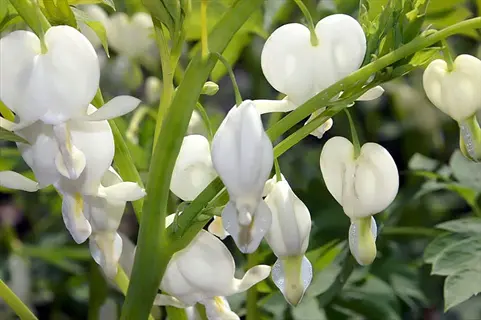
Alba White Bleeding Heart
- Botanical Name: Lamprocapnos spectabilis 'Alba' produces pure white heart-shaped flowers on graceful arching stems with bright green foliage throughout spring.
- Size: Reaches 2 to 3 feet (61 to 91 centimeters) tall with a slightly more compact habit than the pink species form in most garden settings.
- Bloom Period: Flowers at the same time as the pink species, blooming for 4 to 6 weeks in spring before entering summer dormancy.
- Best Use: Perfect for moon gardens, white garden themes, and brightening deeply shaded corners where the white blooms stand out against dark backgrounds.
- Growing Conditions: Same care requirements as the pink species including partial shade and consistent moisture in well-drained humus-rich soil.
- Special Feature: Some observations suggest honey bees may visit white bleeding hearts more frequently than the pink variety, adding pollinator value.
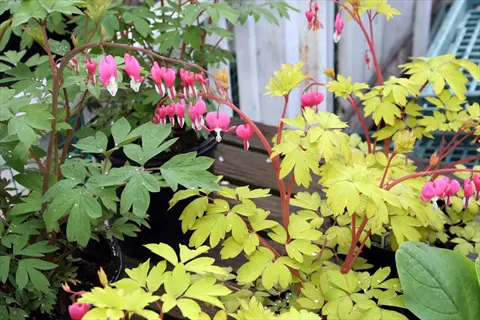
Gold Heart Bleeding Heart
- Botanical Name: Lamprocapnos spectabilis 'Gold Heart' features striking golden-chartreuse foliage that creates a vibrant backdrop for its pink and white flowers.
- Size: Grows 2 to 2.5 feet (61 to 76 centimeters) tall and wide, slightly smaller than the standard species but with much more colorful leaves.
- Bloom Period: Blooms in spring alongside other bleeding heart varieties before going dormant, but the gold foliage provides weeks of additional visual interest.
- Best Use: Excellent for adding foliage contrast in shade gardens where the chartreuse leaves brighten dark areas even before and after the flowers appear.
- Growing Conditions: Needs protection from direct afternoon sun to prevent leaf scorch on the golden foliage, making deeper shade spots preferred.
- Special Feature: The combination of gold leaves and pink flowers makes this variety a standout in garden design and a favorite among plant collectors.
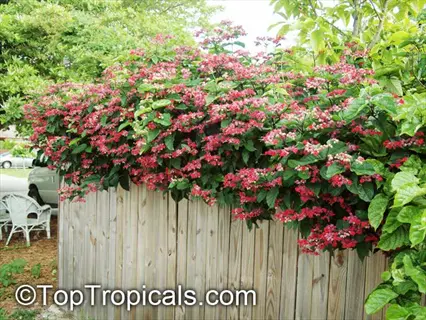
Valentine Bleeding Heart
- Botanical Name: Lamprocapnos spectabilis 'Valentine' features deep cherry-red flowers on dark burgundy stems, creating a dramatic contrast with its dark green foliage.
- Size: Reaches 2 to 2.5 feet (61 to 76 centimeters) tall and wide with a compact, well-branched habit that stays tidy throughout the bloom season.
- Bloom Period: Blooms from mid-spring through early summer with richer red tones than any other bleeding heart cultivar before entering summer dormancy.
- Best Use: Outstanding in romantic garden themes and Valentine's Day forcing projects, as dormant rhizomes can be brought into a cool greenhouse in late winter.
- Growing Conditions: Performs well in partial shade with consistent moisture and benefits from a layer of organic mulch to keep roots cool during warm spells.
- Special Feature: The deepest red color available among bleeding heart cultivars, making Valentine a sought-after variety for gardeners wanting bold spring color.
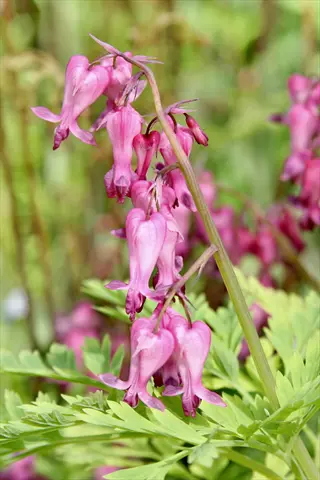
Fringed Bleeding Heart
- Botanical Name: Dicentra eximia is a native North American species with finely divided fern-like foliage and clusters of small pink heart-shaped flowers.
- Size: Grows 12 to 18 inches (30 to 46 centimeters) tall and wide, making it a compact ground-level option for borders and rock garden edges.
- Bloom Period: Unlike common bleeding hearts, fringed types bloom from spring through fall and do not go dormant in summer, providing season-long flowers.
- Best Use: Perfect for gardeners who want continuous bleeding heart blooms without the summer gap, especially in borders where consistent foliage is needed.
- Growing Conditions: Hardy in USDA zones 3 through 8, tolerates slightly more sun than common bleeding hearts and handles heat better in southern regions.
- Special Feature: The non-dormant habit and extended bloom season make this native species ideal for low-maintenance shade gardens that need year-round structure.

King of Hearts Hybrid
- Botanical Name: Dicentra 'King of Hearts' is a hybrid between Dicentra eximia and Dicentra formosa that produces rosy-pink flowers on compact blue-green foliage.
- Size: Stays compact at 10 to 12 inches (25 to 30 centimeters) tall and 12 to 18 inches (30 to 46 centimeters) wide, ideal for small garden spaces.
- Bloom Period: Blooms from spring through fall without entering dormancy, providing months of continuous rosy-pink flowers over attractive ferny foliage.
- Best Use: Excellent as a ground cover, border edging, or container plant where its compact size and long bloom season add continuous color to shaded areas.
- Growing Conditions: Hardy in USDA zones 3 through 9 with good tolerance for a range of soil types as long as moisture remains consistent throughout the season.
- Special Feature: One of the most floriferous hybrid bleeding hearts available, producing more flowers per plant than either of its parent species.
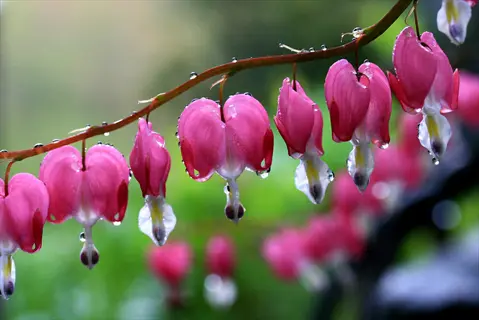
Luxuriant Bleeding Heart
- Botanical Name: Dicentra 'Luxuriant' is a popular hybrid with cherry-red flowers and deeply cut blue-green foliage that stays attractive all season long.
- Size: Reaches 12 to 15 inches (30 to 38 centimeters) tall and 18 to 24 inches (46 to 61 centimeters) wide, forming a dense spreading clump over time.
- Bloom Period: Flowers from late spring through early fall without going dormant, making it one of the longest-blooming shade perennials available to gardeners.
- Best Use: Works well as a ground cover in shaded woodland settings or along pathway edges where its spreading habit fills in gaps between larger perennials.
- Growing Conditions: Adapts to USDA zones 3 through 9 and tolerates more sun than common bleeding hearts when given adequate soil moisture throughout summer.
- Special Feature: The cherry-red flower color combined with non-dormant behavior makes Luxuriant a practical choice for gardeners who want bleeding hearts without the summer gap.
Burning Hearts Hybrid
- Botanical Name: Dicentra 'Burning Hearts' is a striking hybrid featuring bright red flowers with white edges held above silvery blue fern-like foliage.
- Size: Grows 10 to 12 inches (25 to 30 centimeters) tall and 12 to 15 inches (30 to 38 centimeters) wide, maintaining a neat compact mound shape.
- Bloom Period: Blooms from late spring through fall with intermittent flushes of flowers and maintains its attractive silvery foliage throughout the growing season.
- Best Use: A standout accent plant for containers, rock gardens, and border fronts where its unique bicolor flowers and silver foliage draw attention.
- Growing Conditions: Hardy in USDA zones 3 through 9, prefers morning sun with afternoon shade and well-drained soil amended with compost or leaf mold.
- Special Feature: The combination of red and white bicolor flowers against silver-blue foliage makes Burning Hearts one of the most visually distinctive bleeding heart hybrids.
You might spot native relatives like Dutchman's Breeches and Squirrel Corn in the wild. They belong to the same Dicentra family. These wild cousins share the same charming flower shapes but stay much smaller than your garden types.
Planting and Soil Needs
Getting your bleeding heart soil right matters more than most gardeners think. You want to prepare ground like you are building a cozy bed for your plant. That means mixing in plenty of organic matter so the soil stays moist but drains well, like a wrung out sponge that never dries out or stays soggy.
I learned how to plant bleeding heart the hard way when my first one rotted in heavy clay. Now I always dig in 2 to 3 inches of compost before setting any new plant. When to plant bleeding heart depends on your zone, but early spring and early fall both work great if you give the roots time to settle in. Your plants also love partial shade under trees where morning sun filters through the canopy.
Choose the Right Timing
- Spring Planting: Plant bare root bleeding hearts or container-grown transplants in early spring after the last frost when soil temperatures reach about 45 degrees Fahrenheit (7 degrees Celsius).
- Fall Planting: Container plants can also go in the ground during early fall, at least 6 weeks before your first expected frost date to allow root establishment.
- Bare Root Prep: Soak bare root rhizomes in room-temperature water for 1 to 2 hours before planting to rehydrate the fleshy roots and encourage faster establishment.
Select the Best Location
- Light Needs: Choose a spot with partial shade that receives 2 to 4 hours of filtered or morning sunlight, as too much direct afternoon sun causes foliage to scorch and early dormancy.
- Under Deciduous Trees: Planting beneath deciduous trees provides the ideal light pattern: full spring sun before leaf-out, then dappled shade through summer and fall.
- Black Walnut Tolerance: Bleeding hearts are one of the few ornamental perennials that tolerate juglone toxicity, making them a reliable option for gardens near black walnut trees.
Prepare the Soil Properly
- Soil Type: Bleeding hearts perform well in loam, clay, or sandy soils as long as the ground is amended with compost or leaf mold to improve drainage and moisture retention.
- pH Range: Aim for a neutral to slightly alkaline pH between 6.0 and 7.5, which suits this species across its wide native range from northern China to Korea and Japan.
- Drainage Test: Dig a hole 12 inches (30 centimeters) deep, fill with water, and if it drains within 1 to 4 hours the site has acceptable drainage for bleeding hearts.
Plant at the Correct Depth
- Planting Depth: Set bare root rhizomes about 1 inch (2.5 centimeters) below the soil surface with the growing points facing upward and roots spread evenly in the hole.
- Spacing: Allow 24 to 36 inches (61 to 91 centimeters) between plants to give each clump room to reach its mature width of up to 4 feet (122 centimeters).
- Mulching: Apply a 2 to 3 inch (5 to 8 centimeter) layer of organic mulch around the base to conserve moisture, regulate soil temperature, and suppress weed competition.
Water and Establish the Plant
- Initial Watering: Water deeply immediately after planting to settle the soil around the roots and eliminate air pockets that can dry out the delicate fleshy rhizomes.
- Ongoing Moisture: Keep the soil consistently moist but never waterlogged during the first growing season, providing about 1 inch (2.5 centimeters) of water per week.
- Marker Stakes: Place a garden marker at the planting site because the foliage will disappear completely during summer dormancy, helping you avoid accidentally digging the spot.
One bonus tip most guides skip is that bleeding hearts handle well-drained soil near black walnut trees without any trouble. The juglone that kills most perennials does not bother this plant at all. That makes it a rare gem for anyone dealing with walnut trees in their yard.
Seasonal Care and Dormancy
Bleeding heart care changes with each season, and summer dormancy trips up most new growers. Your plant blooms for 4 to 6 weeks each spring and even gives off a mild sweet scent that few guides mention. After those blooms fade, the foliage turns yellow and drops away. This is normal bleeding heart dormancy, not a sign of disease.
Think of summer dormancy as the plant version of a bear storing fat for winter. Your bleeding heart packs all its energy into the roots underground and takes a long rest until next spring. During this time you can stop bleeding heart watering and skip bleeding heart fertilizer at the dormant spot. The table below gives you a full care plan for every season of the year.
One tip most guides miss is that bleeding heart pruning right after flowering can push a second flush of blooms. I cut my plants back hard in late spring and got fresh flowers about 3 weeks later. This trick works best with strong plants that have been growing in the same spot for at least 2 years.
Toxicity and Pet Safety
Every part of the bleeding heart is poisonous and most garden guides skip right over this fact. It holds toxic compounds known as isoquinoline alkaloids in every part of the plant. You will find these poisons in the flowers, leaves, stems, roots, and seeds. These compounds act as a built in defense system. The same chemicals that keep deer and rabbits away can also harm your curious pets and young children.
NC State Extension rates bleeding heart poison at a low severity level, which means it won't cause death in most cases. But you should still take it serious. Bleeding heart toxic to dogs and bleeding heart toxic to cats warnings show up in vet records each spring. Repeated skin contact with the sap can cause contact dermatitis in humans too. Building a pet safe garden means knowing which plants need extra caution.
Toxic Compounds Present
- Alkaloid Type: Bleeding hearts contain isoquinoline alkaloids including protopine and sanguinarine found in all parts of the plant from roots to flowers and seeds.
- Plant Parts Affected: Every part of the bleeding heart is toxic including flowers, fruits, leaves, roots, sap, seeds, and stems with no safe portion for consumption.
- Severity Rating: NC State Extension classifies bleeding heart poison severity as low, meaning exposure is unlikely to cause life-threatening reactions in most cases.
Symptoms of Exposure
- Ingestion Symptoms: Eating any part of the plant may cause trembling, staggering, vomiting, diarrhea, convulsions, and labored breathing in both humans and animals.
- Skin Contact: Repeated handling of bleeding heart sap without gloves can lead to contact dermatitis with redness, itching, and mild blistering on exposed skin.
- Pet Reactions: Dogs and cats may experience drooling, vomiting, and lethargy after chewing on bleeding heart foliage or flowers, requiring veterinary attention.
Safety Precautions for Gardeners
- Wear Gloves: Always use gardening gloves when handling, pruning, dividing, or transplanting bleeding hearts to prevent skin contact with the irritating sap.
- Wash Hands: After any garden work near bleeding hearts, wash hands thoroughly with soap and water even if gloves were worn as a precautionary measure.
- Tool Cleaning: Clean pruning shears and garden tools after cutting bleeding heart stems to avoid transferring sap to other plants or surfaces in the garden.
Protecting Pets and Children
- Garden Placement: Plant bleeding hearts in areas where pets and young children do not have unsupervised access, such as raised beds or fenced garden sections.
- Natural Deterrent: The bitter taste of the alkaloids typically discourages animals from eating large quantities, but curious puppies and kittens may still investigate.
- Emergency Response: If a pet or child ingests bleeding heart plant material, contact your veterinarian or poison control center immediately with details about the amount consumed.
I keep my bleeding hearts in a raised bed that my dogs can't reach. That simple step gave me peace of mind without giving up one of my favorite spring plants. If you have pets, you can still grow a bleeding heart poisonous plant as long as you plan your garden layout with care.
Pollinators and Wildlife
Your bleeding heart does more for your garden than just look pretty. It serves as a key spring nectar source for bees, butterflies, and hummingbirds that emerge hungry after winter. I watch bumblebees work my bleeding hearts every April and it never gets old. The flower acts like a puzzle box where only bees strong enough to pry apart the outer petals can reach the nectar inside.
Your bleeding heart pollinators are honey bees, bumblebees, and spring butterflies. If you want to build a hummingbird garden or butterfly garden, this plant gives you a head start. The pink and red flowers draw in hummingbirds during their spring travels north. You get beauty and ecological value from the same plant.
Those same toxic alkaloids make this a deer resistant perennial and rabbit resistant plant. I tested this in my own yard where deer eat almost everything. My bleeding hearts stayed untouched for 5 straight years while the hostas next to them got chewed to stubs every summer.
Propagation Methods
Bleeding heart propagation gives you free plants from the ones you already grow. The 3 main methods are bleeding heart division, growing bleeding heart from seed, and root cuttings. I have tried all 3 over the years and division is by far the fastest way to get blooming plants in one season.
If you want to know how to divide bleeding heart plants, the process is simple. Lift the clump every 2 to 3 years and split it with a sharp shovel. Cold stratification is the key to growing from seed. This method mimics the natural winter freeze and thaw cycle that seeds go through on the forest floor before they sprout in spring.
Division in Spring or Fall
- When to Divide: Divide bleeding heart clumps every 2 to 3 years in early spring when shoots first appear or in early fall at least 6 weeks before the first expected frost.
- How to Divide: Use a sharp shovel or garden knife to lift the entire root mass, then separate it into sections with at least 2 to 3 growing points and healthy roots.
- Replanting: Set divided sections at the same depth as the original plant, water deeply, and apply mulch to keep roots cool and moist during the establishment period.
Growing from Seed
- Seed Collection: Harvest seeds from the oblong capsules (25 to 35 millimeters long) after they turn brown and begin to split open, revealing 2 to 8 black rounded seeds inside.
- Cold Stratification: Place fresh seeds in a sealed bag with damp sand or peat moss and refrigerate at 40 degrees Fahrenheit (4 degrees Celsius) for 6 to 8 weeks to break dormancy.
- Timeline to Bloom: Seedlings grown from stratified seed take 2 to 3 years to reach flowering size if left undisturbed, with transplanting potentially adding another year.
Root Cuttings
- Best Season: Take root cuttings in late fall or early winter when the plant is dormant and energy is stored in the thick fleshy rhizomes below ground.
- Cutting Size: Select healthy root sections about 3 to 4 inches (8 to 10 centimeters) long with visible growth buds and plant them horizontally in moist potting mix.
- Success Rate: Root cuttings generally have a higher success rate than seed propagation and produce blooming plants within 1 to 2 years under proper growing conditions.
Self-Seeding Management
- Natural Spread: Bleeding hearts self-seed modestly in favorable conditions but are not considered invasive or aggressive by any university extension source.
- Encouraging Seeds: Leave spent flower stems in place through summer to allow seed capsules to mature and drop naturally around the parent plant for new growth.
- Controlling Spread: Deadhead flowers before seed capsules form if you want to prevent self-seeding in formal garden areas or containers where space is limited.
Self-seeding happens on its own if you leave the spent flower stems alone. I let a few seed pods drop each year and new plants pop up 12 to 18 inches from the parent. Just keep in mind that self seeded plants need 2 to 3 years before they bloom for you.
5 Common Myths
Bleeding hearts need full shade and cannot tolerate any direct sunlight at all during the growing season.
Bleeding hearts actually prefer partial shade with some morning sun and perform best with 2 to 4 hours of filtered light daily.
When a bleeding heart goes dormant in summer it means the plant has died and will not grow back.
Summer dormancy is a natural survival response where the plant stores energy in its rhizomes underground and reliably returns each spring.
Bleeding hearts are invasive plants that will take over your entire garden if left unmanaged.
Bleeding hearts spread slowly via rhizomes or occasional self-seeding but are not considered aggressive or invasive by any extension service.
You should never divide a bleeding heart because the roots are too fragile and the plant will not survive.
Division every 2 to 3 years in early spring or fall is actually recommended to maintain plant vigor and produce new plants.
Bleeding hearts are completely safe to handle without gloves because the toxicity only affects animals not humans.
Repeated skin contact with bleeding heart sap can cause contact dermatitis in humans, so wearing gloves during handling is advised.
Conclusion
The bleeding heart flower has earned its place in cottage garden beds since 1846 and it still deserves a spot in yours today. Your main choices come down to picking between dormant types for a bold spring show and non dormant hybrids for season long color. Either way, this shade perennial rewards you with weeks of those iconic heart shaped blooms.
Think of a well placed bleeding heart as a seasonal bookmark in your garden. It marks the start of spring with 4 to 6 weeks of bright flowers, then passes the spotlight to companion plants for the rest of the year. Smart bleeding heart care means planning ahead for that summer gap by planting hostas or ferns nearby to fill the empty space.
Keep in mind that all parts of this plant are toxic, so wear gloves when you handle it. I learned that lesson after getting a rash from bare hand pruning one spring. If you have pets or small children, plant your bleeding hearts in areas with limited access. These simple steps let you enjoy the flowers without any safety worries.
Shade gardens that feed pollinators are gaining steam, and bleeding hearts fit right in. Whether you pick the classic pink, a gold leaf form, or a compact fringed type, you add real value to your yard. I have grown these plants for over a decade now. They still surprise me each spring with how much beauty they pack into a few short weeks.
External Sources
Frequently Asked Questions
What happens when you touch a bleeding heart flower?
Repeated skin contact with bleeding heart sap can cause contact dermatitis, resulting in redness, itching, and mild irritation due to isoquinoline alkaloids present in all parts of the plant.
What do bleeding hearts flowers symbolize?
Bleeding heart flowers symbolize deep emotional love, compassion, and sometimes rejected or unrequited love in the Victorian language of flowers.
Where is the best place to plant a bleeding heart?
The best place to plant a bleeding heart is in partial shade with moist, well-drained soil rich in organic matter, such as under deciduous trees.
Do bleeding heart flowers come back every year?
Yes, bleeding hearts are herbaceous perennials that go dormant in summer and return each spring in USDA zones 3 through 9.
How poisonous are bleeding hearts?
Bleeding hearts have low poison severity but all plant parts contain isoquinoline alkaloids that can cause vomiting, diarrhea, and skin irritation.
What flower is called the poor man's rose?
The impatiens (Impatiens walleriana) is commonly called the poor man's rose due to its rose-like blooms and ease of growing in shade gardens.
What flower means "I still love you"?
The bleeding heart flower is most closely associated with the meaning 'I still love you' because of its connection to undying love and devotion.
What month does bleeding heart flower?
Bleeding hearts typically flower from April through June, blooming for 4 to 6 weeks depending on climate and growing conditions.
What plant blooms once every 25 years?
The agave plant, often called the century plant, is known for blooming only once in its lifetime, sometimes after 10 to 25 years or more.
Can bleeding hearts grow in pots?
Yes, bleeding hearts grow well in pots using well-drained potting mix in containers at least 12 inches (30 centimeters) deep with consistent moisture.