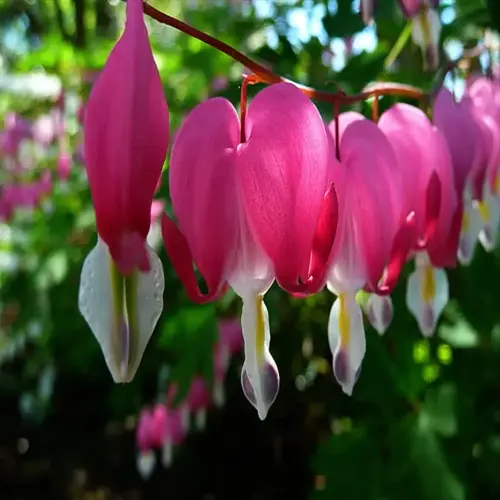

Yes, bleeding hearts poisonous compounds are found in every part of the plant. NC State Extension rates the poison severity as low. But low severity doesn't mean harmless at all. The flowers, leaves, stems, roots, and sap all carry toxic alkaloids. These can make you or your pets sick if eaten or handled with bare hands.
I grow three large bleeding heart clumps in a yard I share with two dogs. My younger dog loved to sniff and mouth the flowers during garden walks. Bleeding heart toxic to dogs warnings showed up on every source I checked. So I moved the plants into raised beds with low fencing around them. This keeps the dogs out while I still enjoy my favorite spring blooms. In my experience, a simple barrier solves the pet safety problem fast.
Two compounds do most of the harm: sanguinarine and protopine. You'll find them in many wild plant species as well. They attack the nervous system when a pet or person eats enough of the plant. Dogs and cats may tremble, stagger, drool, and vomit. Labored breathing can follow in more serious cases. Humans who eat the plant may feel nausea and stomach pain. Most animals spit the plant out fast because it tastes very bitter. That bitter flavor is your pet's best natural defense against eating a harmful amount.
NC State Extension lists all plant parts as toxic. That covers flowers, fruits, leaves, roots, sap, seeds, and stems. There is no safe portion to eat at all. The sap alone causes contact rashes on bare skin. Cats react more to these toxins than dogs do. Bleeding heart toxic to cats warnings matter if you grow these plants indoors or on open patios. Even a few chewed leaves can make your cat vomit and act sluggish for hours.
Watch your pets when they roam near bleeding hearts in your yard. If you think your dog or cat ate any part of the plant, call your vet right away. Don't wait for symptoms to show up since early treatment helps the most. Bring a piece of the plant with you so the vet can confirm what your pet ate. Write down when you think the pet ate the plant and how much they got. Quick action gives your pet the best chance at a full recovery with no lasting harm done.
Children need protection from these plants as well. Teach your kids not to pick or eat any flowers in the garden without asking you first. The bright pink blooms look tempting to small hands. Place bleeding hearts in beds that toddlers can't reach on their own. If your child touches the sap, wash their skin with soap and water right away. A brief touch on intact leaves won't cause harm, but crushed stems and broken leaves release the sap that irritates skin.
You can also grow fringed bleeding hearts in hanging baskets or raised planters well above pet and toddler reach. These compact types make the same pretty flowers in a smaller size. Clean up fallen petals and clippings during the growing season. Dried parts stay toxic too, so don't leave them on the ground. I sweep my patio every few days during bloom time to keep things clean. With smart placement and a little planning, you get to keep your bleeding hearts and your pets stay safe at the same time. The extra effort is small compared to the peace of mind you gain.
Read the full article: Bleeding Heart Plant Care and Growing Guide