
Introduction
You walk out to your rose garden after a week of rain and spot dark circles on the lower leaves. Those ugly marks are black spot roses, and they mean trouble. The fungus Diplocarpon rosae causes this disease and attacks millions of gardens each year. It can strip a healthy bush bare if you don't catch it fast.
I've been growing roses for over 15 years and black spot still catches me off guard some springs. The disease needs a specific setup to take hold. Spores must sit on wet leaves for at least 7 straight hours at temperatures between 65 and 75°F to germinate. That means a cool rainy stretch in spring creates the perfect storm for this rose fungal disease to explode across your garden.
Think of black spot like a cold spreading through a classroom. One infected bush sends spores to its neighbors through splashing rain and morning dew. Before you know it, every rose in the bed shows black spot symptoms like dark circles, yellow halos, and leaves dropping to the ground. The good news is that you can fight back with the right plan.
This guide shows you how to spot the disease early and which treatments work best. You'll learn how to pick resistant varieties that shrug off the fungus without sprays. A season by season prevention plan built from university research will help your roses stay clean and full of blooms.
Black Spot Symptoms
I almost lost a whole bed of hybrid teas because I missed the early signs of black spot on roses one spring. The first marks show up on the lowest leaves closest to the ground. You'll see dark brown or black circles about half an inch wide with edges that look like ink dropped on wet paper. Those fuzzy, feathery margins set black spot apart from other rose diseases with clean sharp borders.
Each spot grows a yellow halo around it within days. The yellowing leaves then drop off the bush and land on the soil below. This leaf drop starts at the bottom and moves upward through the plant over time. A bad case can strip more than half the leaves off a rose bush in just a few weeks, leaving bare canes exposed to sun and stress.
The fungus also creates stem lesions that look like raised purple blotches on green canes. These lesions are the real danger because the fungus hides inside them all winter. Fruiting structures called acervuli form within 2 weeks of the first infection. They pump out fresh spores that splash onto new leaves. Each spore lives for about a month, but the stem lesions keep making more.
Different strains of the black spot fungus can produce spots that vary in size and darkness. Hybrid tea roses get hit hardest, and yellow or orange varieties seem to attract the worst defoliation. The table below helps you tell black spot apart from diseases that look similar but need different treatments.
Fungicide Treatment Options
Choosing the right black spot treatment starts with knowing the 2 main types of rose fungicide. Contact fungicides work like a raincoat. They sit on the leaf surface and kill spores before they break through. A systemic fungicide acts more like medicine that the plant absorbs from inside the leaf tissue.
I use both types in my garden and switch between them every 7 to 14 days starting at bud break. You should alternate at least 2 different active ingredients each time you spray. This stops the fungus from building resistance to your products. I've seen gardeners stick with one spray all season and wonder why it stops working by July.
Contact options like chlorothalonil and copper work best before the fungus takes hold. Systemic sprays with myclobutanil fight spots that already showed up. One tip most guides skip is about your rose leaves. They have a waxy coating that makes spray bead up and roll off. Add a spreader to your fungicide for roses so it sticks to the leaf surface.
Organic and Natural Remedies
Not every gardener wants to reach for a chemical spray, and I get that. Organic treatment for black spot works well when you start early and stay consistent. Think of natural black spot remedies like a daily vitamin for your roses. They build protection over time but won't cure a serious infection overnight the way a prescription drug would.
I've tested neem oil black spot sprays, baking soda roses mixes, and copper-based sprays side by side in my garden. I also tried horticultural oil on its own and mixed with other products. Each one has strengths and weak points. The list below breaks down how each remedy works and when to use it.
Neem Oil Spray
- How it works: Neem oil disrupts fungal cell membranes on contact and provides a thin protective coating on leaf surfaces that prevents spore germination for up to 7 days.
- Application: Mix according to product label, typically 2 tablespoons per gallon (3.8 liters) of water. Apply every 7 to 10 days during wet weather, coating both upper and lower leaf surfaces.
- Effectiveness: University extensions list neem oil as an approved organic option with moderate effectiveness. Works best as a preventive before infection takes hold rather than a cure for existing spots.
Baking Soda Formula
- How it works: Sodium bicarbonate raises the pH on the leaf surface, creating conditions unfavorable for black spot spore germination. Does not cure existing infections.
- Application: Mix 1 tablespoon of baking soda per gallon (3.8 liters) of water with 2.5 tablespoons of horticultural oil. Spray weekly before rain events on dry foliage.
- Effectiveness: The Cornell University formula is widely referenced but has limited peer-reviewed support. Home gardeners report mixed results, and excessive use can build up salts on leaves.
Copper-Based Fungicides
- How it works: Copper ions are toxic to fungal spores on contact. Approved for organic gardening when OMRI-listed, copper provides broad-spectrum protection against multiple fungal diseases.
- Application: Follow product label rates carefully. Apply every 7 to 14 days. WSU Extension warns that copper fungicides may cause discoloration of foliage or blooms on sensitive varieties.
- Effectiveness: University extensions rate copper-based products as highly effective preventives. They are approved organic options but can accumulate in soil with repeated use over many seasons.
Horticultural Oil Spray
- How it works: Mineral-based horticultural oil smothers fungal spores and blocks light needed for spore development. Often combined with other organic treatments for improved results.
- Application: Mix 2 to 3 tablespoons per gallon (3.8 liters) of water. Apply during cooler morning hours and avoid spraying when temperatures exceed 90°F (32°C) to prevent leaf burn.
- Effectiveness: WSU Extension lists horticultural oil as an approved organic option. It works best when paired with baking soda or copper, and provides a physical barrier that helps other treatments stick to waxy rose leaves.
My best results came from pairing neem oil with copper-based sprays on a rotating schedule. Start your organic treatment before you see any spots and keep spraying every 7 to 10 days through the wet season. Once black spot takes hold, organic options can slow it down but won't erase the spots already on the leaves.
Resistant Rose Varieties
Your best defense against black spot is planting disease resistant roses that fight the fungus on their own. The Texas A&M Earth-Kind roses program put dozens of varieties to the test. They used no sprays, no fertilizers, and no extra water. Nine cultivars came through with zero black spot across all 3 fungal races. Knockout roses lead the pack with over 150 million plants sold in 20 years.
Resistance works like different locks on a door. Each rose carries genes called Rdr1, Rdr2, or Rdr3 that block a specific race of the fungus. A new race acts like a burglar with a different key. That's why Blushing Knock Out, a sport of the original, still gets hit by Race 8 even though the parent plant shrugs it off. Black spot resistant roses give you a huge head start, but no single variety blocks every strain out there.
If you grow hybrid teas, expect more trouble since yellow and orange types are the most prone. I switched half my garden to shrub roses resistant to black spot and Rosa rugosa hybrids 5 years ago. The Earth-Kind selections below give you far less work and far more blooms without a spray schedule.

Knock Out Rose
- Resistance: Tested resistant to all three known black spot races (Race 3, Race 8, Race 9) in the Texas A&M Earth-Kind trials conducted without pesticides, fertilizers, or supplemental irrigation.
- Growth habit: Compact shrub rose reaching 3 to 4 feet (0.9 to 1.2 meters) tall and wide, with continuous blooming from spring through first frost in most growing zones.
- Care level: Extremely low maintenance and self-cleaning, meaning spent blooms drop on their own without deadheading. Thrives in full sun with minimal supplemental watering once established.
- Flower color: Cherry red single blooms with a mild fragrance. Also available in pink, double red, and rainbow variations through the Knock Out family lineup.
- Popularity: The best-selling rose in North America with over 150 million plants sold in 20 years, driven primarily by its outstanding black spot resistance.
- Growing zones: Hardy in USDA zones 5 through 9. Tolerates heat, humidity, and cold better than most hybrid teas, making it a reliable choice for nearly every region.
Home Run Rose
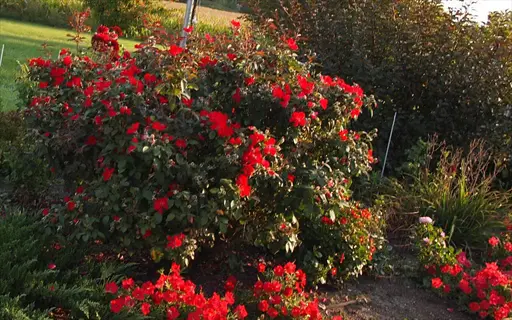
- Resistance: Showed resistance to all three tested black spot races in Earth-Kind trials, matching the performance of the original Knock Out in disease-free field conditions.
- Growth habit: Compact shrub reaching 3 to 4 feet (0.9 to 1.2 meters) tall with a rounded shape. Produces abundant single blooms in large clusters throughout the season.
- Care level: Bred specifically for disease resistance and low maintenance. Requires no spraying and minimal pruning beyond shaping in early spring before new growth begins.
- Flower color: Vibrant red single flowers with five petals that attract pollinators. Blooms emerge continuously from late spring through fall with consistent color that does not fade.
- Breeding: Developed by Will Radler, the same breeder behind Knock Out, as an improvement combining black spot resistance with enhanced cold hardiness for northern gardens.
- Growing zones: Hardy in USDA zones 4 through 9, with slightly better cold tolerance than Knock Out making it suitable for upper Midwest and northern plains regions.
Carefree Delight
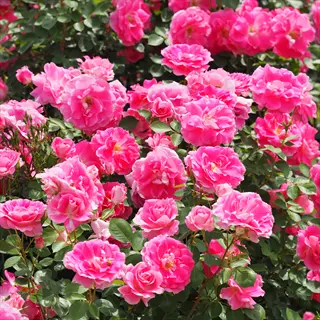
- Resistance: Named by UW Extension as a standout resistant cultivar (Rosa Meipotal), tested through Earth-Kind trials and rated resistant to multiple black spot races under field conditions.
- Growth habit: Spreading shrub rose reaching 3 to 5 feet (0.9 to 1.5 meters) tall with arching canes that create a graceful cascading form in the landscape and mixed borders.
- Care level: True to its name, this cultivar requires almost no intervention once established. Performs well without fungicide sprays and tolerates poor soil conditions better than most garden roses.
- Flower color: Soft pink single flowers with a white eye and prominent yellow stamens. Produces large clusters of blooms followed by attractive orange-red hips in fall and winter.
- Awards: Received the All-America Rose Selections award and has been consistently recommended by university extension services across the United States for disease-resistant landscape plantings.
- Growing zones: Hardy in USDA zones 4 through 9 with excellent heat tolerance. Performs particularly well in humid southeastern climates where black spot pressure is highest during spring.
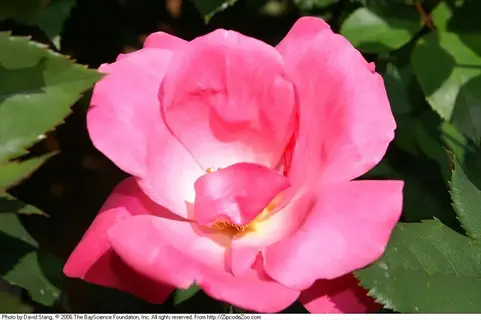
Pink Knock Out
- Resistance: Tested resistant to all three known black spot races in the Earth-Kind evaluation program, carrying the same Rdr resistance gene profile as the original Knock Out rose.
- Growth habit: Upright shrub reaching 3 to 4 feet (0.9 to 1.2 meters) tall and wide. Self-cleaning blooms mean minimal maintenance and a tidy appearance throughout the growing season.
- Care level: Requires no fungicide applications and thrives with basic care including full sun exposure, occasional deep watering during drought, and one annual pruning in late winter.
- Flower color: Hot pink single blooms that are slightly deeper in color than many other pink shrub roses, creating a bold contrast against dark green glossy disease-free foliage.
- Landscape use: Works well as a hedge, mass planting, or foundation shrub. The continuous bloom cycle provides season-long color without the maintenance demands of hybrid tea roses.
- Growing zones: Hardy in USDA zones 5 through 9 with proven performance in both northern cold and southern heat, making it adaptable across most of the continental United States.
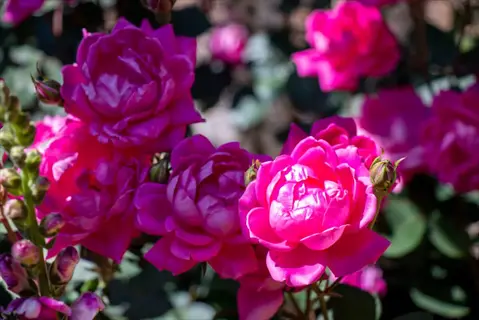
Rainbow Knock Out
- Resistance: Confirmed resistant to all three tested black spot races in Earth-Kind trials. Maintains clean foliage throughout the season even in high-humidity regions without any chemical treatment.
- Growth habit: Compact mounding shrub reaching 3 to 4 feet (0.9 to 1.2 meters) in height and spread. Dense branching habit creates a full appearance that works well in containers.
- Care level: Very low maintenance like all Knock Out family members. Tolerates light shade but produces the most flowers and maintains best disease resistance when planted in full sun.
- Flower color: Unique coral pink single blooms with a yellow center that shift in color intensity depending on temperature, giving each flush of flowers a slightly different multicolor appearance.
- Special feature: The color-changing blooms make this variety a standout in the garden, offering visual interest that single-color cultivars cannot match while keeping the same bulletproof resistance.
- Growing zones: Hardy in USDA zones 5 through 9. Performs well in mixed borders and pollinator gardens where its continuous bloom cycle provides a reliable nectar source for bees.
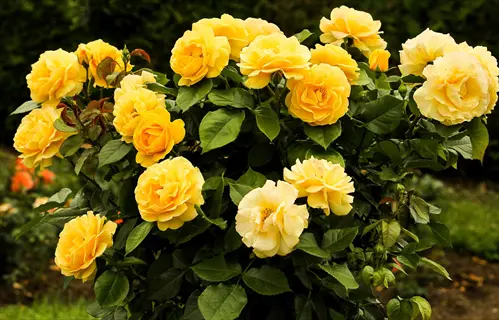
Brite Eyes Rose
- Resistance: One of nine cultivars proven resistant to all three known black spot races in the peer-reviewed 2010 HortScience study evaluating Earth-Kind program rose selections.
- Growth habit: Medium-sized shrub reaching 3 to 5 feet (0.9 to 1.5 meters) tall with a rounded bushy form. Produces flowers in clusters with repeat blooming cycles throughout the growing season.
- Care level: Designed for low-input gardening. The Earth-Kind program tested this variety without fertilizers, pesticides, or supplemental irrigation, and it still performed excellently in field conditions.
- Flower color: Bright yellow single blooms with a pink blush that deepens as the flower matures, creating an eye-catching two-tone effect that stands out among yellow rose varieties.
- Significance: Yellow roses are traditionally the most susceptible to black spot according to MSU Extension, making Brite Eyes an important breakthrough for gardeners who love yellow roses.
- Growing zones: Hardy in USDA zones 5 through 9. Particularly valuable in warm humid climates where yellow hybrid tea roses would typically suffer severe black spot defoliation every season.
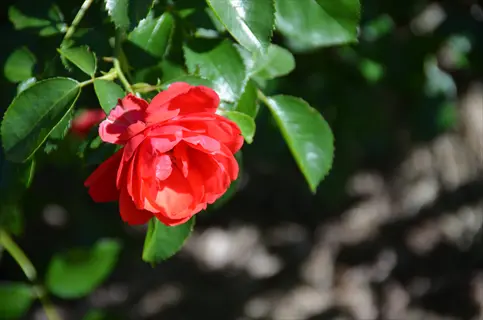
Paprika Rose
- Resistance: Demonstrated resistance to all three tested black spot races in the Earth-Kind trials, putting it among the top tier of disease-resistant garden roses available to home gardeners.
- Growth habit: Vigorous spreading groundcover rose reaching 2 to 3 feet (0.6 to 0.9 meters) tall with canes that arch and spread to 5 feet (1.5 meters) wide in mature specimens.
- Care level: Excellent groundcover rose that suppresses weeds once established. Requires no fungicide sprays and minimal pruning, just a trim in early spring to shape and remove winter damage.
- Flower color: Semi-double flowers in a warm red-orange paprika color that bloom in large clusters. The color holds well in heat and does not fade to pink like many red roses do.
- Landscape use: Ideal for slopes, banks, and areas where a low-spreading rose is needed. The dense growth habit and continuous blooming make it a functional and ornamental groundcover plant.
- Growing zones: Hardy in USDA zones 4 through 9 with good cold tolerance. The groundcover habit helps it survive harsh winters by staying close to the ground where snow provides insulation.
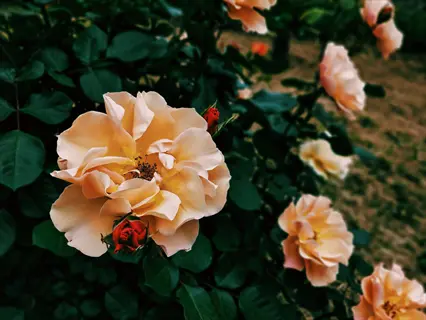
Peachy Cream Rose
- Resistance: Proven resistant to all three known black spot races in Earth-Kind field evaluations, providing gardeners with a soft-colored alternative to the red and pink resistant cultivars.
- Growth habit: Medium shrub rose reaching 3 to 4 feet (0.9 to 1.2 meters) tall and wide with upright branching. Produces clusters of blooms on new wood throughout the growing season.
- Care level: Fits the Earth-Kind low-maintenance profile perfectly. Tested without chemical inputs and maintained healthy foliage, making it ideal for gardeners who prefer not to spray fungicides.
- Flower color: Soft peach to cream colored semi-double blooms that open flat to reveal golden stamens. The pastel tones work beautifully in cottage garden designs and mixed perennial borders.
- Versatility: One of the few pastel-colored roses with proven multi-race black spot resistance, filling a gap for gardeners who want soft colors without the disease problems of hybrid teas.
- Growing zones: Hardy in USDA zones 5 through 9. The neutral color palette blends with almost any garden design style from modern to traditional English cottage garden plantings.
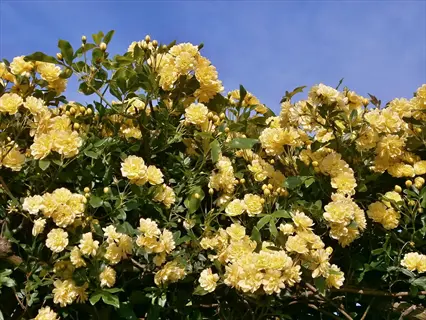
Yellow Submarine Rose
- Resistance: Confirmed resistant to all three tested black spot races in the 2010 HortScience Earth-Kind evaluation, making it one of the rare fully resistant yellow-flowering garden roses.
- Growth habit: Compact shrub rose reaching 2 to 3 feet (0.6 to 0.9 meters) tall with a dense rounded form. The smaller size makes it excellent for containers, small gardens, and border edging.
- Care level: Requires no fungicide treatment to maintain clean disease-free foliage. Like all Earth-Kind selections, it was trialed under challenging conditions without supplemental chemicals or extra watering.
- Flower color: Bright cheerful yellow semi-double blooms that hold their color well without fading. The compact plant size means flowers are displayed at close range for maximum visual impact.
- Special note: Yellow roses are typically the most prone to black spot according to MSU Extension research, making Yellow Submarine a standout exception that defies the color-susceptibility pattern.
- Growing zones: Hardy in USDA zones 5 through 9. The compact size and disease resistance make it particularly popular with container gardeners and those with limited outdoor growing space.
Seasonal Prevention Calendar
You can prevent black spot on roses if you follow a plan for each season of the year. Think of rose care black spot prevention like a sports training schedule. What you do in the off season sets you up for success when game time comes in spring. I built this calendar from years of trial and error in my own rose beds. Research from 4 university extension programs backs up what I found.
Good sanitation roses practices in winter and fall make your spring and summer spraying much easier. A dormant spray on bare canes, morning watering at the base, and a solid fall cleanup routine will cut your black spot problems in half. Follow this season by season plan and your roses will stay healthier with less effort each year.
Late Winter (Dormant Season)
- Pruning: Cut back all canes showing dark lesions or cankers to healthy white pith at least 1 inch (2.5 centimeters) below any visible infection. Disinfect pruning shears for 30 seconds in 70% rubbing alcohol or 10% bleach solution between each cut.
- Cleanup: Remove every fallen leaf and piece of debris from the base of each rose bush. Stem lesions and fallen leaf litter are the primary source of overwintering spores according to the University of Maryland Extension.
- Dormant spray: Apply a dormant spray of lime sulfur or horticultural oil to bare canes before new growth begins to kill fungal spores resting on stem surfaces.
Spring (Bud Break to Early Bloom)
- Start fungicide program: Begin preventive fungicide applications at bud break when new leaves are most vulnerable. The University of Wisconsin Extension recommends spraying every 7 to 14 days during this critical window.
- Monitor weather: Watch for stretches where temperatures stay between 65 and 75°F (18 and 24°C) with overnight leaf wetness lasting 7 or more hours. These are prime infection conditions according to UMaine Extension.
- Watering technique: Water in the early morning at the base of each plant using drip irrigation or a soaker hose to keep foliage dry and reduce the continuous moisture period that spores need.
Summer (Peak Growing Season)
- Heat advantage: Temperatures at or above 85°F (29°C) inhibit black spot development according to the University of Maine Extension. You can reduce or pause fungicide applications during sustained hot dry weather.
- Ongoing monitoring: Check lower leaves weekly for the first signs of dark spots with feathery edges. Remove and dispose of any infected leaves immediately rather than composting them.
- Air circulation: Thin dense canes and remove crossing branches during summer to improve airflow through the canopy. Good air circulation helps foliage dry faster after rain or morning dew.
Fall (Season Wrap-Up)
- Final cleanup: Rake and bag every fallen rose leaf before winter. Do not compost infected material because the fungus survives in leaf debris and will release fresh spores the following spring.
- Last fungicide application: Apply a final fungicide spray after the last bloom cycle and before the plant goes dormant to reduce the fungal spore load that overwinters on remaining stem tissue.
- Mulch renewal: Replace old mulch around the base of each rose bush with a fresh 2 to 3 inch (5 to 7.6 centimeter) layer to bury any remaining spore-carrying debris and create a clean barrier for spring.
Safety and Pollinator Protection
Spraying your roses for black spot should never come at the cost of the bees and butterflies that visit your garden. Rose fungicide safety means thinking about more than just your plants. I treat pollinator safety roses as a top concern every time I mix up a batch of spray. Think of timing your sprays like scheduling loud home work around your neighbors' quiet hours. You plan around the bees so you protect pollinators while still treating the disease.
Eco-friendly rose care is easier than most people think. You just need a few rules about when you spray and what gear you wear. The list below has your pesticide safety garden basics. It also has organic gardening rose care tips that keep your yard safe.
Protect Bees and Pollinators
- Spray timing: Apply fungicides in the early morning before bees become active or in the late evening after they return to their hives. Avoid spraying while flowers are open and pollinators are foraging.
- Product choice: Choose OMRI-listed organic fungicides like neem oil, horticultural oil, or Bacillus amyloliquifaciens strain D747 when possible, as these have lower toxicity profiles for beneficial insects.
- Avoid blooms: Direct spray away from open flowers and toward foliage only. Black spot affects leaves, not petals, so there is no reason to coat blooms with fungicide product.
Personal Protective Equipment
- Minimum protection: Wear chemical-resistant gloves, long sleeves, long pants, and closed-toe shoes when mixing and applying any fungicide product, including organic options like copper and sulfur.
- Eye and lung protection: Use safety goggles and a dust or mist respirator when spraying. Copper and sulfur products in particular can irritate your eyes and respiratory passages.
- After spraying: Wash your hands and face well before eating or drinking. Wash your work clothes apart from your regular household laundry.
Children and Pet Safety
- Drying time: Keep children and pets away from treated rose bushes until the spray has dried in full. This takes about 2 to 4 hours based on the weather and your product.
- Storage: Store all fungicide products in their original labeled containers in a locked cabinet or high shelf away from food, beverages, and areas accessible to children or animals.
- Disposal: Never pour leftover fungicide solution into storm drains, ditches, or waterways. Follow the product label instructions for proper disposal or use remaining mixed solution on labeled plants.
Environmental Best Practices
- Soil health: Repeated copper fungicide applications can cause copper to build up in soil over many years and harm soil organisms. Rotate copper with other active ingredients to reduce buildup.
- Water protection: Avoid spraying near ponds, streams, or rain gutters. Apply only when wind speeds are below 10 miles per hour (16 kilometers per hour) to prevent drift to non-target areas.
- Read the label: Oregon State Extension stresses that the product label is the law. Follow label rates, timing, and restrictions as printed for both safety and effectiveness.
5 Common Myths
Black spot fungus lives in the soil and infects roses through the roots during spring and summer growing season.
Black spot spores do not survive in soil. The fungus overwinters in stem lesions and fallen leaf debris on the ground surface, spreading via splashing water.
If you buy a black spot resistant rose variety, the plant will never develop any spots on its leaves at all.
Resistance is race-specific. A rose resistant to one strain of Diplocarpon rosae may still be susceptible to different races found in other regions.
Spraying fungicide once after you see black spots on leaves will cure the infection and stop it from spreading further.
Fungicides work best as preventives applied every 7 to 14 days starting at bud break. Once spots appear, those infected leaves cannot be cured.
Hot and humid summer weather is the worst time for black spot because the fungus thrives in heat above 85F (29C).
Temperatures at or above 85F (29C) actually inhibit black spot development. The fungus spreads fastest between 65 and 75F (18-24C).
You should spray roses for black spot every single day during the growing season to keep them completely free of the disease.
University research recommends spraying every 7 to 14 days, alternating at least two active ingredients. Daily spraying wastes product and increases resistance risk.
Conclusion
Black spot roses don't have to ruin your garden every year. I spent years fighting this disease before I learned the facts that turned things around. The fungus needs 7 hours of wet leaves at 65 to 75°F to take hold. That one fact changes how you water, when you spray, and where you plant. Rose disease prevention starts with keeping those leaves dry.
Your best plan ties together 3 key steps from this guide. First, pick resistant rose varieties like the Knock Out family or other Earth-Kind selections. Second, follow the seasonal calendar to spray at the right times and clean up in fall. Third, choose a treatment that fits your comfort zone with chemical or organic sprays.
Take a look at your own garden before you start. Think about your local humidity, the types of roses you grow, and how much sun your beds get. A gardener in the humid Southeast needs a different plan than someone in the dry Southwest. Rose garden maintenance that fits your climate will always beat a plan copied from a book.
The Earth-Kind program showed that roses can thrive with zero sprays when you pick the right plants. Whether you go all organic or use a mix of products, the key is consistency and good timing. Your roses deserve better than black spot, and now you have the tools to give them a fighting chance.
External Sources
Frequently Asked Questions
How do you treat black spot on roses?
Remove infected leaves, improve air circulation, and apply a fungicide containing chlorothalonil, myclobutanil, or neem oil every 7 to 14 days starting at bud break.
Will a rose recover from a black spot?
Yes, most roses recover from black spot if you remove infected foliage, apply fungicide, and support the plant with proper watering and fertilization through the growing season.
Does baking soda stop black spots on roses?
Baking soda mixed with water and horticultural oil can help prevent new black spot infections, but it does not cure existing spots on leaves.
How is rose black spot disease treated?
Rose black spot disease is treated by removing affected leaves, applying contact or systemic fungicides, and maintaining good garden sanitation to break the disease cycle.
What is the best treatment for black spot?
The best treatment combines a systemic fungicide like myclobutanil with cultural controls including leaf removal, improved air circulation, and proper watering.
Does milk stop black spots on roses?
Diluted milk sprayed on rose leaves has shown some antifungal properties in small studies, but university research has not confirmed it as a reliable treatment for black spot.
Does overwatering cause black spots on roses?
Overwatering does not directly cause black spot, but it creates the prolonged leaf wetness that black spot spores need for at least 7 hours to germinate.
Can I spray vinegar on my roses?
Diluted apple cider vinegar can lower leaf surface pH, but it may burn foliage if too concentrated and is not a university-recommended treatment for black spot.
Does Black Spot come back every year?
Yes, black spot returns every year because the fungus overwinters in stem lesions and fallen leaf debris, releasing new spores when spring conditions are right.
What is a home remedy for black spots on plants?
A common home remedy is the Cornell formula: 1 tablespoon of baking soda per gallon (3.8 liters) of water mixed with horticultural oil, sprayed weekly as a preventive.