
Natural weed killers. When unwanted plants invade your garden, the gentle touch of Mother Nature can lend a hand. Weeds can quickly turn a picturesque lawn into a jungle and ruin your outdoor sanctuary. Many people grab the spray without knowing how to smooth things out. However, those chemical sprays often contain a poison called glyphosate, which is particularly harmful to bees, who are so important to our food supply.
Choosing these natural options protects your kids and pets because you're not using toxic residues on the grass where they'll play. The safe choices utilize items like vinegar and salt, two simple ingredients you likely have at home. Years ago, after my dog became ill due to lawn care products, I began searching for alternatives. You'll find ten in this guide, including boiling water, homemade sprays, and more that actually work.
10 Natural Weed Killers That Work
Vinegar solution is most effective with 1 liter of 5-10% acetic acid, mixed with 3 tbsp of salt and 1 tsp of dish soap. Apply on sunny days above 70°F for a quick kill due to dehydration. Your pets can walk on it when dry, but do keep their paws off until then, just as a precaution. Avoid soil overspray, as vinegar can lower the soil pH. I use this monthly on my driveway cracks. Works great, and the flowers I don't treat do just fine.
Boiling water. This gives magical results on garden pathway weeds and is chemical-free. Pour on young weeds in dry weather. Don't forget to house the dog before starting, as the steam can cause burns of the second degree. The method won't harm the soil, but it will kill any earthworms if used frequently. For tough roots, repeat weekly. My neighbour douses dandelions growing between her patio slabs.
Corn gluten meal weed preventer. Use 5kg per 100 sq ft before weed germination in your lawn and garden. Apply in spring when rain is expected so that the peptides can activate. Safe for pets once dry; avoid breathing it in during application. This is a fertilizer for your soil while also preventing weed growth. I throw it on my vegetable beds along with mulch. This organic corn gluten meal stops weeds for 8 weeks.
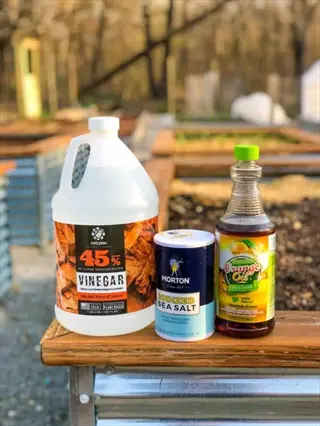
Vinegar-Salt-Soap Solution
- This solution uses one liter (34 ounces) of white vinegar mixed with three tablespoons (45 grams) of salt dissolved completely before adding soap.
- Include one teaspoon (5 milliliters) of eco-friendly dish soap to help the mixture adhere to weed leaves for maximum contact time.
- Apply during midday sun when temperatures exceed 70°F (21°C) to accelerate the drying process on weed foliage.
- Avoid spraying within three feet (one meter) of desirable plants as overspray causes irreversible damage to their leaves.
- Reapply every three days for persistent weeds since this contact killer doesn't destroy deep root systems immediately.
- Rinse treated areas with water after one hour to protect pets from potential skin irritation or paw exposure.
Boiling Water Treatment
- Pour freshly boiled water directly onto weeds growing in pavement cracks, driveway gaps, or between patio stones where no other plants exist nearby.
- Use immediately after boiling for maximum heat transfer ensuring the water temperature remains above 160°F (71°C) for effective thermal shock.
- Target young weeds under six inches (15 centimeters) tall since their shallow roots succumb faster to the intense heat treatment.
- Repeat applications every 48 hours during dry spells as established weeds often require multiple treatments to die completely.
- Never pour near flower beds or vegetable gardens as boiling water kills beneficial soil microbes indiscriminately without selectivity.
- Wear closed-toe shoes and long pants to prevent accidental burns during application especially on windy days when splashing occurs.
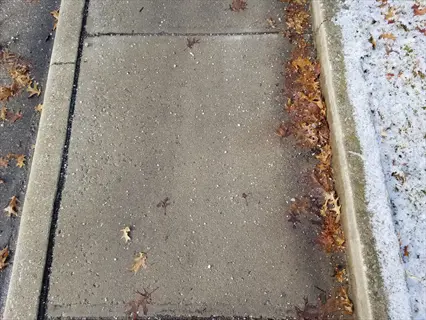
Salt Application
- Apply pure table salt directly to patio cracks using one tablespoon (15 grams) per square foot (0.1 sq meter) for effective dehydration.
- Avoid rock salt or Epsom salts which contain minerals that alter soil composition differently than standard sodium chloride would.
- Prevent runoff into garden soil by treating only during dry forecasts lasting at least 72 hours post-application to prevent contamination.
- Combine with water at a 1:3 ratio for sprayable solutions in hard-to-reach areas between uneven paving stones or bricks.
- Reapply monthly during growing season as rain gradually dilutes salt concentration reducing its effectiveness against persistent weed growth.
- Place physical barriers like plastic edging when treating near lawns to protect grass from salt contamination that causes browning.

Lemon Juice Spray
- Use undiluted juice from five large lemons (about one cup or 240 milliliters) in a spray bottle for direct application on weeds.
- Apply during peak sunlight hours when UV intensity helps activate citric acid's natural desiccating properties on weed leaf surfaces.
- Target annual weeds like chickweed or purslane which typically wither within four hours of proper saturation under sunny conditions.
- Store unused juice in refrigerator for up to one week but discard if fermentation occurs which would reduce its effectiveness.
- Combine with orange oil (two tablespoons/30 milliliters) for enhanced penetration against waxy-leaf weeds like poison ivy or wild garlic.
- Wear gloves during application as prolonged citrus exposure causes skin dryness and possible photosensitivity reactions in sunlight.
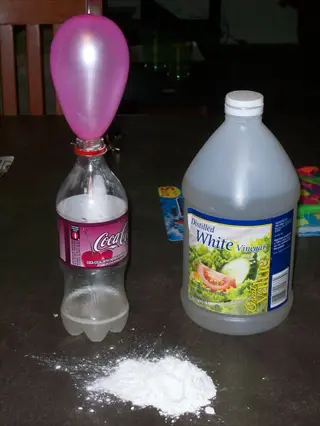
Baking Soda and Vinegar
- Mix one cup (128 grams) baking soda with two cups (480 milliliters) vinegar creating a foaming reaction that smothers weed growth effectively.
- Apply paste directly to weed bases using a brush for precise placement avoiding nearby ornamental plants you wish to preserve.
- Effective against moss and algae growing on north-facing walls or shaded pathways receiving minimal sunlight throughout the day.
- Reapply after rainfall since water dissolves the soda residue reducing its weed-suppressing alkaline properties that require direct contact.
- Use only on non-porous surfaces like concrete as baking soda alters soil pH for months if absorbed into garden beds.
- Combine with cornstarch (half cup/64 grams) to thicken mixture preventing runoff on sloped areas where liquid solutions drain away.
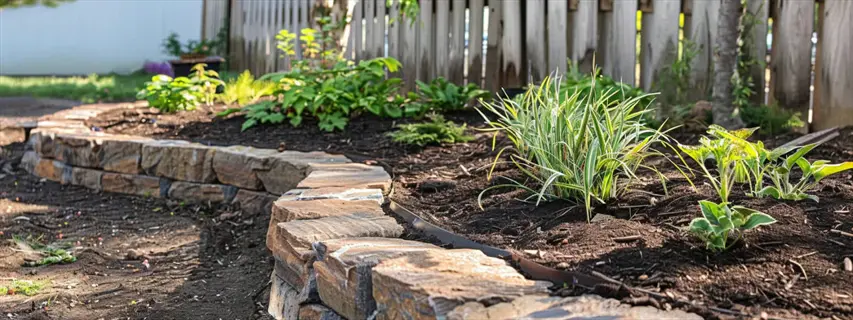
Mulching Technique
- Layer seven centimeters (three inches) of wood chips or straw to block sunlight preventing weed seed germination completely in garden beds.
- Replenish mulch every three months as organic materials decompose reducing their light-blocking density over time through natural breakdown processes.
- Place cardboard underneath mulch in high-weed areas creating an extra barrier that lasts four to six weeks before decomposition begins.
- Avoid colored mulches near edibles as synthetic dyes may leach into soil affecting plant growth and food safety standards.
- Maintain a two-inch (five centimeter) gap around tree trunks preventing moisture buildup that causes bark rot and fungal infections.
- Use grass clippings as free mulch source but ensure they're pesticide-free and thoroughly dried before application to prevent mold.
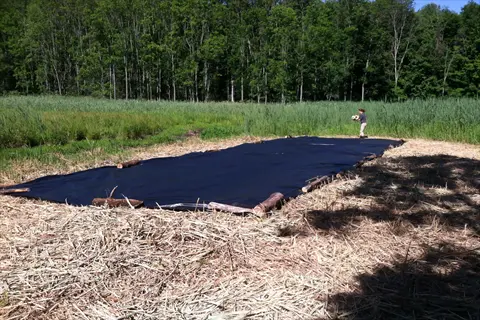
Solarizing Method
- Cover weedy areas with UV-stabilized black plastic tarps weighing at least six mil thickness for durability against wind and weather.
- Secure edges with rocks or soil ensuring no gaps exist allowing weed growth or moisture escape during the treatment period.
- Maintain coverage for four weeks during summer when soil temperatures under tarp exceed 120°F (49°C) killing both seeds and roots.
- Water soil thoroughly before covering to create steam enhancing thermal transfer to deeper root zones for comprehensive sterilization.
- Remove tarp after treatment and plant immediately to prevent new weeds colonizing the sterilized soil before your desired plants establish.
- Avoid using clear plastic which allows light penetration promoting weed growth instead of suppressing it through heat accumulation.
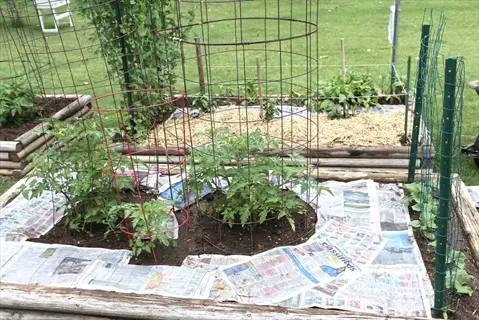
Newspaper Barriers
- Layer eight to ten newspaper sheets (or cardboard) wetted thoroughly before covering with organic mulch for stability and decomposition control.
- Overlap sheets by six inches (15 centimeters) preventing weed emergence through gaps between paper sections where light could penetrate.
- Use only black-and-white pages avoiding glossy inserts containing heavy metals harmful to soil organisms and microbial health.
- Replace every five weeks as paper decomposes losing its weed-blocking integrity in moist conditions common in garden environments.
- Combine with compost tea spray to accelerate decomposition adding nutrients while suppressing weeds simultaneously for dual benefits.
- Avoid colored inks near vegetable gardens as some pigments contain toxins absorbed by edible plant roots and transferred to produce.
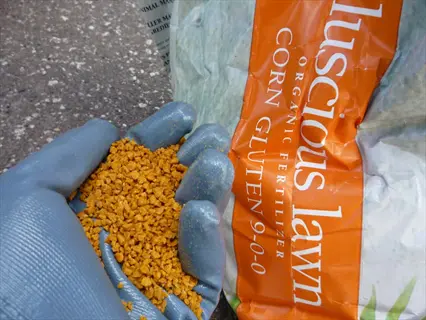
Corn Gluten Meal
- Apply twenty pounds (nine kilograms) per 1,000 square feet (93 sq meters) as pre-emergent before weed germination occurs in spring.
- Time applications four weeks before expected weed sprouting typically when soil reaches 50°F (10°C) for optimal preventive action.
- Water lightly after application activating proteins that inhibit root formation in newly germinated weed seeds within the topsoil layer.
- Reapply every six weeks during growing season since it breaks down losing effectiveness after heavy rainfall or irrigation events.
- Avoid using in new seedbeds as it prevents all seed germination including desirable flowers or vegetables you intend to grow.
- Store unused meal in airtight containers to prevent moisture absorption which clumps material and reduces spreading efficiency across soil.
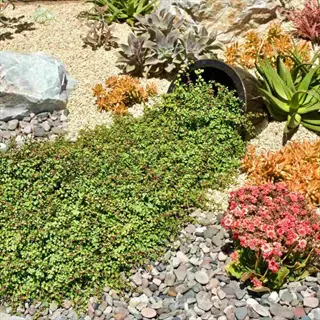
Ground Cover Plants
- Plant creeping perennials like sedum or vinca spaced twelve inches (thirty centimeters) apart to form dense mats that crowd out weeds naturally over time.
- Select shade-tolerant varieties like ajuga for north-facing slopes or sun-loving thyme for south-exposed areas needing minimal maintenance once established.
- Mulch between plants during establishment phase reducing weeds until ground covers spread sufficiently within three months to form continuous coverage.
- Trim annually to maintain dense growth preventing weed invasion through thin or damaged sections of coverage where light penetrates.
- Combine with landscape fabric under gravel paths creating permanent barriers where planting isn't feasible long-term in high-traffic zones.
- Avoid invasive species like English ivy by checking local regulations before planting potentially problematic varieties that escape cultivation boundaries.
Why Natural Weed Killers Are Better
Chemical herbicides are often full of poisons like glyphosate that stick to surfaces. They pose cancer dangers to us and can also kill off beneficial insects. Natural weed killers use vinegar or salt straight from your kitchen. They decompose quickly, leaving no harmful traces behind. I found that my garden felt safer for kids once I made the switch. You won't be exposing your family to deadly poisons.
Soil health improves with natural methods since they don't kill the microbes. Chemical sprays are sterilizing the earth and destroying the little critters. Eventually, you become dependent on them. Mulching and other natural approaches restore the organic matter. My tomato yield increased after I stopped using chemicals. You are protecting the underground community your plants depend on.
Cost savings and. . . Bees. Yep! All while saving bees from dying from poisonous runoff and stuff! I love it when I save money and help the planet at the same time! I can get a gallon of vinegar mix for not much over $5 bucks! If you buy those commercial "killers," you can pay up to $15-$30 bucks a bottle! You save money AND honey!
Natural Weed Killers
- Safety: Non-toxic to pets, children, and wildlife with minimal exposure risks when used as directed.
- Environmental Impact: Biodegradable ingredients break down naturally without contaminating groundwater or harming ecosystems.
- Soil Health: Preserve microbial balance and pH levels for sustainable long-term garden fertility.
- Cost Efficiency: Use pantry staples costing under $5 per gallon versus $20+ for commercial herbicides.
Chemical Herbicides
- Safety Risks: Require protective gear due to carcinogenic ingredients like glyphosate with documented health concerns.
- Environmental Damage: Persistent residues harm pollinators and contaminate water sources for years after application.
- Soil Degradation: Kill beneficial microorganisms leading to compacted, nutrient-poor soil requiring fertilizers.
- High Cost: Premium formulations cost $15-$30 per quart with diminishing effectiveness against resistant weeds.
Safety Comparison
- Natural: Non-toxic to children and pets with minimal precautions needed beyond basic gloves during application.
- Chemical: Require full protective gear due to carcinogenic ingredients like glyphosate with documented health risks.
- Natural solutions use household ingredients that pose no long-term health hazards even with accidental exposure.
- Chemical residues linger on surfaces for weeks, creating ingestion risks for curious pets and young children.
Environmental Impact
- Natural: Biodegrade within days without contaminating groundwater or harming aquatic ecosystems nearby.
- Chemical: Persistent toxins accumulate in soil and waterways for years, disrupting entire food chains.
- Natural methods preserve pollinators like bees that are decimated by commercial herbicide runoff.
- Chemical sprays kill beneficial insects indiscriminately, reducing biodiversity in garden ecosystems.
Soil Health
- Natural: Maintain microbial balance and organic matter for sustainable plant growth season after season.
- Chemical: Sterilize soil by killing essential microorganisms, creating dependency on synthetic fertilizers.
- Natural approaches like mulching improve soil structure while suppressing weeds naturally over time.
- Repeated chemical use causes soil compaction and nutrient depletion requiring costly amendments.
Cost Efficiency
- Natural: Cost under $5 per gallon using pantry staples like vinegar, salt, and dish soap.
- Chemical: Premium formulations range from $15-$30 per quart with diminishing effectiveness annually.
- Natural solutions utilize reusable spray bottles instead of single-use chemical containers.
- Chemical treatments require repeated purchases as weeds develop resistance to active ingredients.
Ease of Use
- Natural: Simple recipes with no mixing restrictions or special disposal requirements needed.
- Chemical: Complex application protocols including wind restrictions and hazardous waste disposal.
- Natural killers work immediately without waiting periods before children/pets can re-enter areas.
- Chemical treatments mandate exclusion zones and multi-day safety waiting periods after spraying.
How Natural Weed Killers Work
Salt and vinegar suck moisture from weeds, the former through the leaves and roots, creating an imbalance that draws water from plant cells; the latter burns leaves, assisting the process of evaporation. I see weeds droop within hours of treatment on hot days. If the temperature is above 70 degrees, results are obtained swiftly.
Dish soap helps the solution stick instead of beading off waxy leaves. It breaks surface tension, allowing the vinegar to penetrate deeper. Without the soap, rain will wash away the mixture before it can ruin the plant. I usually add one teaspoon per liter for the best adhesion. You will need the binder for hairy weeds, like purslane.
You are looking to eliminate weeds using natural methods. They only work on contact, though, unlike chemical sprays that are absorbed into the roots. They do not go through the plant's system, so you have to reapply in a few days. Chemical killers act inside the plant for longer control. I kill weeds weekly during the summer. You are committing yourself to regular applications of a killer for deep-rooted weeds.
Acidity Action
- Vinegar/Lemon Juice: High acidity disrupts cell membranes, causing rapid dehydration of plant tissues.
- pH Impact: Lowers surface pH to 2-3, burning leaf surfaces within hours of application.
- Effectiveness: Works fastest on young, thin-leaved weeds during high-temperature conditions.
- Limitation: Less effective on waxy or mature leaves that resist liquid absorption.
Dehydration Process
- Salt Application: Creates osmotic imbalance, pulling moisture from roots and leaves toward salt crystals.
- Desiccation: Causes visible wilting within 24 hours as plants lose cellular water content.
- Effectiveness: Ideal for cracks and crevices where salt can concentrate without rain dilution.
- Caution: Excessive use makes soil inhospitable for all plant life for extended periods.
Adhesion Mechanics
- Soap Function: Reduces surface tension, allowing solutions to coat leaves instead of beading off.
- Spread Enhancement: Ensures even coverage on hairy or waxy weed surfaces for full contact.
- Duration: Extends active time from 2 to 6+ hours before evaporation occurs.
- Recommendation: Use eco-friendly soaps without antibacterial agents to protect soil microbes.
Smothering Effect
- Physical Barriers: Mulch/cardboard blocks sunlight, preventing photosynthesis in weed seedlings below.
- Oxygen Deprivation: Sealed layers create anaerobic conditions that kill existing roots over time.
- Decomposition: As materials break down, they release compounds that inhibit new germination.
- Implementation: Requires 5+ cm thickness to effectively suppress light penetration.
Prevention Systems
- Corn Gluten Meal: Releases peptides that inhibit root formation in newly germinated weed seeds.
- Ground Covers: Dense planting shades soil surface, creating unfavorable conditions for weed establishment.
- Solarization: Traps heat raising soil temperatures to 50°C+ killing seeds and pathogens.
- Maintenance: Requires consistent reapplication as natural barriers decompose over 4-8 weeks.
Safety Tips for Natural Weed Killers
Wear gloves and goggles when using these natural weedkillers. Vinegar can cause burns if splashed on the skin, and salt can irritate the eyes. Long sleeves offer extra protection from splash damage. I learned that the hard way when I found myself with a rash from where the mixing vinegar solution splashed too much. You'll be protecting yourself from things you have at home.
Keep pets indoors when spraying and for two hours afterward, and rinse down the pavement before letting them walk there. Check the dogs' paws for any redness or swelling. Mine once licked salt off his paw and got very sick overnight. Simple precautions keep these accidents from happening.
"Don't spray flowers that are in bloom whenever a bee is likely to be flying about them at midday. Form the earth around the place to catch any liquid that may run from the plant. Keep at least twenty yards away from ponds and streams. Once, through careless spraying, I lost a butterfly pasture; be careful, for a set purpose. You conserve ecosystems by making your applications at dusk or dawn.
Store in locked cabinets, clearly labeled as poison. You get no benefit out of a cat pot that a child sticks their mouth in. Throw out leftover potions in a week. Dilute thoroughly before pouring down the sink! I use discarded vinegar bottles with child-proof caps. Expenses prevented me from treating it like a poison.
Protective Gear
- Gloves: Wear thick rubber gloves during mixing and application to prevent skin irritation from vinegar/salt solutions.
- Eye Protection: Use safety goggles when spraying overhead to avoid accidental splashes reaching sensitive eyes.
- Clothing: Choose long sleeves and pants made from tightly woven fabrics to prevent skin contact with solutions.
- Footwear: Wear closed-toe shoes with non-slip soles when pouring boiling water to prevent scalding accidents.
Pet Safety
- Exclusion: Keep animals indoors or leashed away from treated areas until surfaces completely dry (1-2 hours).
- Rinsing: Flood treated pavement with water before allowing pet access to remove residual salt/vinegar traces.
- Paw Protection: Check paws after outdoor access if pets walk near recently treated zones for irritation signs.
- Ingestion Risk: Store unused solutions in locked cabinets since curious pets may chew through spray bottles.
Application Timing
- Weather: Apply only on dry days with no rain forecast for 24+ hours to prevent solution runoff.
- Wind Conditions: Avoid spraying when winds exceed 8 km/h (5 mph) to prevent drift onto desirable plants.
- Temperature: Treat weeds during 10-30°C (50-86°F) ranges; extreme heat increases vapor inhalation risks.
- Sun Exposure: Apply midday when UV index is highest to accelerate drying and reduce wildlife exposure time.
Environmental Precautions
- Pollinators: Spray at dawn/dusk when bees are less active, avoiding direct contact with flowering weeds.
- Runoff Control: Create soil berms around treatment zones to contain liquid runoff during application.
- Wildlife: Rinse hardscapes before dusk to protect nocturnal animals like hedgehogs from salt exposure.
- Water Sources: Maintain 3-meter (10-foot) buffer from ponds/streams to prevent aquatic ecosystem contamination.
Storage and Disposal
- Containers: Store solutions in clearly labeled, food-safe containers away from children's reach.
- Shelf Life: Discard unused vinegar mixtures after 7 days as fermentation reduces effectiveness.
- Disposal: Dilute leftovers 10:1 with water before pouring down drains to prevent pipe corrosion.
- Equipment Care: Triple-rinse sprayers after use to prevent salt crystallization clogging nozzles.
Vinegar Weed Killer Recipe
Combine 1 liter (34 ounces) of 5-10% white vinegar with 3 tablespoons (45 grams) of salt until the salt is dissolved. Add in 1 teaspoon (5 ml) of environmentally friendly dish soap gently. Avoid using metal spray bottles, as vinegar is corrosive and can damage them. I mix this in old gallon jugs and apply it to my driveway. You get maximum adhesion without ruining your spray nozzles.
Spray every 3 days for annual weeds such as chickweed. Treat the deep-rooted dandelions once a week till they cease regrowing. The directions state spray during sunny hours when the temperature is above 70 degrees for fast action. I avoid windy days so my flowers don't suffer. You cover the leaves until they glisten, but they are not dripping wet.
Keep pets off areas you've just sprayed for a couple of hours, and rinse your pavement before you let them walk on it. And never spray anywhere near butterfly bushes or flowers on clover: I've killed too many bees by spraying at midday. You're also protecting that little guy by working at dawn.
Store in labelled containers, preferably with childproof caps. Keep solutions in the dark and use them within seven days. Empty containers can be easily rinsed, but leftovers should be disposed of properly. Dilute them with ten parts water before pouring down the drain (I date my bottles by the day I mixed them). You'll save a child's life by being careful about how you store these.
Ingredients
- White Vinegar: 1 liter (34 ounces) with 5-10% acetic acid concentration for optimal weed penetration.
- Salt: 3 tablespoons (45 grams) of table salt to dehydrate weeds through osmotic action.
- Dish Soap: 1 teaspoon (5 milliliters) eco-friendly, non-antibacterial soap to improve adhesion.
- Optional Boosters: 2 tablespoons (30 milliliters) citrus oil for waxy weeds or 1/4 cup (60 grams) baking soda for alkaline-resistant species.
Preparation
- Dissolving Salt: Stir salt into vinegar until fully dissolved in a glass or plastic container to prevent corrosion.
- Adding Soap: Gently mix in dish soap to prevent excessive foaming that reduces solution effectiveness.
- Container Choice: Use a chemical-resistant spray bottle with adjustable nozzle for targeted application.
- Mixing Order: Always add salt before soap to ensure proper dissolution without clumping issues.
Application
- Timing: Spray on sunny days above 70°F (21°C) between 10 AM-2 PM for fastest dehydration action.
- Technique: Hold nozzle 6-12 inches (15-30 cm) from weeds, coating leaves until glistening but not dripping.
- Reapplication: Treat every 3 days for annual weeds or weekly for deep-rooted perennials like dandelions.
- Safety Zones: Maintain 3-foot (1-meter) buffer from desirable plants and water sources during spraying.
Effectiveness
- Visible Results: Expect wilting within 1 hour and browning within 24 hours for young weeds under 6 inches (15 cm).
- Root Kill: Limited to top growth; repeat applications needed to exhaust root systems of perennial weeds.
- Best Targets: Most effective on broadleaf weeds like chickweed, purslane, and young dandelions.
- Limitations: Less effective on mature grasses or waxy-leaved weeds like poison ivy without additives.
Storage
- Container: Store in labeled, food-grade plastic bottles with childproof caps away from direct sunlight.
- Shelf Life: Use within 7 days as acetic acid concentration decreases through natural evaporation.
- Temperature: Keep between 50-77°F (10-25°C); freezing separates ingredients, heat accelerates degradation.
- Disposal: Dilute unused solution 10:1 with water before pouring down drains to prevent pipe corrosion.
5 Common Myths
Natural weed killers work instantly like chemical herbicides for immediate results.
Natural solutions require multiple applications over days to dehydrate weeds completely, unlike systemic herbicides absorbed into roots. Vinegar-based killers only affect surface foliage, necessitating reapplications every 3-5 days to exhaust root systems. This gradual approach ensures safety but demands patience compared to glyphosate's rapid effects.
Vinegar solutions are completely harmless to all surrounding plants and soil.
Vinegar's high acidity (pH 2-3) damages nearby plants through overspray and alters soil pH if overused. Repeated applications can sterilize topsoil by killing beneficial microbes. Always spray selectively on windless days and maintain 3-foot buffers around desirable vegetation to prevent collateral damage to garden ecosystems.
Salt is a permanent natural solution that prevents all future weed growth.
Salt provides temporary dehydration but washes away with rain, requiring monthly reapplication. Excessive use creates long-term soil salinity issues making areas infertile for years. While effective on pavement cracks, it's unsuitable for gardens where sodium accumulation prevents all plant growth, including desirable species.
Natural weed killers require no safety precautions since they use household items.
Even natural solutions demand gloves and eye protection as vinegar causes skin irritation and salt damages mucous membranes. Pets risk paw burns from salt residues, and boiling water poses scalding hazards. Always store mixtures in childproof containers and rinse treated surfaces before pet access to prevent accidental exposure injuries.
One vinegar recipe works equally well on all types of weeds universally.
Effectiveness varies significantly by weed type: vinegar excels against young broadleaf weeds but fails on mature grasses or waxy-leaved species like poison ivy. Adding dish soap improves adhesion for hairy weeds, while salt boosts effectiveness in pavement cracks. Tailor recipes to specific weed vulnerabilities for optimal results.
Conclusion
Natural weed killers provide safe alternatives, protecting your family and the planet. They avoid toxic chemicals, keeping children and pets out of danger. These methods preserve healthy soil full of beneficial life. I see earthworms returning to my garden since switching. You create a safer outdoor space immediately.
Proper timing matters. Spray vinegar mixes on sunny days above 70°F. Use boiling water solely for isolated weeds on pavement. I always check the weather forecasts before I spray. You can't miss if you follow my timing rules.
Pick one method this weekend, whether it's the vinegar recipe or the boiling water. Start with the driveway cracks for that fast, obvious pay-off. Explain what you're doing to neighbors who might need to hear about a safer option. I started with one small patch last spring. You can begin today.
External Sources
Frequently Asked Questions
What is the most effective natural weed killer?
Vinegar-salt-soap solutions work best for most weeds, especially when applied during sunny conditions above 70°F. The acetic acid in vinegar burns foliage, salt dehydrates roots, and soap helps the mixture adhere to leaves. For pavement cracks, boiling water provides immediate results.
Does vinegar permanently eliminate weeds?
Vinegar only kills surface growth and requires reapplications every 3-5 days to exhaust root systems. It's ineffective against deep-rooted perennial weeds without consistent use. Permanent elimination requires combining methods like mulching or corn gluten meal to prevent regrowth.
Is salt safe for long-term weed control?
Salt provides temporary dehydration but damages soil structure and beneficial microbes with repeated use. It contaminates groundwater and makes areas infertile for years. Only use salt in isolated pavement cracks, never in garden beds, and always rinse treated surfaces after application.
How do I protect pets when using natural weed killers?
Essential precautions include:
- Keep pets indoors during application and until surfaces dry completely
- Rinse treated areas with water before allowing pet access
- Store solutions in chew-proof containers
- Check paws for irritation after outdoor exposure
Can boiling water eliminate deep-rooted weeds?
Boiling water kills only shallow roots immediately. For deep-rooted weeds like dandelions, multiple applications are needed. It works best on young weeds under six inches tall growing in pavement gaps. Avoid using near desirable plants as it kills beneficial soil organisms indiscriminately.
What natural method prevents future weed growth?
Corn gluten meal applied before germination inhibits root formation. Combine with:
- Mulching with cardboard or wood chips to block sunlight
- Planting dense ground covers like thyme or sedum
- Solarization using black tarps during summer
- Regular manual removal of seedlings
Are natural weed killers safer than chemicals?
Yes, natural solutions avoid toxic chemicals like glyphosate. They biodegrade quickly without contaminating water sources and preserve soil health. However, they still require gloves and eye protection during use, and some ingredients like vinegar can harm beneficial insects if misapplied.
Why does my vinegar solution not work?
Common reasons include:
- Using low-concentration vinegar below 5% acidity
- Applying on mature weeds with waxy leaves
- Spraying during cool or cloudy weather
- Insufficient salt concentration in mixture
- Lack of dish soap for proper adhesion
How do I kill weeds without harming grass?
Targeted application is crucial:
- Use boiling water only on isolated pavement weeds
- Apply vinegar solutions with brush precision
- Maintain buffer zones around lawn areas
- Choose corn gluten meal for pre-emergent prevention
- Install physical barriers during salt treatments
What are the environmental benefits of natural weed killers?
They prevent chemical runoff contaminating waterways, protect pollinators like bees from toxins, and maintain soil microbial balance. Natural methods also avoid plastic waste from commercial herbicide containers and reduce long-term soil degradation associated with synthetic products.